 ⚠ Moderate
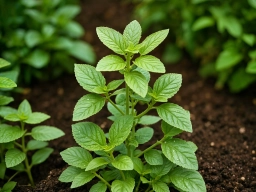
Lace-like, skeletonised leaves � the distinctive feeding damage of Japanese beetles.
Japanese Beetles Skeletonising Basil Leaves
Commonly affects: Ocimum basilicum (Basil)
Leaves develop a lace-like, skeletonised appearance as the soft tissue between veins is eaten away, leaving only the leaf's structural framework. Metallic green-and-copper beetles may be visible feeding directly on the plant.
The short answer
Leaves reduced to a lace of veins, with metallic green and copper beetles feeding openly in groups, are Japanese beetles. Hand-picking into soapy water in the early morning, when they are sluggish, is the most effective control available to a home grower. Do not use the pheromone traps sold for them — they attract more beetles to your garden than they catch.
Confirm it before you treat it
- 1Look at the damage pattern. These beetles eat the leaf tissue between the veins, leaving a lace or skeleton — very distinctive.
- 2Look for the beetles themselves. They feed in daylight, in groups, and make no attempt to hide, which sets them apart from most pests.
- 3Note the time of year. Adults emerge in early summer and feed for roughly four to six weeks.
- 4Check whether damage started at the top of the plant. They begin on the upper, sun-exposed foliage and work down.
- 5Look at your lawn. The larvae are white grubs in turf, so a nearby lawn is usually the source.
Potential Causes
- 1Japanese beetle adults actively feeding during their summer emergence period
- 2Nearby host plants such as roses or grapevines supporting large local beetle populations
- 3Warm, sunny conditions that coincide with peak beetle activity
Solution Steps
- 1Hand-pick beetles in the early morning when they're less active, dropping them into soapy water.
- 2Cover plants with a fine mesh or floating row cover during peak beetle season if the infestation is severe.
- 3Avoid pheromone traps near the basil patch itself, since they can actually attract more beetles to the immediate area.
- 4Apply a pyrethrin-based spray only if hand-picking isn't controlling numbers, being mindful of harvest intervals for an edible herb.
What else looks like this
| Could be | How to tell it apart |
|---|---|
| Slug damage | Ragged holes with smooth edges and slime trails, appearing overnight. Slugs do not skeletonise between veins. |
| Caterpillar feeding | Chewed leaf margins and frass pellets, with caterpillars often on the undersides. The damage crosses veins. |
| Flea beetle damage | Many tiny round shot holes rather than skeletonised areas, from much smaller beetles that jump when disturbed. |
| Downy mildew | Yellowing with growth on the underside and no tissue removed. Basil's other major problem, but not a chewing one. |
| Earwig damage | Irregular holes appearing overnight, with earwigs sheltering in the plant by day. |
Recovery timeline
- Day 1Hand-pick in the early morning while the beetles are cool and slow, knocking them into a container of soapy water.
- Days 1–14Repeat daily. Consistency matters far more than any single treatment, because feeding beetles attract more beetles.
- Weeks 2–4Numbers decline as the adult flight period passes. Damaged leaves do not recover but new growth comes through clean.
- Weeks 4–6The adult season ends. Harvest and use the plant normally from here.
- Next seasonConsider treating lawn grubs if the problem recurs annually, though adults fly in from surrounding gardens regardless.
If you do nothing
Feeding beetles release an aggregation pheromone, so early damage actively recruits more beetles — an untreated plant attracts a larger population than an adjacent treated one. Leaves are skeletonised until only veins remain, and a heavily attacked basil loses so much photosynthetic area that it stalls and never produces a usable harvest. The plant usually survives the season, but the crop does not, and the beetles move on to whatever else is nearby.
Common mistakes
- Hanging a pheromone trap in the garden. It draws far more beetles in than it captures, and consistently increases damage nearby.
- Hand-picking in the afternoon. They are alert and fly off. Early morning, while they are cold and sluggish, is dramatically more effective.
- Picking once and stopping. Daily removal through the flight period is what actually works.
- Spraying broad-spectrum insecticide on a herb you intend to eat. Hand-picking is both safer and more effective here.
- Treating lawn grubs mid-season expecting immediate relief. It affects next year's local population, not the adults already flying.
Prevention Tip
Hand-picking in the early morning is often the most practical control for a small basil patch, since Japanese beetles are sluggish and easy to remove before the day warms up.
Questions people actually ask
- Why shouldn't I use the traps?
- They work by pheromone attraction and pull in beetles from a wide area. Far more arrive than are caught, and damage nearby increases.
- When is the best time to hand-pick?
- Early morning. The beetles are cold and slow and drop straight into a container instead of flying.
- Can I still eat the basil?
- Yes. Wash undamaged leaves and use them normally — there is no health concern from the beetles themselves.
- How long does the season last?
- Roughly four to six weeks of adult feeding in early to mid summer, then it stops.
- Does treating my lawn help?
- It reduces grubs developing in your own turf, which helps over time, but adults fly in from neighbouring gardens regardless.