 ⚠ Moderate
Winter overwatering produces the same symptoms as summer overwatering but is caused by seasonal changes in the plant's water demand rather than actual irrigation excess — the schedule that was correct in June becomes harmful by November.
Winter Overwatering — Seasonal Watering Frequency Mismatch
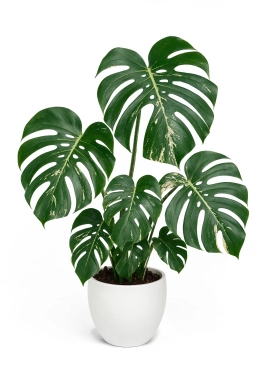
Commonly affects: Monstera deliciosa, Philodendron spp., Alocasia spp., Calathea spp., Spathiphyllum wallisii
Tropical houseplants show yellowing, mushy stems, or root rot symptoms in autumn and winter despite an apparently correct watering schedule maintained from the summer period. The cause is seasonal: as day length shortens and temperature drops, plant metabolism, photosynthesis, and water uptake all decline significantly — but the grower continues watering at the same summer frequency. Water that was absorbed in days during active summer growth now sits in the substrate for weeks.
Potential Causes
- 1Maintaining the same watering schedule year-round without accounting for the 40–60% reduction in plant water uptake during shorter winter days
- 2Reduced light levels in winter slowing photosynthesis and therefore evapotranspiration from the substrate
- 3Lower ambient temperatures reducing the rate at which substrate dries between waterings
- 4Combined effect of shorter days, lower light intensity, and lower temperatures creating a compounding reduction in water demand that many growers underestimate
Solution Steps
- 1Switch from a calendar-based watering schedule to a moisture-based schedule immediately in autumn: water only when the substrate reads dry 4–5 cm below the surface.
- 2Reduce watering frequency by approximately 50% from the summer schedule as a starting point — most tropical houseplants in winter need watering every 10–21 days rather than every 5–7 days.
- 3If yellowing or wilting has already occurred, unpot and inspect roots. Treat any rot found before repotting in fresh substrate.
- 4Do not fertilise at all from November to February (northern hemisphere) — fertilising dormant or slow-growing plants causes salt accumulation rather than nutrient uptake.
- 5Improve substrate drainage before winter if it is not already optimal — add additional perlite to the potting mix to ensure the shorter watering intervals dry out the substrate effectively.
- 6Resume the more frequent summer schedule when new active growth resumes in spring — typically when day length exceeds 12 hours.
Prevention Tip
A simple rule: set a reminder in October to halve your watering frequency. Check substrate moisture before every watering regardless of schedule, and in winter, err heavily toward underwatering — these plants have evolved for dry season drought, not permanent wetness.
Related Issues to Explore

Yellowing Leaves — Overwatering Stress
Winter overwatering produces identical yellowing symptoms to summer overwatering — the seasonal factor changes the cause but not the presentation.
Read guide
Root Rot — Pythium & Phytophthora Infection
Winter overwatering is one of the most common pathways to Pythium root rot — the cold, wet conditions perfectly match the pathogen's preferred environment.
Read guideReal Monstera grow diaries
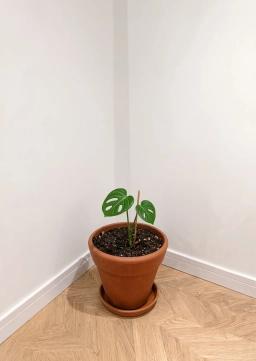
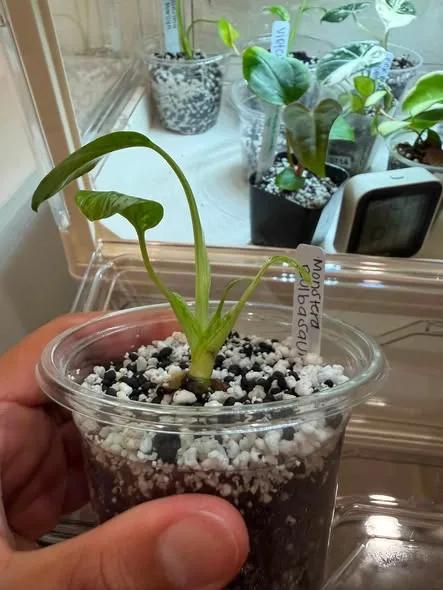
Growers on DailyGrowers log their plant week by week, one photo at a time. Here's how theirs are going.
Growing Monstera too? Start your own diary. It's free and takes 2 minutes.
Start my Monstera diary →