


Slug & Snail
Cornu aspersum / Limax maximus
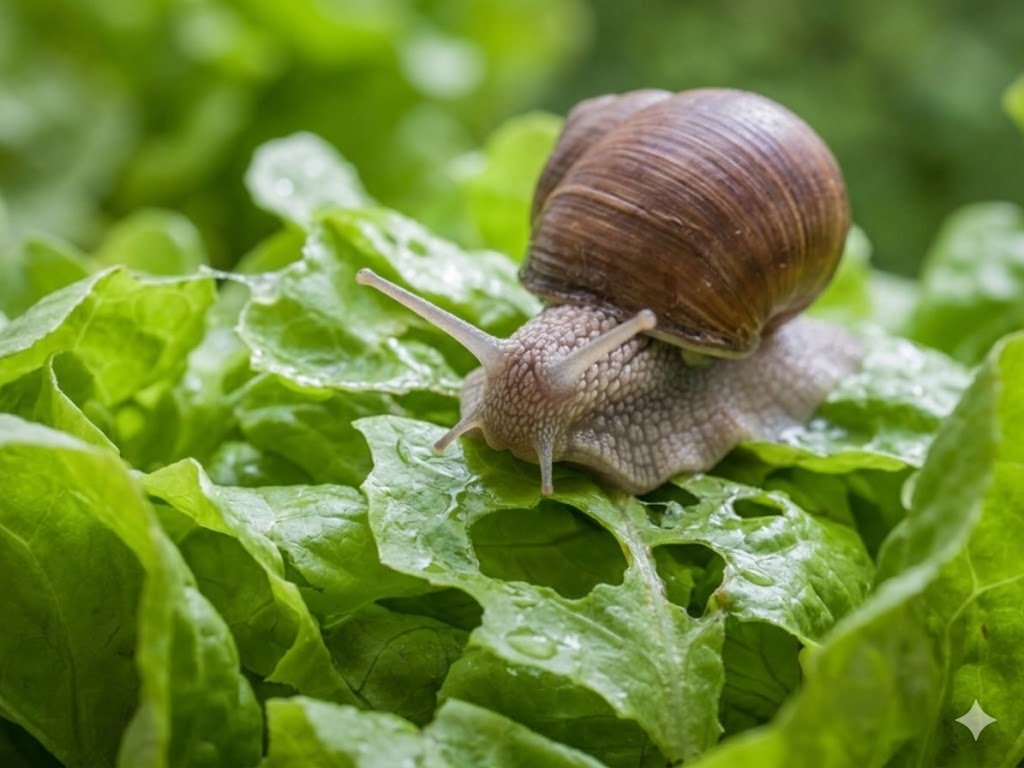
Slugs and snails are molluscs that feed nocturnally, rasping tissue with a file-like feeding organ (radula). Cornu aspersum (garden snail) is the most common garden species, while Limax maximus (leopard slug) is widespread indoors and outdoors. On houseplants, they typically arrive in substrate brought in from outdoors or on plants stored outside. Unlike insects, they cause large, irregular holes or complete consumption of soft leaves, often leaving a characteristic glistening mucus trail.
How to Identify
Large, irregular holes in leaves — unlike insect feeding, slug damage has smooth, rounded edges rather than jagged ones. Shiny slime trails on leaves, substrate surface, and pot rims are definitive identification. Look for the molluscs themselves at night with a torch. During the day they hide in cool, moist locations: under pot saucers, in substrate, or under lower leaves.
Life Cycle
Snails and slugs are hermaphrodites and can mate with any other individual. Clutches of 30–100 white or cream eggs are laid in moist soil. Juveniles hatch in 2–4 weeks and mature in 3–6 months. Slugs have no shell and require moisture for movement. Snails can seal their shell opening (aestivation) and survive dry conditions for months.
Visual Identification
Garden Snail
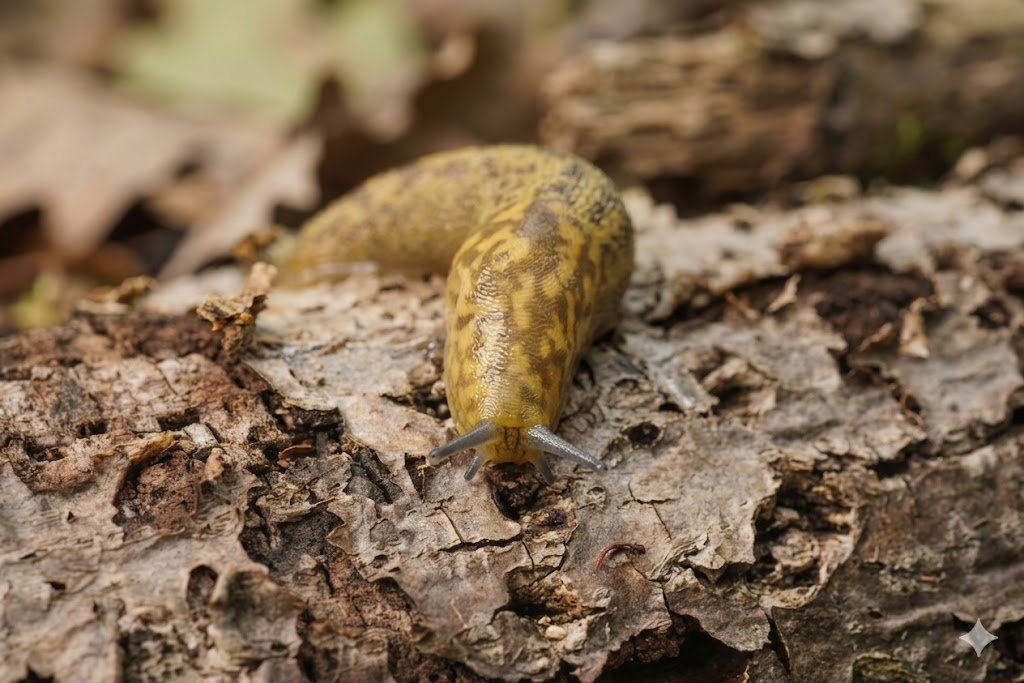
Leopard Slug
Treatment Steps
- 1
Hand-pick slugs and snails at night when they are active
- 2
Apply iron phosphate-based slug pellets — safe around pets and wildlife, decomposes into garden nutrients
- 3
Create copper barriers around pot rims using copper tape (6 mm width minimum)
- 4
Apply Phasmarhabditis hermaphrodita nematodes as a substrate drench for biological control
- 5
Remove hiding places: pot saucers left full of water, dense leaf litter at the substrate surface
Prevention
Never bring outdoor substrate indoors without first checking for molluscs and eggs
Place copper tape around pot rims — copper gives slugs and snails a mild electric shock
Inspect substrate surface and under pot saucers at night with a torch
Avoid over-watering and keeping the substrate surface consistently moist
Frequently Asked Questions
How do I know if slugs are eating my plant?
Look for large, irregular holes with smooth edges in leaves, and shiny slime trails on leaves and pot surfaces. Check at night with a torch — slugs and snails are nocturnal and will be actively feeding.
How do I get rid of slugs on houseplants?
Hand-pick at night, apply iron phosphate slug pellets (safe for indoor use), and use copper tape around pot rims. Phasmarhabditis hermaphrodita nematode soil drenches provide biological control of slugs in the substrate.
See how growers dealt with Slug & Snail
Browse real grow diaries from the community — treatments, timelines, and results.
Browse community diaries →