

Fungus Gnat
Bradysia spp.
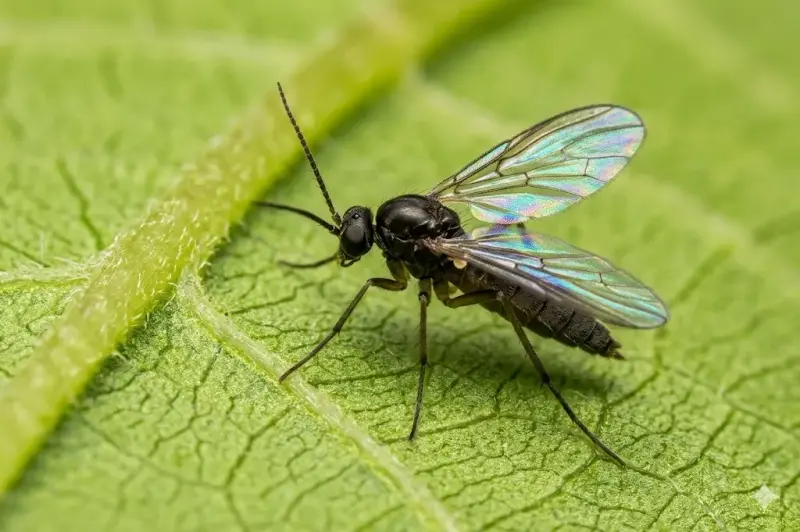
Fungus gnats (Bradysia spp.) are small, dark flies 2–4 mm long that are attracted to moist, organic-rich substrates for egg-laying. While adults are merely a nuisance, their larvae are the damaging stage — feeding on organic matter, fungal hyphae, and young roots in the substrate. In heavy infestations, larval root feeding mimics root rot: plants wilt and yellow despite adequate watering because the root system is physically damaged.
How to Identify
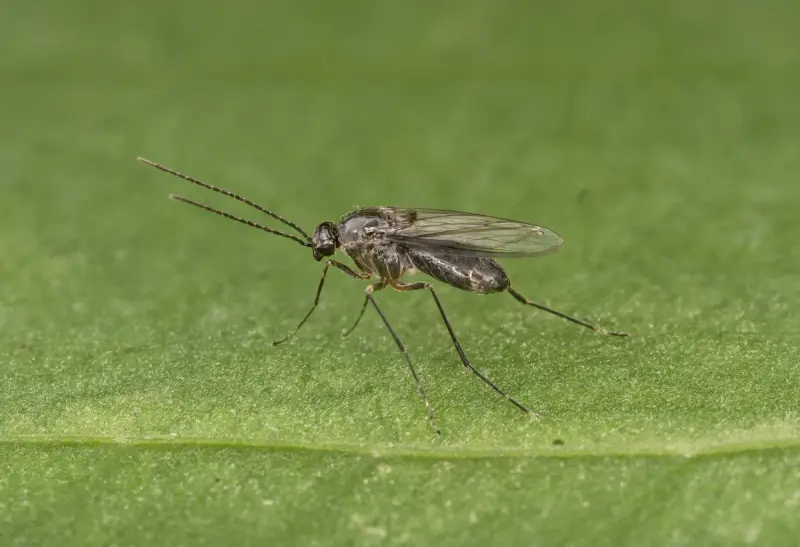
Small black flies hovering around pots and flying up when plants are disturbed or watered. Adults resemble small mosquitoes with long legs and antennae. Larvae are 4–6 mm long, white, translucent, with a distinct black head capsule, found in the top 5–7 cm of moist substrate. The substrate surface may show a fine web of fungal growth that the larvae are feeding on.
Life Cycle
Females lay 100–200 eggs in moist substrate surfaces. Eggs hatch in 4–6 days into larvae that feed for 10–14 days before pupating in the substrate. Adults emerge in 3–5 days and live 7–10 days. The complete cycle is 3–4 weeks. Populations build rapidly when the substrate surface remains consistently moist — the larval stage requires high moisture to survive.
Visual Identification
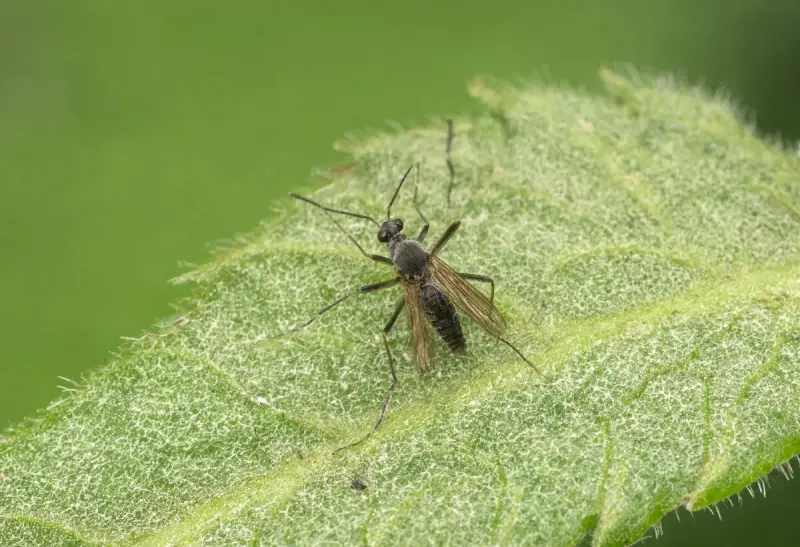
Adult Gnats on Leaf
Substrate Damage
Adult Fly Close-up
Treatment Steps
- 1
Allow the substrate to dry completely to 5–7 cm depth — this kills larvae and eggs
- 2
Apply Bacillus thuringiensis israelensis (Bti) as a substrate drench every 7–10 days for 4–6 cycles
- 3
Apply Steinernema feltiae nematodes as a drench — these parasitise larvae with high efficacy
- 4
Place yellow sticky traps at substrate level to capture adults and monitor population decline
- 5
Top-dress with coarse sand or perlite to prevent re-infestation
- 6
For severe root damage, remove the plant, rinse roots, and repot in fresh dry substrate
Prevention
Allow the top 3–5 cm of substrate to dry completely between waterings — larvae cannot survive desiccation
Top-dress substrate with a 2 cm layer of coarse sand or perlite to deter female egg-laying
Use well-draining substrates with high inorganic content to reduce moisture retention
Avoid leaving standing water in pot saucers
Frequently Asked Questions
How do I get rid of fungus gnats in houseplant soil?
Allow the substrate to dry completely between waterings — this is the most effective control. Apply Bacillus thuringiensis israelensis (Bti) as a soil drench every 7–10 days for 4–6 cycles to kill larvae, and place yellow sticky traps at soil level to catch adults.
Are fungus gnats harmful to plants?
Adult fungus gnats are harmless — larvae are the damaging stage. In heavy infestations, larval root feeding causes wilting, yellowing, and stunted growth that resembles root rot. Light infestations cause minimal damage but are a nuisance.
What causes fungus gnats in potting soil?
Consistently moist substrate surfaces provide ideal egg-laying conditions for female fungus gnats. Peat-based or coir-heavy substrates that retain moisture and provide abundant larval food are most susceptible. Overwatering is the primary driver.
Related Pests
Plant Problems Caused by Fungus Gnat
All pest problems →
Fungus Gnats — Bradysia spp. Larvae in Substrate
Small, dark, mosquito-like flies hover around the soil surface and sca…
Humidity Tray Mould — Stagnant Water Breeding Fungus Gnats & Mould
White or grey mould grows on the pebbles or water surface of a humidit…
Pothos Fungus Gnats — Larval Root Damage from Bradysia spp.
Tiny black flies (2-4 mm) hover around the pot and fly up when the pla…
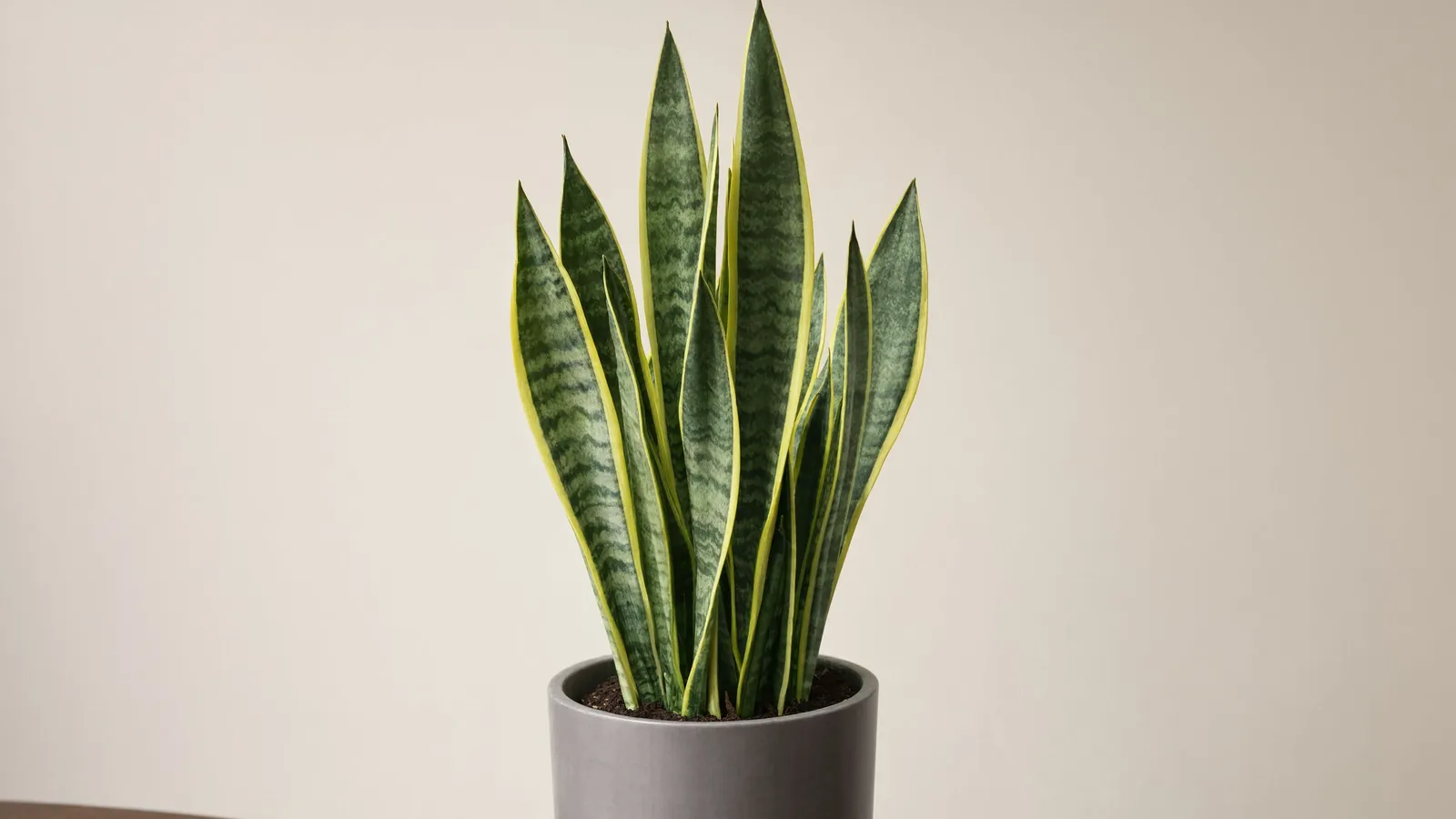
Snake Plant Fungus Gnats — Infestation Despite Infrequent Watering
Small black flies hover around the snake plant's pot. Despite the snak…
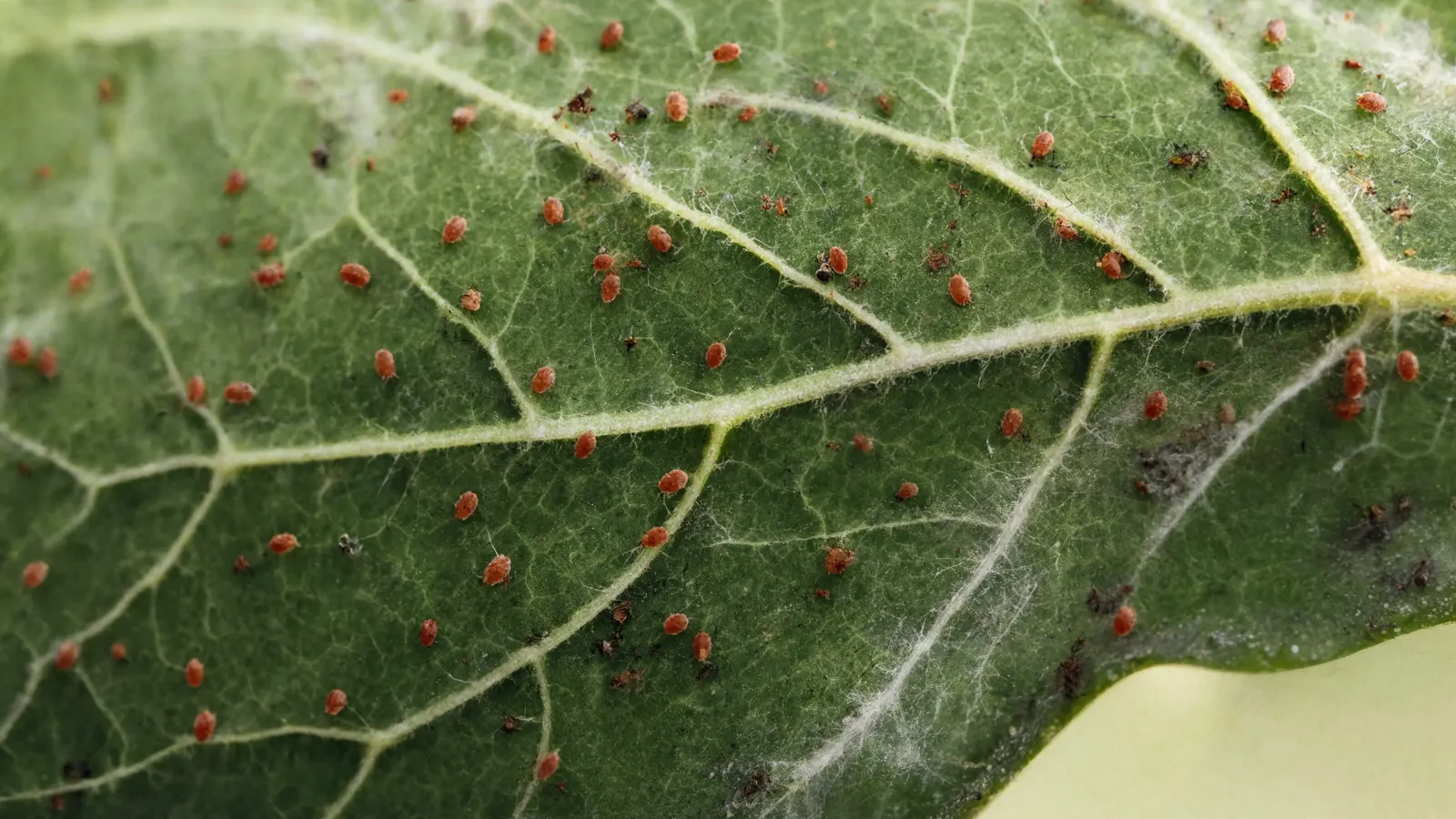
Fungus Gnats in Orchid Potting Mix
Small dark flies hover around the plant and potting medium, with larva…
Fungus Gnats in Cactus Soil
Small dark flies hover around the plant and soil surface, thriving in …
Care Guides for Affected Plants
.webp)
See how growers dealt with Fungus Gnat
Browse real grow diaries from the community — treatments, timelines, and results.
Browse community diaries →