

Plant Comparison
Philodendron Squamiferum vs Billietiae
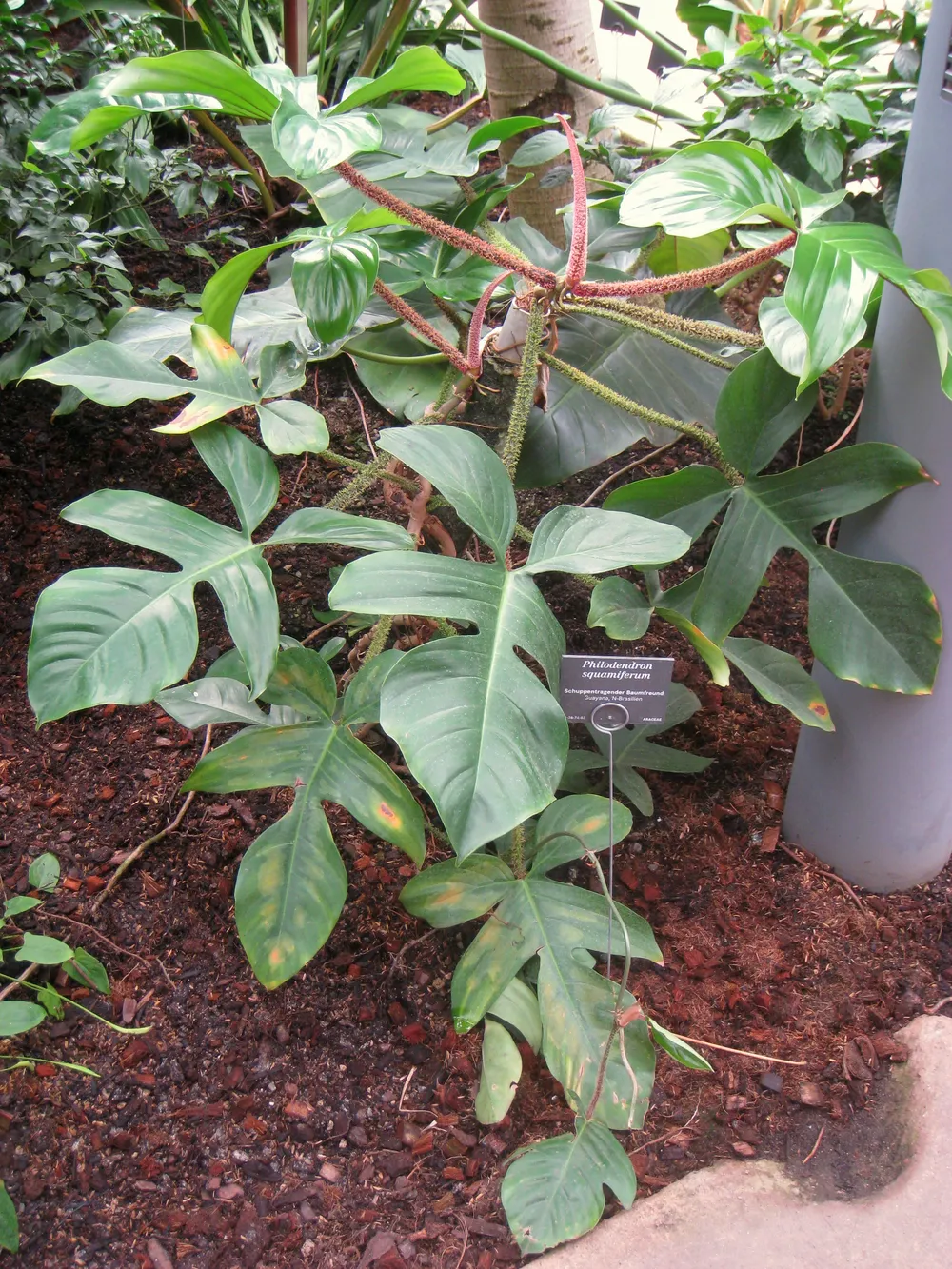
Both of these Philodendrons are bought for their stems as much as their leaves, and the two effects are completely different. Squamiferum has bright red, hairy, bristled petioles — a genuinely furry texture unlike anything else common in the genus. Billietiae has smooth, glossy orange-yellow petioles and long, narrow, elegant leaves. One is about texture, the other about colour.
Philodendron Squamiferum
Philodendron squamiferum
Climbing Philodendron with bright red, hairy, bristled petioles and deeply lobed leaves. Grown for the unusual furry stem texture as much as the leaf shape.
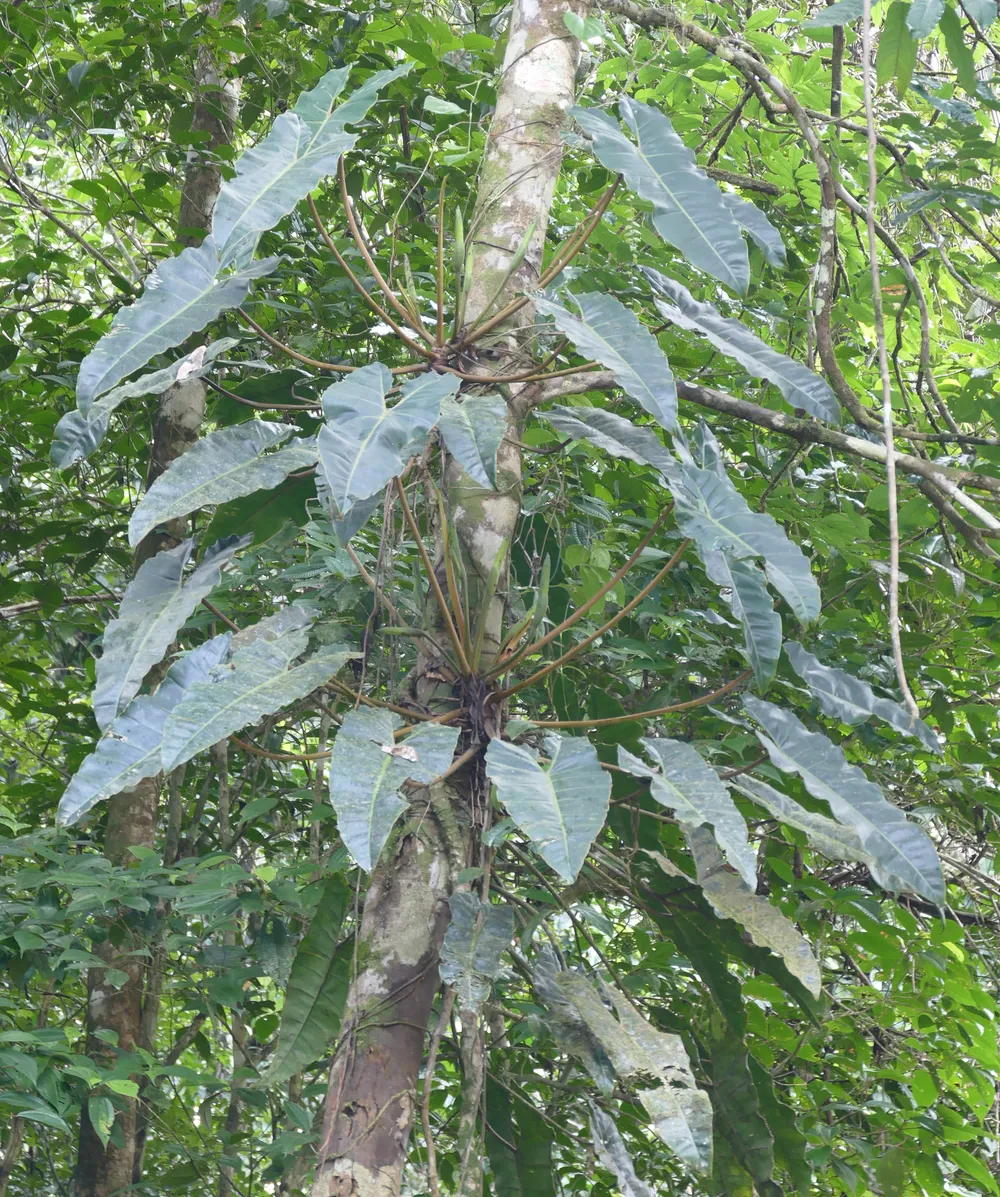
Philodendron Billietiae
Philodendron billietiae
Climbing Philodendron with smooth, glossy orange-yellow petioles and long, narrow, elongated leaves. Grown for stem colour and elegant leaf shape.
Photo: Bernard DUPONT from FRANCE / CC BY-SA 2.0 · Wikimedia CommonsSide-by-Side Comparison
Choose Philodendron Squamiferum if…
- ✓You want the unusual hairy, bristled stem texture nothing else common has
- ✓You prefer deeply lobed, three-pronged leaves
- ✓You are building a collection around unusual textures rather than colours
- ✓You don't mind checking hairy stems a little more carefully for pests
Choose Philodendron Billietiae if…
- ✓You want bold orange stem colour that photographs well
- ✓You prefer long, narrow, elegant leaves to a lobed shape
- ✓You want slightly faster growth
- ✓You want a smooth stem that is easy to inspect for pests
What They Have in Common
- •Both are climbing Philodendrons grown as much for the petiole as the leaf
- •Both need a moss pole or similar support to reach their best leaf size
- •Both want bright indirect light to develop their signature stem feature fully
- •Both are toxic to pets and children if chewed
The Verdict
Neither is objectively easier — this is a pure aesthetic choice. Squamiferum is the plant for someone who wants an unusual furry texture; Billietiae is the plant for someone who wants bold, photogenic colour on a more classic leaf shape.
🔴 Philodendron Squamiferum
🟠 Philodendron Billietiae
Real Philodendron Squamiferum grow diaries
Growers on DailyGrowers log their plant week by week, one photo at a time. Here's how theirs are going.
 1 week
my Philodendron ordatum growth🪴🪴🪴
@spongyboby
 1 week
Philodendron propagation
@thepepperguy
 1 week
Propagation of Philodendron florida beauty
@tahibonursery
Growing Philodendron Squamiferum too? Start your own diary. It's free and takes 2 minutes.
Start my Philodendron Squamiferum diary →More rare plants and collector grows every day on Facebook: follow Exotics plants