


Philodendron Care Guide
Philodendron spp.
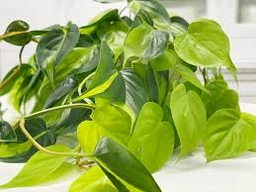
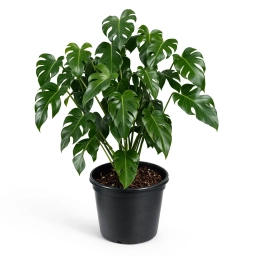
Philodendrons encompass hundreds of species ranging from compact desk plants to large climbing aroids. Most houseplant philodendrons (heartleaf, Brasil, Pink Princess) share the same basic care requirements: bright to medium indirect light, well-draining substrate, and moderate watering. They are among the most tolerant houseplants for indoor conditions.
Highly adaptable; one of the most forgiving houseplants for beginners.
Care Requirements
💡 Light
Medium to bright indirectAdapts to medium light but grows fastest in bright indirect light. Variegated cultivars (Brasil, Pink Princess) need more light to maintain colour. Avoid direct sun on leaf surfaces.
💧 Watering
Every 7–14 daysAllow the top half of the substrate to dry between waterings. Heartleaf philodendron is highly drought-tolerant; climbing varieties prefer slightly more consistent moisture. Yellowing lower leaves indicate overwatering.
💦 Humidity
40–60%Tolerates average household humidity well. Tropical species benefit from higher humidity but are not as sensitive as Calathea or Alocasia. Wipe leaves monthly with a damp cloth to prevent dust accumulation.
🌡️ Temperature
16–29°CAvoid temperatures below 13°C. Keep away from cold windows and draughts in winter. Most philodendrons can handle brief temperature fluctuations but consistent warmth promotes best growth.
🌱 Substrate
Airy, well-draining mixA mix of potting soil with added perlite (20%) provides the drainage philodendrons need. Avoid dense, compacted substrates that retain excess moisture around roots.
⚗️ Fertiliser
Every 4 weeks (spring–summer)Feed with a balanced liquid fertiliser monthly during the growing season. Philodendrons are light feeders — over-fertilisation causes salt buildup and tip burn. Flush the substrate with plain water every 2–3 months.
Seasonal Care
Most active growth occurs March–September. Trailing varieties (heartleaf, Brasil) can grow 30–60 cm per season in good conditions. In winter, growth slows — reduce watering frequency and stop fertilising. Philodendrons don't need a cool winter rest and can be maintained at normal indoor temperatures year-round.
Repotting
Repot every 1–2 years in spring when roots fill the pot. Self-heading (non-climbing) varieties prefer a pot proportional to their leaf spread. Climbing varieties benefit from a moss pole or trellis to maximise leaf size.
Propagation
Stem cuttings are the easiest propagation method. Take a cutting below a node, allow to callous for 30 minutes, and place in water or moist perlite. Roots develop in 2–4 weeks. Philodendrons root readily at any time of year.
Philodendron FAQs
How often should I water my Philodendron?
Water when the top half of the substrate is dry — typically every 7–14 days in the growing season, less frequently in winter. Heartleaf philodendron is particularly drought-tolerant and will wilt as a visible signal before suffering serious damage.
Why are my Philodendron leaves turning yellow?
Yellow leaves most commonly indicate overwatering, particularly if multiple leaves are affected simultaneously. A single older (lower) yellow leaf is normal ageing. Check the substrate moisture and drainage before adjusting your watering routine.
Does Philodendron need high humidity?
Most common philodendron varieties tolerate average household humidity (40–50%) well. They don't require the humidity levels needed by Calathea or Alocasia. Tropical species like Philodendron gloriosum benefit from higher humidity.
Something wrong with your Philodendron?
Browse our full diagnosis guide — identification, treatment, and prevention for every common Philodendron problem.
Philodendron Problem Guide →Common Philodendron Pests
Mealybug
White waxy-coated soft scale insects forming cottony colonies at leaf axils, stems, and roots.
View guide →
Spider Mite
Microscopic arachnids that cause bronze stippling and fine webbing, thriving in hot, dry indoor conditions.
View guide →
Aphid
Soft-bodied sap-sucking insects that colonise new growth rapidly, excreting honeydew that leads to sooty mould.
View guide →
Scale Insect
Armoured or soft-shelled insects that attach to stems and leaves, extracting sap under protective waxy covers.
View guide →
Compare Philodendron
More Care Guides
.webp)
.webp)
Real Philodendron grow diaries
Growers on DailyGrowers log their plant week by week, one photo at a time. Here's how theirs are going.
 1 week
Philodendron propagation
@thepepperguy
 1 week
my Philodendron ordatum growth🪴🪴🪴
@spongyboby
 1 week
Propagation of Philodendron florida beauty
@tahibonursery
Growing Philodendron too? Start your own diary. It's free and takes 2 minutes.
Start my Philodendron diary →🌿
Have a Philodendron? Track its progress.
Weekly diary entries, photos, measurements — and a community of growers to learn from.