




Plant Guides
Care guides, problem diagnosis, and comparisons for popular houseplants, herbs, and vegetables — from Monstera to Tomatoes and Chili Peppers.
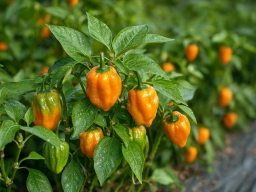
Pepper Varieties
Capsicum chinense · annuum · baccatum · pubescens
From sweet Pimento to Carolina Reaper — Scoville ratings and grow guides for all 57 varieties.
🌶️ Explore All Varieties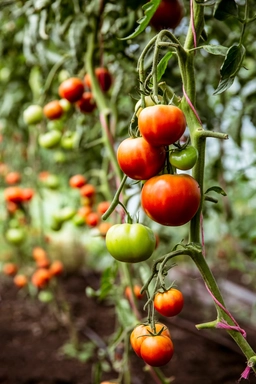
Tomato Varieties
Solanum lycopersicum — Cherry · Beefsteak · Roma · Heirloom
From tiny cherry tomatoes to giant beefsteaks — growing guides, care tips, and harvest advice.
🍅 Explore VarietiesGiant Pumpkin Varieties
Cucurbita maxima — Atlantic Giant · Show · Heirloom · White · Pink
From record-breaking Atlantic Giants to ornamental white and pink pumpkins — growing guides for every giant variety.
🎃 Explore Varieties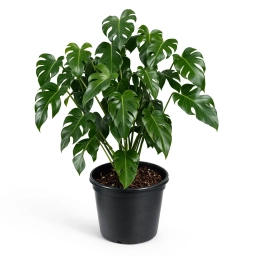
Monstera
Monstera deliciosa
The most popular indoor tropical climber. Known for its dramatic split leaves, Monstera is resilient but prone to overwatering, pests, and light stress.
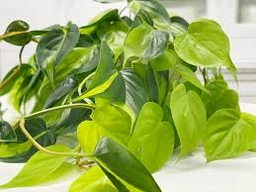
Philodendron
Philodendron spp.
One of the most diverse houseplant genera with over 480 species. Philodendrons are fast growers but vulnerable to root rot, bacterial disease, and nutrient deficiencies.
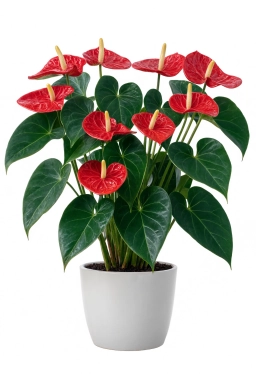
Anthurium
Anthurium andraeanum
Anthurium produces waxy, heart-shaped spathes and thrives in bright indirect light. It is sensitive to overwatering, bacterial blight, and calcium deficiency.
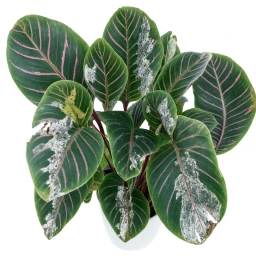
Calathea
Calathea spp.
Calathea is prized for its striking patterned foliage and nighttime leaf movement. It is demanding — sensitive to tap water, low humidity, cold draughts, and inconsistent watering.
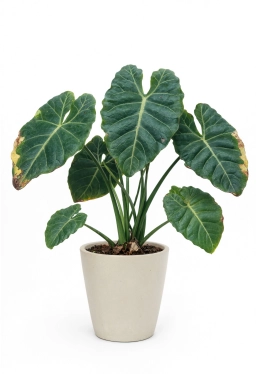
Alocasia
Alocasia spp.
Alocasia — the Elephant Ear — produces dramatic arrow-shaped leaves but goes dormant in winter. It is susceptible to root rot, spider mites, low humidity, and crown rot.
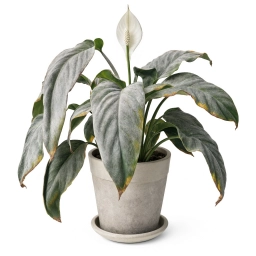
Peace Lily
Spathiphyllum wallisii
Peace Lily is one of the best air-purifying houseplants and tolerates low light. It wilts dramatically when thirsty but is prone to root rot, brown tips, and Botrytis in cool conditions.
.webp)
Pothos
Epipremnum aureum
The ultimate beginner plant — tolerates low light, drought, and neglect. Pothos trails or climbs vigorously but is vulnerable to overwatering, mealybugs, and variegation loss in dim conditions.
.webp)
Fiddle Leaf Fig
Ficus lyrata
Ficus lyrata is prized for its large, violin-shaped leaves but is notoriously demanding. It drops leaves when moved, brown-spots from root rot or bacteria, and requires consistent bright indirect light.
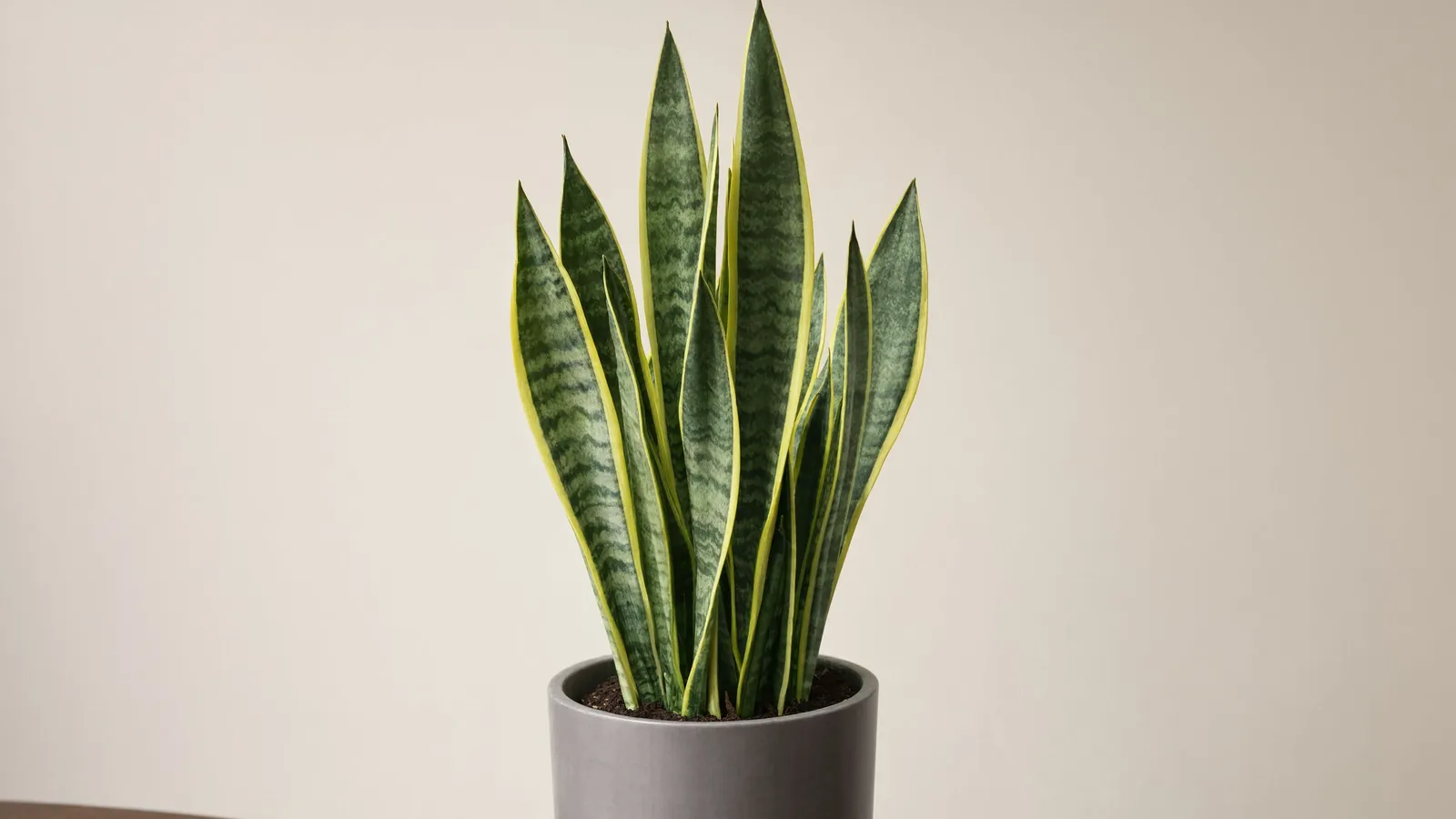
Snake Plant
Sansevieria trifasciata
Snake Plant — also called Mother-in-Law's Tongue — is nearly indestructible in low light with minimal watering. Its main vulnerabilities are crown rot from overwatering and occasional pest issues.
Tomato
Solanum lycopersicum
Tomatoes are one of the most popular plants to grow at home — in containers, raised beds, or indoors under lights. They need full sun, consistent watering, and regular feeding to produce a great harvest.
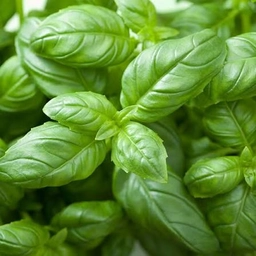
Basil
Ocimum basilicum
Basil is one of the most rewarding herbs to grow at home — fast-growing, abundantly productive, and perfect for a sunny windowsill. Regular harvesting keeps it bushy and prevents bolting.
Chili Pepper
Capsicum annuum
Chili peppers are one of the most satisfying plants for home growers. From mild jalapeños to superhot Carolina Reapers, they thrive with full sun, warmth, and consistent care — and produce for years when overwintered.
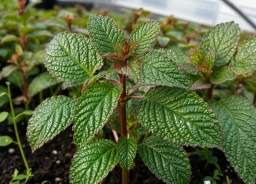
Mint
Mentha species
Mint is one of the most vigorous and rewarding herbs to grow. It thrives in containers, tolerates partial shade, and provides an almost continuous harvest of fresh leaves for cooking, tea, and cocktails.
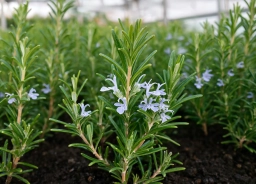
Rosemary
Salvia rosmarinus
Rosemary is a low-maintenance Mediterranean herb that thrives on neglect, full sun, and sharp drainage. Once established, it is one of the most drought-tolerant herbs you can grow — perfect for busy gardeners.
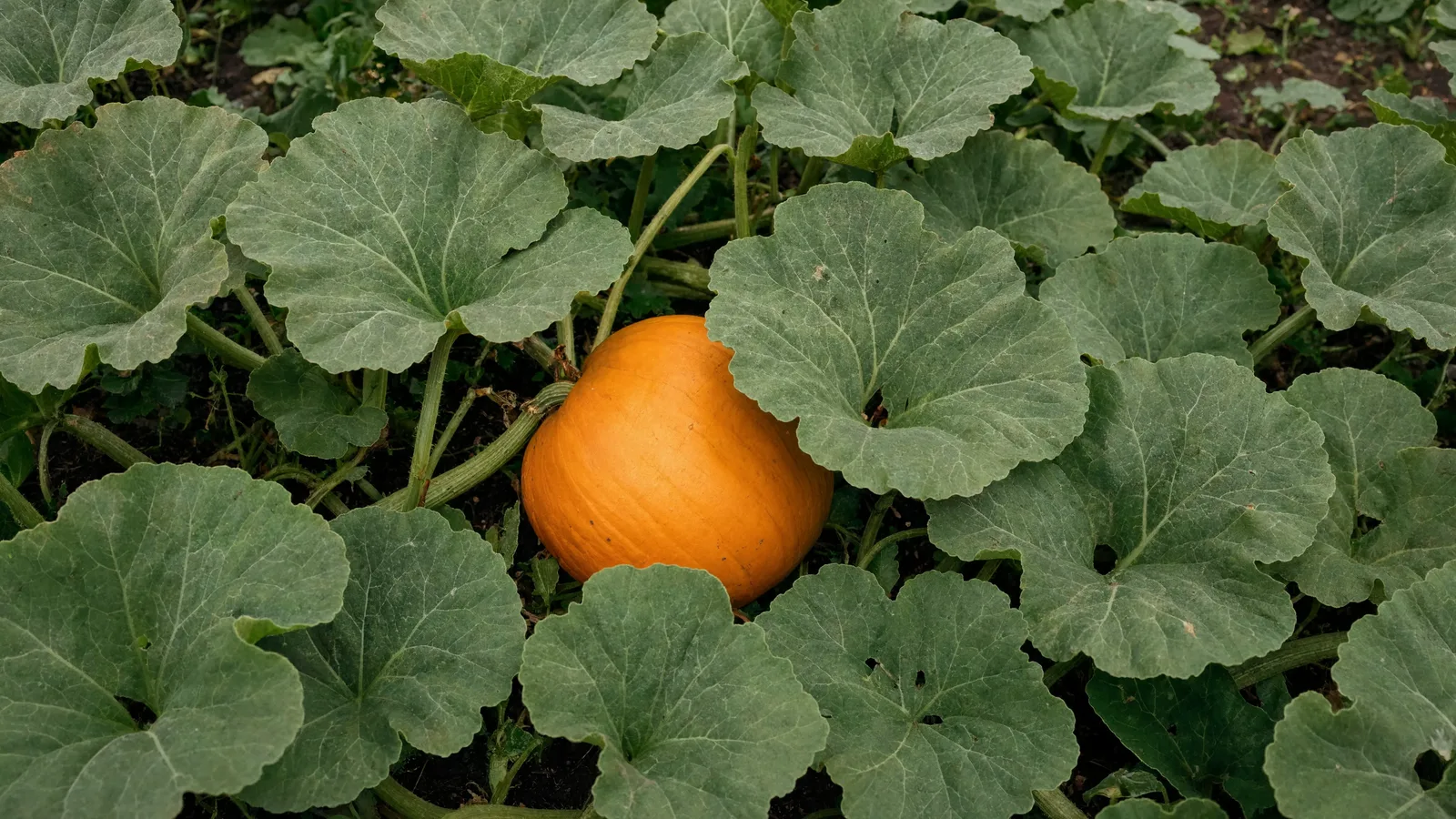
Pumpkin
Cucurbita pepo / C. maxima / C. moschata
Pumpkins are vigorous, sprawling vines that reward a full season of sun, space, and steady feeding with everything from small pie pumpkins to giant show-stoppers. Watch for powdery mildew and squash vine borer as the main threats to a healthy harvest.
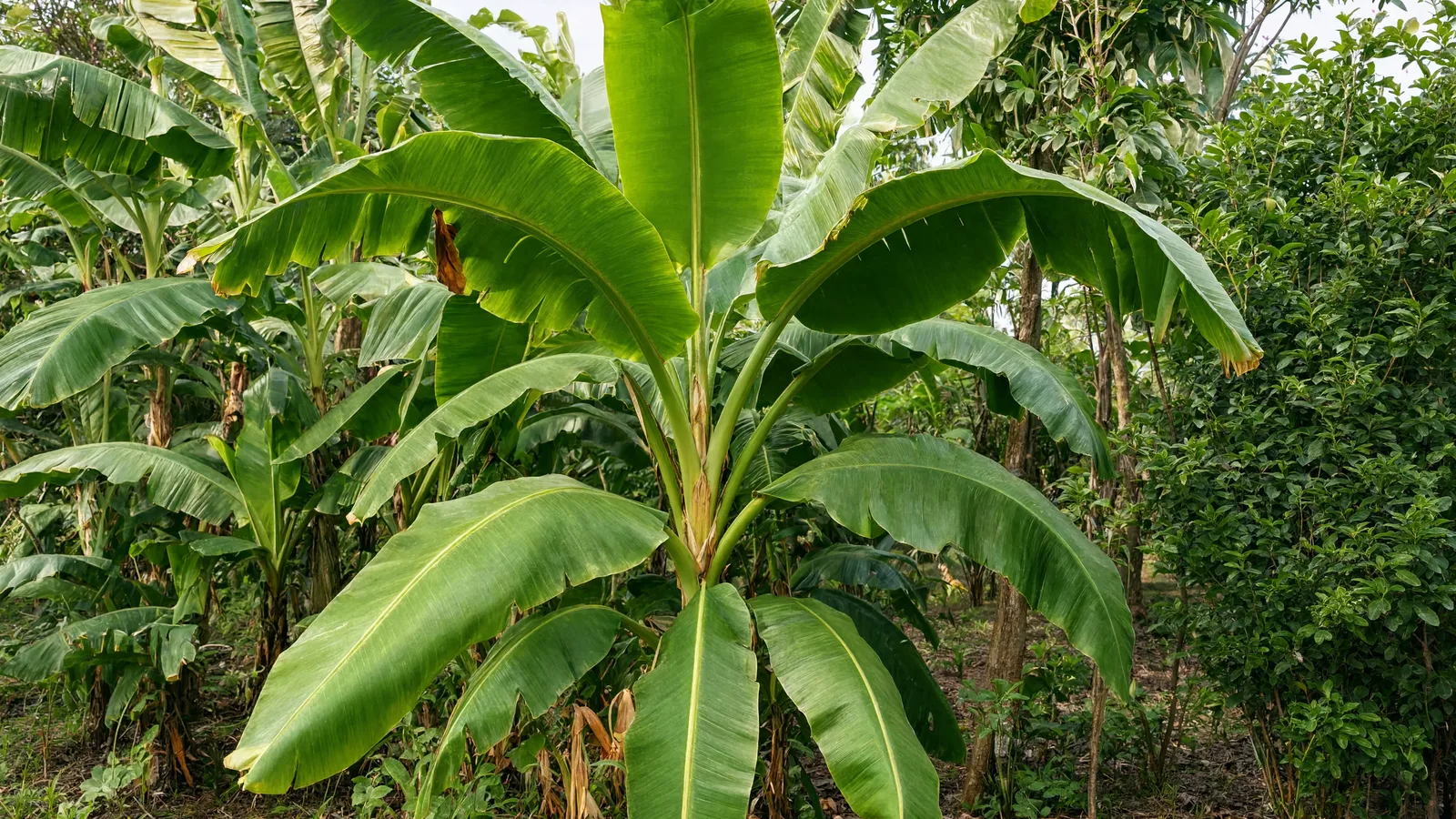
Banana
Musa acuminata / M. balbisiana / Musa spp.
Banana plants are fast-growing, heavy-feeding tropicals that reward warmth, humidity, and consistent potassium with lush paddle-shaped leaves — and, given enough time and light, home-grown fruit. Cold sensitivity and their huge water/nutrient appetite are the two things most growers underestimate.
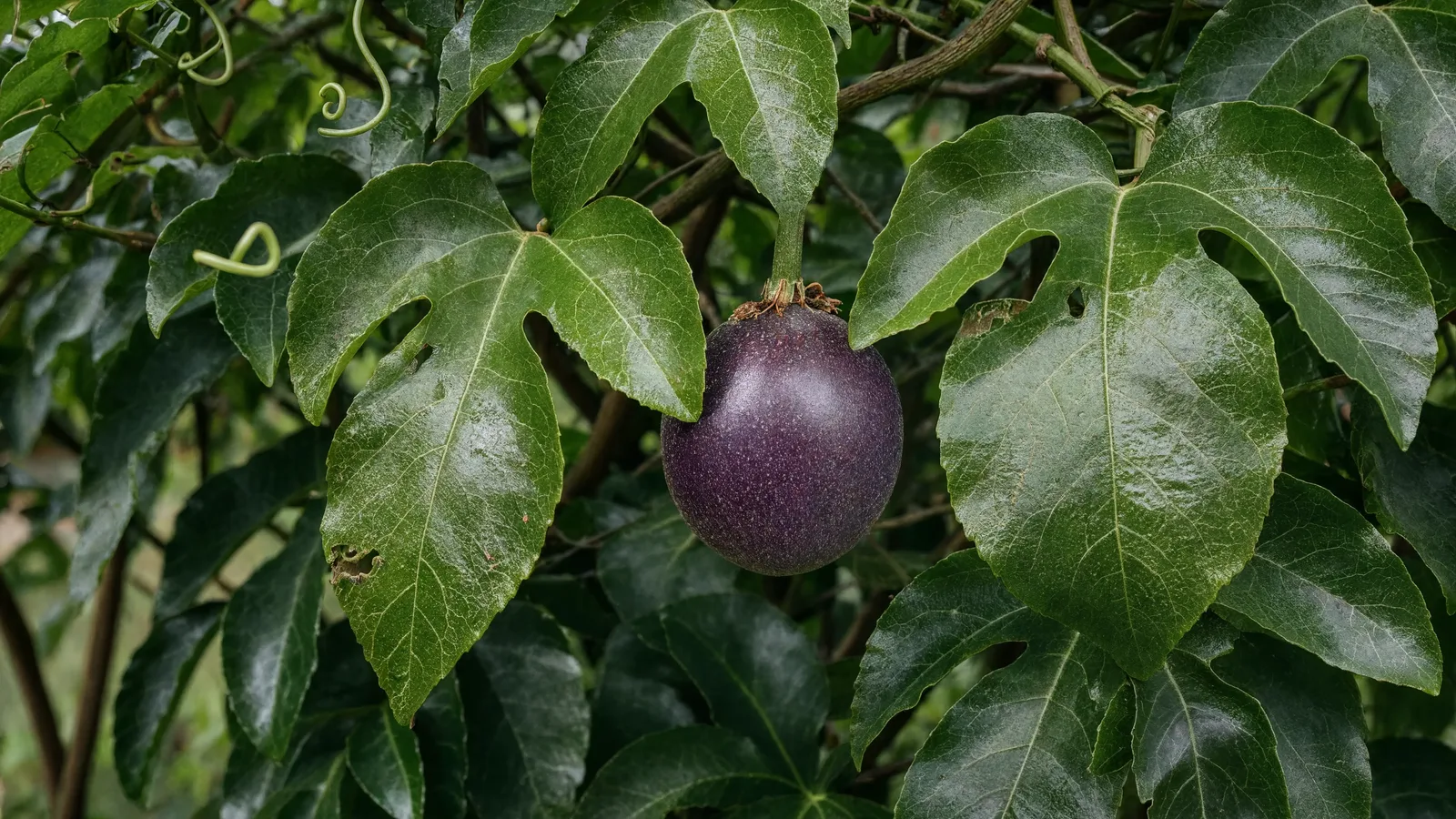
Passion Fruit
Passiflora edulis
Passion fruit is a vigorous climbing vine that needs a sturdy trellis, full sun, and reliable pollinators to reward you with fragrant flowers and tangy fruit. Fungal diseases and poor fruit set are the two biggest hurdles most growers face.
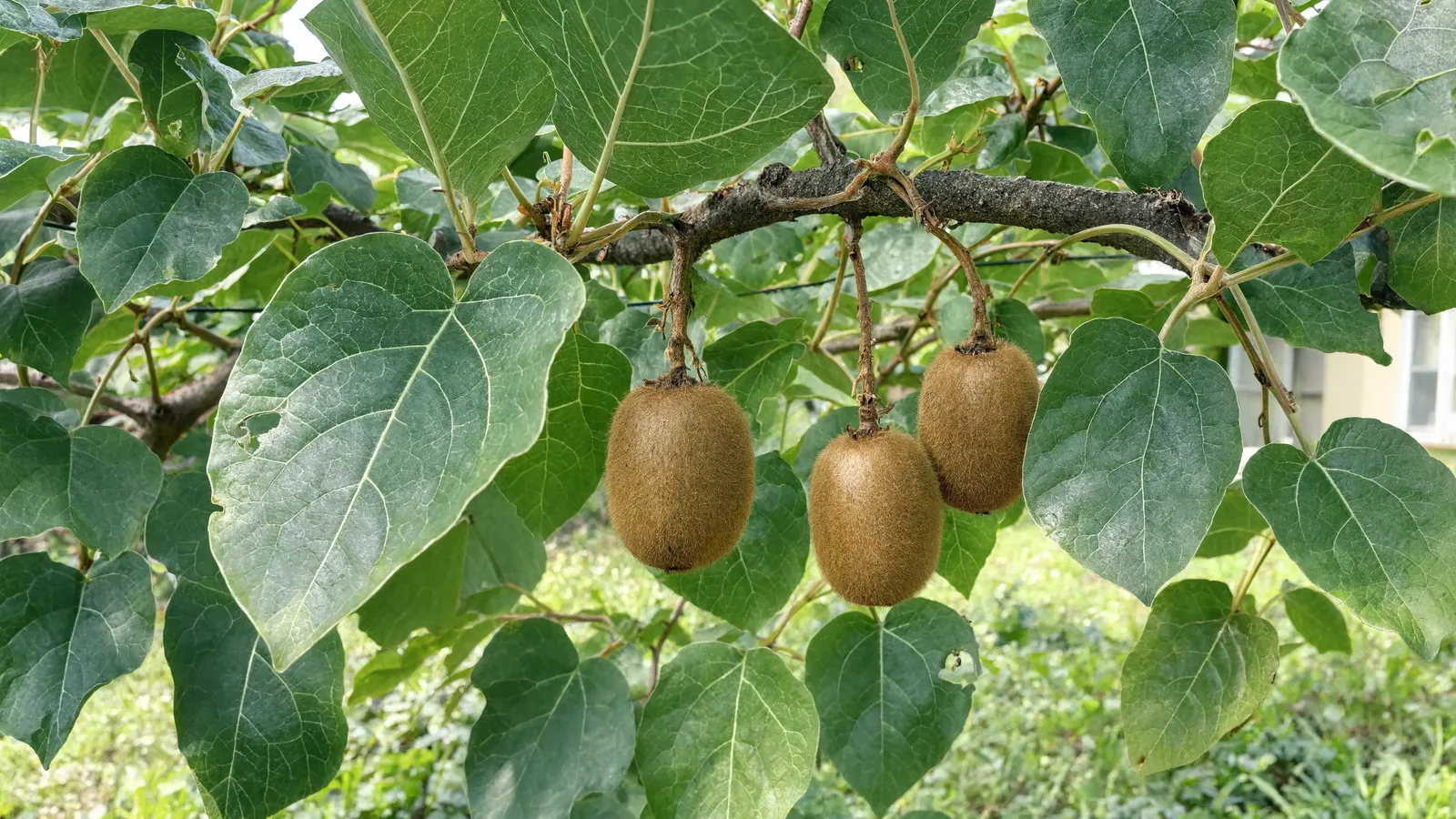
Kiwi
Actinidia deliciosa / A. chinensis
Kiwi vines are long-lived, vigorous climbers that need a strong support structure, both a male and female plant to fruit, and patience — it can take 3-4 years before the first real harvest. Bacterial canker is the disease every kiwi grower should watch for.
Grapes
Vitis vinifera / V. labrusca
Grapevines are vigorous, long-lived climbers that need a sturdy trellis, disciplined pruning, and consistent fungal disease management to produce a good harvest. Powdery mildew and bunch rot are the two most common threats through the season.
Cucumber
Cucumis sativus
Cucumbers are fast, vigorous vines that reward full sun, consistent watering, and good pollination with a heavy, quick harvest — but they're also a magnet for cucumber beetles, powdery mildew, and bitter fruit from inconsistent watering.
Broccoli
Brassica oleracea var. italica
Broccoli is a cool-season brassica that rewards consistent moisture, rich soil, and cool temperatures with a dense central head — but bolts quickly in heat and attracts a long list of caterpillars and root-zone pests along the way.
Papaya
Carica papaya
Papaya is a fast-growing, soft-trunked tropical that can fruit within a year from seed given full sun, warmth, and rich, well-drained soil — but it's highly cold-sensitive and vulnerable to a handful of serious viral diseases.
Strawberries
Fragaria × ananassa
Strawberries are low, spreading perennials that reward rich soil, consistent moisture, and good airflow with a heavy harvest of sweet fruit — but grey mould, slugs, and birds are constant competition for the crop.
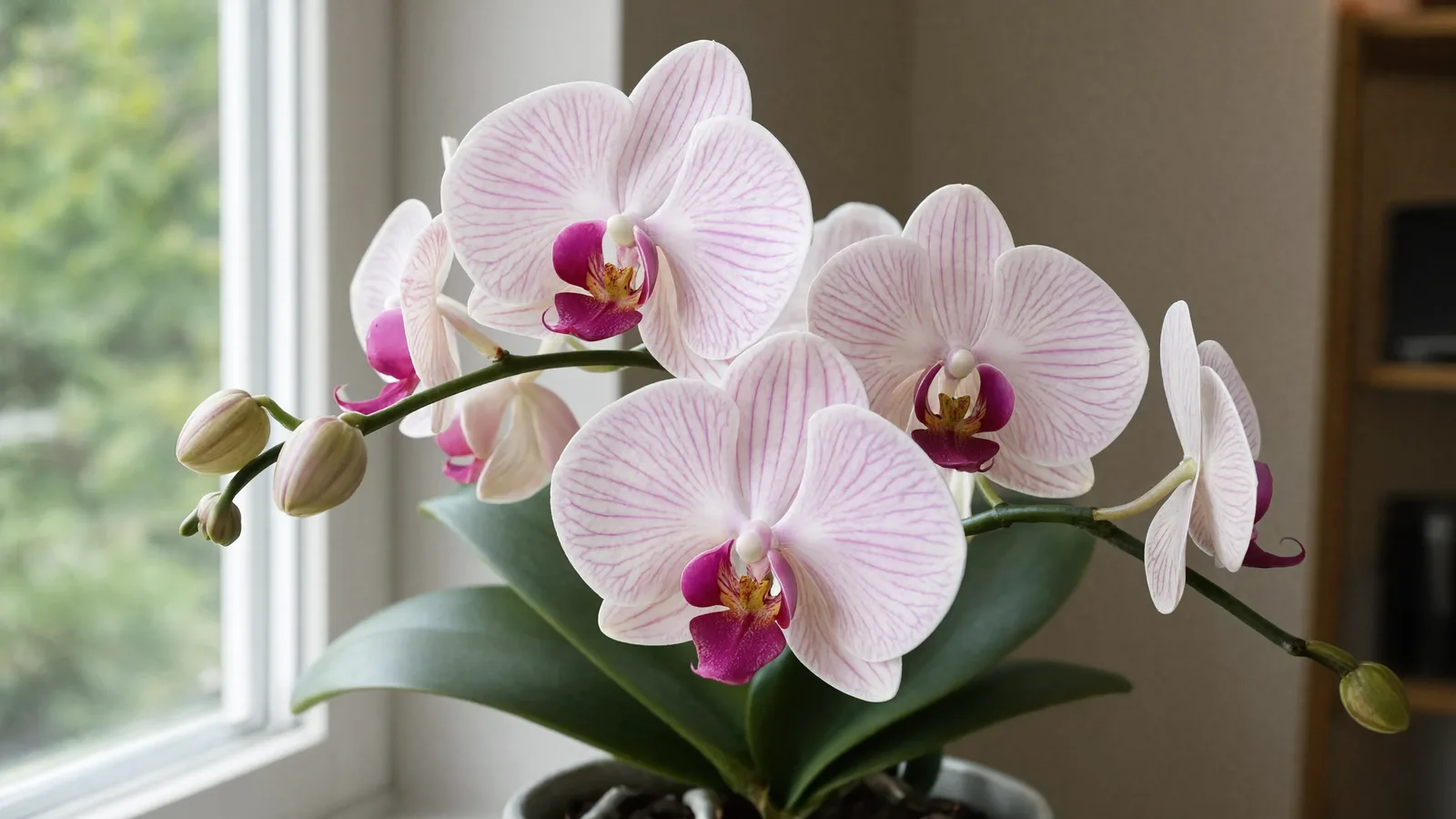
Orchid
Phalaenopsis spp. / Orchidaceae
Orchids are epiphytic plants that thrive on bright indirect light, chunky bark-based mix, and a distinct dry period between waterings — overwatering and root rot are by far the most common ways orchids decline.
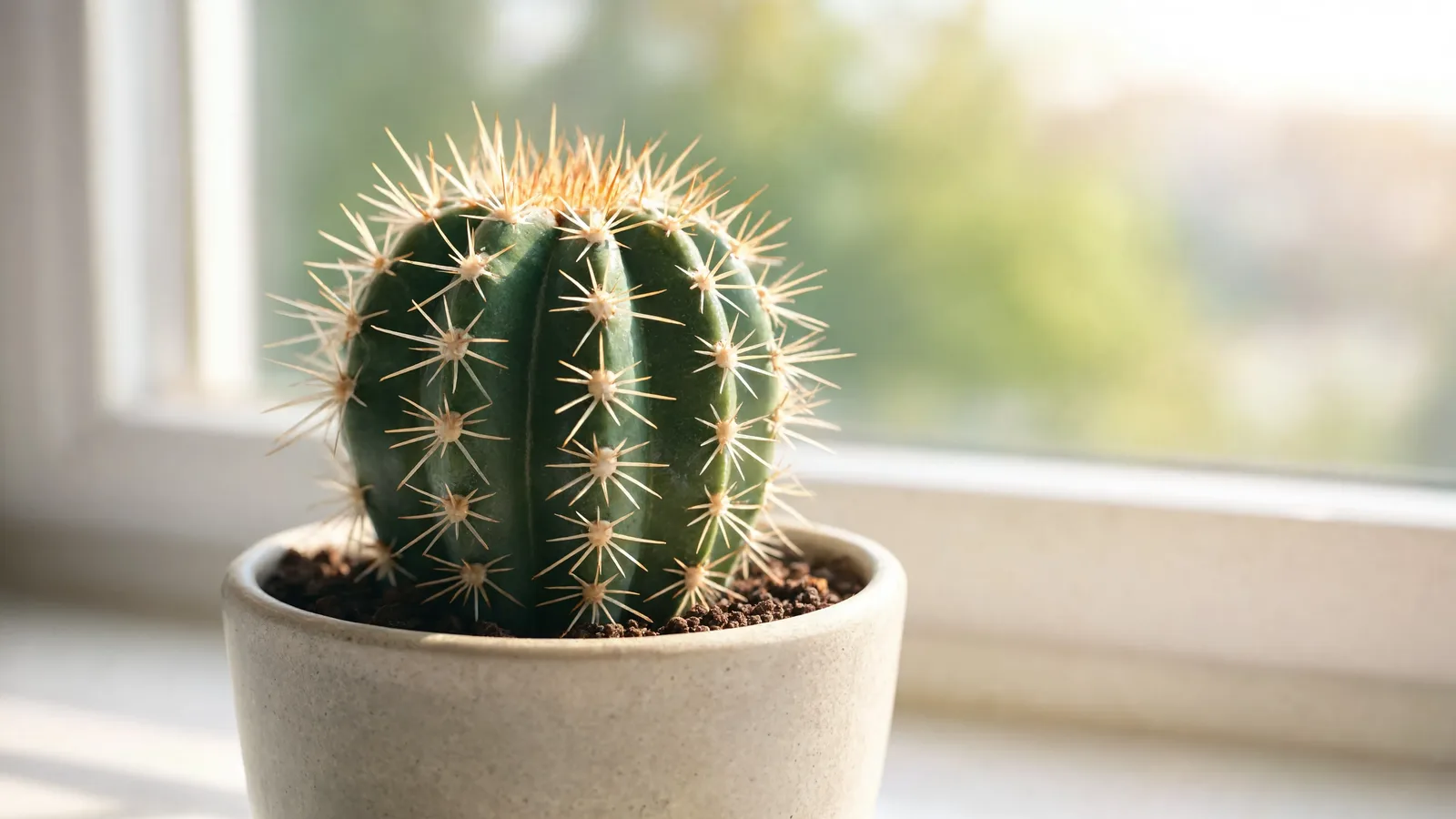
Cactus
Cactaceae
Cacti are among the most drought-tolerant houseplants, needing intense light, sharp drainage, and a genuinely dry rest period — nearly every cactus problem traces back to too much water or too little light.
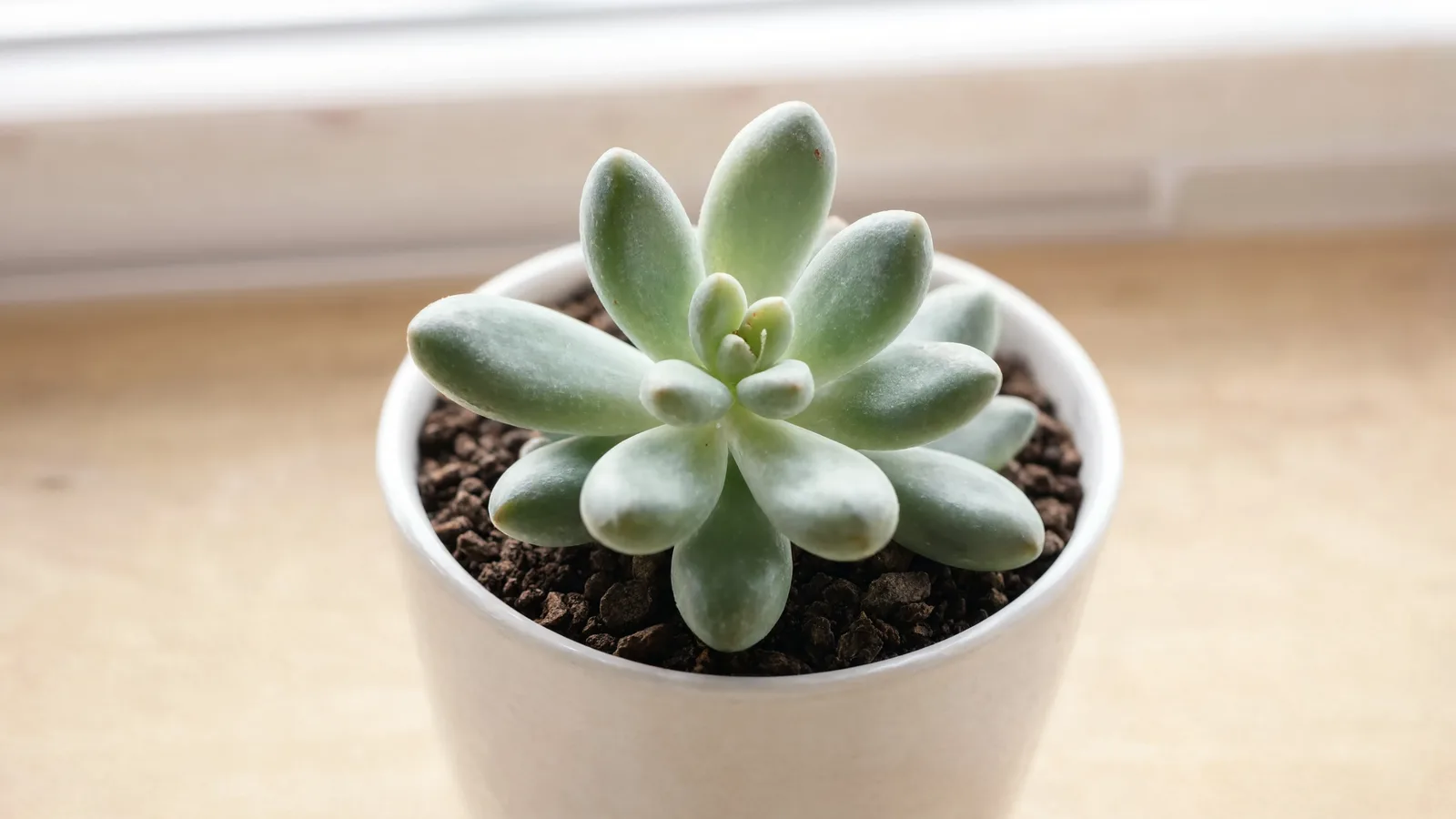
Succulent
Various (Crassulaceae, Aizoaceae, and others)
Succulents store water in thick, fleshy leaves and need bright light and infrequent, thorough watering to keep their compact form — most problems come from too little light (stretching) or too much water (rot).
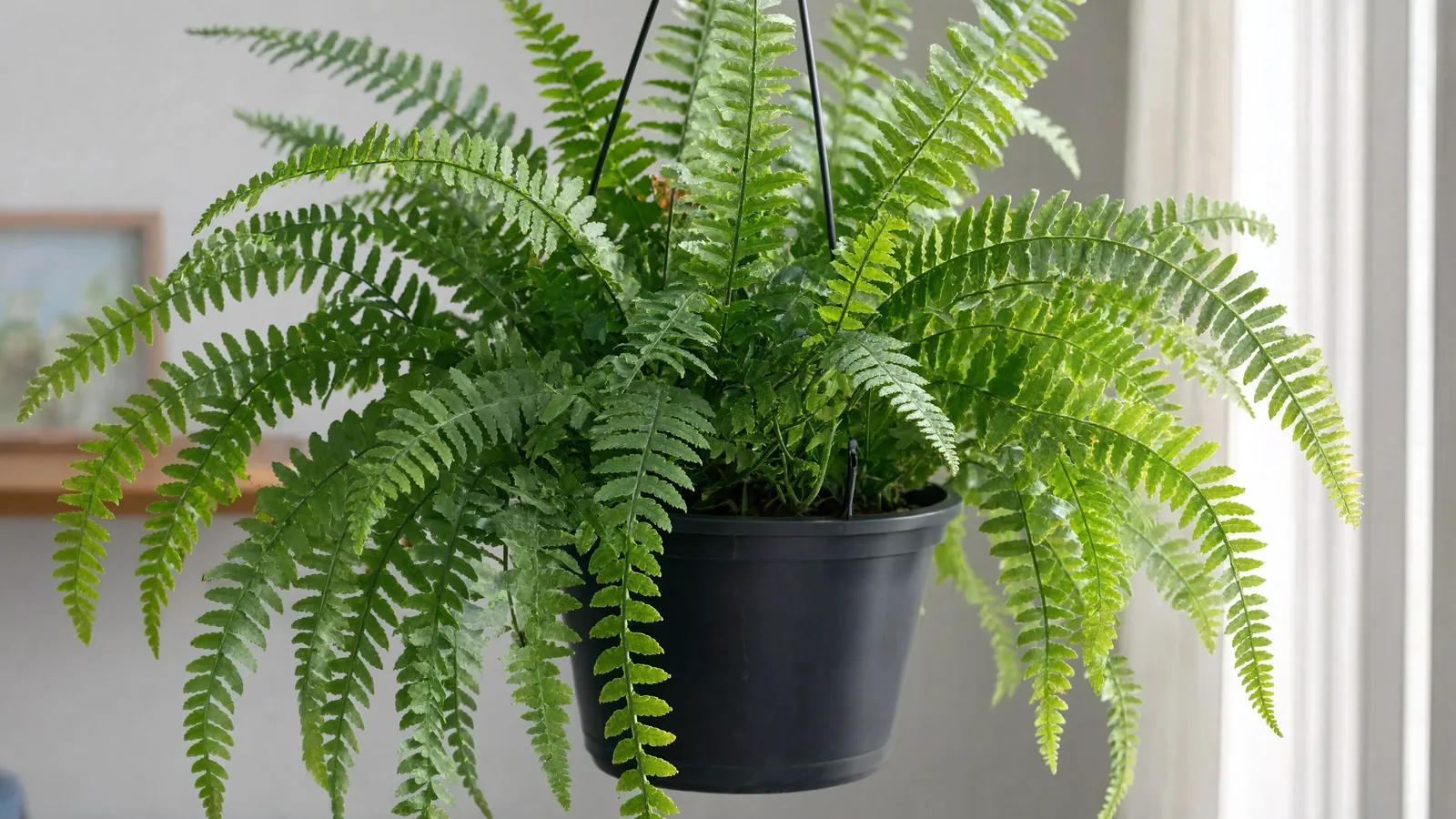
Fern
Various (Polypodiopsida)
Ferns want consistently moist soil, high humidity, and indirect light — they're famously unforgiving of dry air and dry soil, with crispy brown fronds being the single most common complaint.
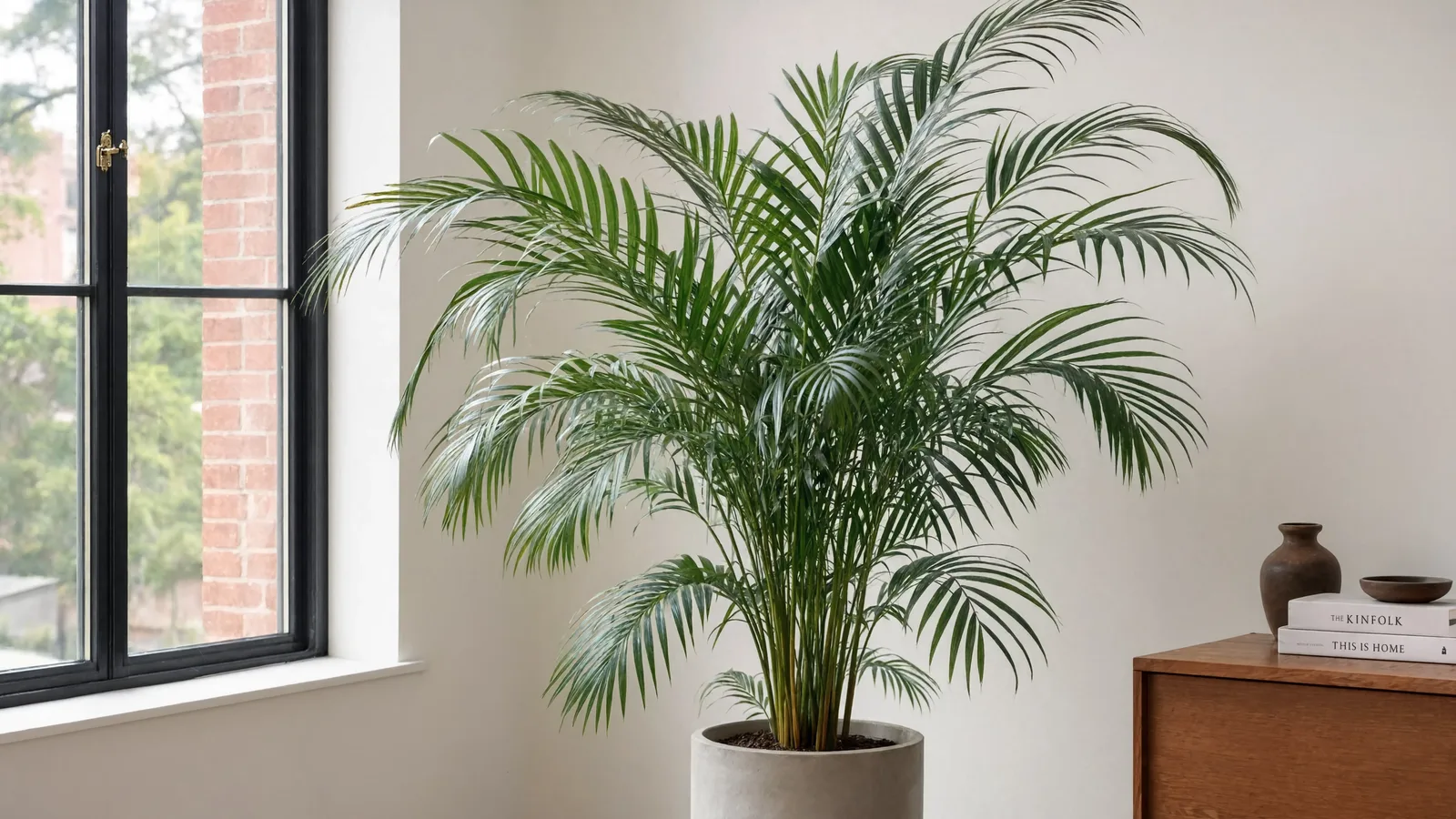
Palm
Various (Arecaceae)
Palms are slow, steady growers that want bright indirect light, consistent moisture, and protection from cold drafts — brown frond tips and spider mites are the two most common indoor palm complaints.
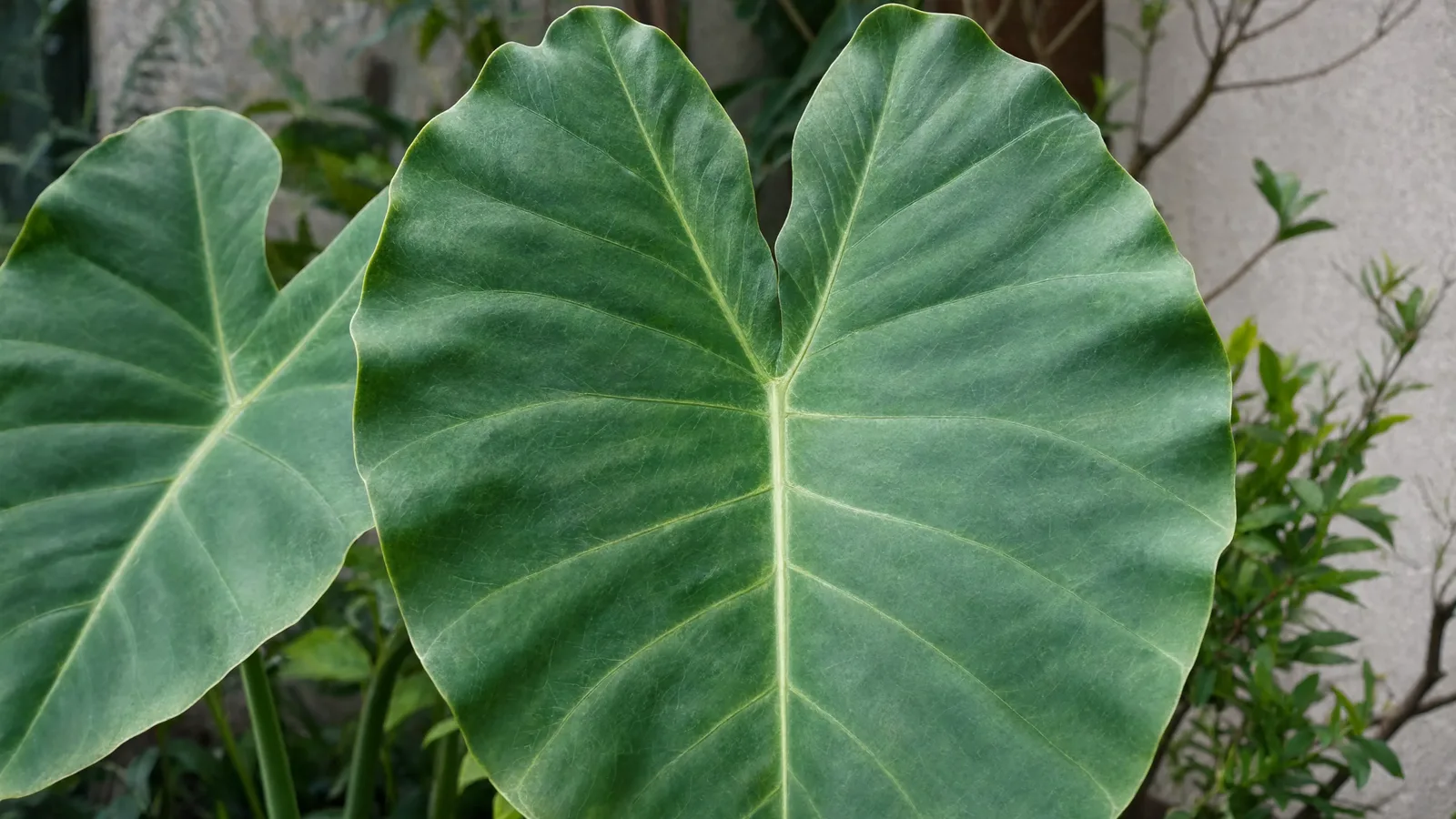
Colocasia (Taro / Elephant Ear)
Colocasia esculenta
Colocasia is a bold, fast-growing tropical prized for its huge heart-shaped leaves, thriving with heat, humidity, and consistently moist (even boggy) soil — closely related to Alocasia but far more tolerant of wet feet.
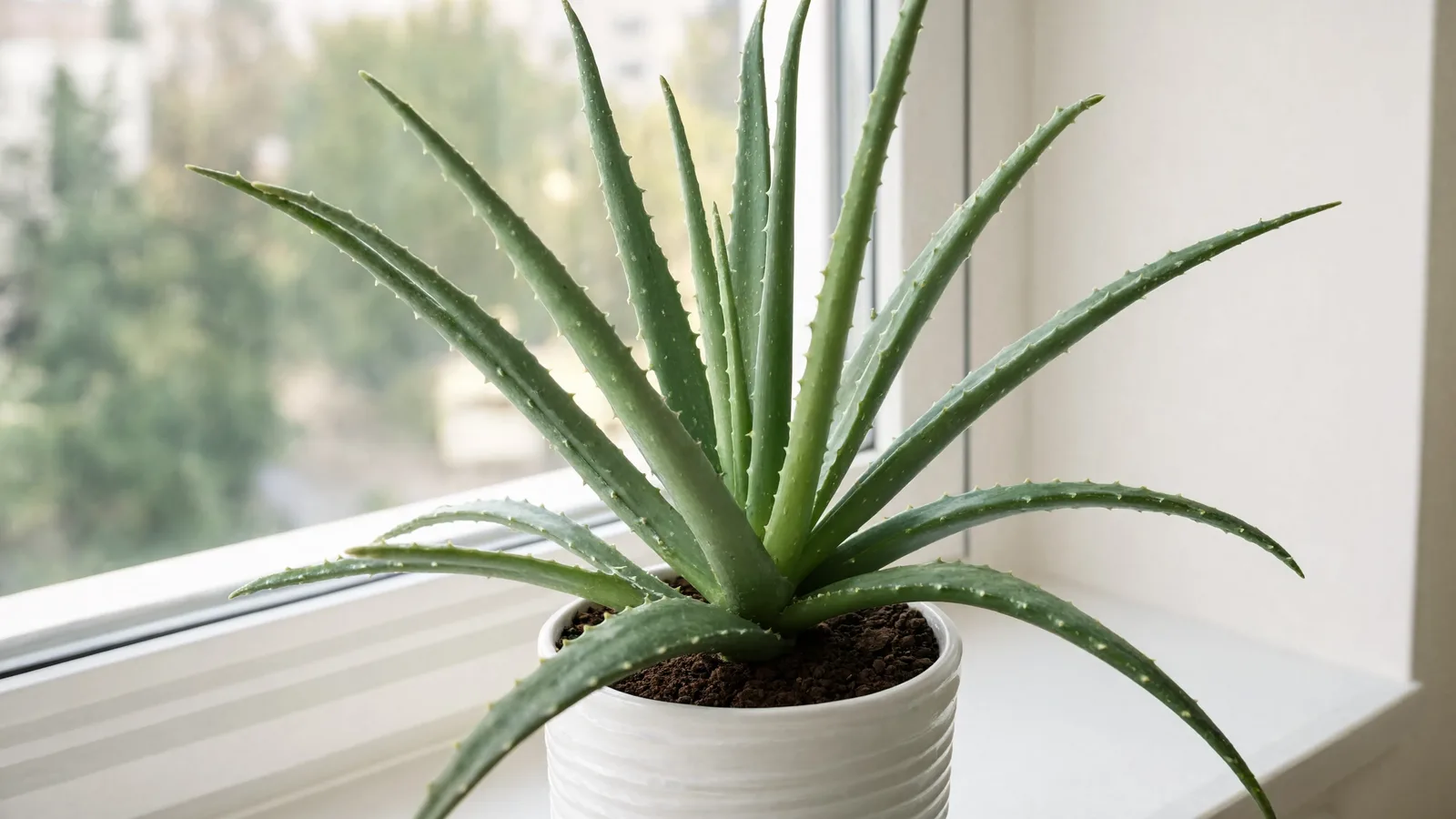
Aloe Vera
Aloe vera / Aloe barbadensis miller
Aloe Vera is a hardy succulent prized for its soothing gel-filled leaves, thriving on bright light and infrequent watering — most problems come from overwatering, since it stores water and dislikes constantly wet soil.
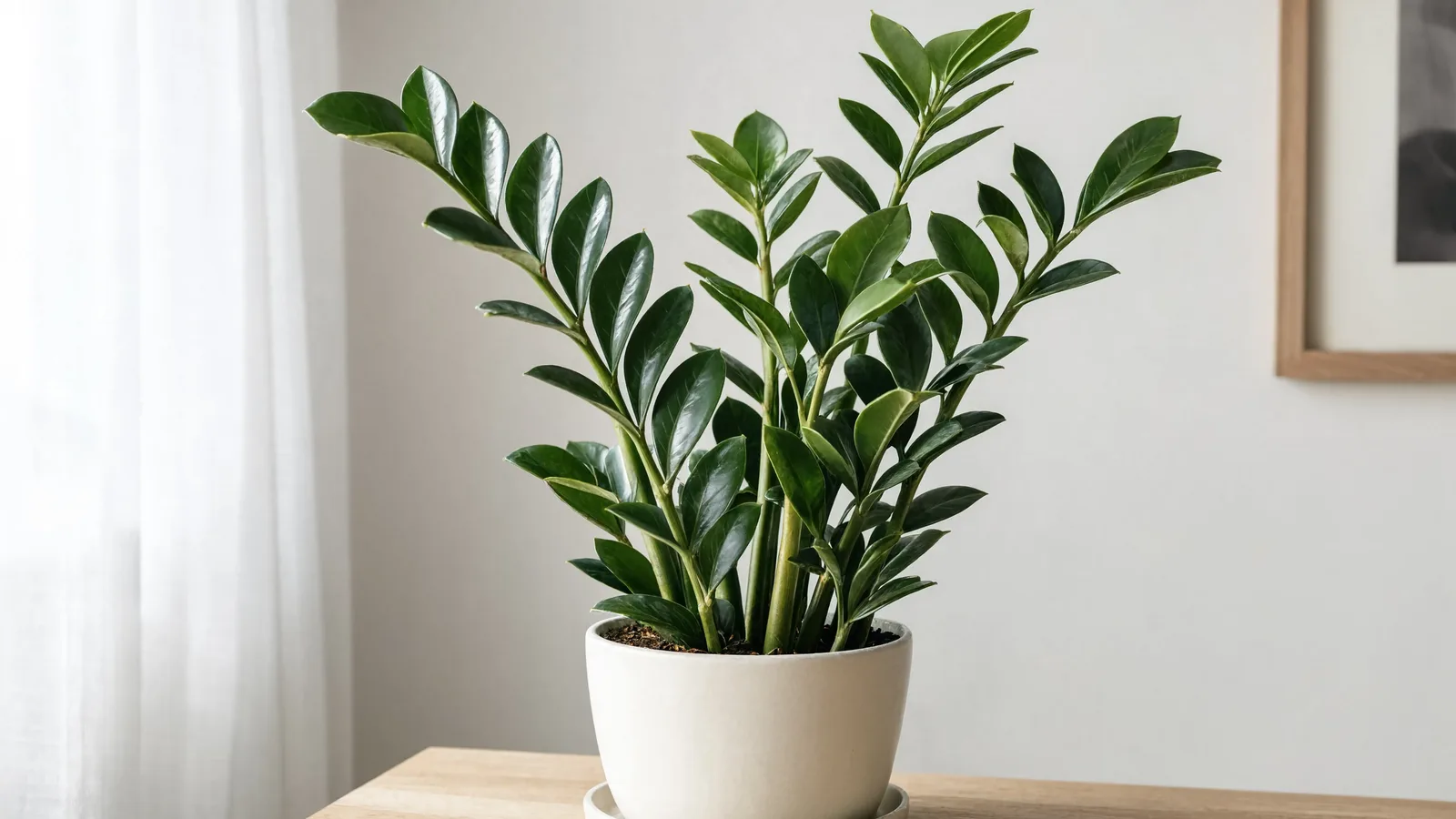
ZZ Plant
Zamioculcas zamiifolia
The ZZ Plant is nearly indestructible, tolerating low light and long dry spells thanks to its water-storing rhizomes — its main vulnerability is overwatering, which quickly leads to rhizome and root rot.
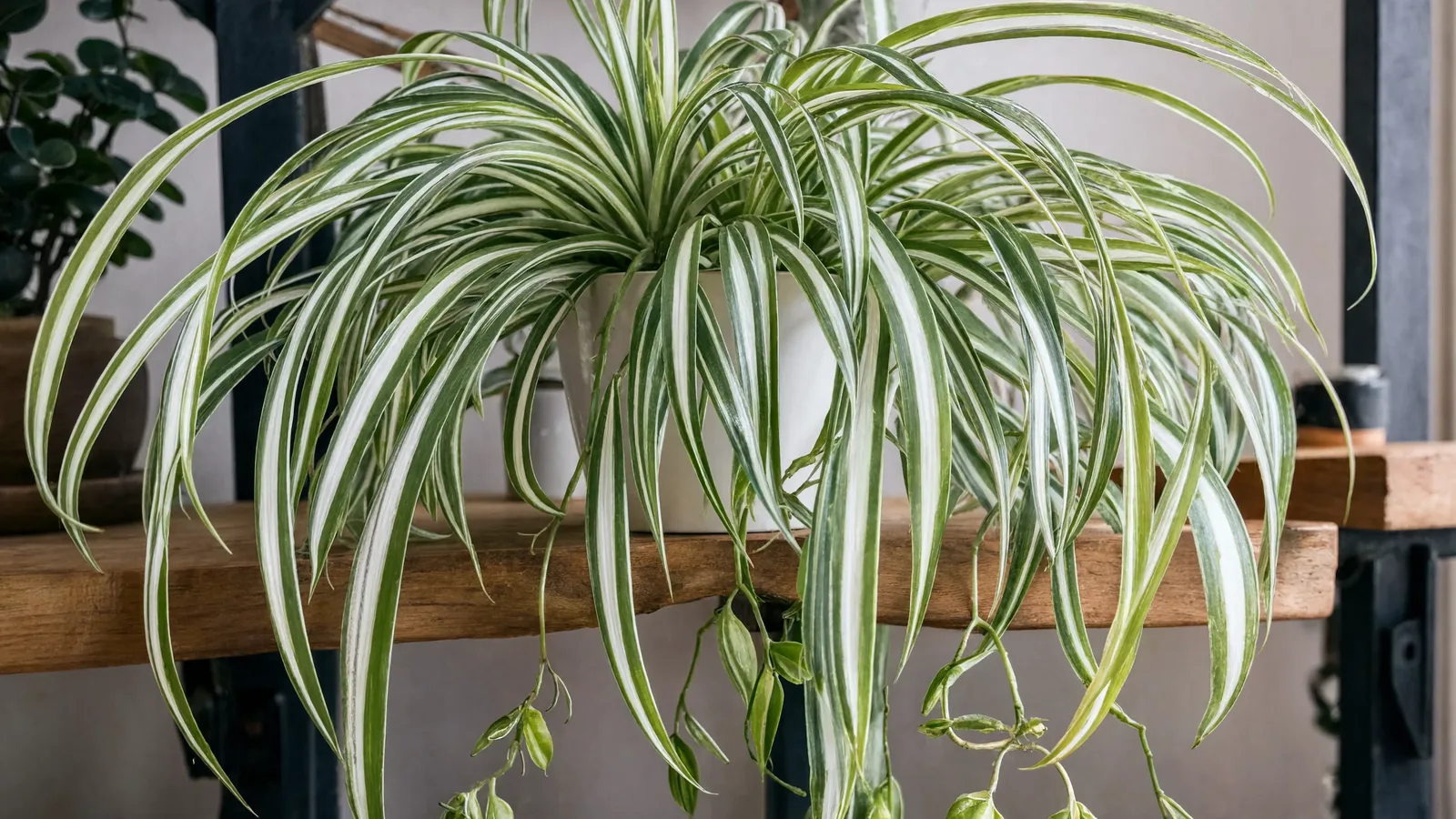
Spider Plant
Chlorophytum comosum
Spider Plant is a fast-growing, forgiving houseplant known for its arching striped leaves and cascading baby plantlets — its most common complaint is brown leaf tips, usually from tap water minerals or dry air.
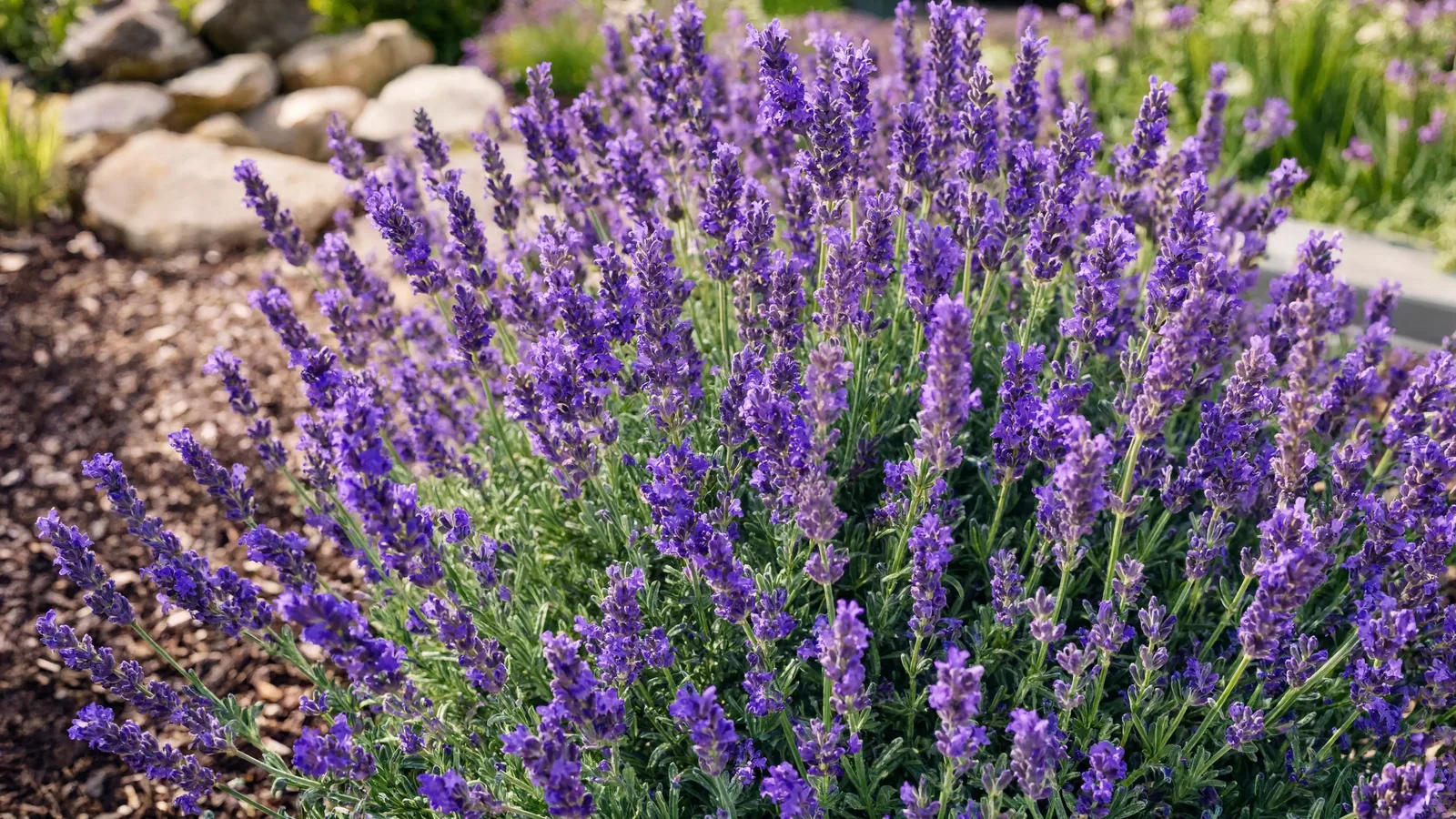
Lavender
Lavandula angustifolia / L. x intermedia
Lavender is a sun-loving Mediterranean herb prized for its fragrant purple flowers, thriving in full sun and lean, sharply-draining soil — overwatering and humid, poorly-drained soil are its biggest threats.
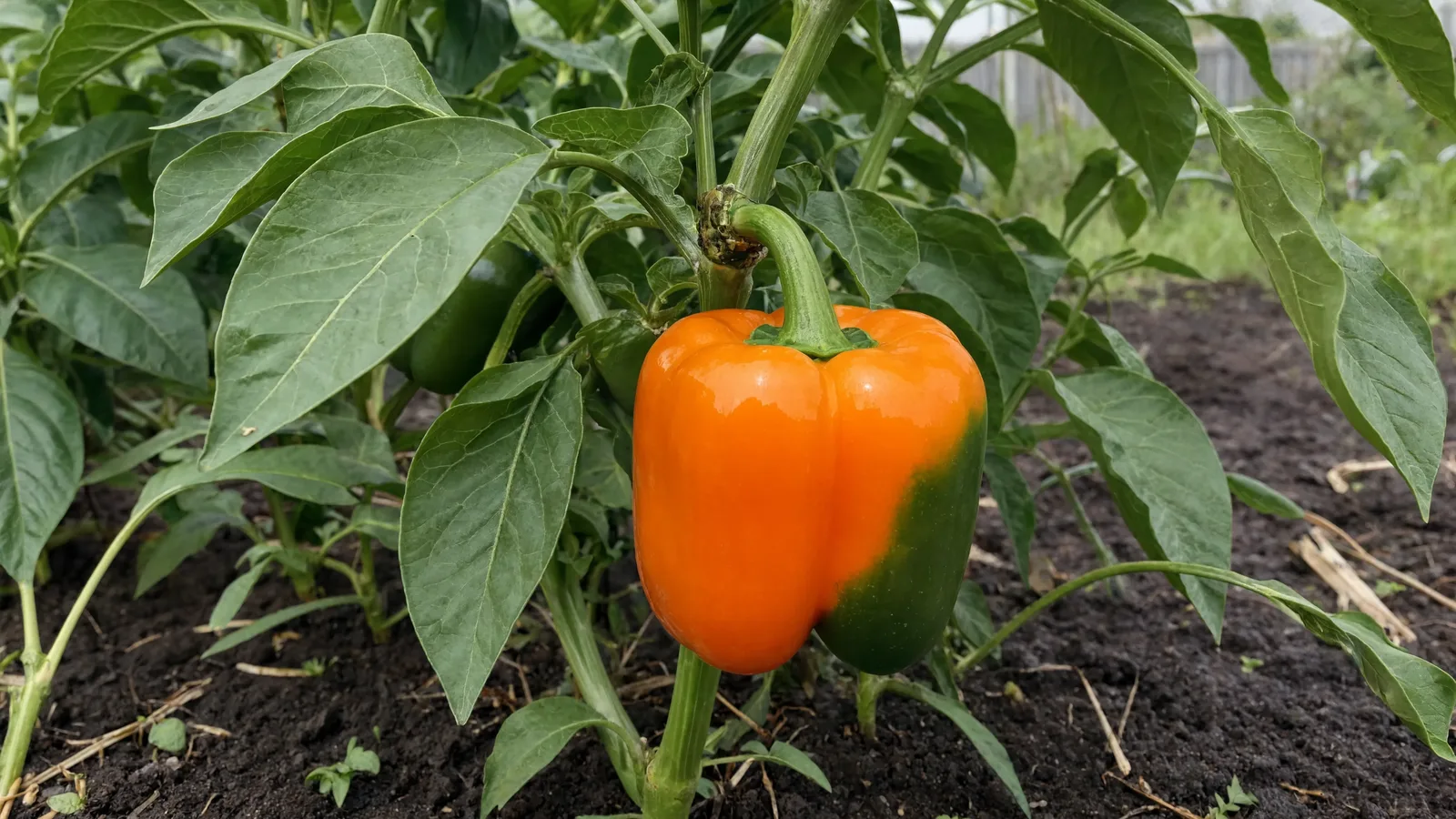
Bell Pepper
Capsicum annuum (Grossum Group)
Bell peppers are sweet, thick-walled Capsicum that need full sun, warmth, and steady feeding to set a good crop of fruit — blossom end rot and poor fruit set from temperature stress are the most common growing hurdles.
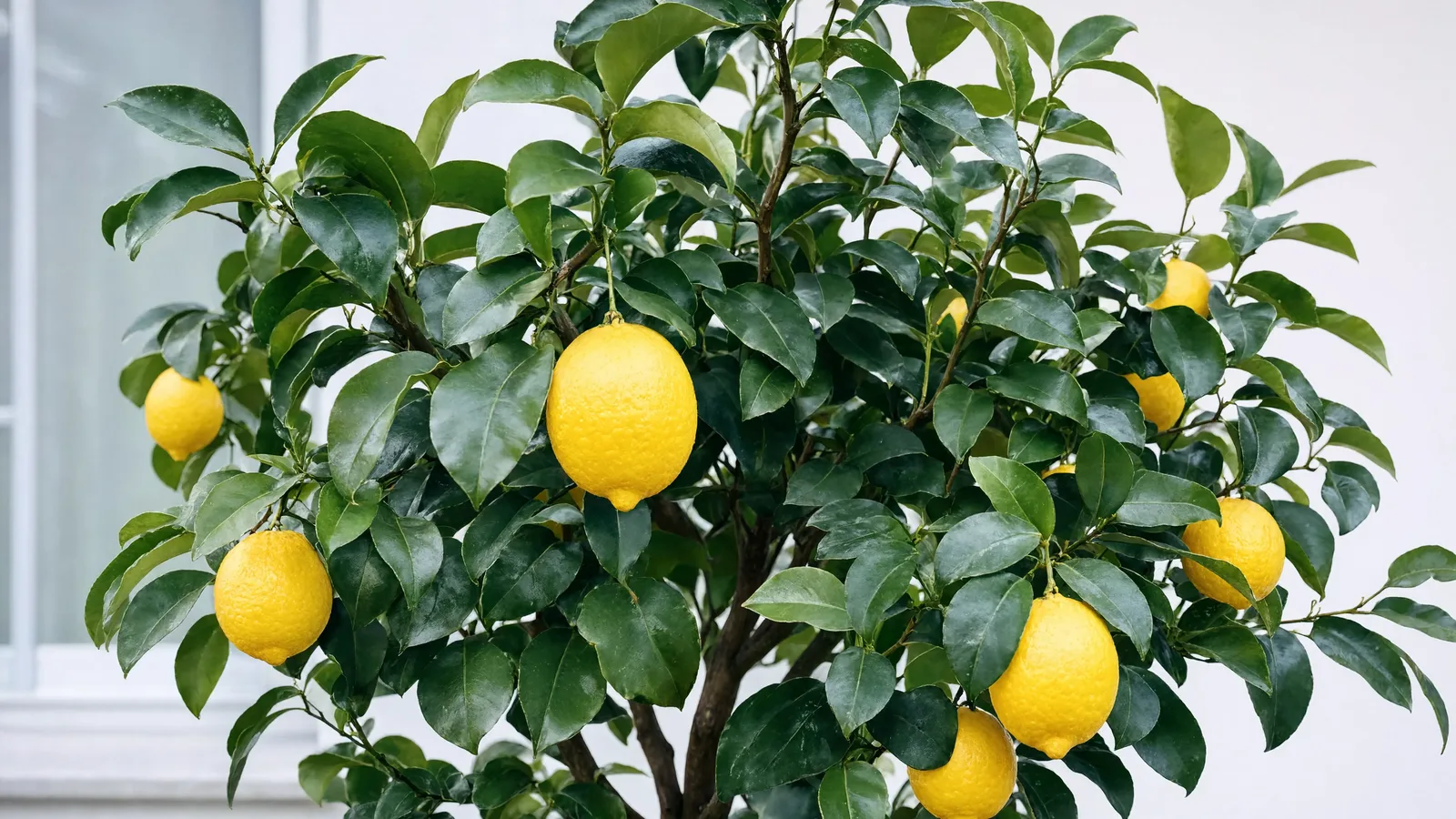
Lemon Tree
Citrus limon
Lemon trees are productive citrus that thrive in full sun with regular feeding, but are sensitive to cold, prone to leaf drop from stress, and a magnet for scale, spider mites, and citrus leaf miner.
⚖️ Plant Comparisons
Not sure which plant to choose? These side-by-side guides compare care requirements, difficulty, and what each plant is best for.
Monstera vs Philodendron
Monstera vs Philodendron: side-by-side comparison of light, water, growth rate, and difficulty. Find out which plant suits your home best.
Compare →
Pothos vs Philodendron
Pothos and Philodendron look almost identical but have key differences in leaf texture, growth, and care. Learn which one is right for you.
Compare →
Peace Lily vs Anthurium
Anthurium has a flat, waxy, heart-shaped red or pink bloom and heart-shaped leaves; peace lily has a white hood around its spike and long, lance-shaped leaves. Every difference side by side, plus care.
Compare →
Calathea vs Alocasia
Calathea has painted, patterned leaves that fold up at night; Alocasia has big arrow-shaped leaves with bold veins and grows from a corm. Looks, care and difficulty compared side by side.
Compare →
Snake Plant vs Peace Lily
Snake Plant vs Peace Lily: two popular low-light houseplants compared. Which is easier, better for beginners, and right for your home?
Compare →
Basil vs Mint
Basil leaves are smooth, glossy and sweet-smelling; mint leaves are wrinkled, saw-toothed and smell cool and minty. Leaves, smell, taste, light and growth compared side by side.
Compare →
Tomato vs Chili Pepper
Tomato plants have hairy, deeply lobed, strong-smelling leaves and sprawl; chili plants have smooth, oval leaves and grow as a compact bush. Looks, yield and container care compared.
Compare →
Rosemary vs Mint
Rosemary has woody stems and narrow, needle-like leaves; mint has soft square stems and broad, wrinkled, toothed leaves. Opposite care too: rosemary wants dry sun, mint wants moist shade.
Compare →
Alocasia vs Colocasia
Alocasia vs Colocasia: leaf direction, tuber type, light, water and dormancy compared side by side. The one test that tells them apart instantly.
Compare →
ZZ Plant vs Snake Plant
ZZ Plant vs Snake Plant compared on light, watering, growth rate, pet safety and true low-light tolerance. Which one survives neglect best?
Compare →
Cactus vs Succulent
Every cactus is a succulent, but not every succulent is a cactus. Areoles, spines, light, watering and winter care compared side by side.
Compare →
Anthurium vs Philodendron
Anthurium leaves have a bendy "knee" where they meet the stem and the plant flowers indoors; philodendron leaves have no knee and it rarely flowers in a home. How to tell them apart, plus care side by side.
Compare →
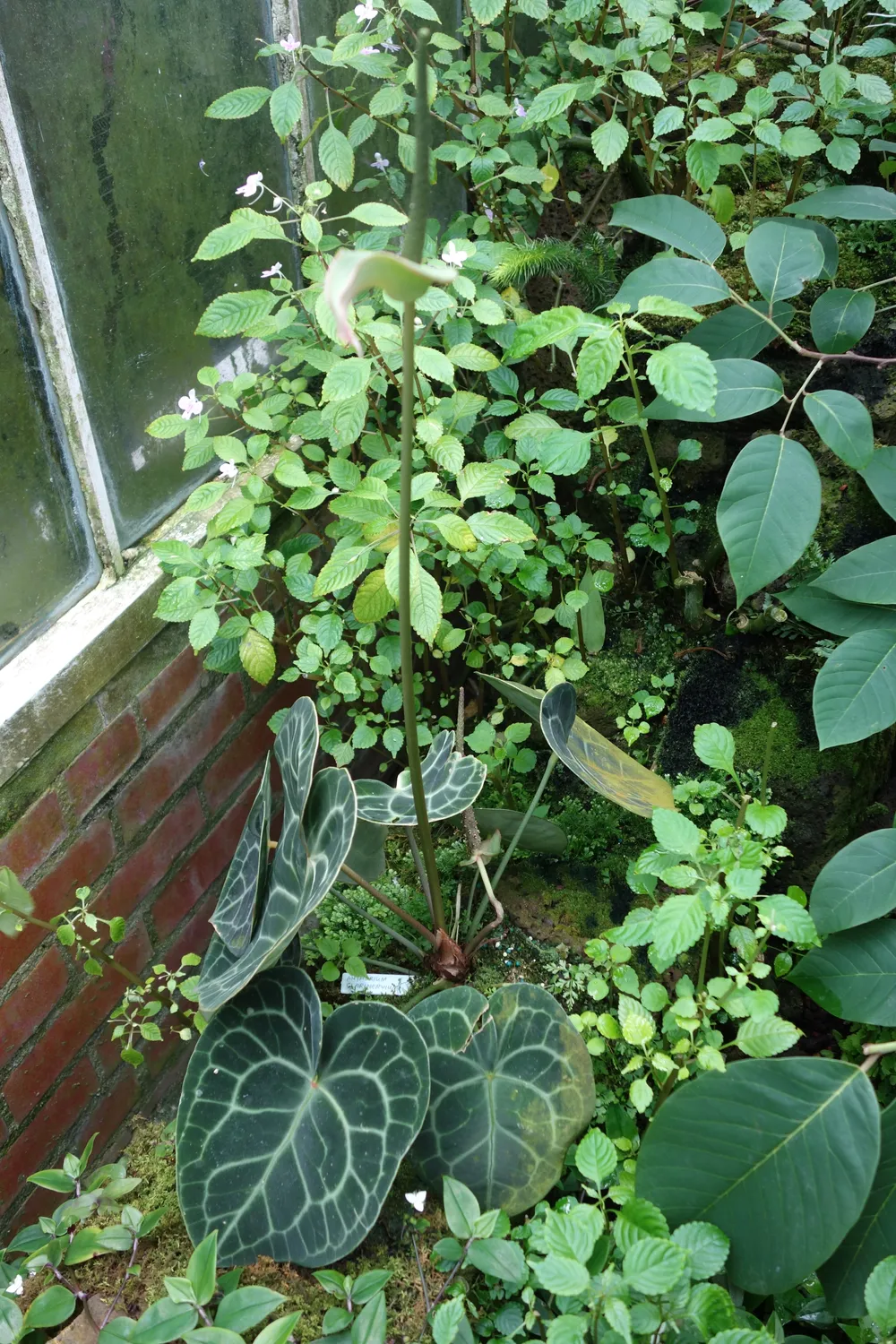
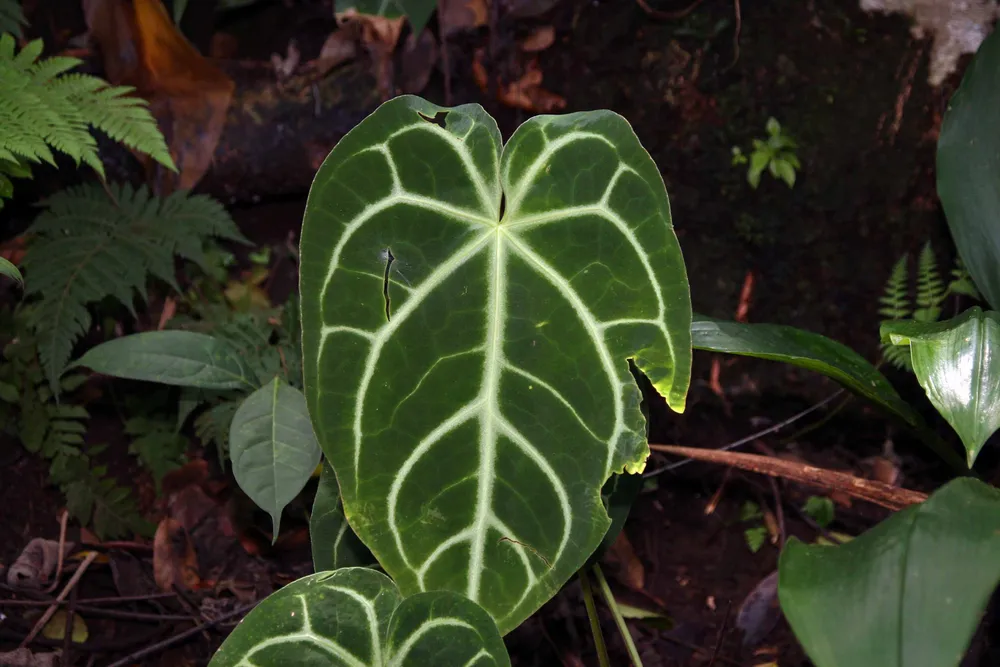
Anthurium Clarinervium vs Crystallinum
Anthurium Clarinervium vs Crystallinum: leaf thickness, venation, humidity needs and difficulty compared. Which velvet Anthurium should you buy first?
Compare →
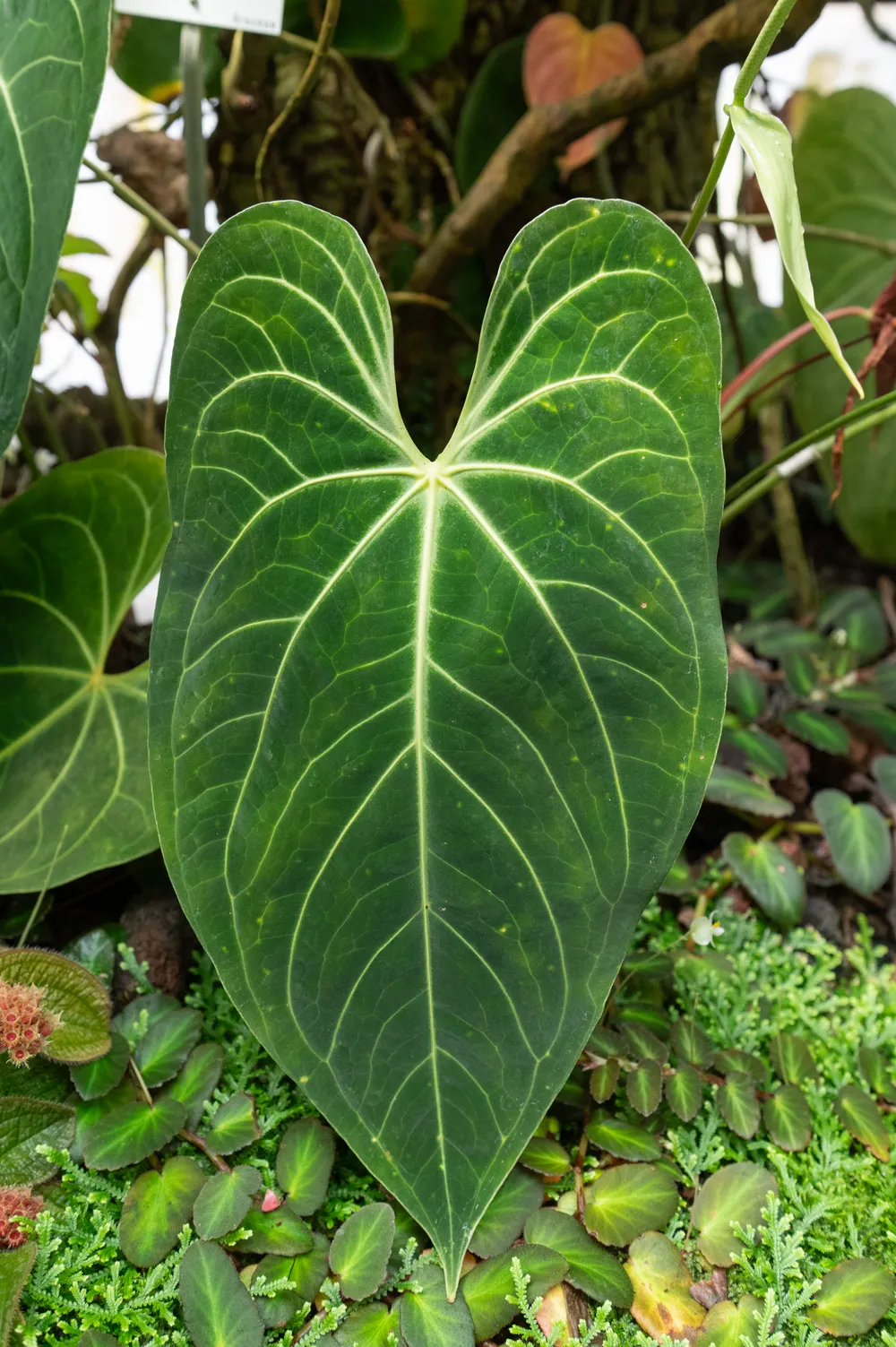
Anthurium Clarinervium vs Magnificum
Anthurium Clarinervium vs Magnificum: the square petiole test, leaf size, venation and care compared. Stop buying the wrong one.
Compare →
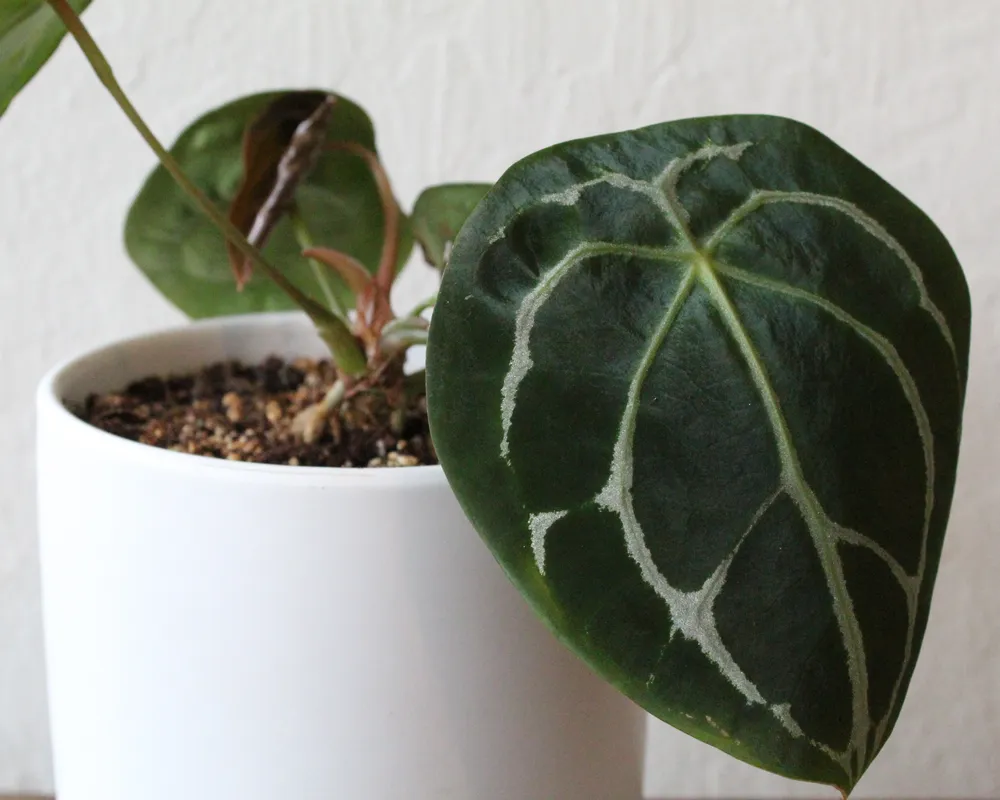
Anthurium Forgetii vs Clarinervium
Anthurium Forgetii vs Clarinervium: the missing leaf lobes, shape, humidity and difficulty compared side by side for collectors.
Compare →
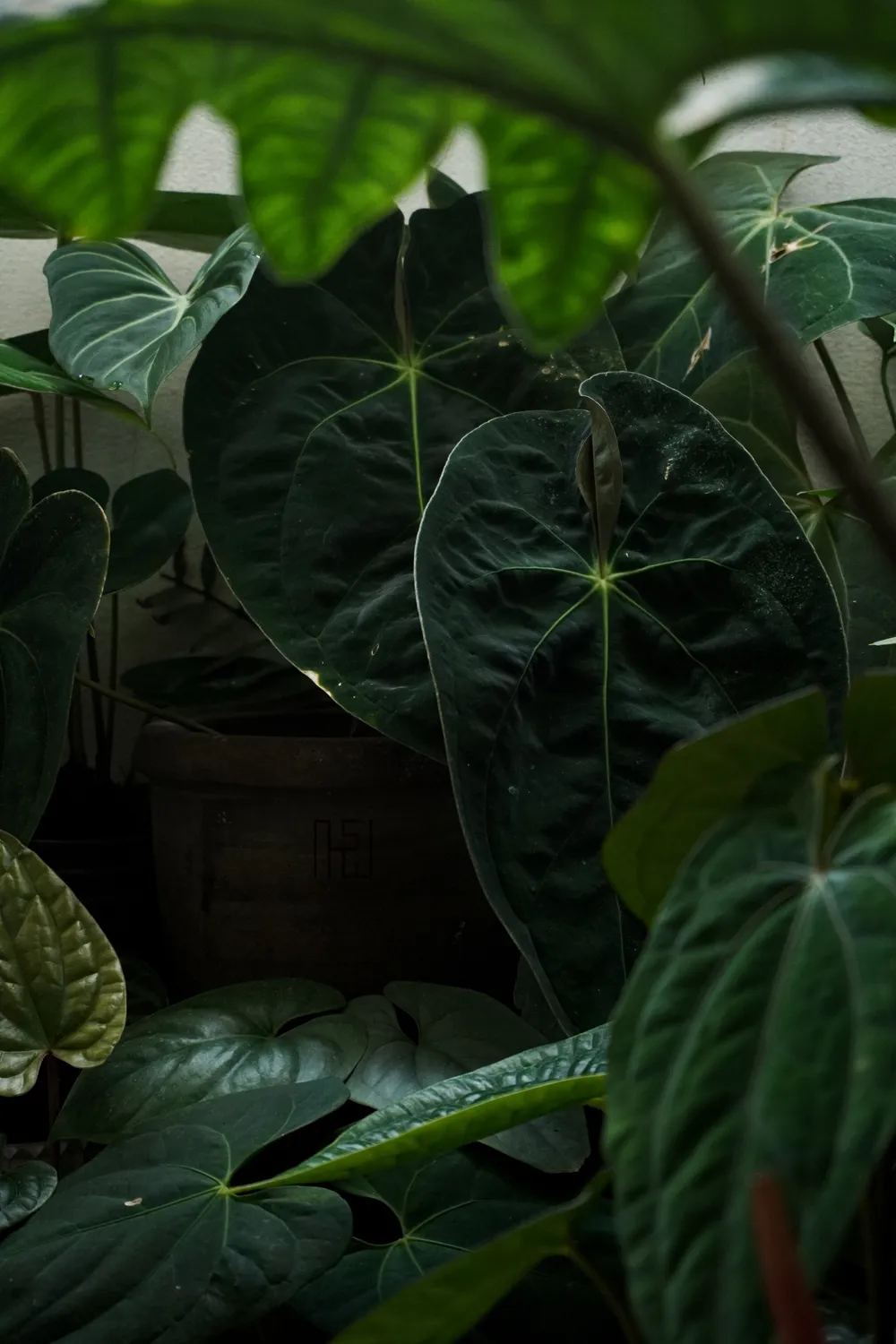
Anthurium Papillilaminum vs Crystallinum
Anthurium Papillilaminum vs Crystallinum: leaf colour, texture, humidity, hybrid risk and price compared for velvet Anthurium collectors.
Compare →
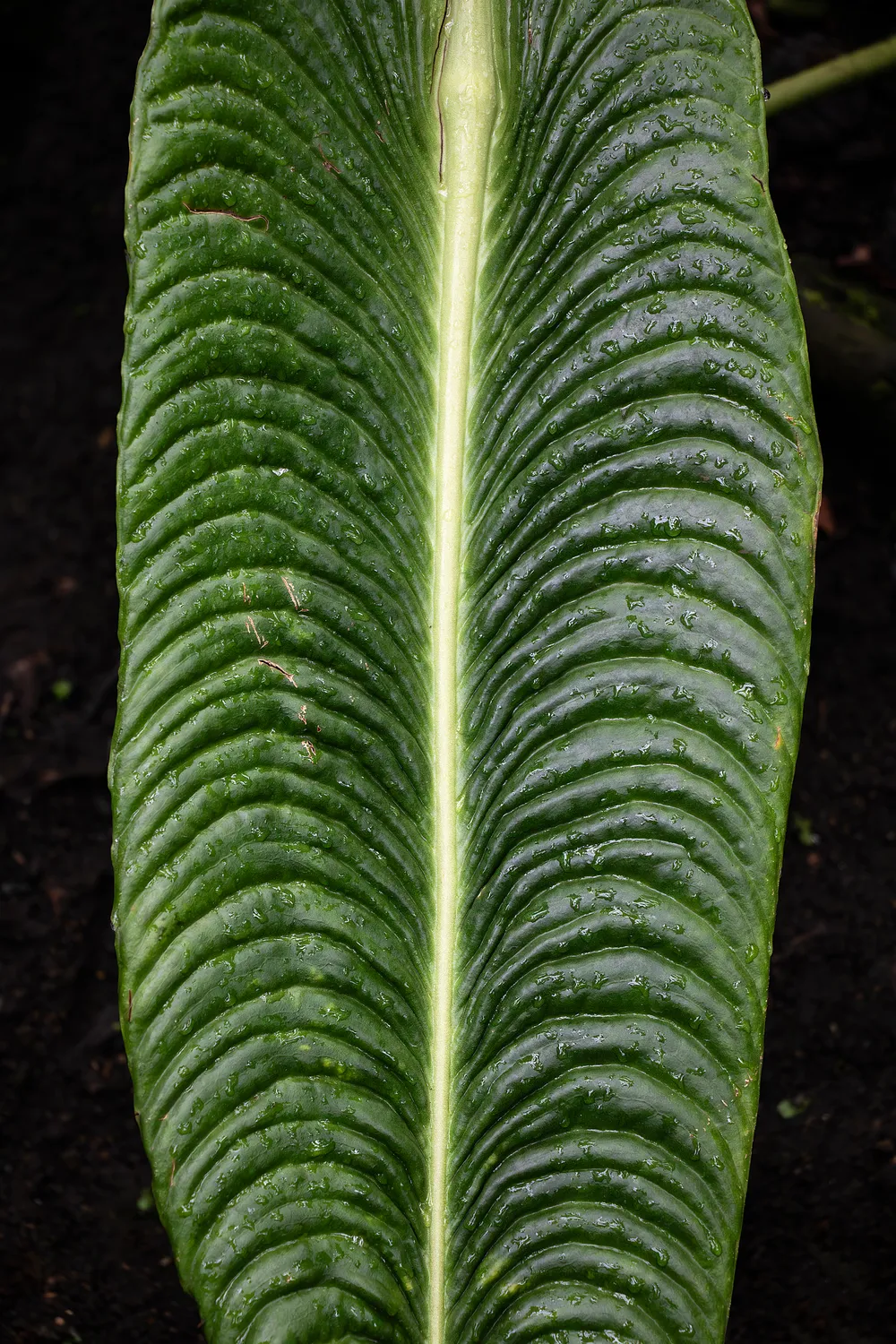
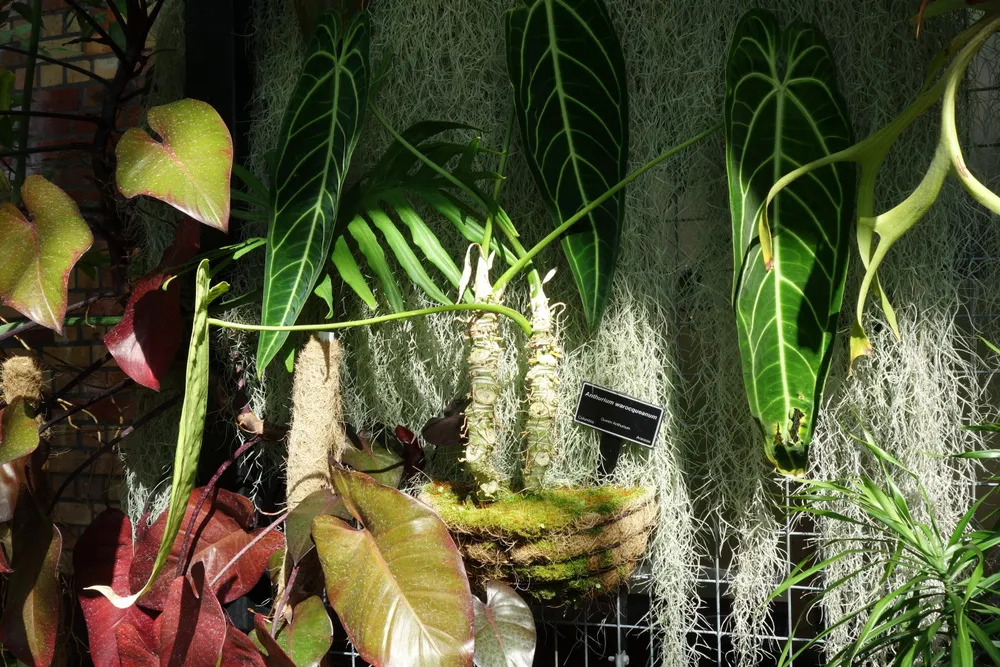
Anthurium Veitchii vs Warocqueanum
Anthurium Veitchii (King) vs Warocqueanum (Queen): leaf shape, size, humidity, difficulty and cost compared for serious collectors.
Compare →
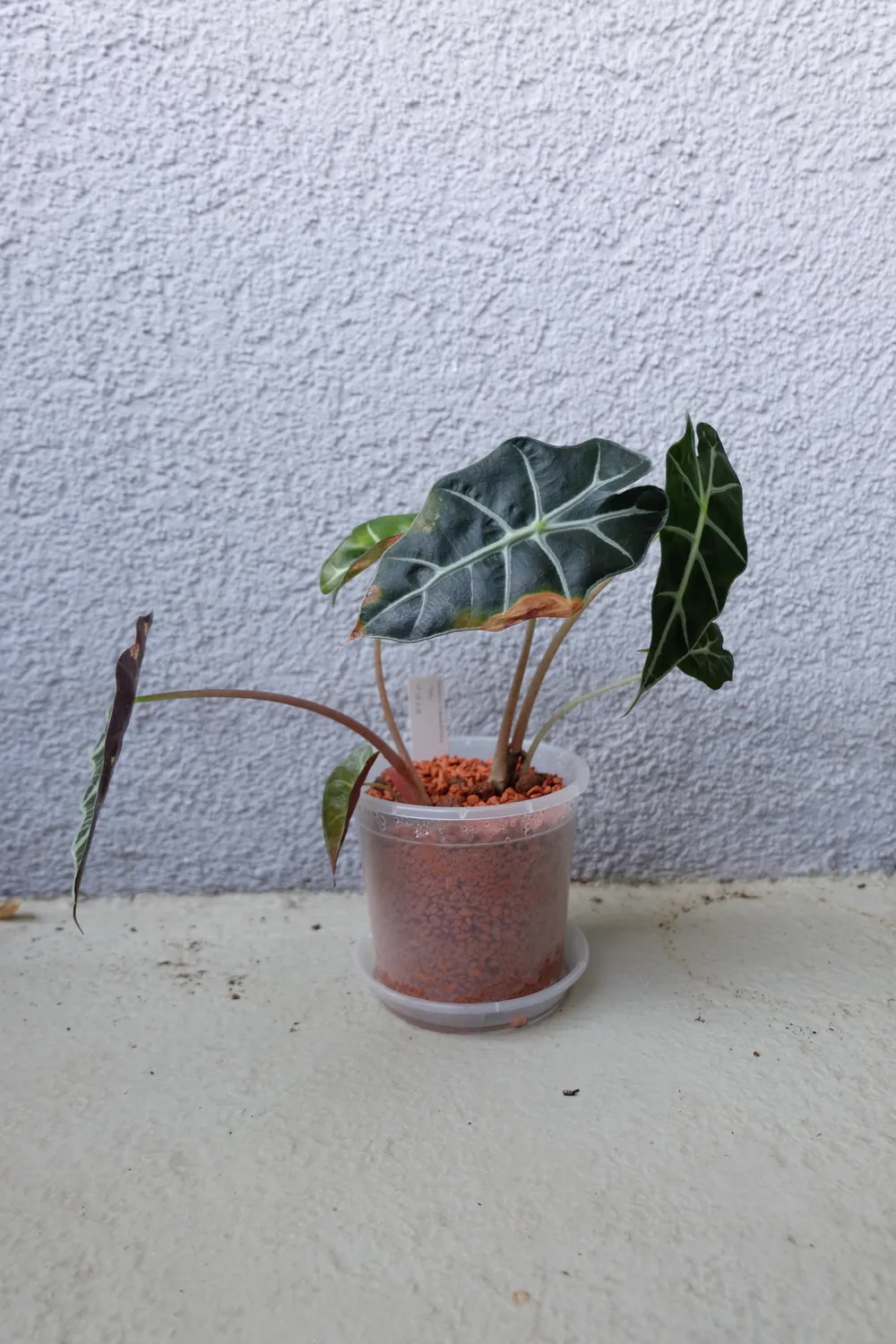
Alocasia Polly vs Amazonica
Alocasia Polly vs Amazonica: are they the same plant? Size, leaf shape, naming confusion and care compared side by side.
Compare →
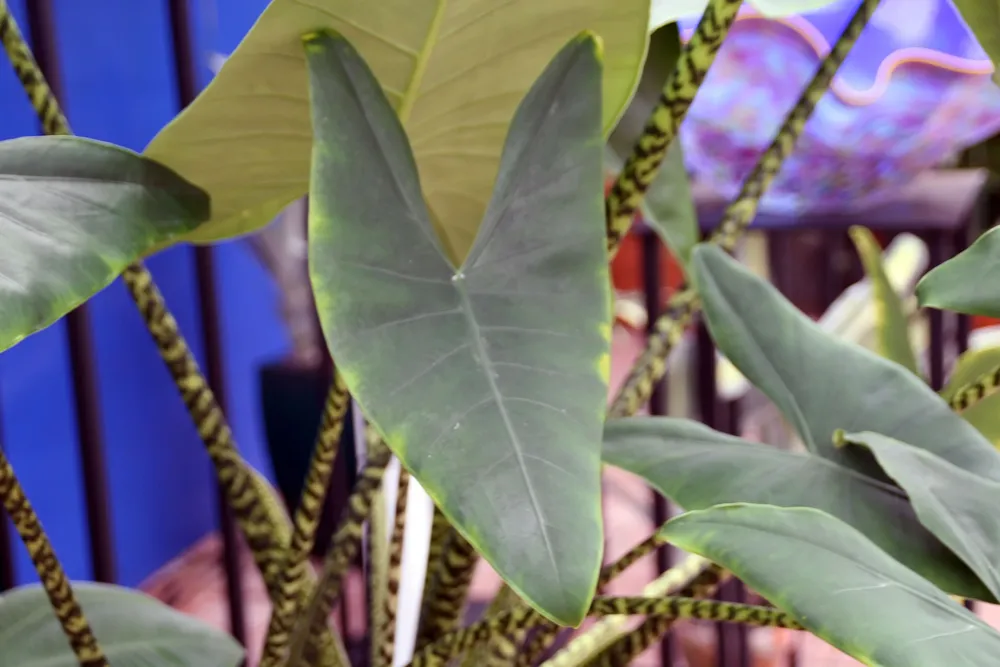
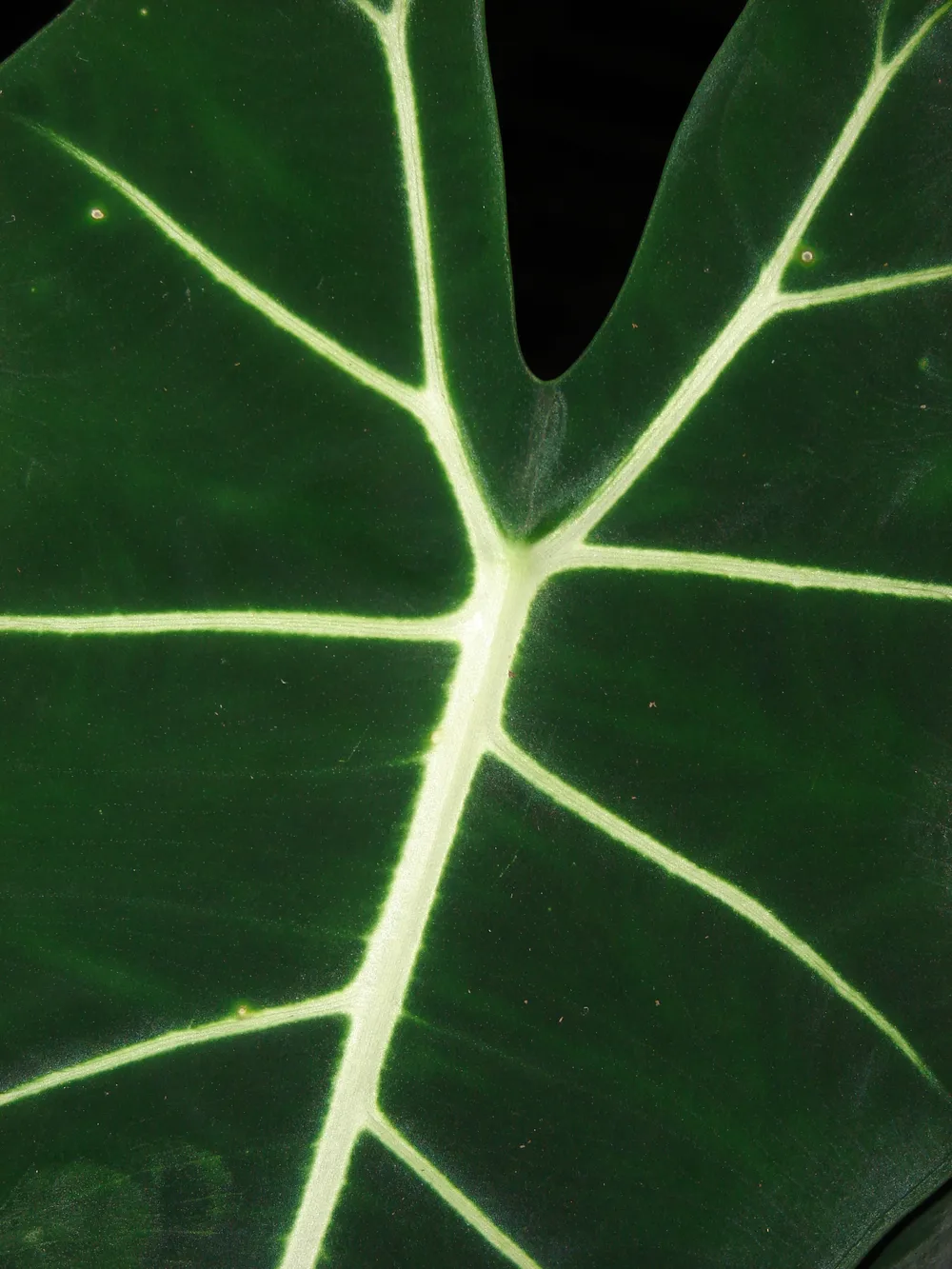
Alocasia Zebrina vs Frydek
Alocasia Zebrina vs Frydek compared on light, humidity, leaf texture, stem strength and pest risk. Which one suits your home?
Compare →
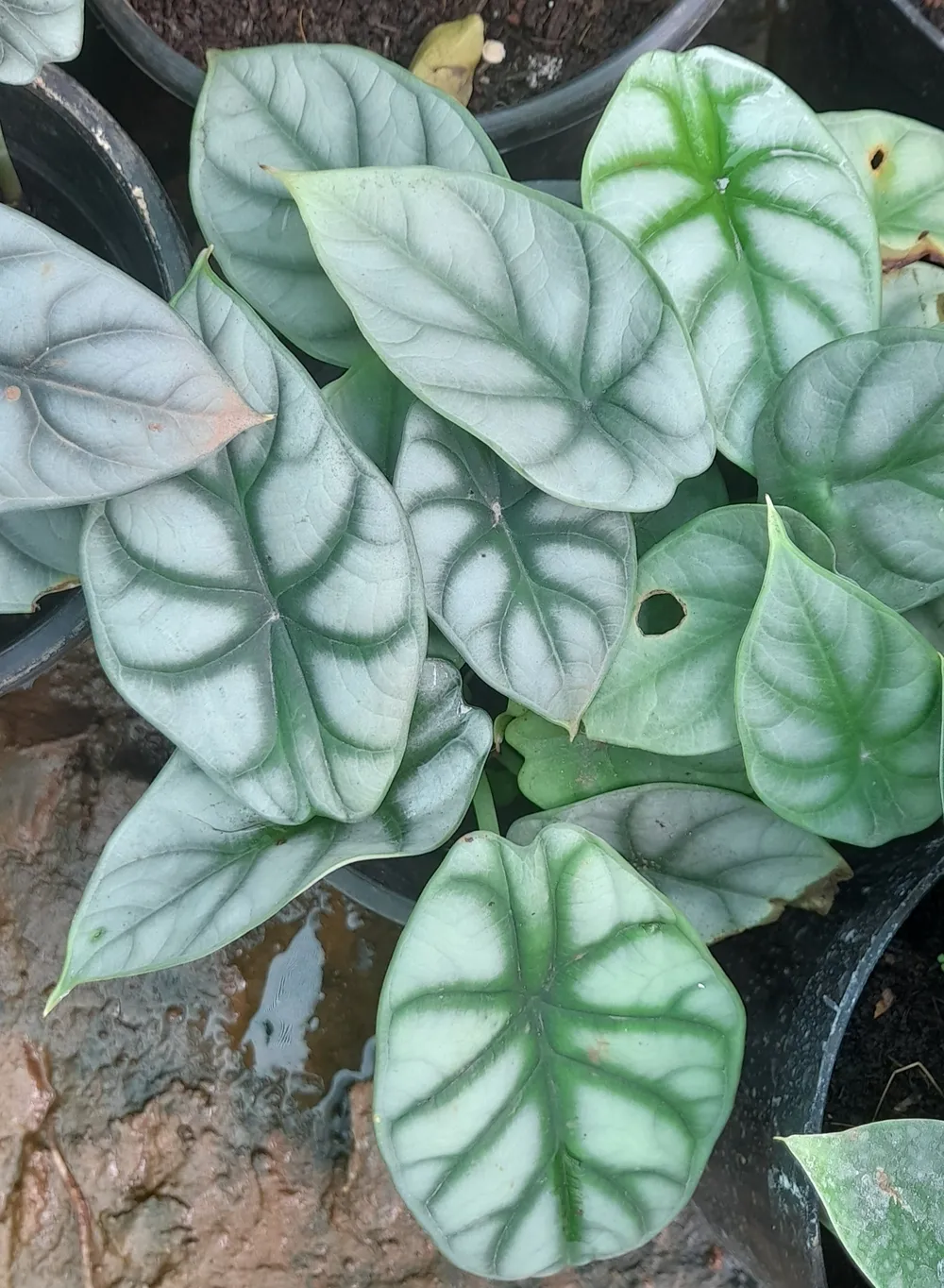
Alocasia Dragon Scale vs Silver Dragon
Dragon Scale has silvery-green leaves with dark green veins and a reptile-like texture; Silver Dragon is almost entirely silver and more rounded. Both Alocasia baginda, compared side by side.
Compare →
Alocasia Pink Dragon vs Zebrina
Alocasia Pink Dragon vs Zebrina: stem colour, leaf texture, stem strength, light needs and difficulty compared side by side.
Compare →
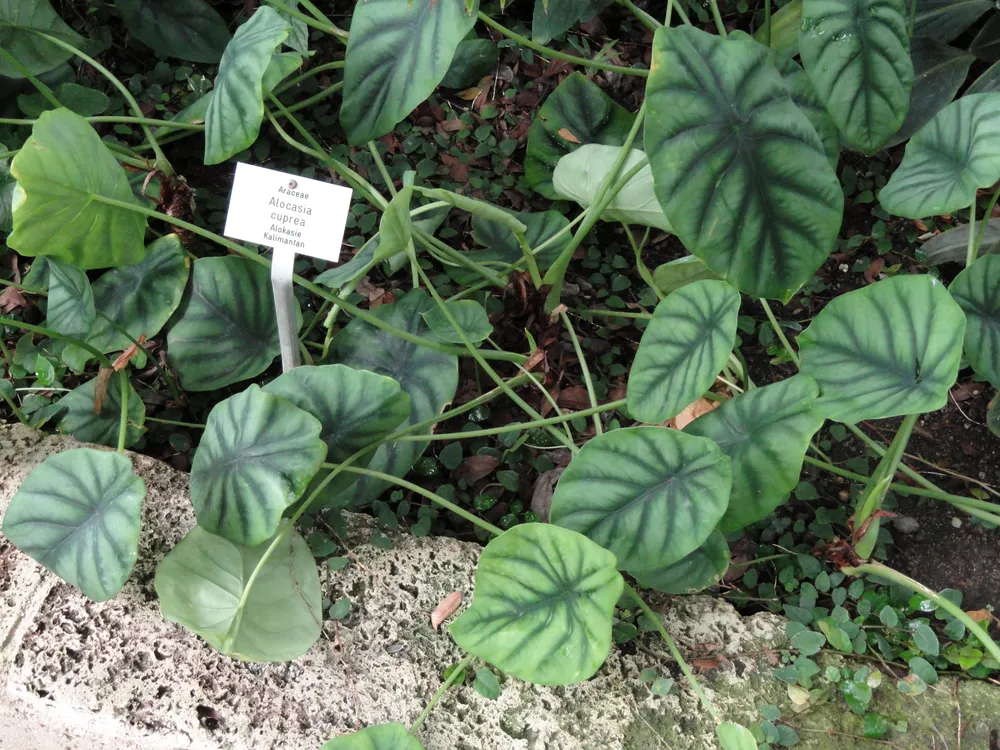
Alocasia Cuprea vs Dragon Scale
Alocasia Cuprea (Red Secret) vs Dragon Scale: leaf sheen, texture, size, humidity and difficulty compared for jewel Alocasia collectors.
Compare →
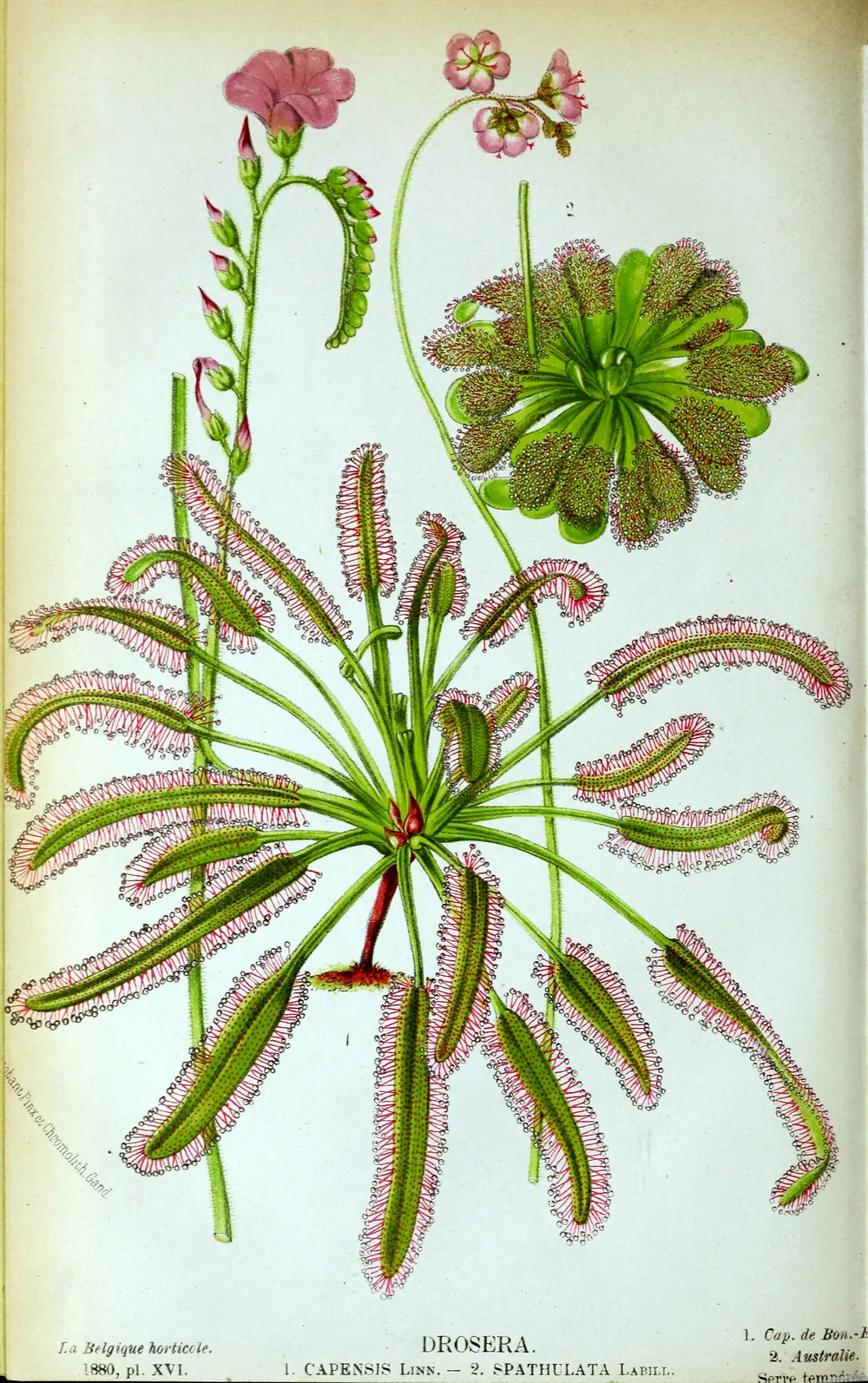
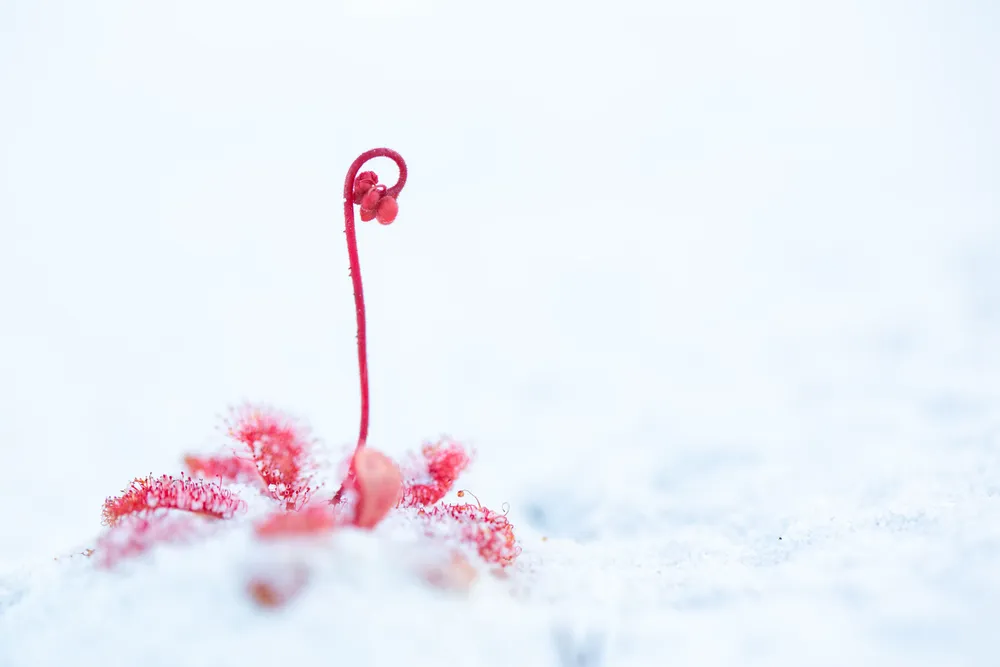
Drosera Capensis vs Spatulata
Drosera capensis vs spatulata: growth rate, size, watering, dormancy and difficulty compared. Which sundew should a beginner grow first?
Compare →
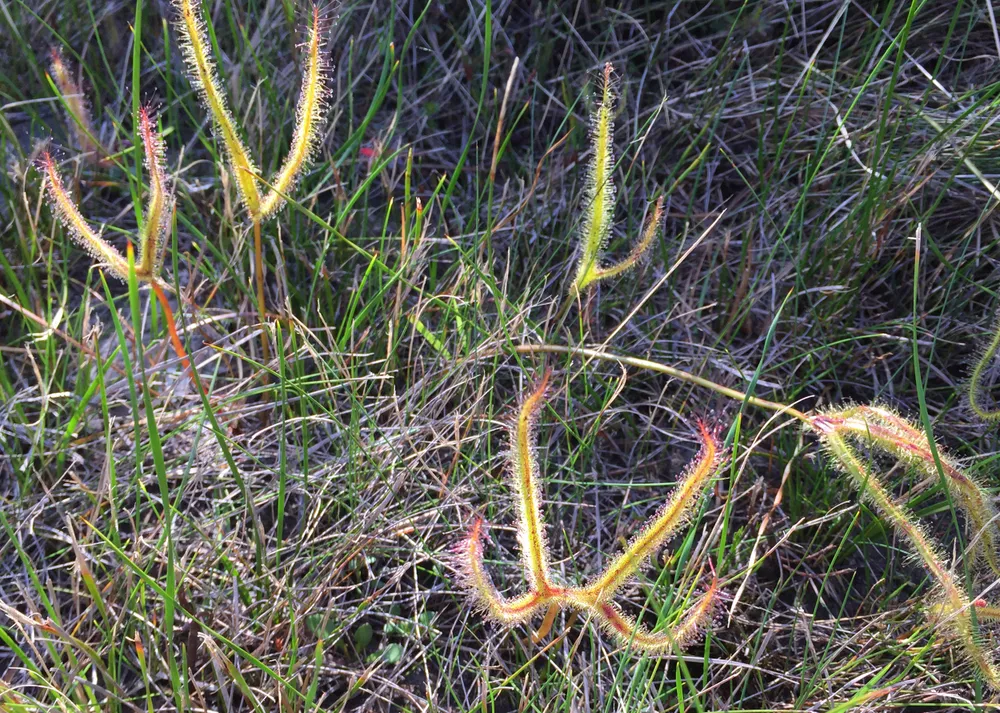
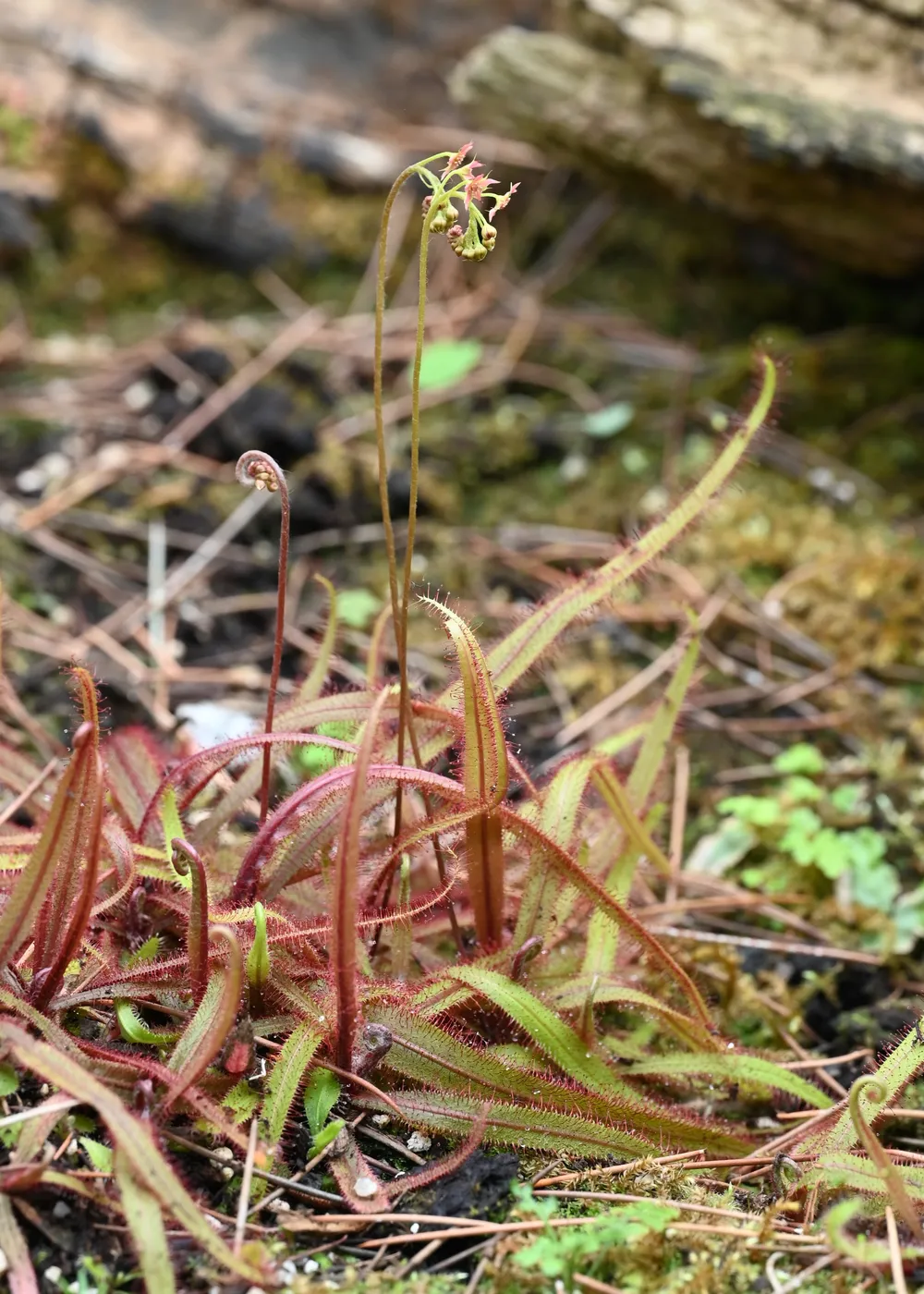
Drosera Binata vs Adelae
Drosera binata vs adelae: leaf shape, light needs, humidity and difficulty compared. Two very different-looking sundews explained.
Compare →
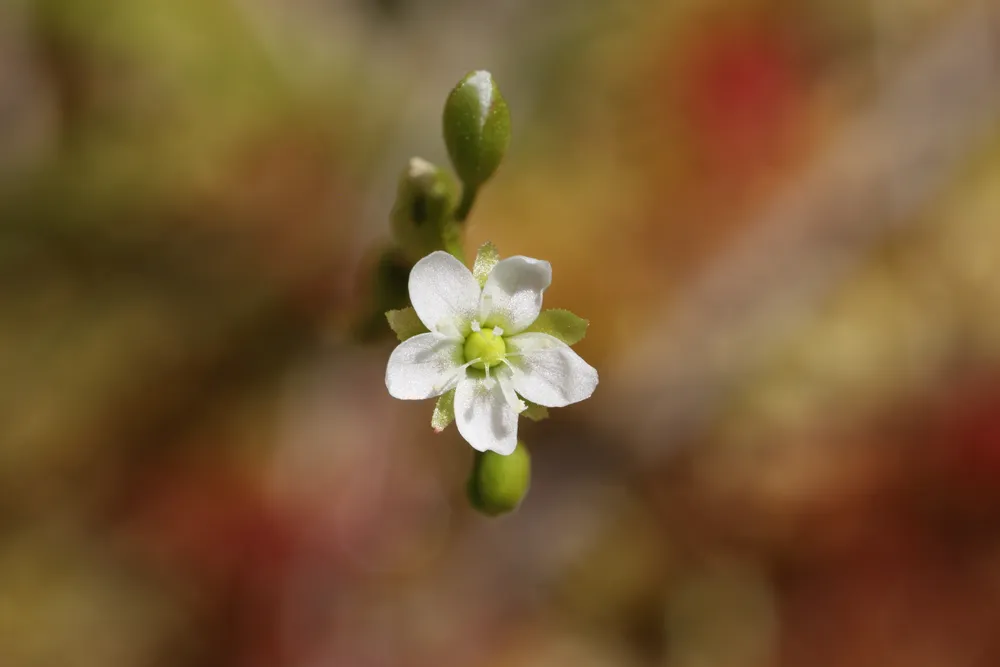
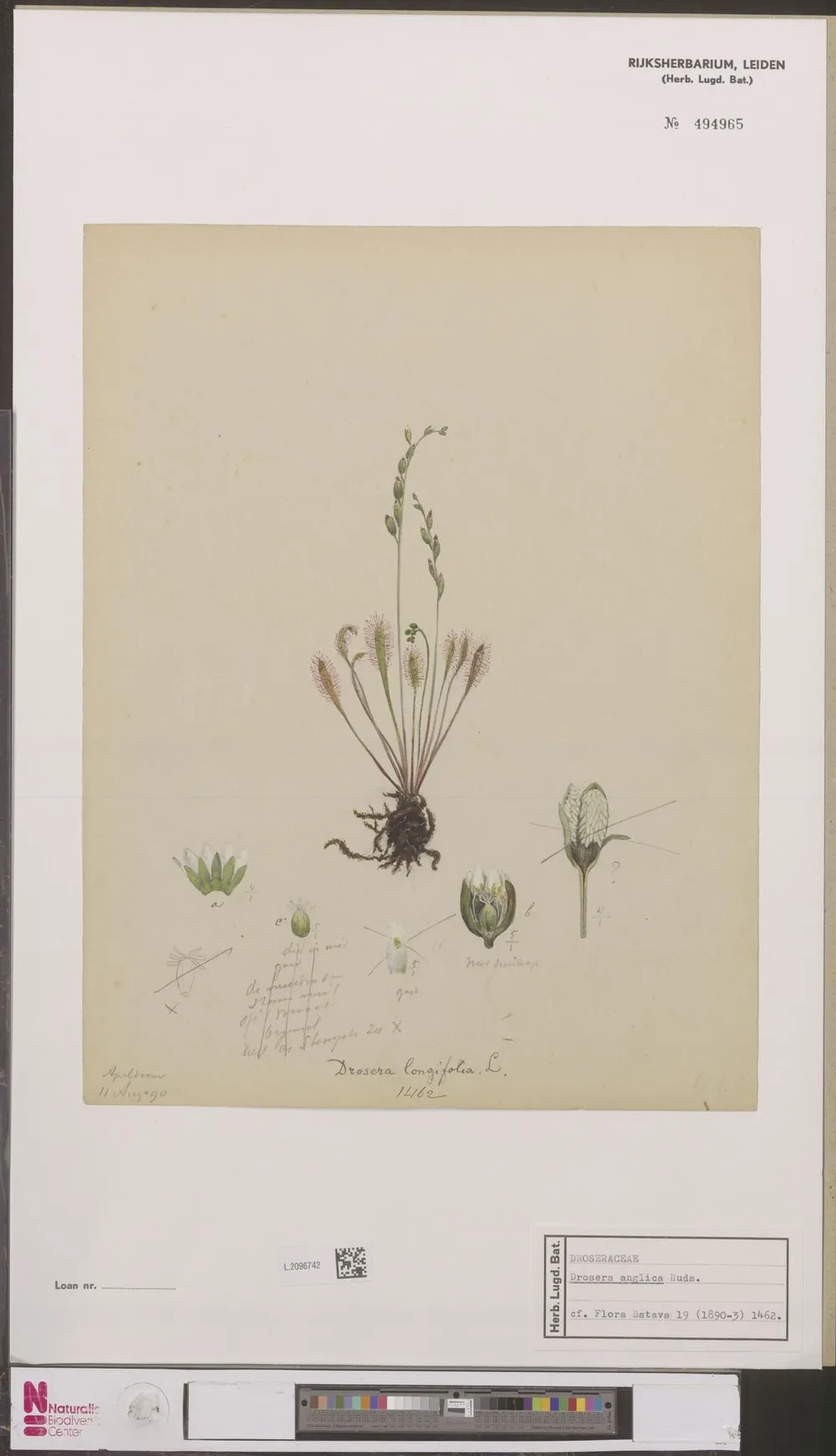
Drosera Rotundifolia vs Anglica
Drosera rotundifolia vs anglica: leaf shape, dormancy needs, hardiness and difficulty compared for temperate bog sundews.
Compare →
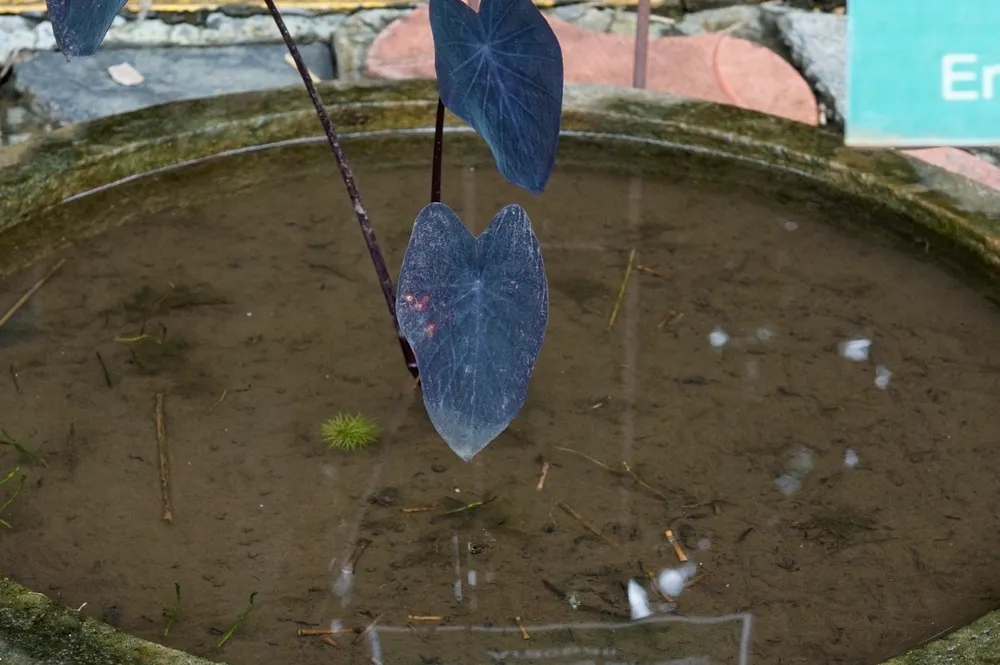
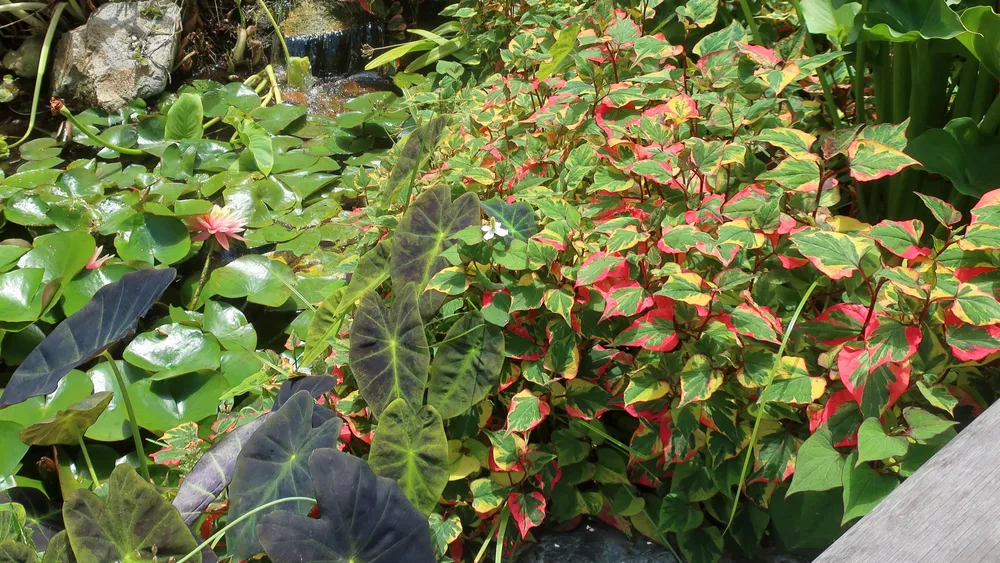
Colocasia Black Magic vs Illustris
Colocasia Black Magic vs Illustris: leaf colour, size, light needs and difficulty compared for dark-leaved elephant ear cultivars.
Compare →
Colocasia Mojito vs Coffee Cups
Colocasia Mojito vs Coffee Cups: leaf pattern, shape, water-holding habit and difficulty compared for patterned elephant ear cultivars.
Compare →
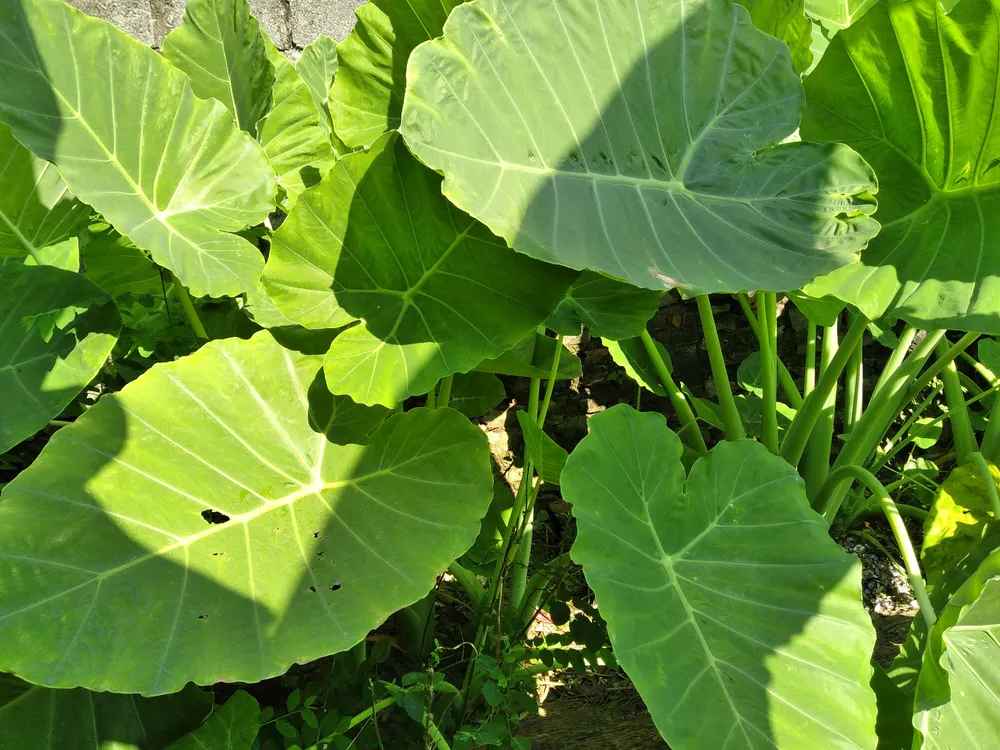
Colocasia Thailand Giant vs Alocasia Macrorrhiza
Colocasia gigantea Thailand Giant vs Alocasia macrorrhiza: which giant elephant ear is actually bigger, and how their care differs.
Compare →
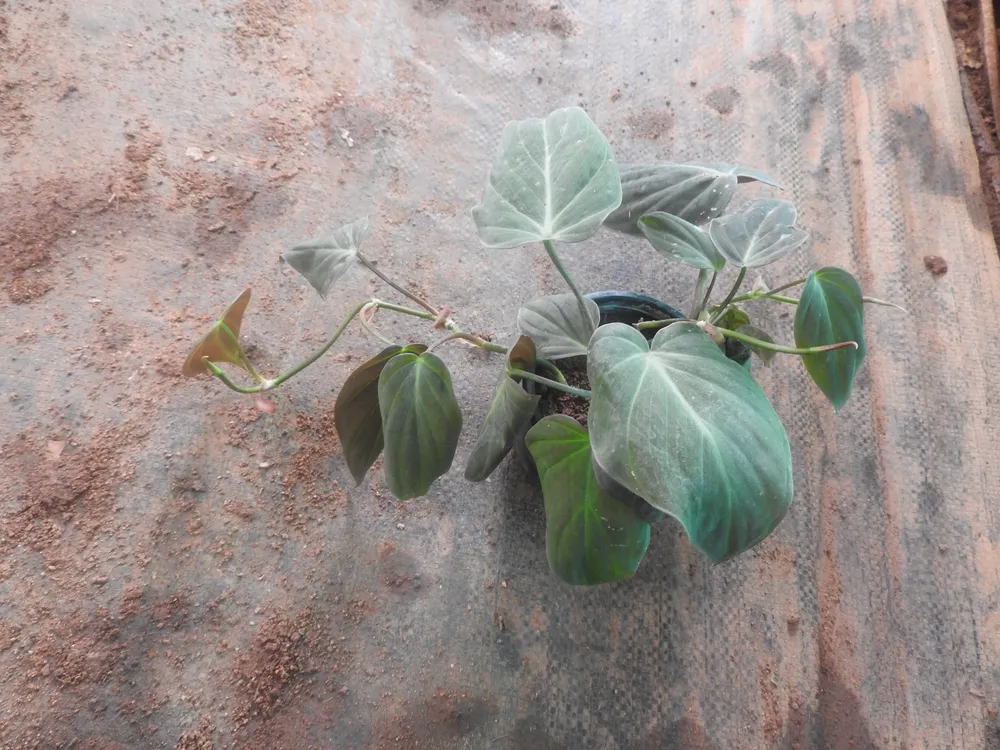
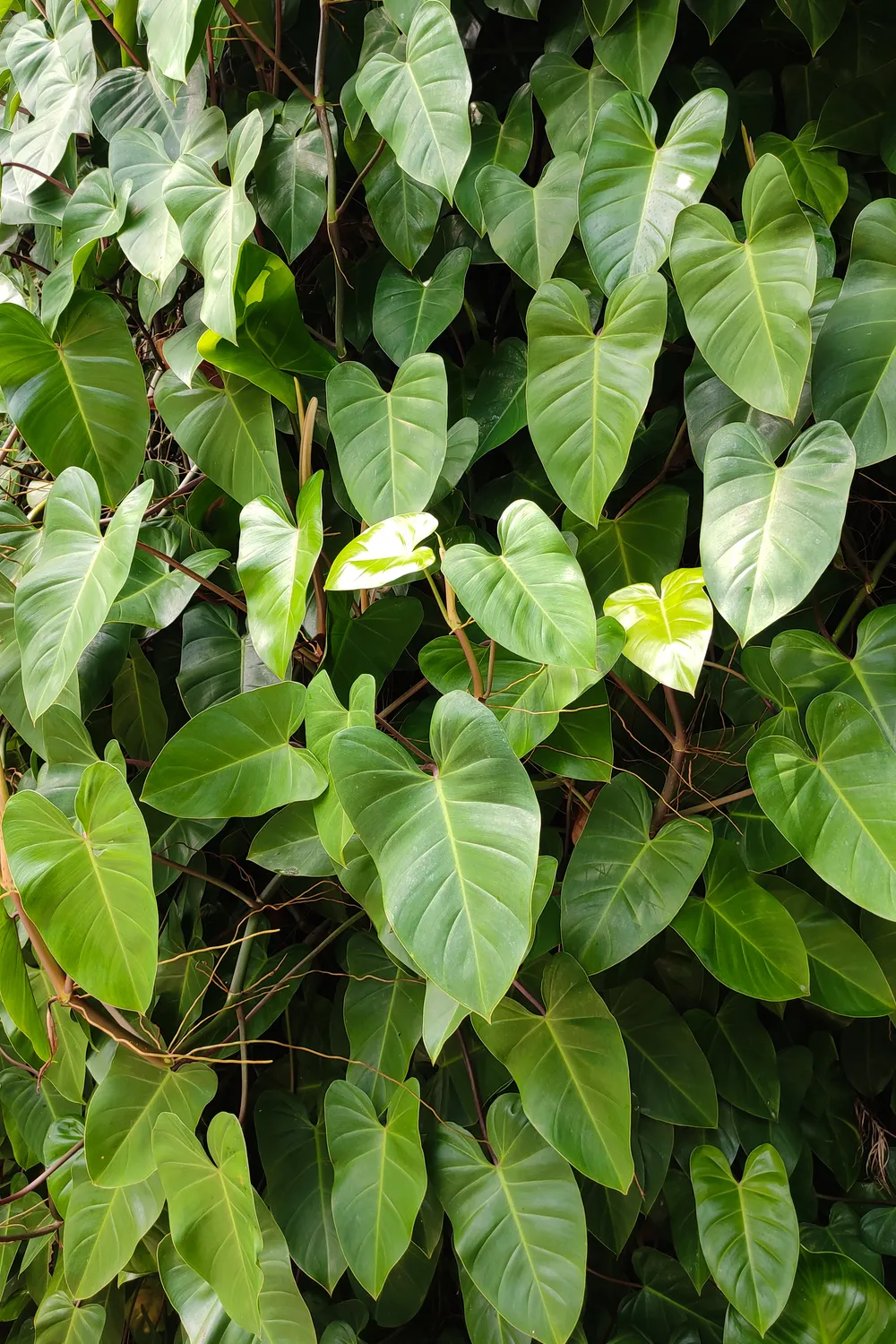
Philodendron Micans vs Brasil
Philodendron micans vs Brasil: leaf texture, colour, variegation stability, growth rate and difficulty compared for beginner trailing philodendrons.
Compare →
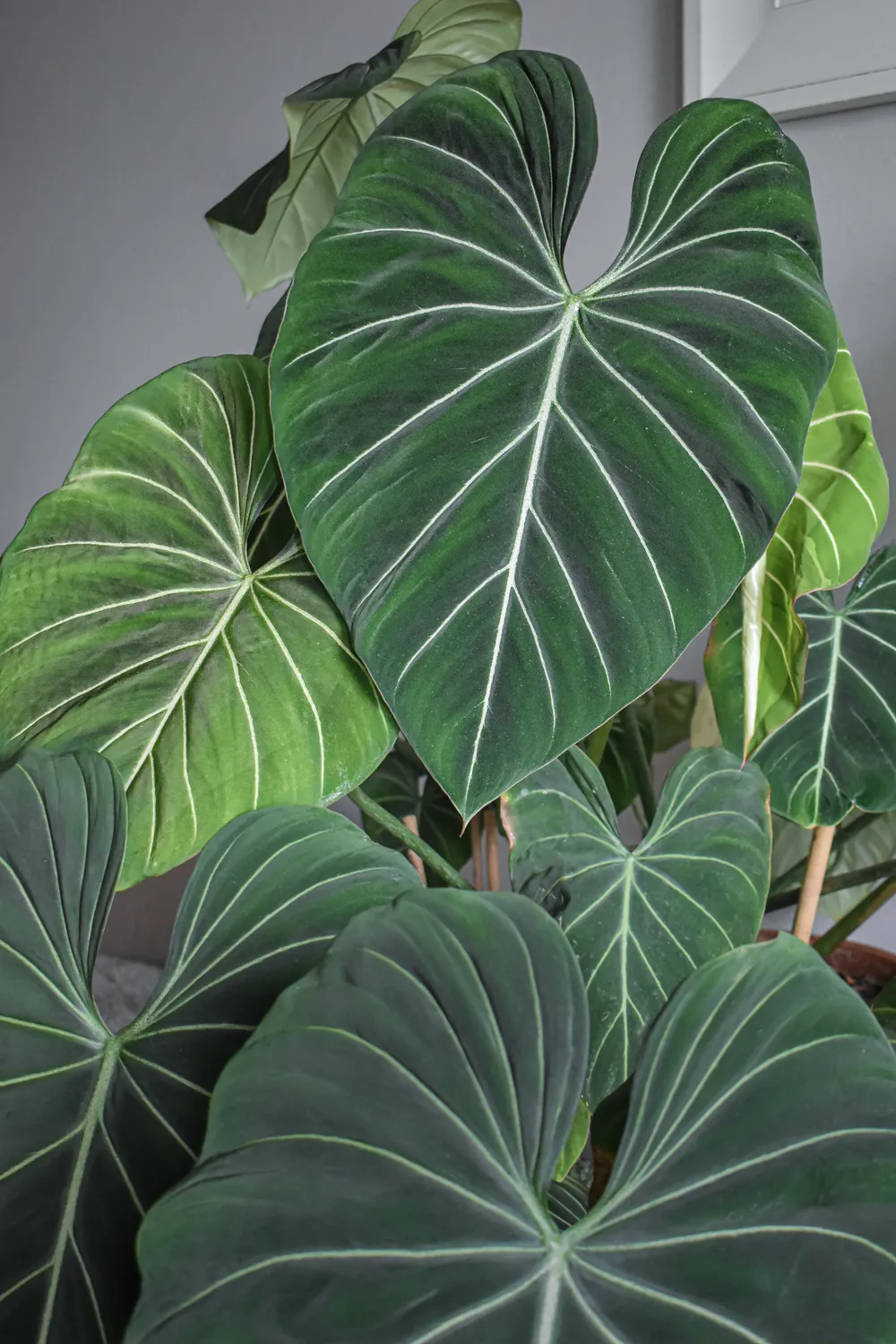
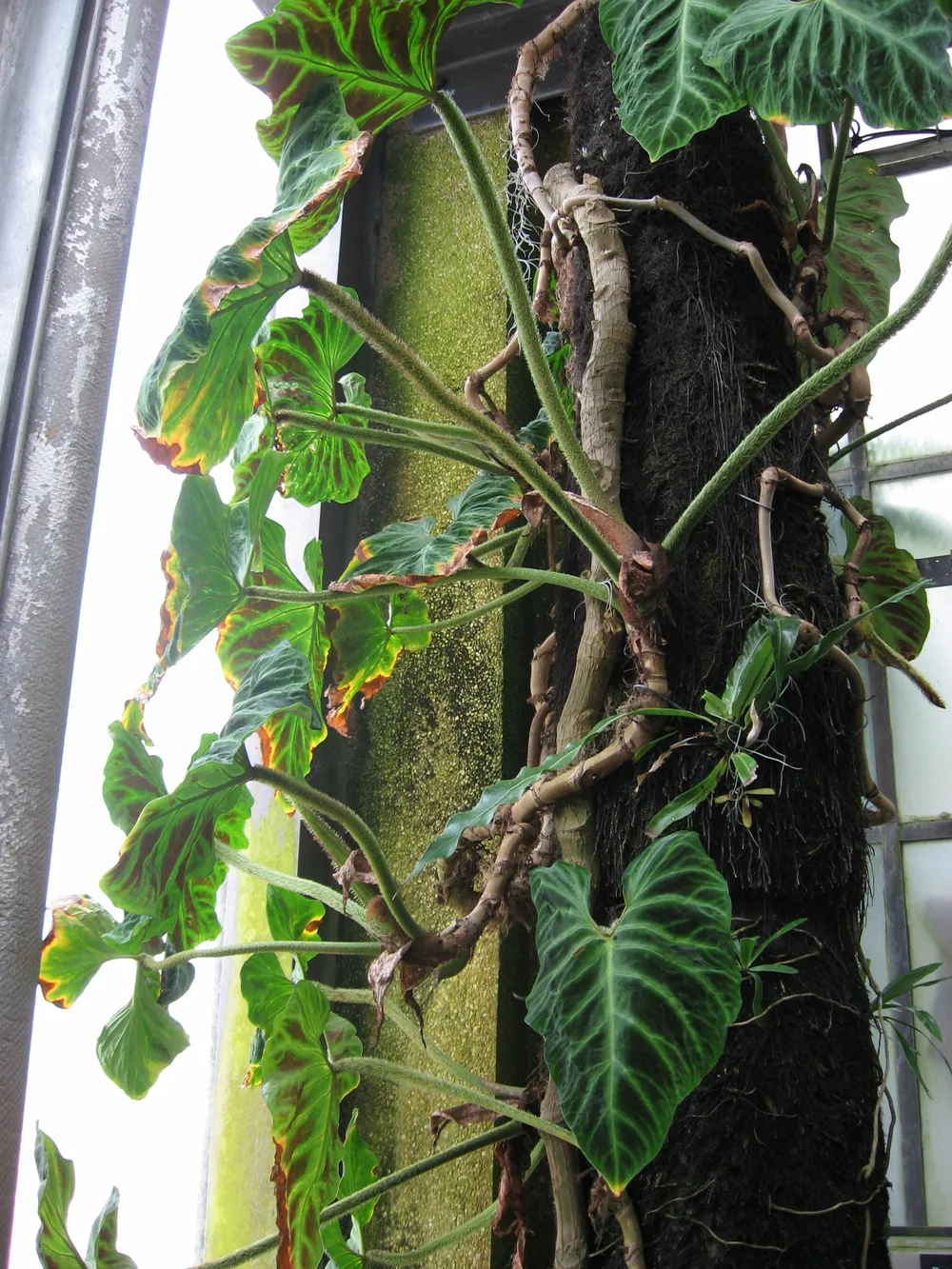
Philodendron Gloriosum vs Verrucosum
Philodendron gloriosum vs verrucosum: growth habit, leaf texture, humidity needs and difficulty compared for velvet-leaved collector philodendrons.
Compare →
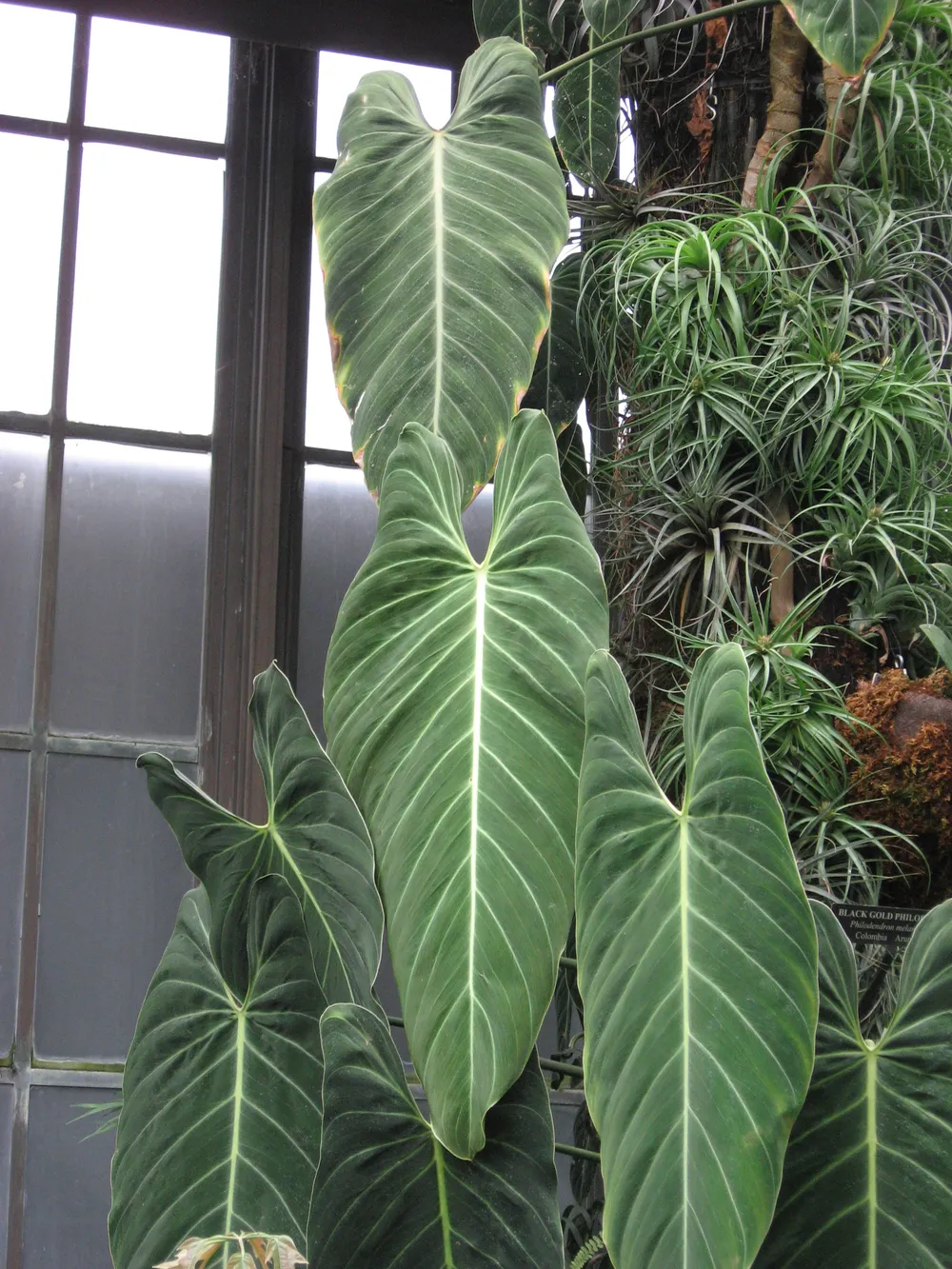
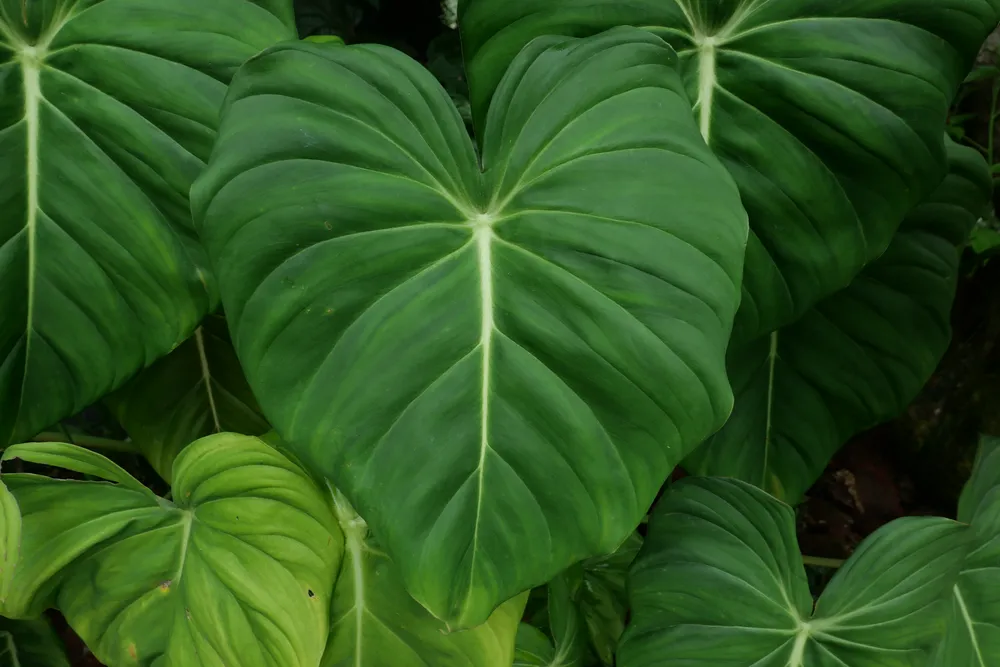
Philodendron Melanochrysum vs Pastazanum
Philodendron melanochrysum vs pastazanum: leaf size, texture, humidity needs and difficulty compared for large collector philodendrons.
Compare →
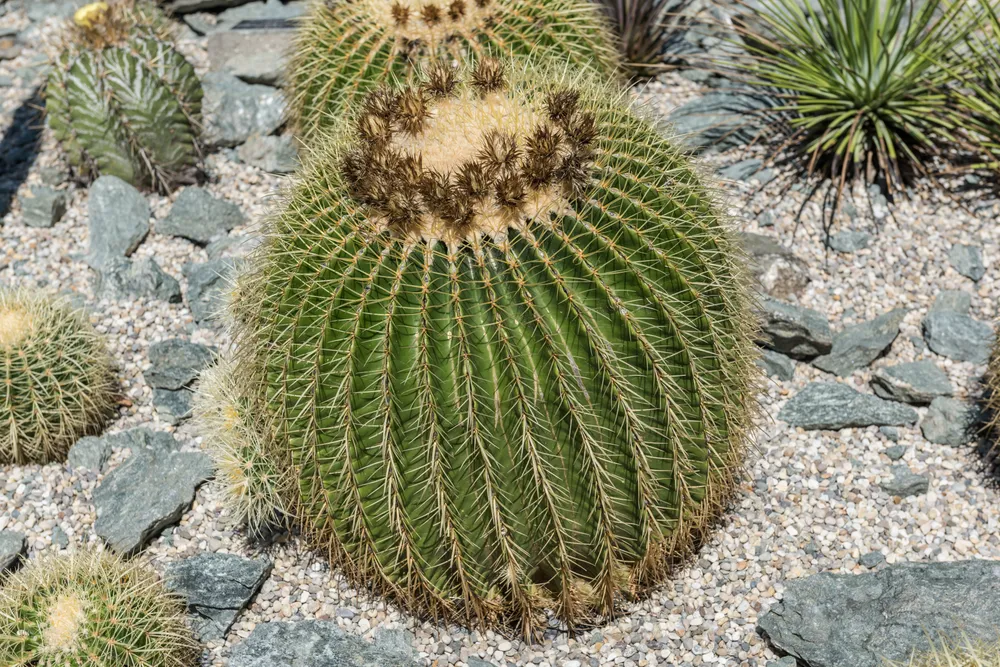
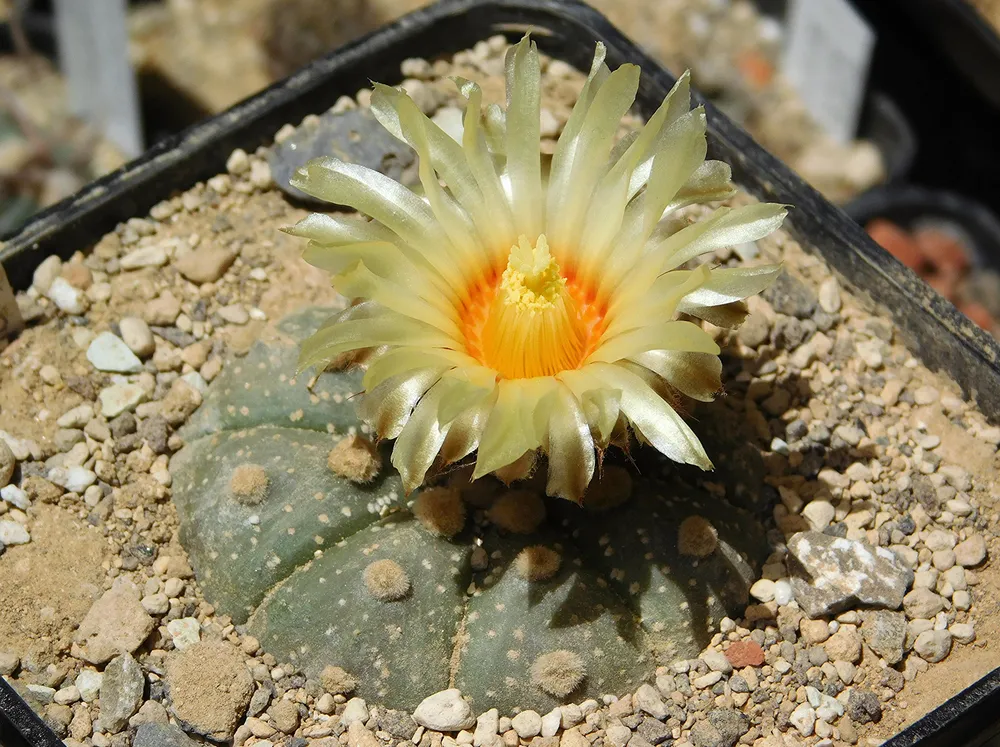
Golden Barrel vs Astrophytum Cactus
Echinocactus grusonii vs Astrophytum asterias: spines, size, growth rate, light needs and difficulty compared for globular cacti.
Compare →
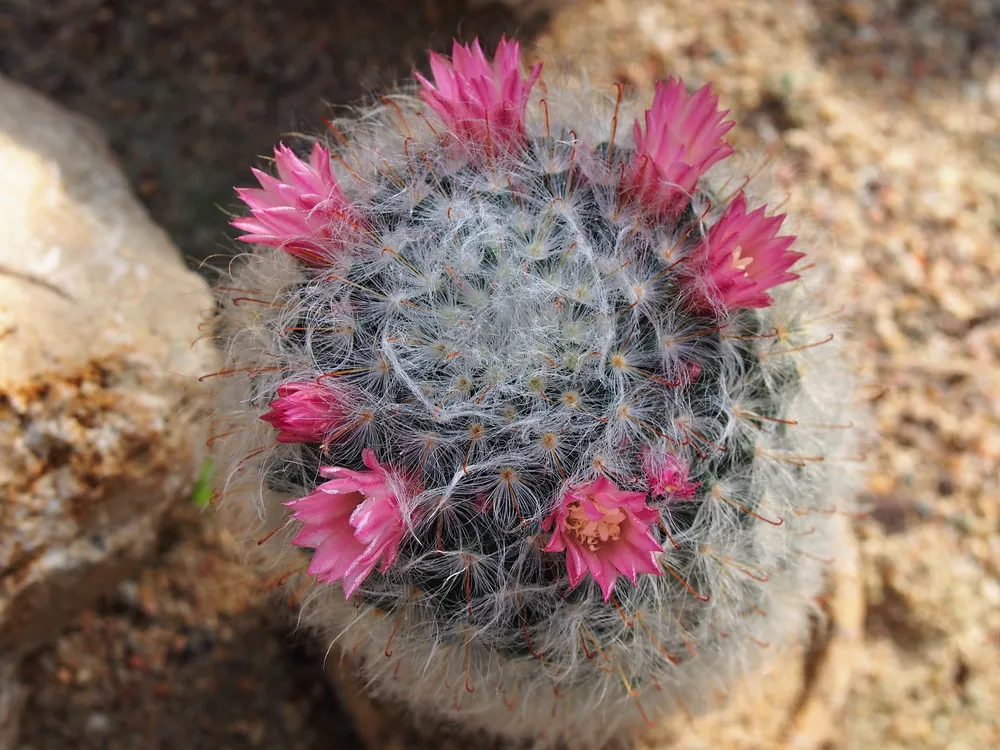
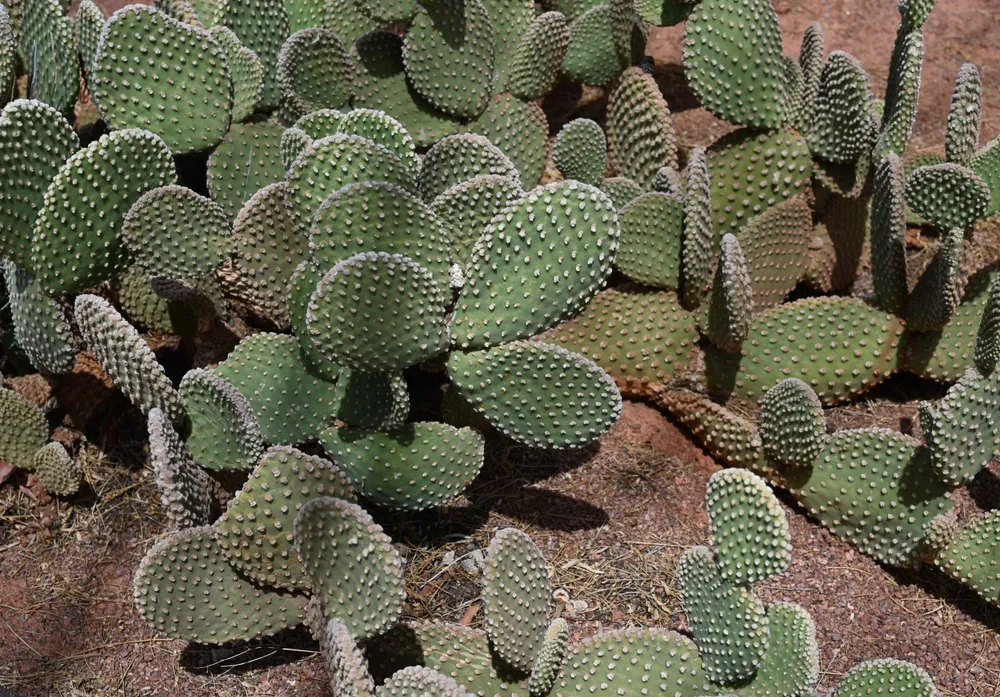
Mammillaria vs Opuntia Cactus
Mammillaria bocasana vs Opuntia microdasys: spine type, growth habit, handling risk and difficulty compared for classic beginner cacti.
Compare →
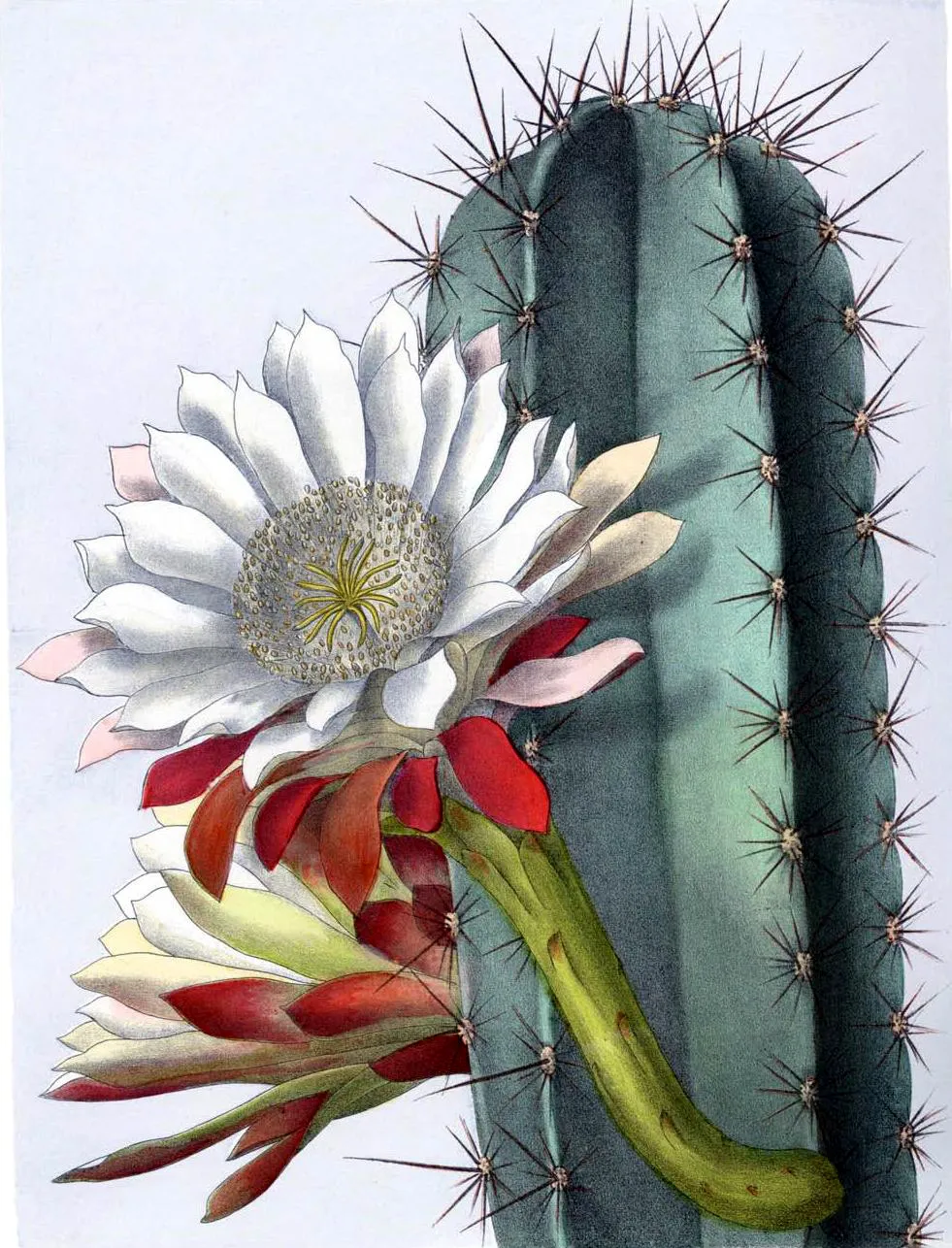
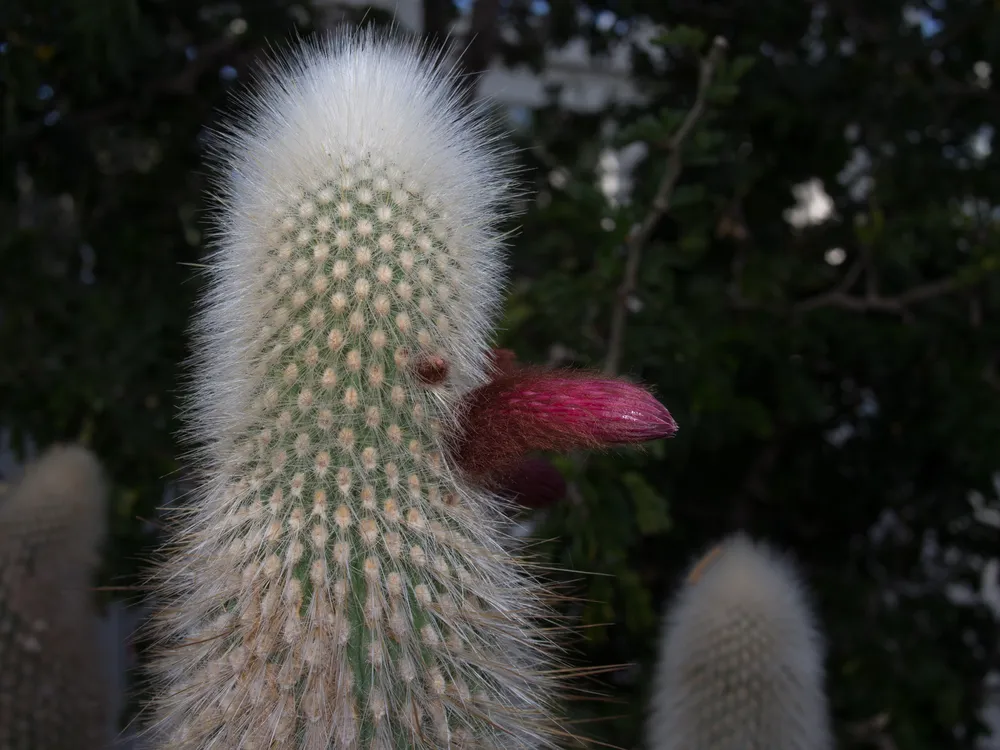
Cereus Peruvianus vs Cleistocactus Strausii
Cereus peruvianus (spiralis) vs Cleistocactus strausii: growth habit, spine texture, size and difficulty compared for columnar cacti.
Compare →
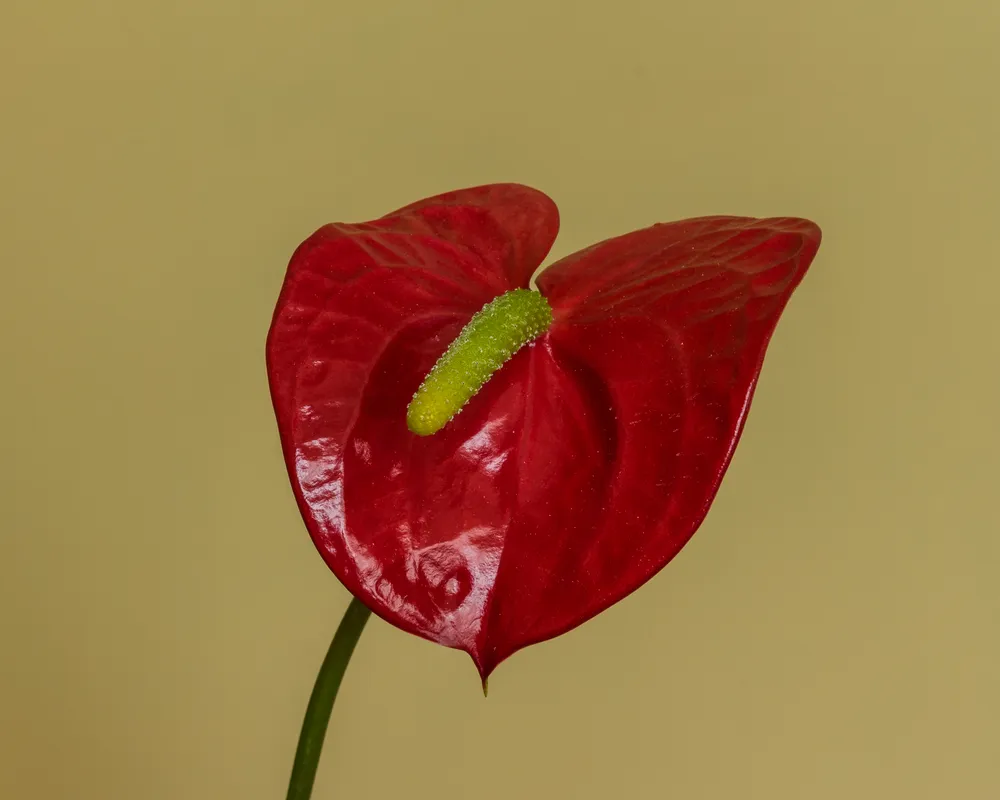
Anthurium Andraeanum vs Queen of Hearts
Anthurium andraeanum vs Queen of Hearts: flowers vs foliage, care difficulty and which suits a beginner compared side by side.
Compare →
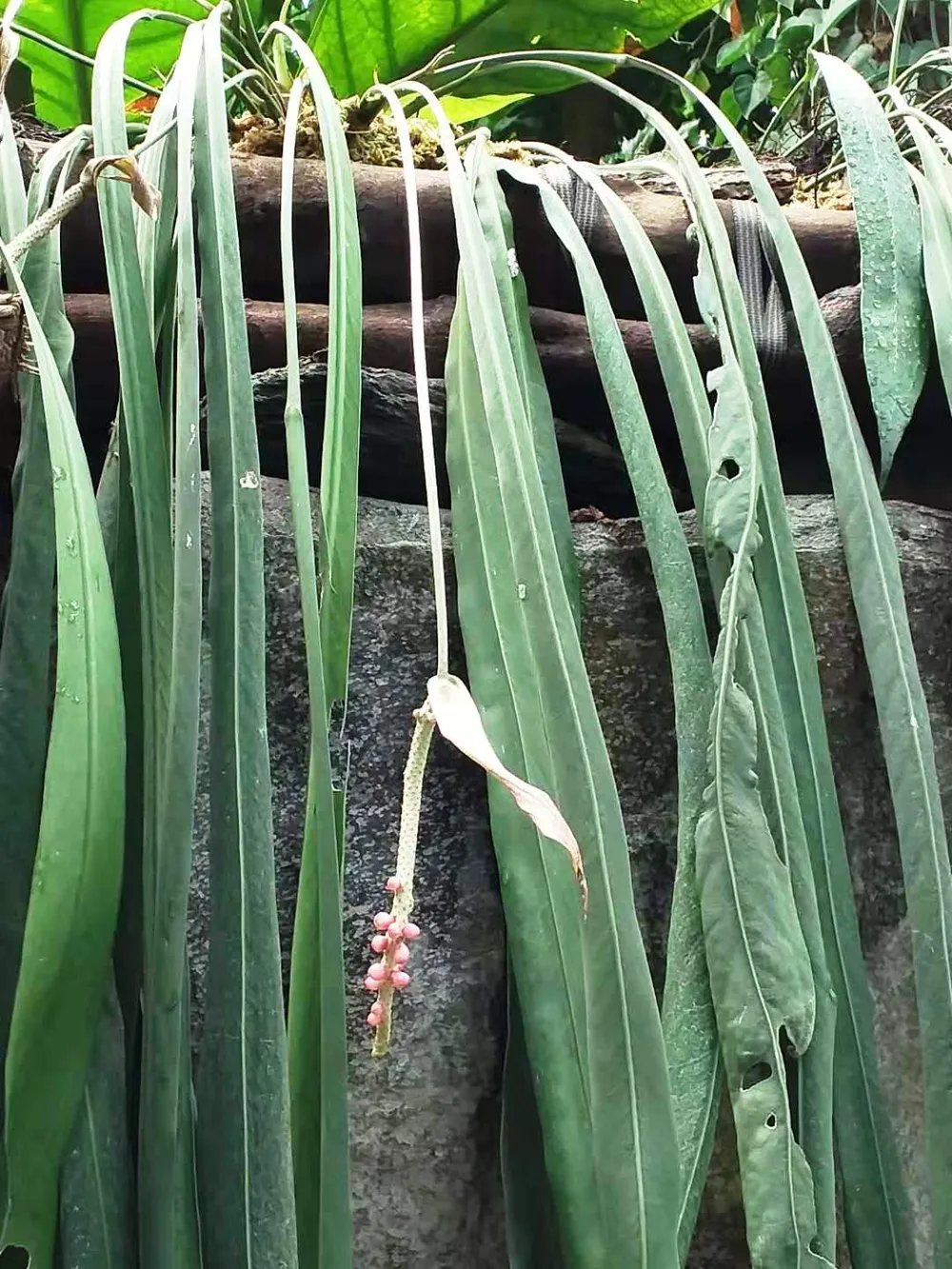
Anthurium Vittarium vs Warocqueanum
Anthurium vittarium vs warocqueanum: strap-like leaves vs velvet pendant leaves, humidity needs and difficulty compared.
Compare →
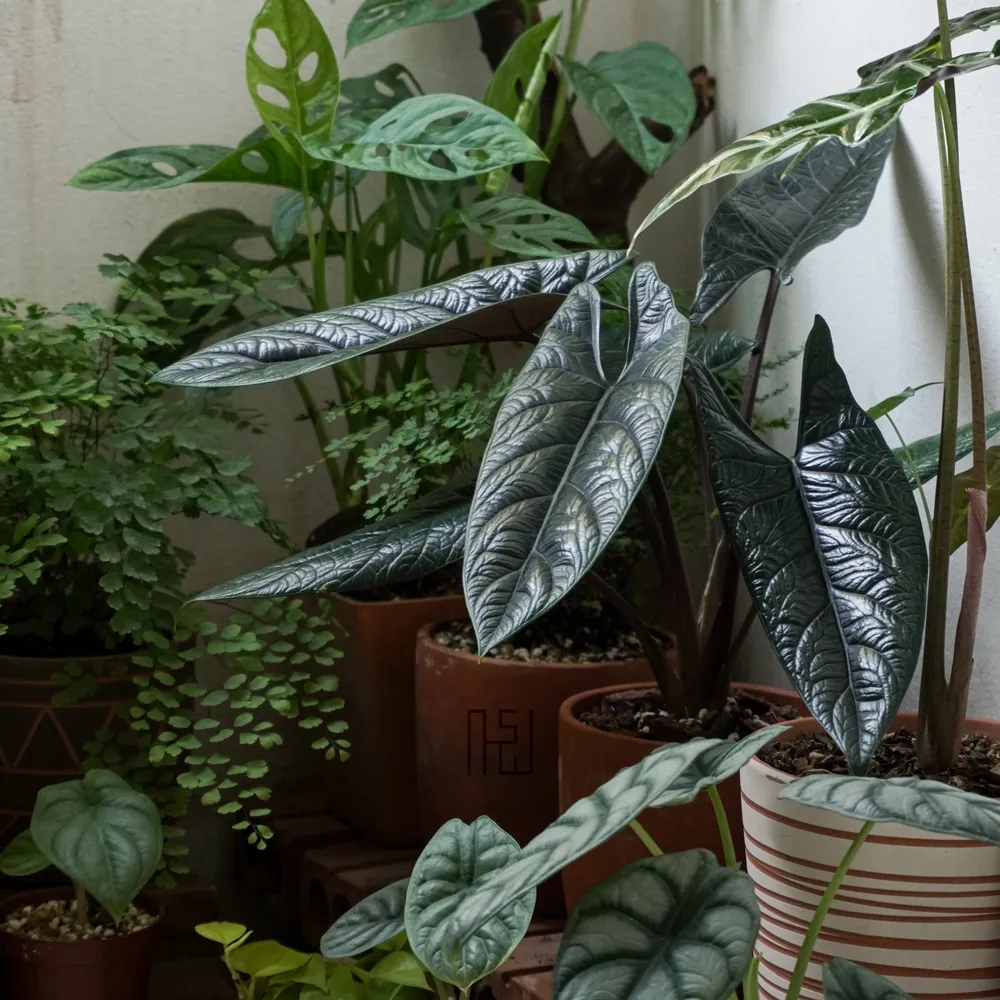
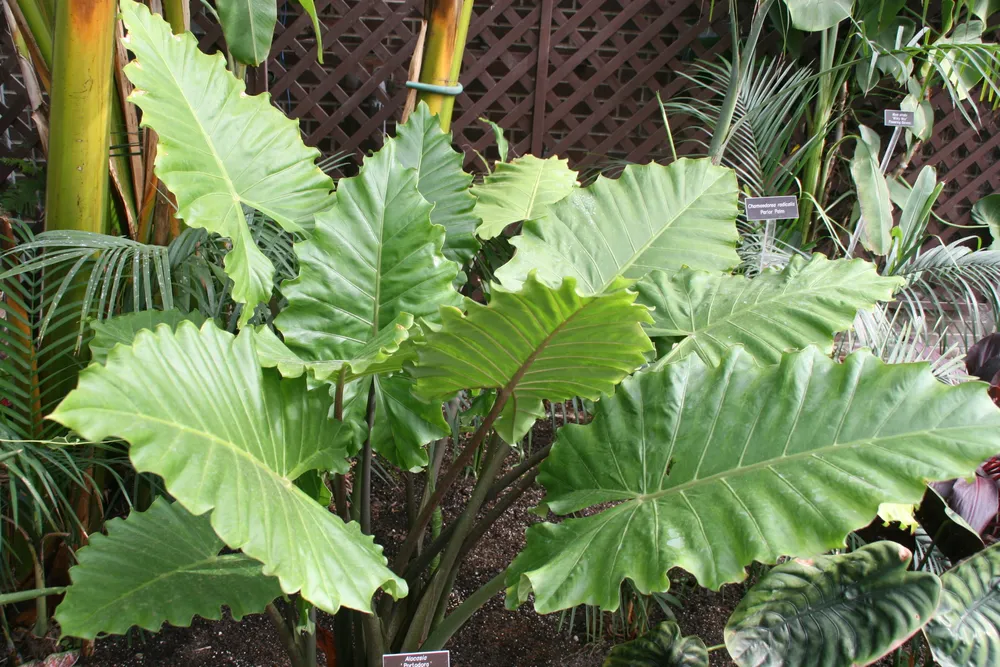
Alocasia Scalprum vs Portodora
Alocasia scalprum vs portodora: blade-like leaves vs giant wavy leaves, size, light and difficulty compared for very different Alocasias.
Compare →
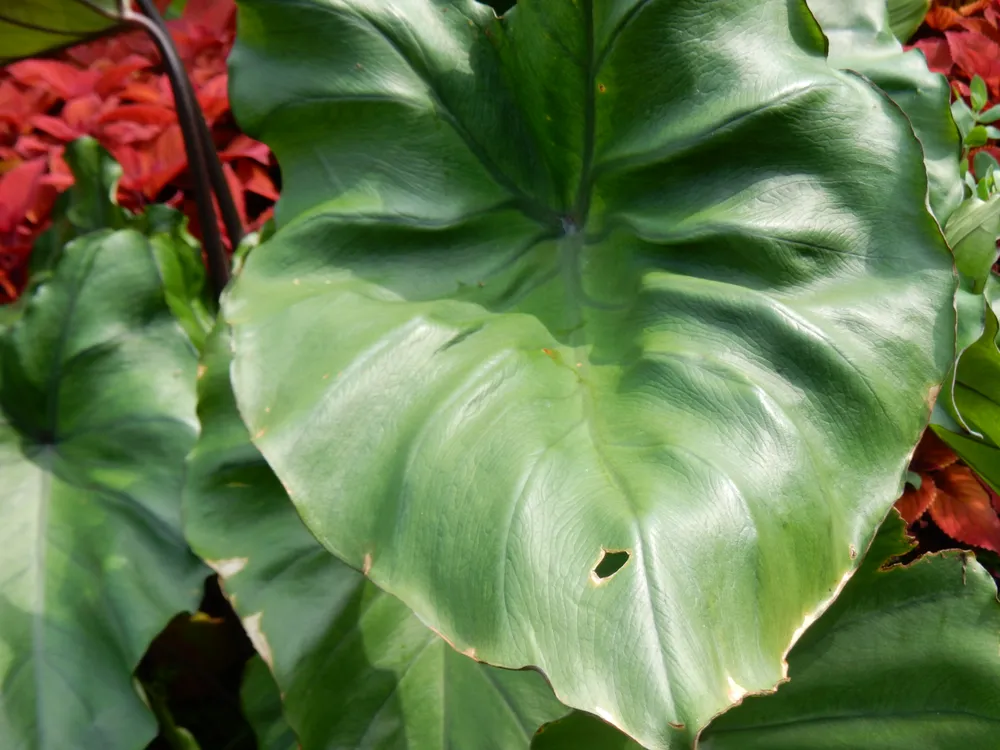
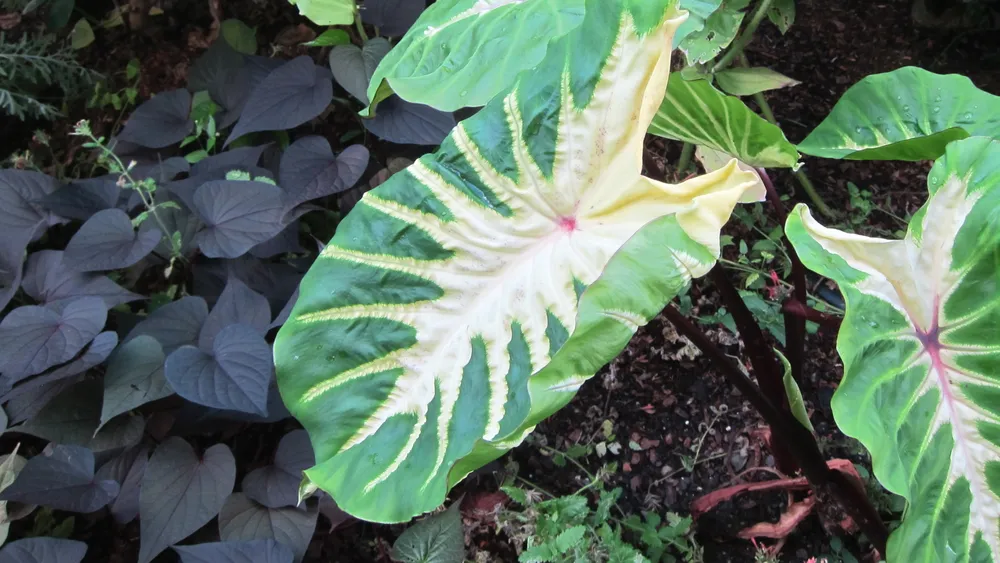
Colocasia Fontanesia vs White Lava
Colocasia Fontanesia (Black Stem) vs White Lava: stem colour, leaf pattern, size and difficulty compared for patterned elephant ears.
Compare →
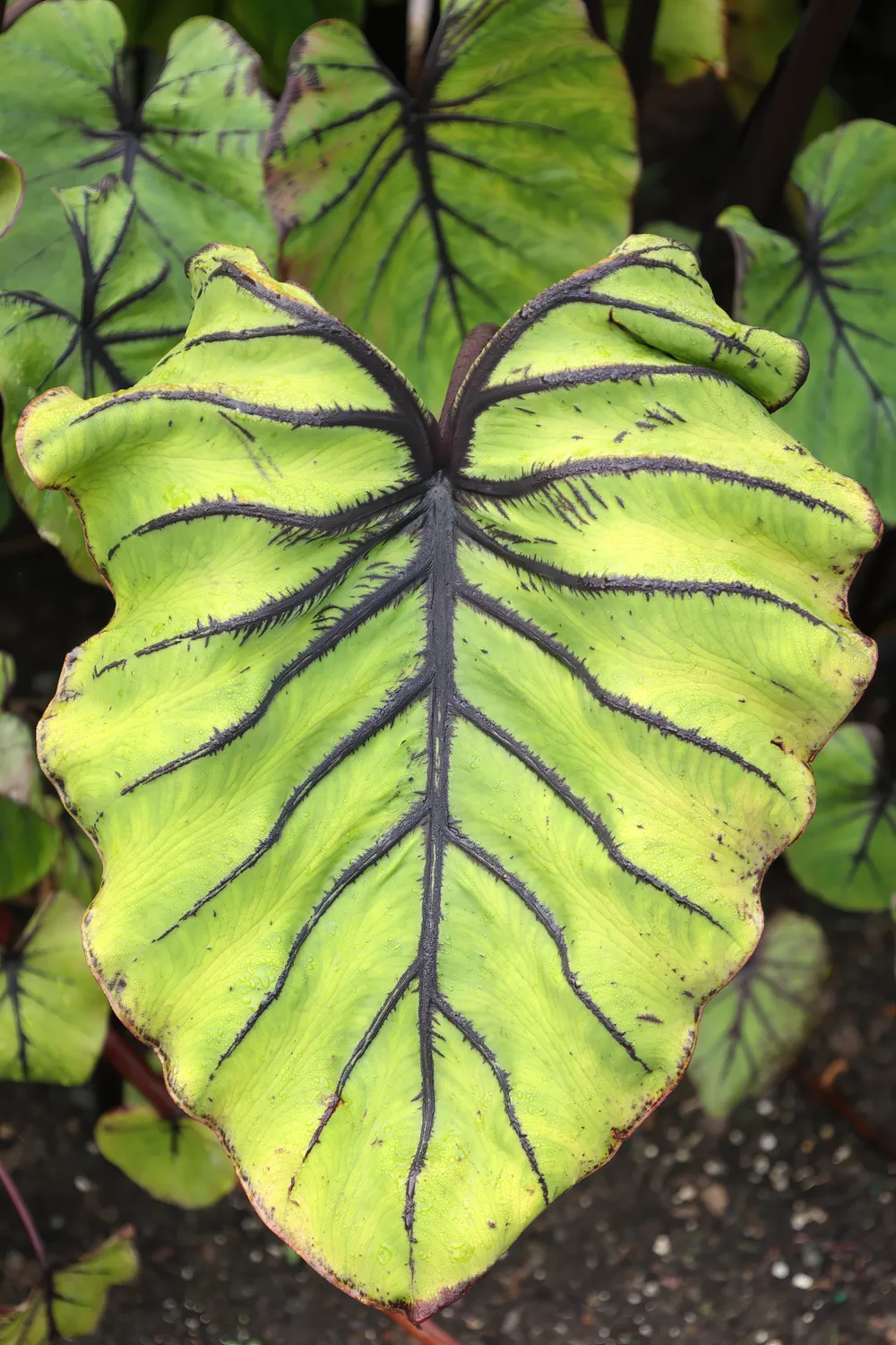
Colocasia Pharaoh's Mask vs Green Goblin
Colocasia Pharaoh's Mask vs Green Goblin: leaf texture, size, light needs and difficulty compared for textured elephant ear cultivars.
Compare →
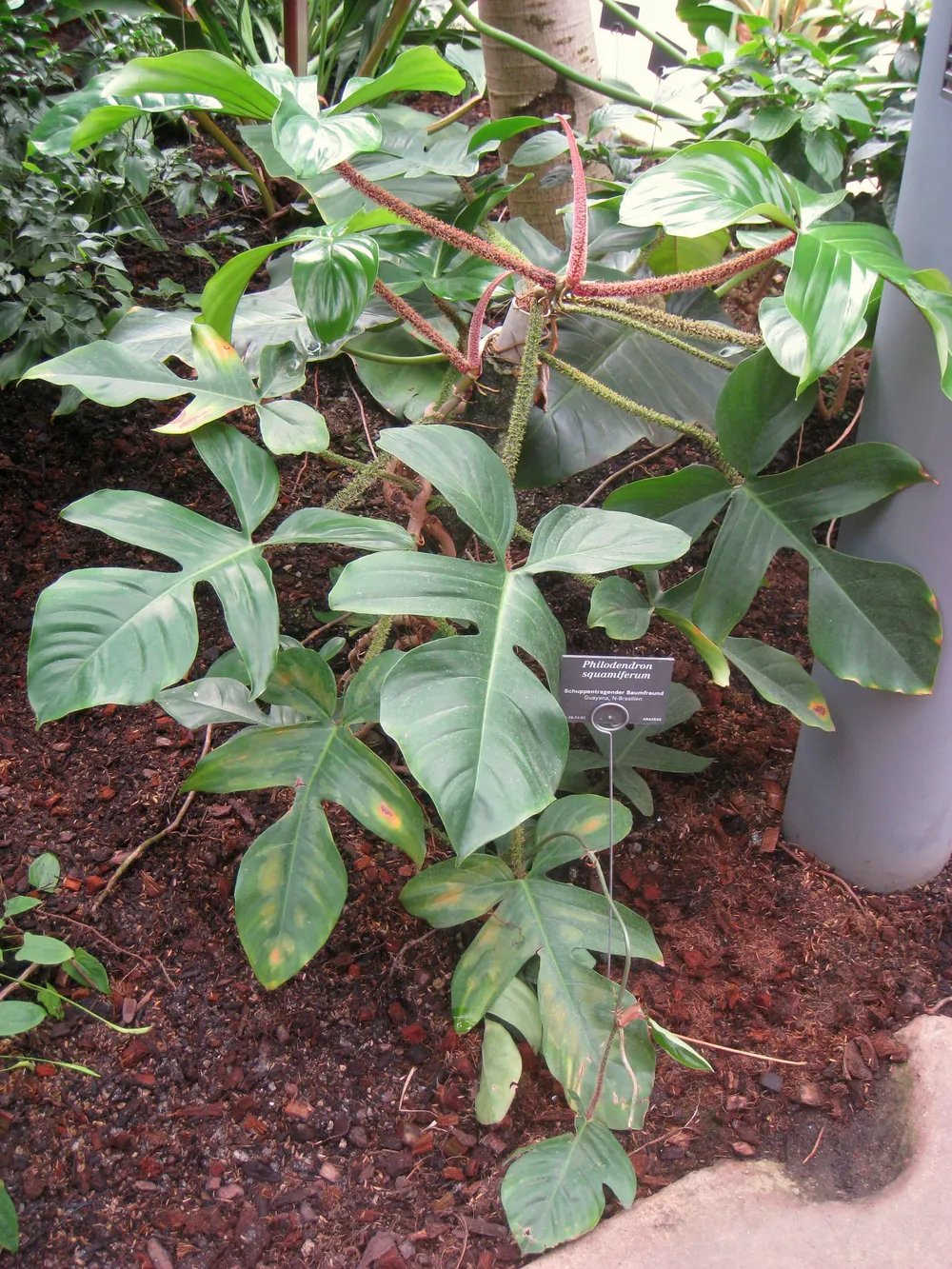
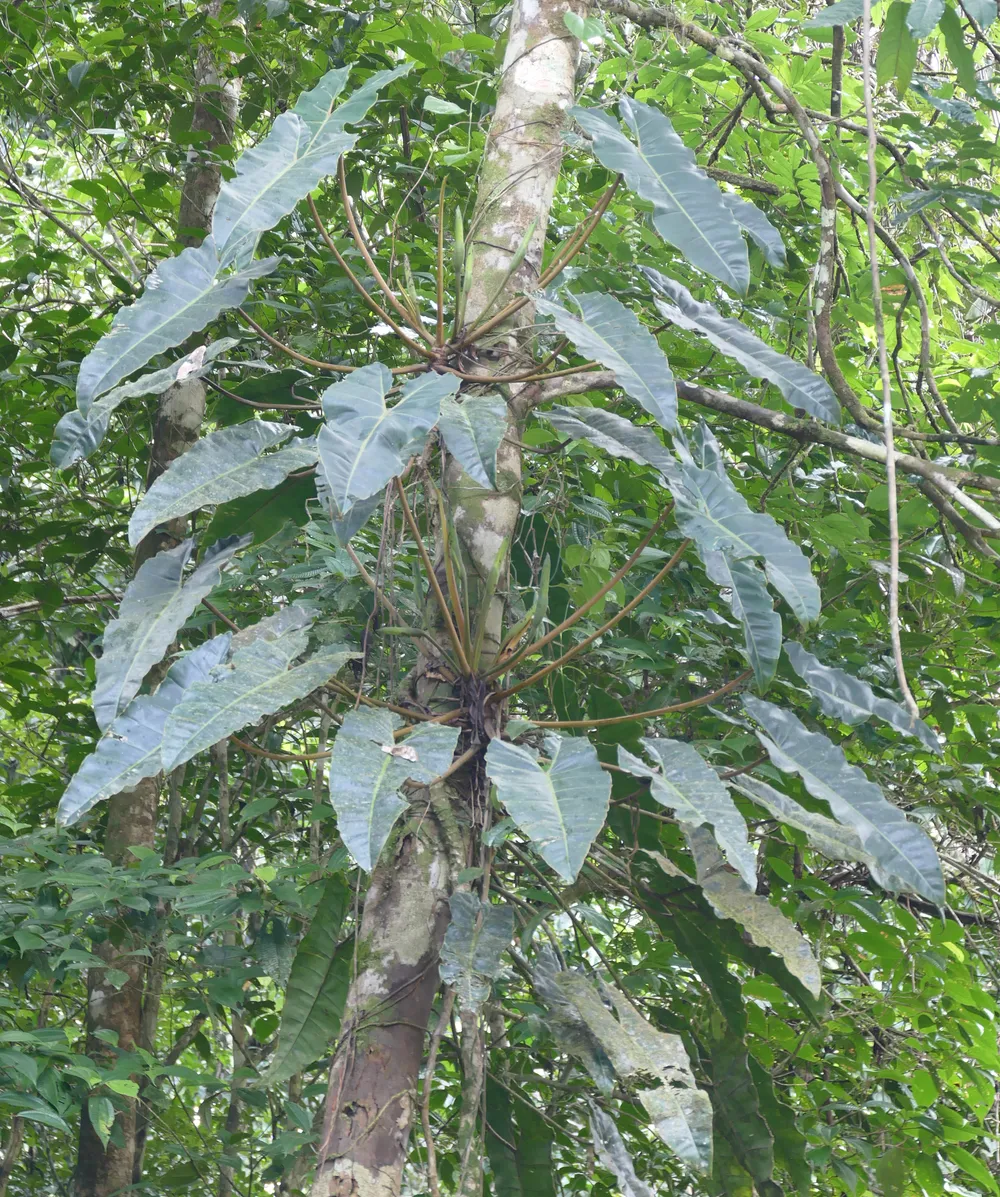
Philodendron Squamiferum vs Billietiae
Philodendron squamiferum vs billietiae: stem texture and colour, leaf shape, growth habit and difficulty compared for collector philodendrons.
Compare →
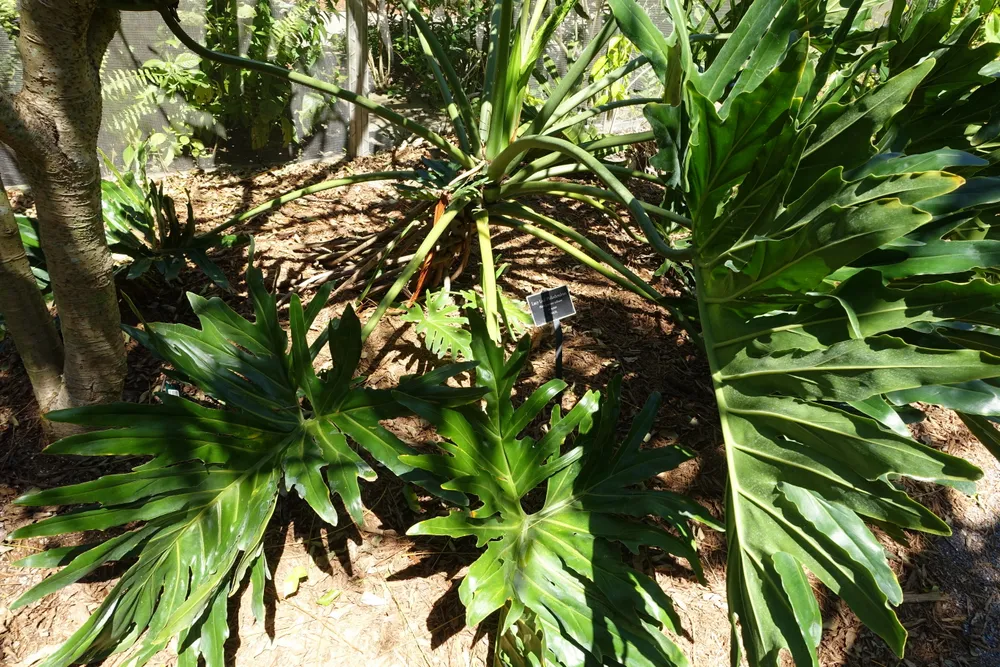
Philodendron Selloum vs Alocasia Portodora
Philodendron bipennatifidum (Selloum) vs Alocasia Portodora: size, leaf shape, light needs and difficulty compared for giant statement plants.
Compare →
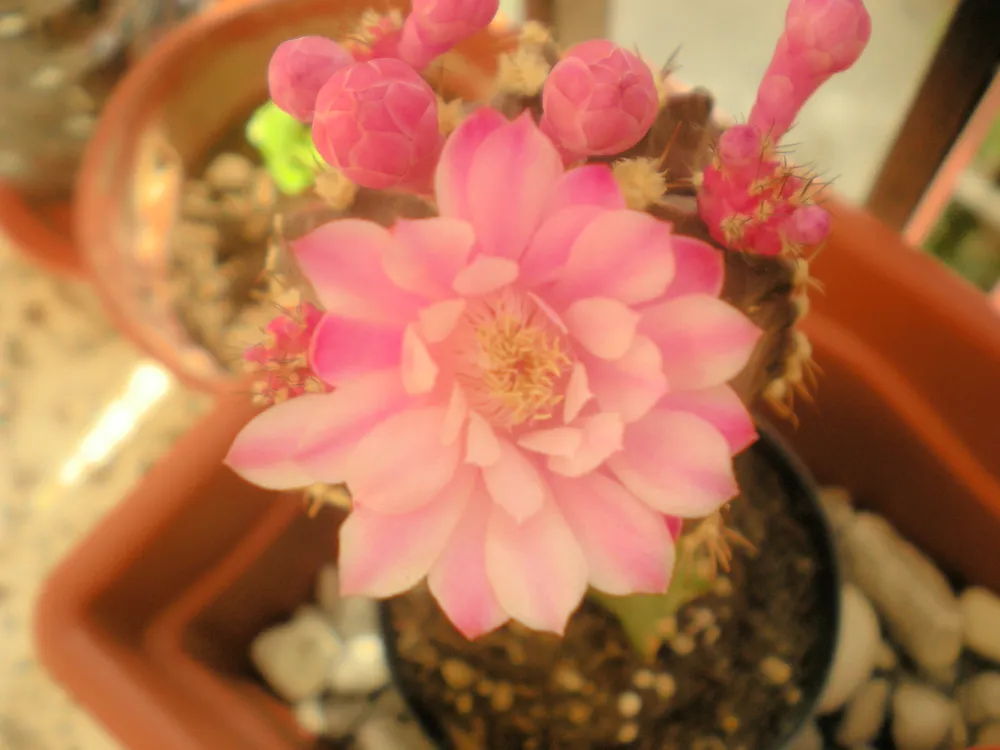
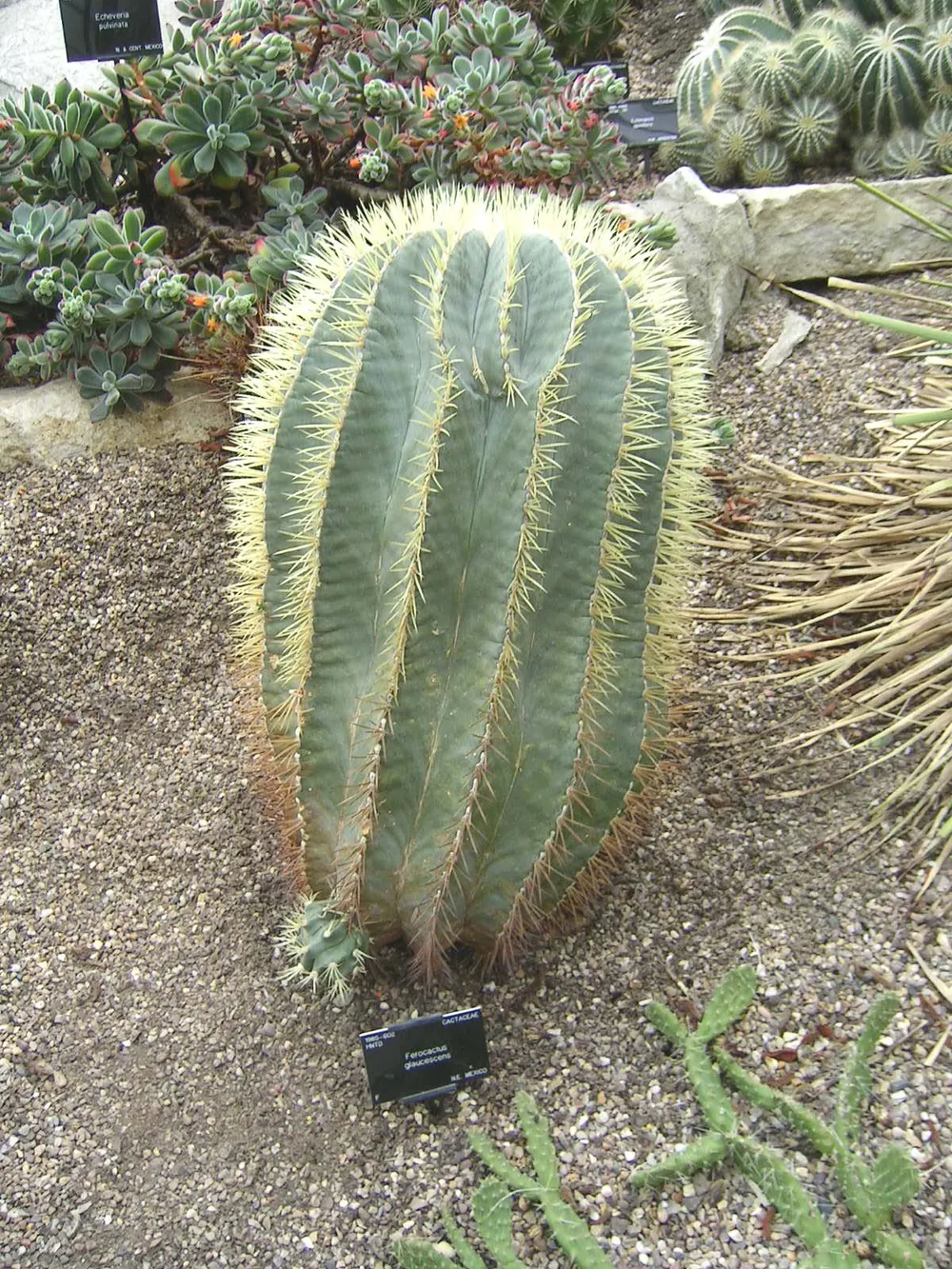
Gymnocalycium vs Ferocactus
Gymnocalycium mihanovichii vs Ferocactus glaucescens: colour, spines, size, chlorophyll and difficulty compared for globular cacti.
Compare →
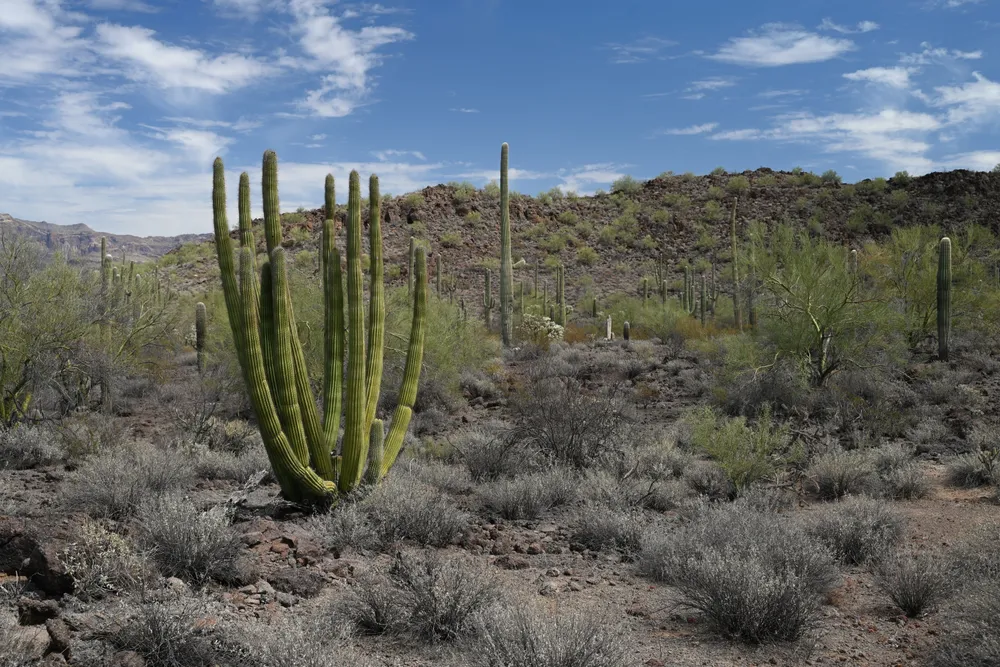
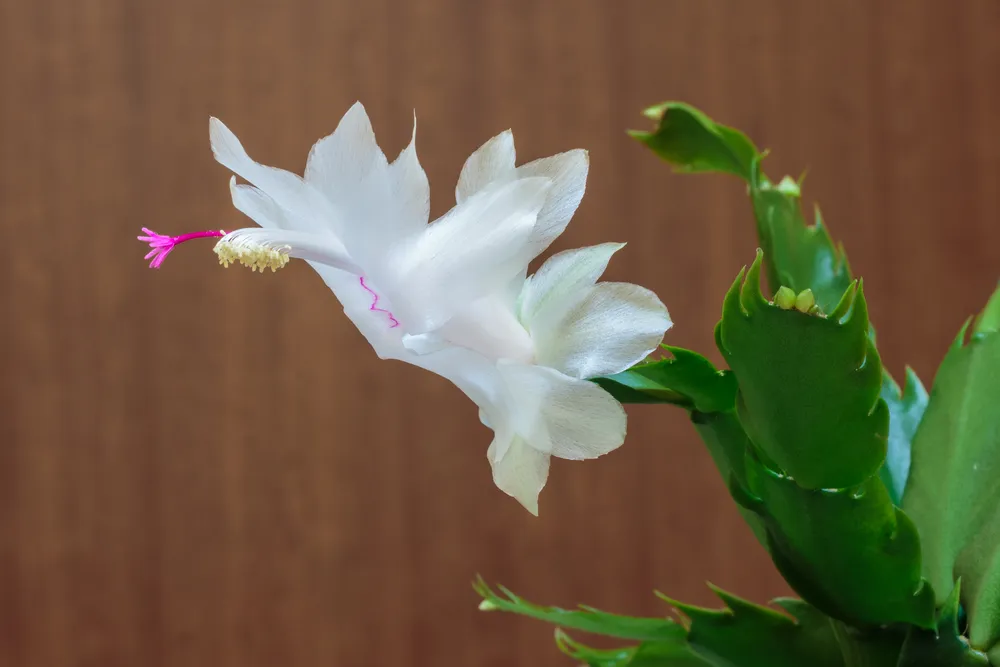
Stenocereus vs Schlumbergera (Christmas Cactus)
Stenocereus thurberi vs Schlumbergera bridgesii: desert columnar cactus vs jungle epiphyte, light, water and difficulty compared.
Compare →
🏆 Plant Guides
Curated lists to help you find the right plant for your space and lifestyle.
Best Low-Light Houseplants
The best houseplants for low-light rooms and north-facing windows. These plants thrive in dim conditions and are perfect for beginners.
Best Houseplants for Beginners
The easiest houseplants for beginners. These forgiving plants tolerate irregular watering, low light, and first-time mistakes — and still thrive.
Best Air-Purifying Houseplants
The best houseplants for purifying indoor air. Based on NASA research, these plants filter toxins like formaldehyde, benzene, and CO₂ from your home.
Best Herbs to Grow Indoors
The best herbs to grow indoors at home — from a sunny windowsill to under grow lights. These seven herbs are easy, productive, and perfect for beginners.
Best Vegetables for Container Growing
The best vegetables to grow in containers at home — balcony gardens, patios, and indoors. These seven are proven to thrive in pots and give satisfying harvests without a garden.
Growing one of these plants?
Track every problem, treatment, and recovery milestone in a free grow diary.
📔 Start a free grow diary