 ⚠ Minor
Transplant Shock After Repotting Aloe Vera
Commonly affects: Aloe vera (Aloe Vera)
The plant looks slightly wilted or its leaves feel softer than usual for a period after being repotted, even though the repotting itself seemed to go well.
The short answer
A plant that droops, pales or stops growing within days of being repotted is in transplant shock, not dying. Disturbed roots cannot take up water at their usual rate, so the plant reduces demand until they recover. The correct response is almost entirely to do nothing: keep it out of direct sun, water sparingly, and do not feed. Most plants recover in two to four weeks.
Confirm it before you treat it
- 1Check the timing. Symptoms that appear within a week of repotting are shock. The same symptoms with no recent disturbance mean something else.
- 2Look at what changed. Root disturbance, a change in mix, a different pot size and a new position all contribute, often together.
- 3Feel the soil. Shock symptoms in damp soil are normal. Adding more water here is the classic mistake and turns shock into rot.
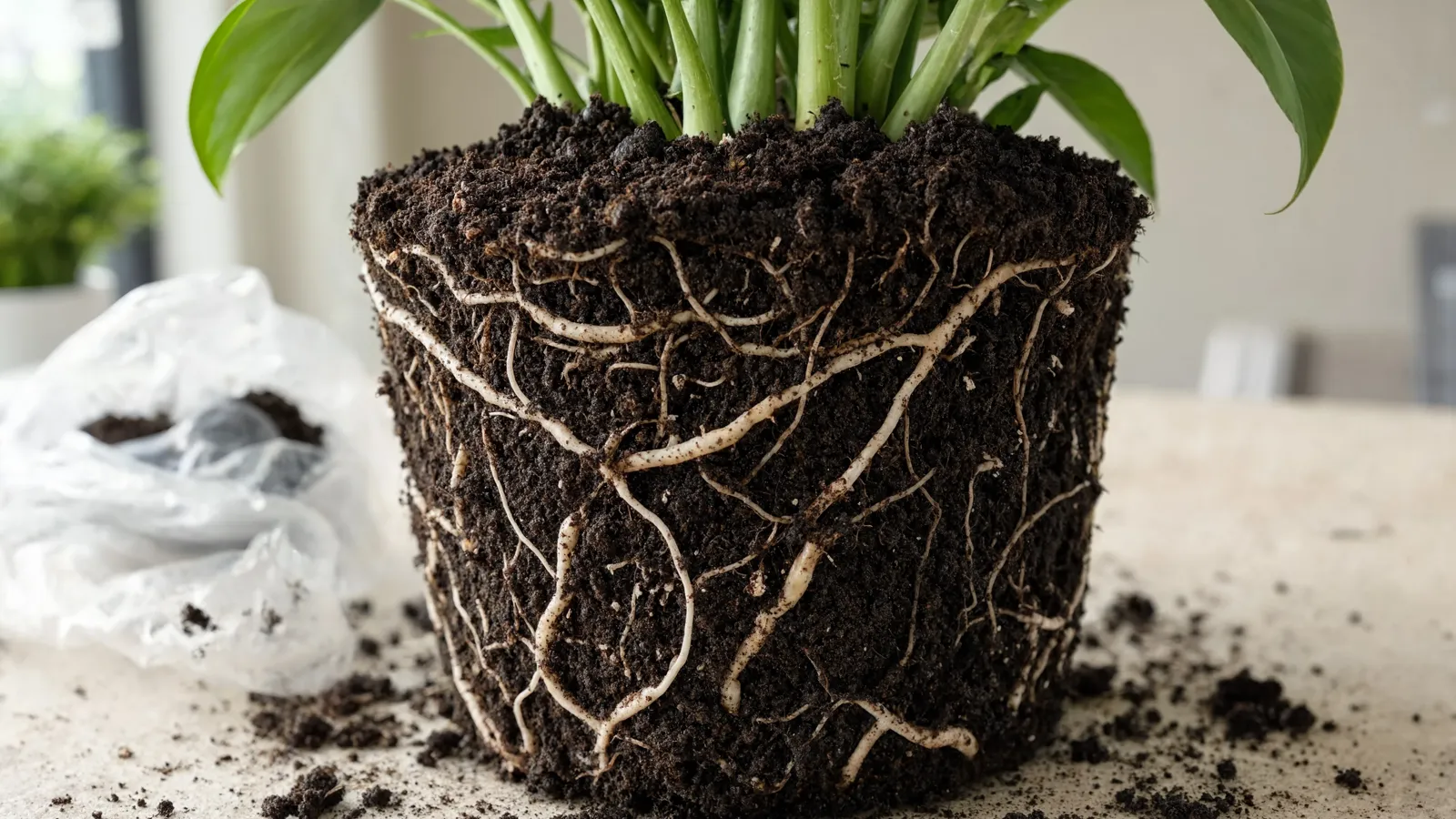
- 4Check the roots if you can do so without further disturbance. Firm roots mean it is shock; brown mushy roots mean the repotting exposed existing rot.
- 5Assess the light. A plant moved to a much brighter position at the same time as repotting is dealing with two stresses, and that combination causes most failures.
Potential Causes
- 1Root disturbance during repotting temporarily reducing the plant's ability to take up water
- 2Repotting during winter dormancy rather than the active growing season
- 3Watering too soon after repotting before any root damage has had a chance to callus
Solution Steps
- 1Wait a few days after repotting before watering, to let any damaged roots callus first
- 2Repot ideally in spring or summer, during active growth, rather than winter
- 3Be patient — most Aloe plants recover within a few weeks
- 4Keep the plant out of intense direct sun for a short recovery period after repotting
What else looks like this
| Could be | How to tell it apart |
|---|---|
| Overwatering | Wet soil, yellowing lower leaves, and no recent repotting. If the plant was repotted, wait before concluding this. |
| Root rot exposed by repotting | Brown mushy roots seen during the repot. Shock involves intact roots that are simply disturbed. |
| Sunburn | Bleached patches on the side facing the light, appearing after a move to a brighter spot rather than from the root disturbance. |
| Pot too large | Ongoing sogginess weeks after repotting rather than a temporary droop. Excess mix stays wet beyond what the roots can use. |
| Cold damage | Follows a temperature drop rather than the repot, and often affects one exposed side. |
Recovery timeline
- Days 1–3Drooping or dullness is normal. Move out of direct sun into bright indirect light. Do not water on a schedule.
- Week 1Water only when the mix has dried appropriately for the species. Succulents and aloes should be left dry for several days after repotting.
- Weeks 1–2The plant stabilises — no further decline, but no visible growth either. This is the normal middle stage.
- Weeks 2–4New growth appears, confirming the roots have re-established. This is the only reliable signal of recovery.
- Weeks 4–8Resume feeding once the plant is actively growing again — not before, since fertiliser on damaged roots causes burn.
If you do nothing
Left alone, transplant shock resolves on its own in the great majority of cases — it is a temporary state rather than a disease. The genuine risk is the opposite: an owner who reads shock as decline and responds with more water, more fertiliser and more light adds three stresses to a plant already struggling to take up water. That combination, rather than the repotting itself, is what turns a routine repot into a dead plant.
Common mistakes
- Watering more because the plant is drooping. Disturbed roots cannot use it, and saturated mix around damaged roots is how shock becomes rot.
- Fertilising to help it recover. Damaged roots are especially prone to fertiliser burn — wait until new growth appears.
- Repotting again because it looks unhappy. A second disturbance restarts the clock and roughly doubles the risk.
- Moving it into brighter light at the same time. Two simultaneous changes make recovery slower and the cause harder to identify.
- Watering an aloe or succulent immediately after repotting. Broken roots need a few dry days to seal before they meet moisture.
Prevention Tip
Waiting a few days to water after repotting an Aloe, rather than watering immediately, gives any root damage time to callus and reduces rot risk.
Questions people actually ask
- How long does transplant shock last?
- Typically two to four weeks. Recovery is confirmed by new growth, not by the old leaves perking up.
- Should I water right after repotting?
- For most plants, lightly. For aloes, cacti and other succulents, wait several days so broken roots can callus first.
- Can I prevent it?
- Largely. Repot in spring when the plant is actively growing, disturb the root ball as little as possible, and change only one thing at a time.
- Why did leaves drop after repotting?
- The plant is shedding what it cannot support until the roots recover. Losing a few leaves is normal; losing all of them suggests root damage.
- When should I feed again?
- Once you can see new growth. Feeding a plant whose roots are still recovering causes burn rather than recovery.