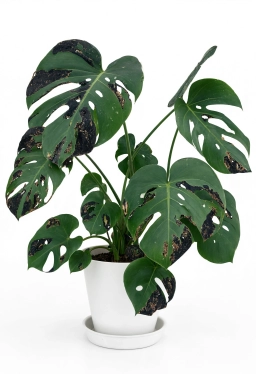
 ⚠ Critical
Root-knot nematodes form swollen galls along the roots that choke water and nutrient transport — visible only on unpotting and easily mistaken for general root decline.
Root-Knot Nematodes — Meloidogyne Galls
Commonly affects: Anthurium andraeanum, Philodendron spp., Monstera deliciosa, Alocasia spp.
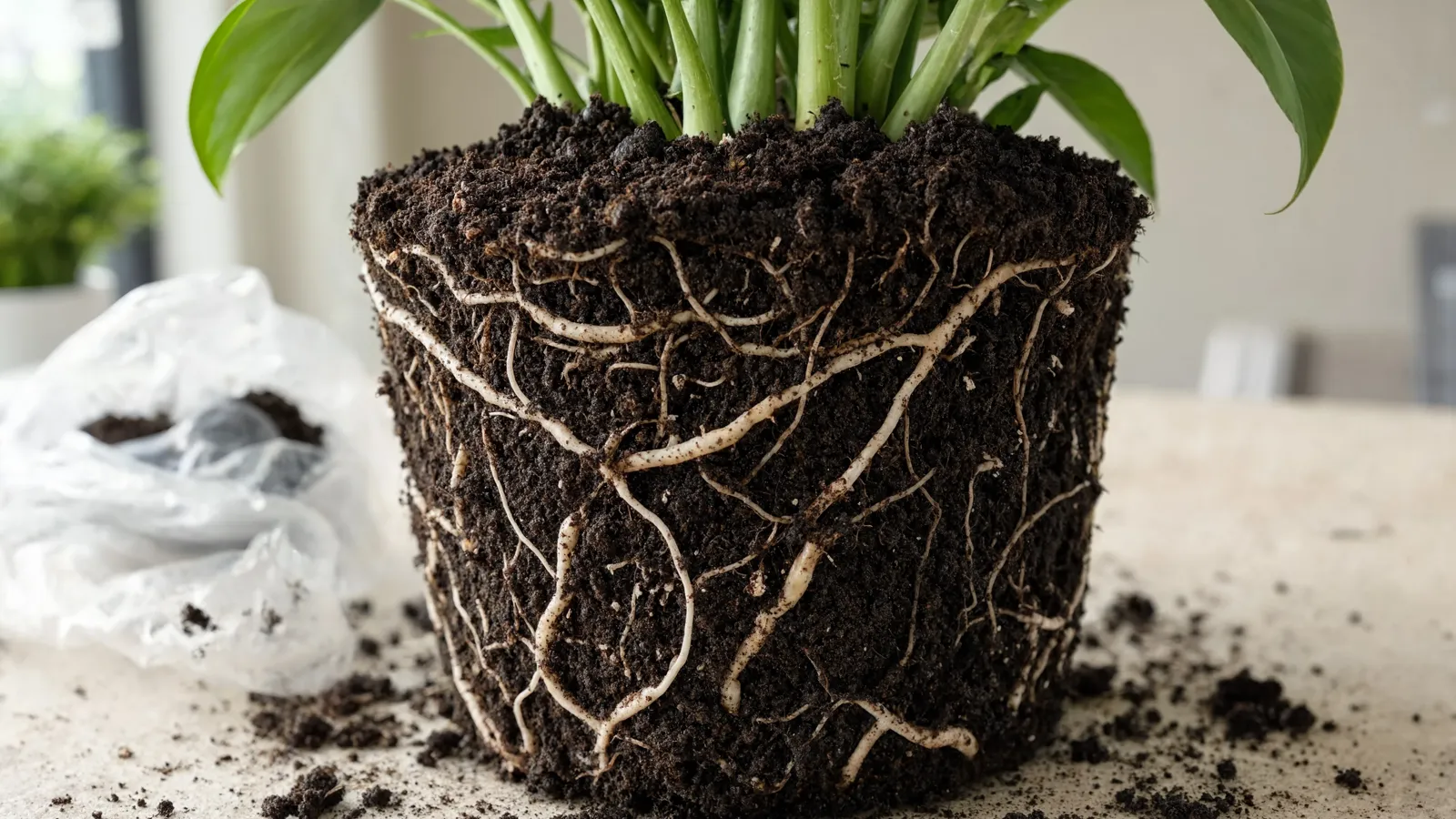
The plant shows chronic stunting, wilting during warm periods despite moist soil, and poor response to feeding. On unpotting, the roots bear characteristic swollen knots and galls, are reduced in fine feeder roots, and may be discoloured. These microscopic soil-dwelling roundworms invade root tissue, forming galls that disrupt water and nutrient transport.
Potential Causes
- 1Contaminated soil, garden compost, or infested plants introducing nematodes
- 2Reusing unsterilised substrate or shared tools between pots
- 3Warm soil temperatures favouring rapid nematode reproduction
- 4Outdoor-sourced material brought into the collection without treatment
Solution Steps
- 1Unpot the plant and rinse all soil from the roots to assess the extent of galling.
- 2Prune away the most heavily galled roots with sterilised tools, retaining as much healthy fine root as possible.
- 3A hot-water root dip (~50°C for 10 minutes) can kill nematodes within root tissue while sparing the plant.
- 4Repot into fresh, sterile substrate in a sanitised pot — never reuse infested soil.
- 5Discard old substrate in the rubbish, not the garden or compost, to avoid spreading the infestation.
- 6Maintain optimal growing conditions during recovery so the plant can regenerate clean feeder roots.
Prevention Tip
Always use fresh, sterile potting mix and avoid incorporating garden soil into containers — root-knot nematodes are introduced far more often than they arise spontaneously. Sterilise tools and pots between plants to prevent transferring them through your collection.
Related Issues to Explore

Root Mealybugs — Hidden Rhizoecus Infestation
Both nematodes and root mealybugs cause hidden, slow decline — galls distinguish nematodes from the white waxy deposits of root mealybugs.
Read guide
Root Rot — Pythium & Phytophthora Infection
Galled, nematode-damaged roots are far more susceptible to opportunistic rot pathogens — the two problems frequently compound each other.
Read guide
Compacted, Anaerobic Substrate
Both nematode galling and compacted substrate impair root function and cause unexplained stunting — an unpotting inspection distinguishes them.
Read guideMore Root Problems Problems
See all →
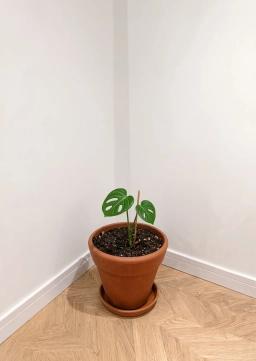
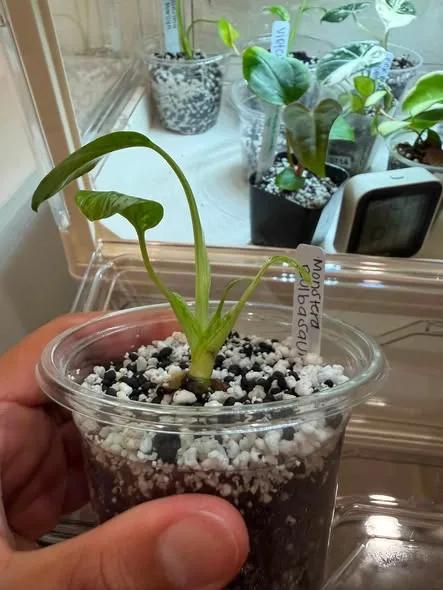
Real Monstera grow diaries
Growers on DailyGrowers log their plant week by week, one photo at a time. Here's how theirs are going.
Growing Monstera too? Start your own diary. It's free and takes 2 minutes.
Start my Monstera diary →