

Colocasia (Taro / Elephant Ear) Problems
Colocasia esculenta
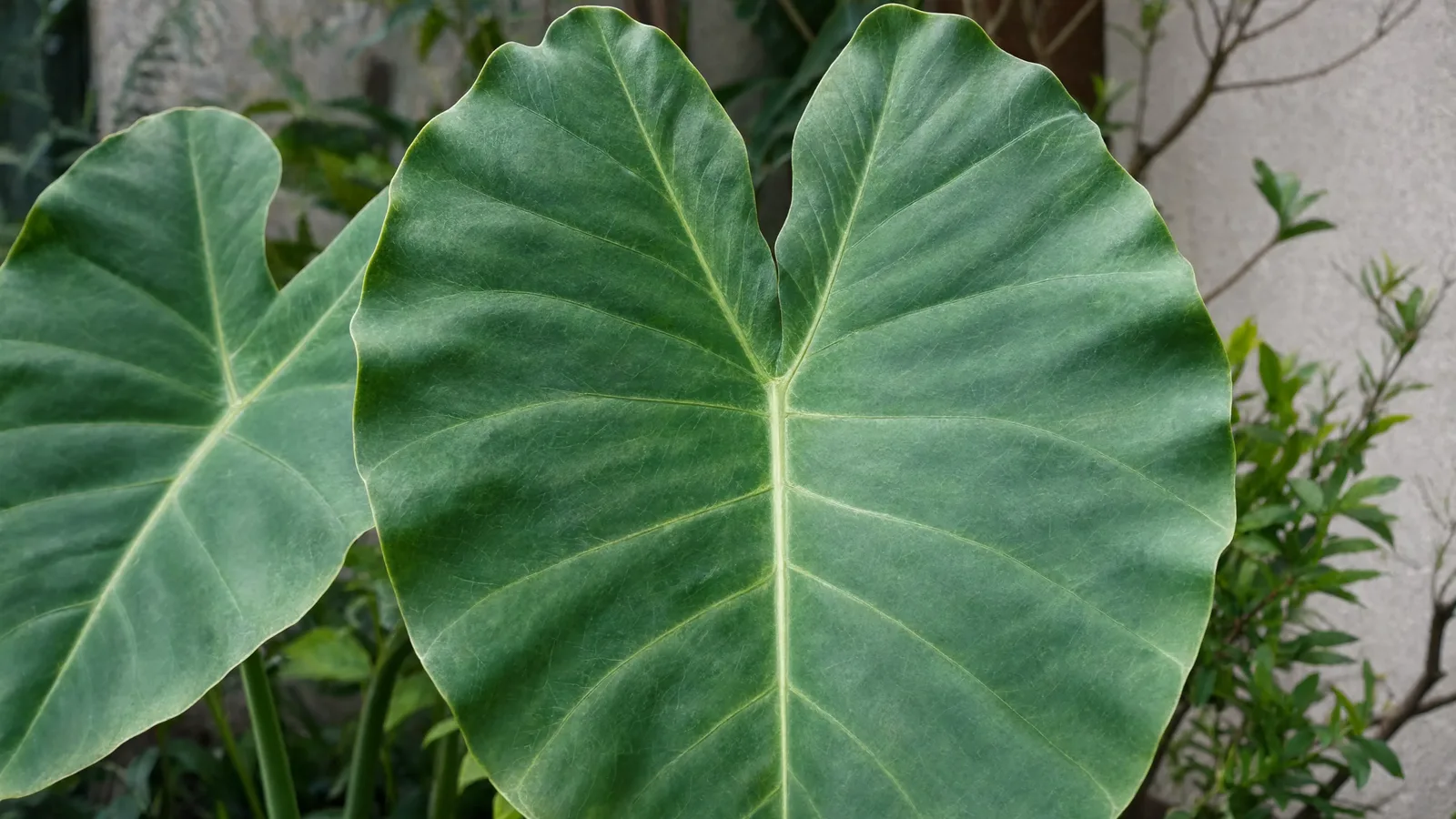
Colocasia is a bold, fast-growing tropical prized for its huge heart-shaped leaves, thriving with heat, humidity, and consistently moist (even boggy) soil — closely related to Alocasia but far more tolerant of wet feet.
All Colocasia (Taro / Elephant Ear) Problems
 ⚠ Minor
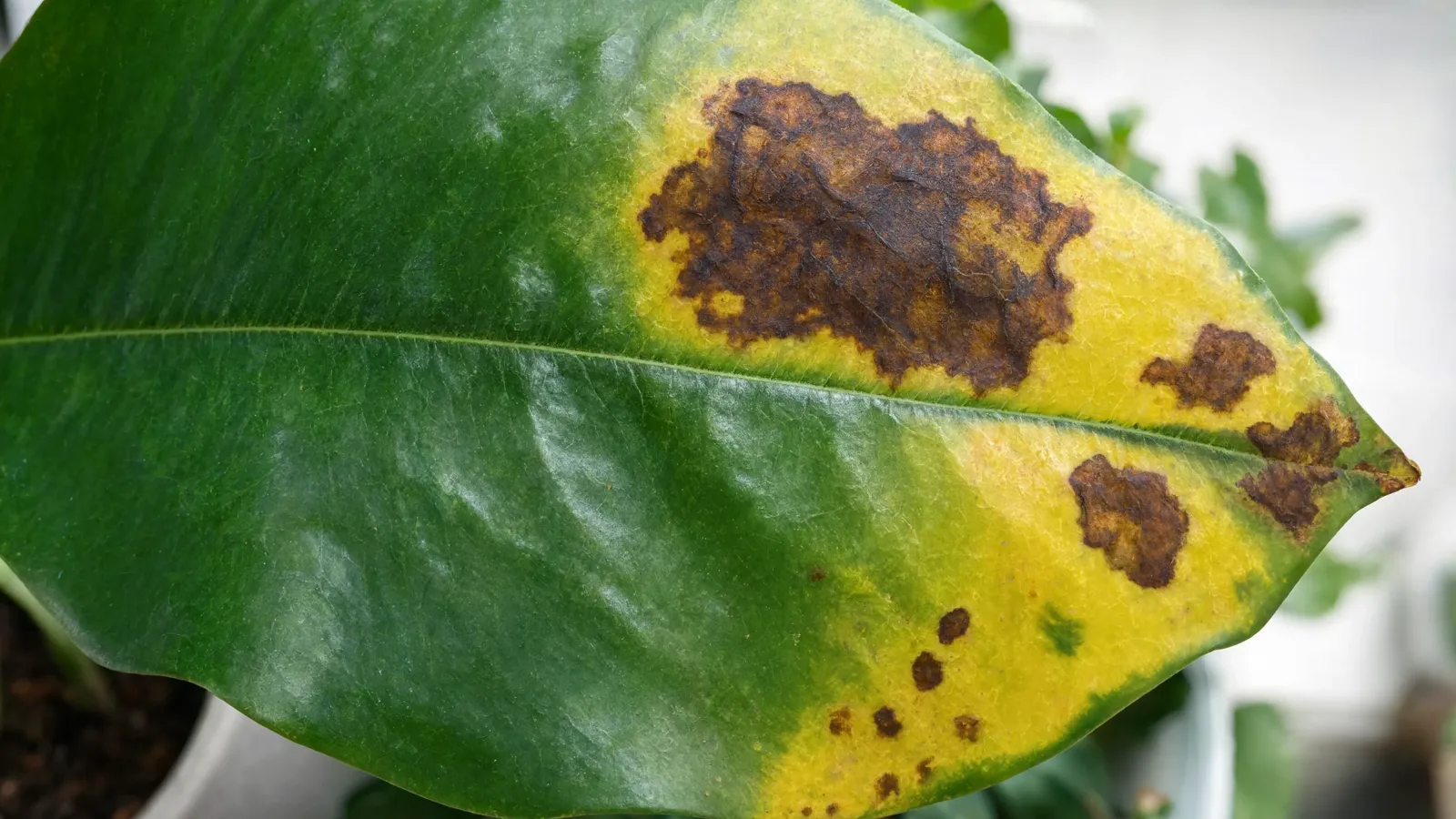
Colocasia (Taro / Elephant Ear) — Yellowing Leaves on Colocasia
A leaf turns yellow, sometimes starting at the base of the leaf stem, before eventually collapsing and dying back.
 ⚠ Moderate
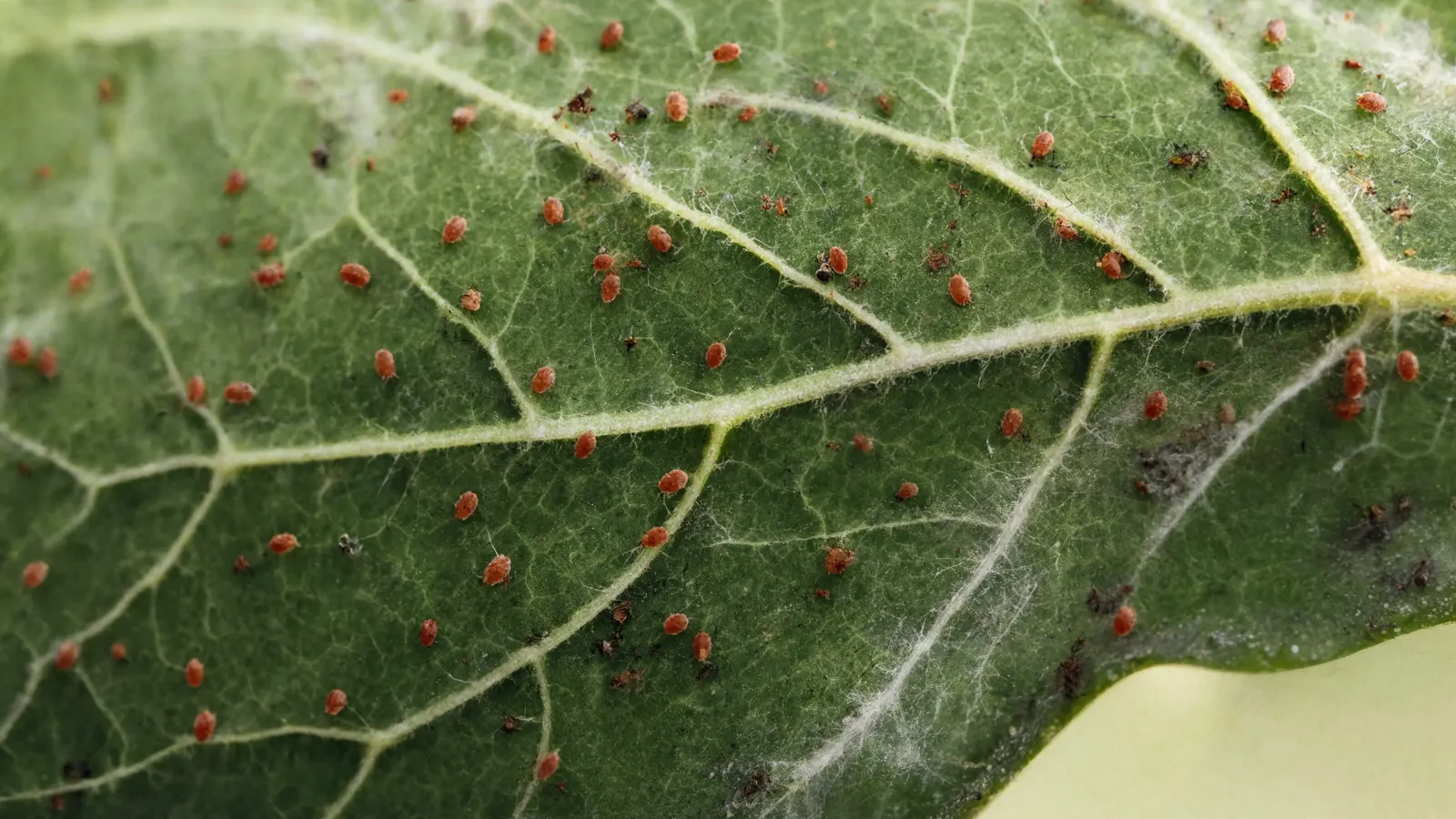
Colocasia (Taro / Elephant Ear) — Spider Mites on Colocasia
Fine yellow stippling spreads across leaves, with fine webbing visible on the underside in heavier infestations, especially in dry indoor conditions.
⚠ MinorColocasia (Taro / Elephant Ear) — Aphids on Colocasia
Small soft-bodied insects cluster on new, tender leaves and stems, sometimes causing distorted growth and sticky honeydew residue.
 ⚠ Moderate
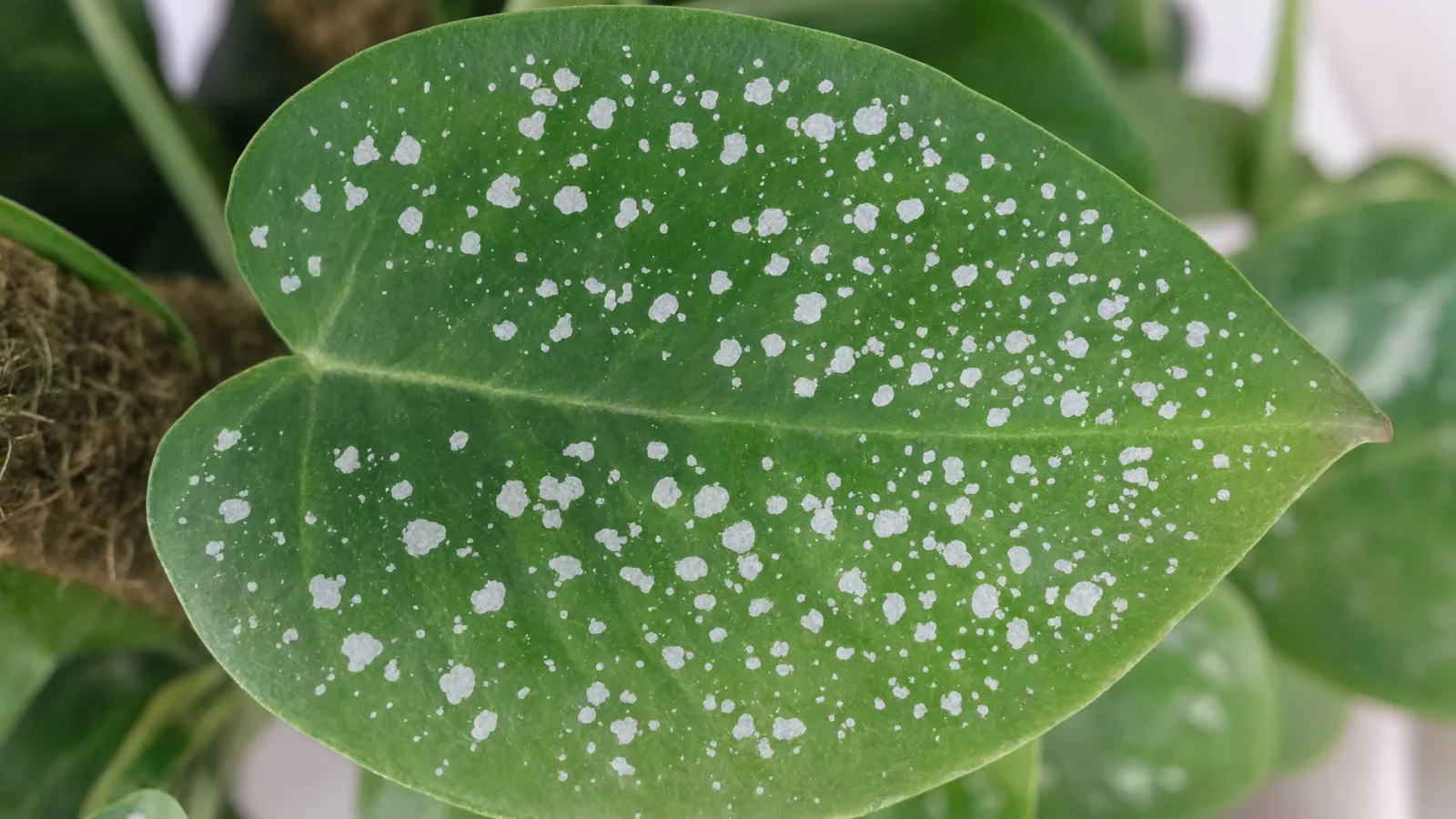
Colocasia (Taro / Elephant Ear) — Fungal Leaf Spot (Phyllosticta) on Colocasia
Small, circular, brown or tan spots with a distinct border appear on leaves, sometimes merging into larger dead patches in humid conditions.
 ⚠ Critical
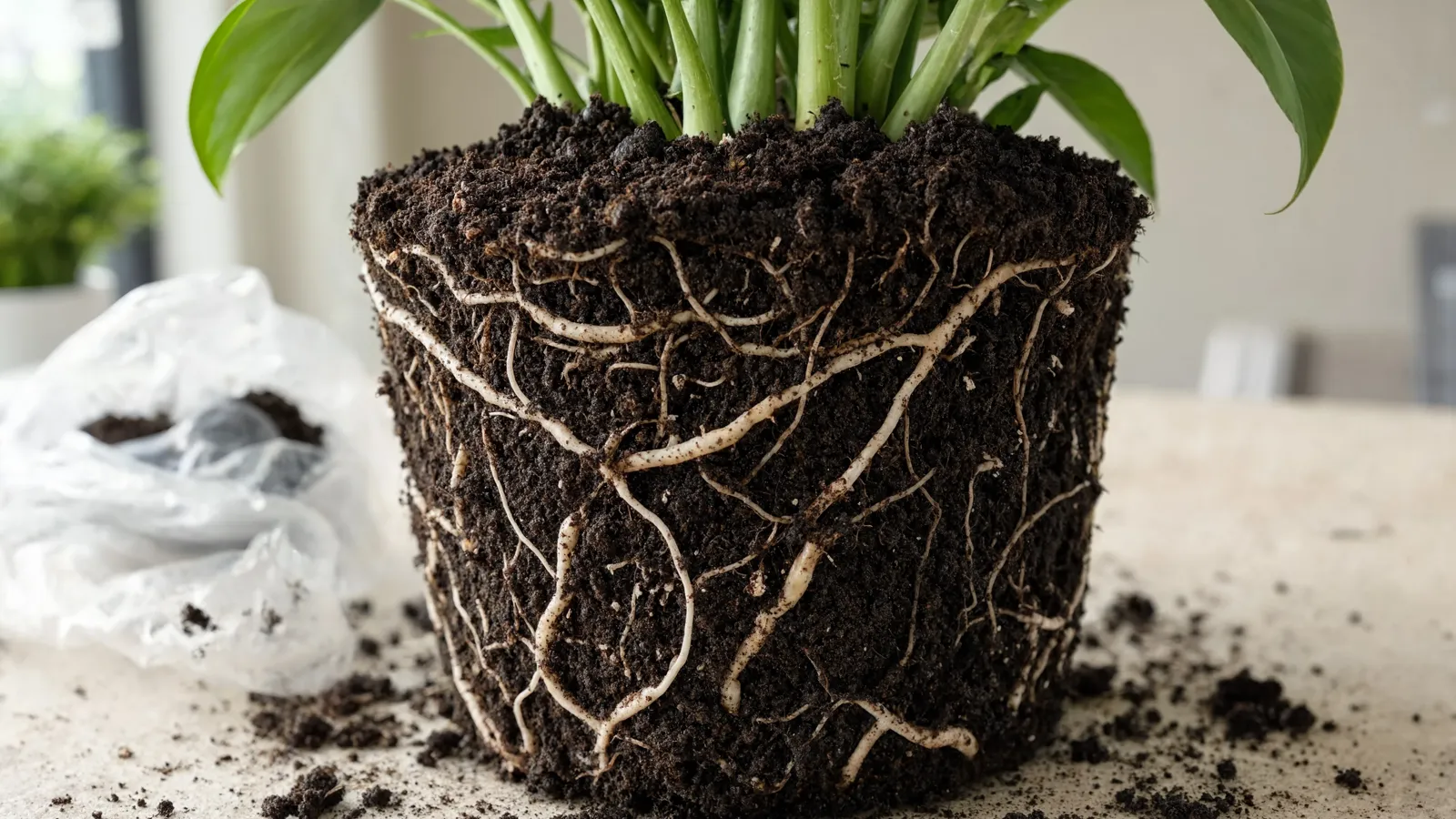
Colocasia (Taro / Elephant Ear) — Root Rot in Colocasia
The plant wilts or yellows despite consistently moist soil, and roots or the corm appear brown, mushy, and foul-smelling when checked.
 ⚠ Minor
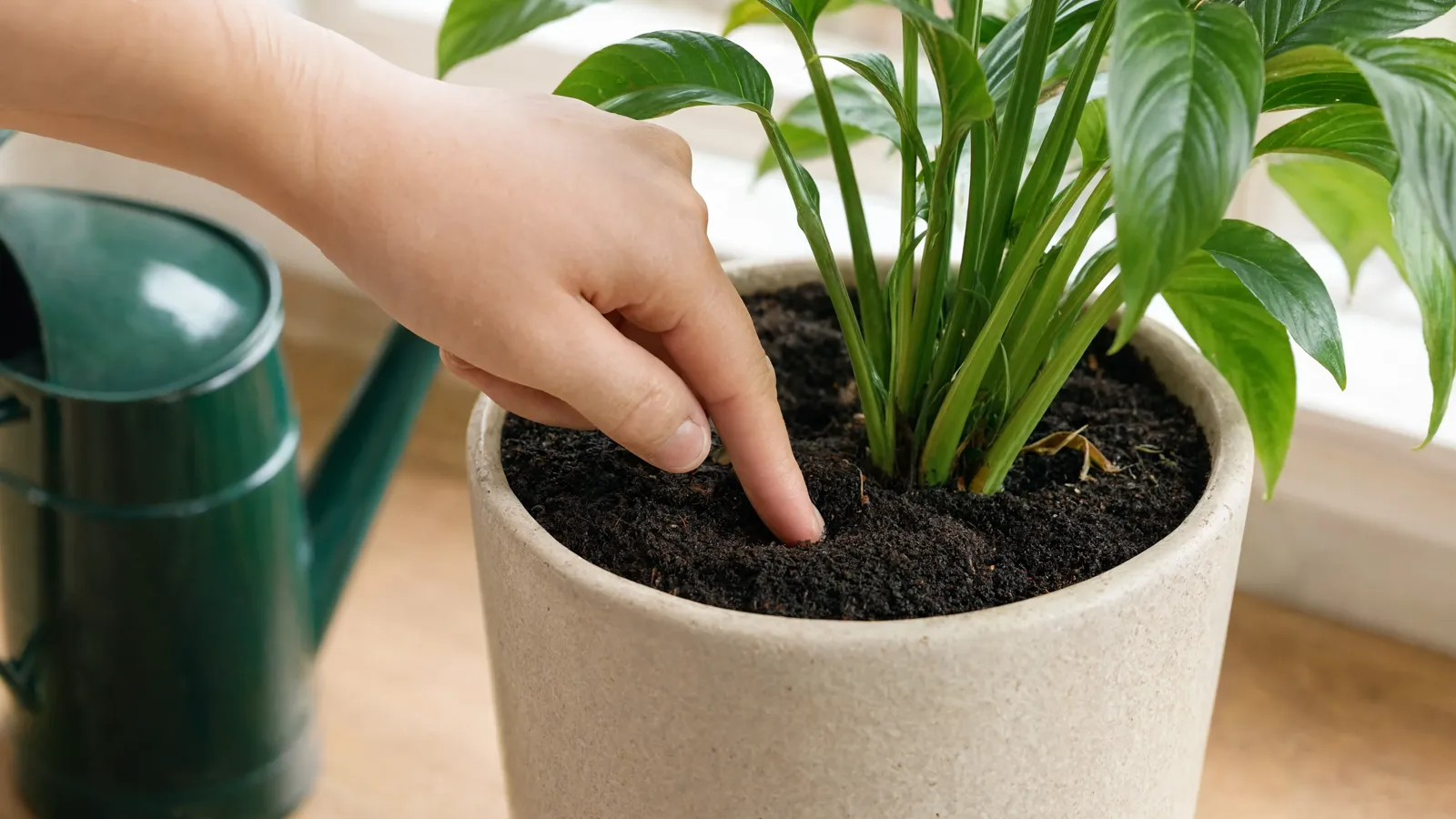
Colocasia (Taro / Elephant Ear) — Drooping Leaves on Colocasia
Large leaves droop or hang limply, sometimes recovering by evening or after watering, sometimes not.
 ⚠ Minor
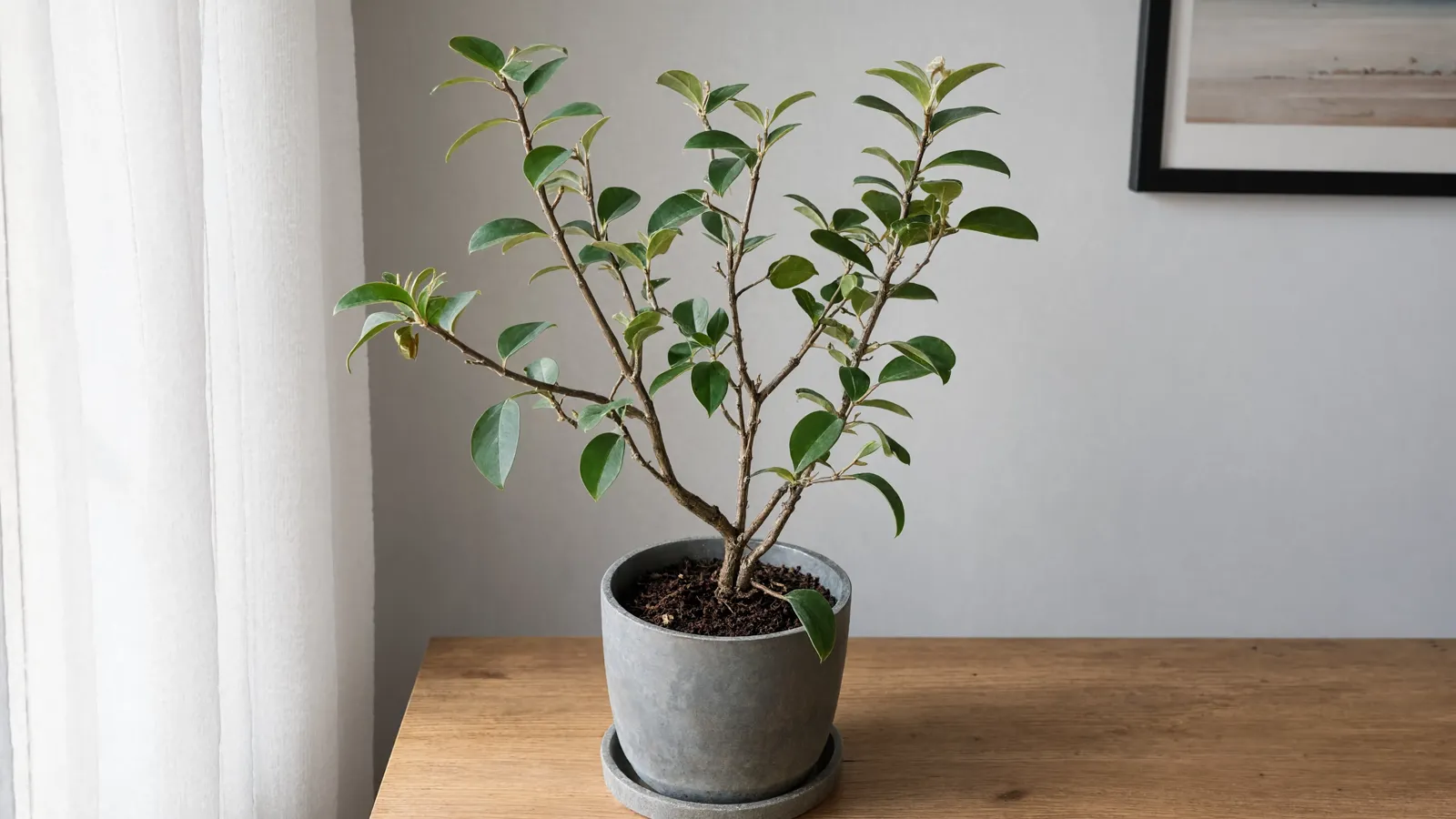
Colocasia (Taro / Elephant Ear) — Dormancy Die-Back in Colocasia
Leaves yellow and die back entirely, sometimes leaving what looks like a completely dead plant, typically as temperatures drop in autumn.
⚠ ModerateColocasia (Taro / Elephant Ear) — Cold Damage on Colocasia
Leaves develop translucent, water-soaked, or blackened patches after cold exposure, distinct from the natural yellowing die-back of seasonal dormancy.
⚠ MinorColocasia (Taro / Elephant Ear) — Slow or Stunted Growth in Colocasia
The plant produces small leaves or grows very slowly, falling short of the large, dramatic foliage this plant is known for.
⚠ ModerateColocasia (Taro / Elephant Ear) — Mealybugs on Colocasia
White, cottony masses cluster where leaf stems meet the main plant, secreting honeydew and weakening the plant over time.
⚠ CriticalColocasia (Taro / Elephant Ear) — Taro Leaf Blight (Phytophthora colocasiae)
Large, water-soaked lesions with a distinct dark border develop rapidly on leaves, sometimes producing droplets of yellowish fluid, and can destroy foliage within days in severe outbreaks.
⚠ CriticalColocasia (Taro / Elephant Ear) — Corm Rot in Colocasia
The underground corm turns soft, discoloured, and foul-smelling, with the plant showing poor growth or sudden collapse above ground as a result.
⚠ MinorColocasia (Taro / Elephant Ear) — Thrips on Colocasia
Silvery streaks and small dark specks appear on leaves, with rasped, discoloured patches developing over time, especially on new growth.
 ⚠ Minor
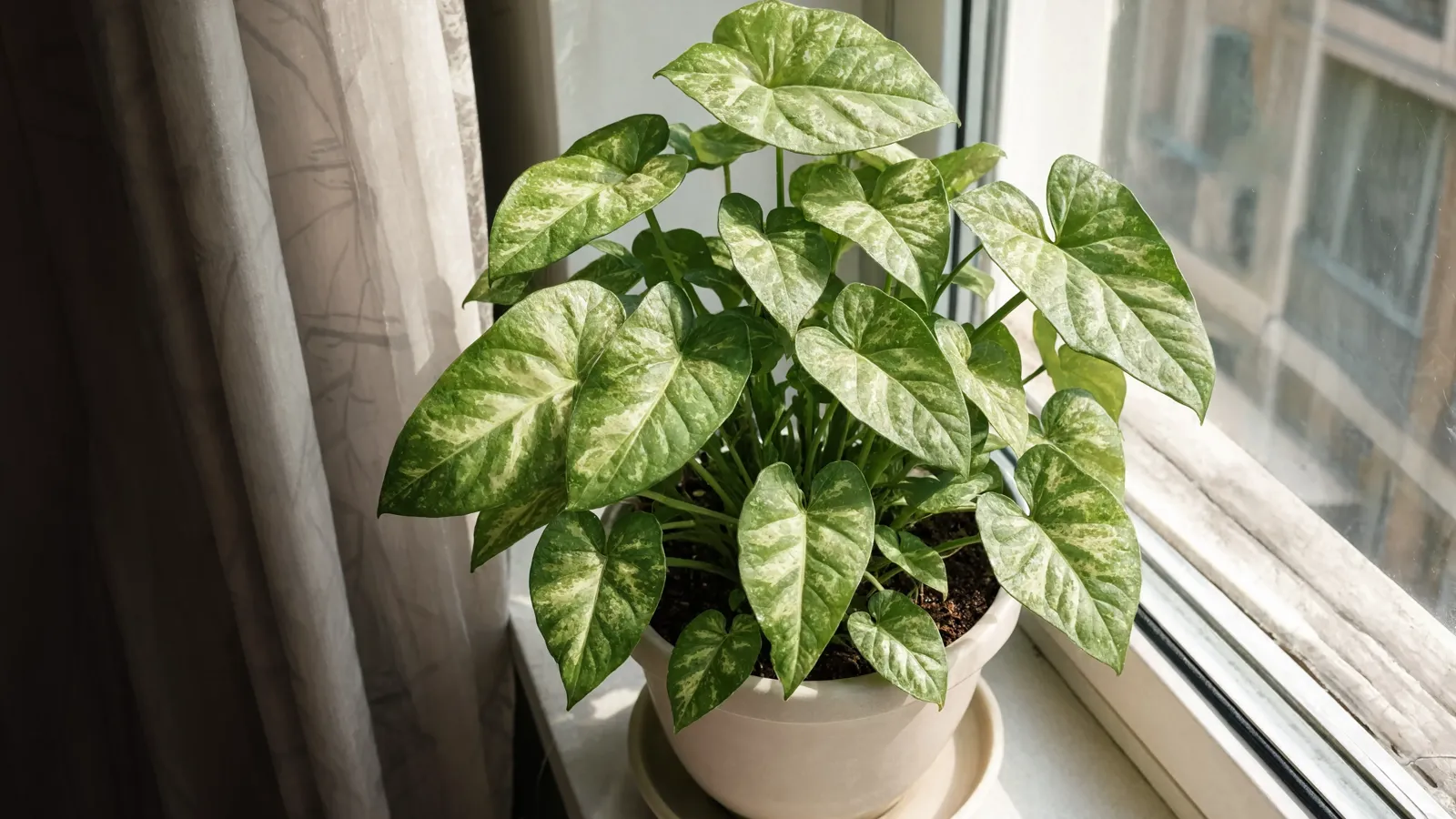
Colocasia (Taro / Elephant Ear) — Sunburn on Colocasia Leaves
A bleached, yellow-white, or brown patch develops on the leaf, usually on the side facing intense, direct midday sun, especially in varieties that prefer some shade.
⚠ MinorColocasia (Taro / Elephant Ear) — Small Leaves and Stunted Growth in Colocasia
The plant produces noticeably smaller leaves than expected for its variety, falling short of its typical dramatic size.
⚠ ModerateColocasia (Taro / Elephant Ear) — Whiteflies on Colocasia
Small white, moth-like insects fly up in a cloud when the plant is disturbed, with sticky honeydew residue and sometimes sooty mould developing on leaves.
 ⚠ Minor
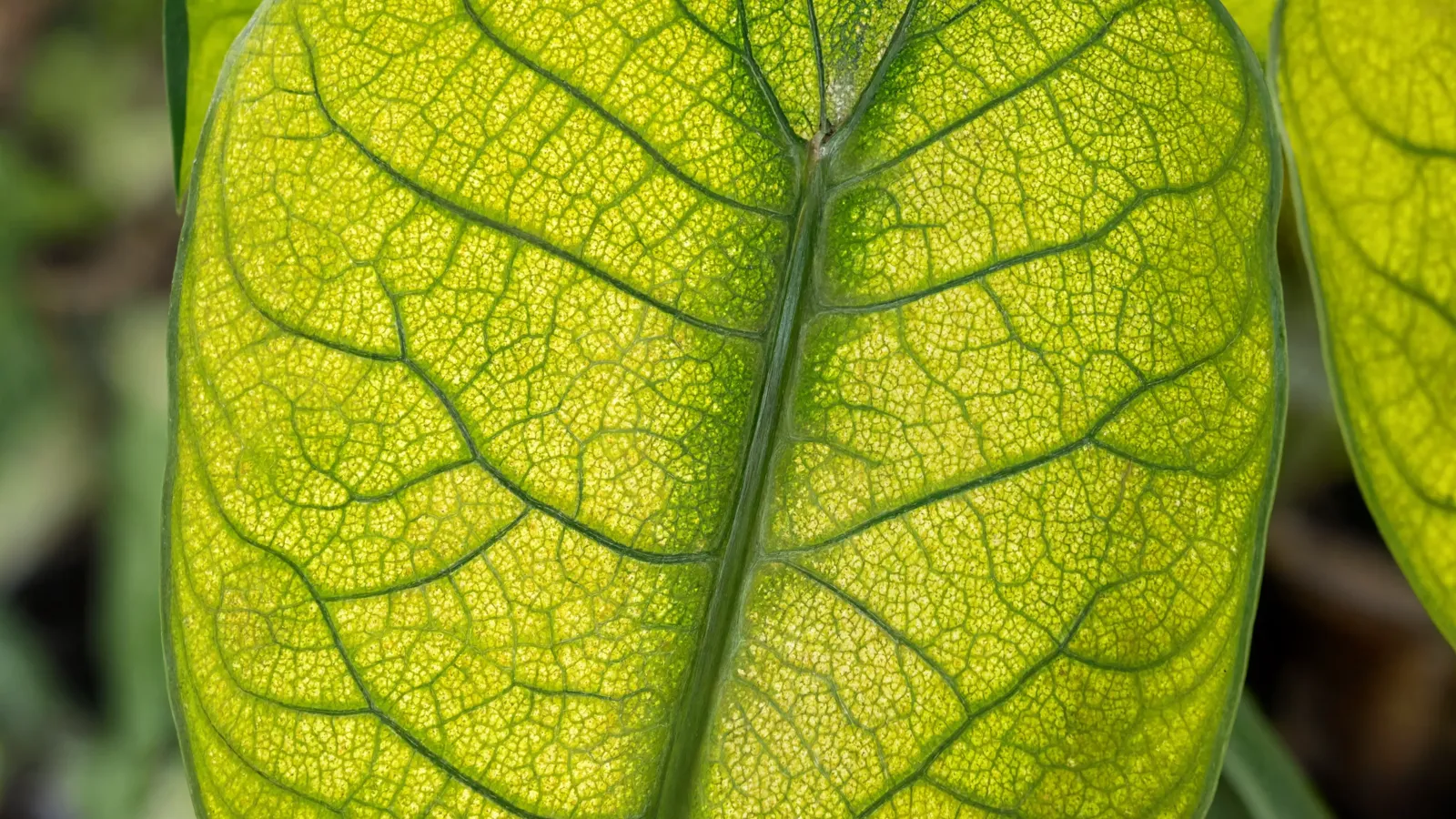
Colocasia (Taro / Elephant Ear) — Nutrient Deficiency Yellowing in Colocasia
Leaves turn pale yellow-green overall, or develop yellowing between the veins while veins themselves stay green, distinct from simple old-leaf senescence.
⚠ MinorColocasia (Taro / Elephant Ear) — Powdery Mildew on Colocasia
A white, powdery coating develops on leaf surfaces, particularly toward the end of the growing season or in humid conditions with poor airflow.
⚠ MinorColocasia (Taro / Elephant Ear) — Snails and Slugs on Colocasia
Irregular holes appear in leaves, often with a silvery slime trail visible nearby, especially after rain or in consistently moist growing conditions.
⚠ MinorColocasia (Taro / Elephant Ear) — Leaf Splitting from Wind Damage on Colocasia
Large leaves develop tears or splits, particularly along the natural vein lines, especially in exposed or windy locations.
Colocasia (Taro / Elephant Ear) Care Guide
Light, watering, humidity, fertilising, repotting and propagation — everything you need to keep your Colocasia (Taro / Elephant Ear) thriving.
Full care guide →Real Colocasia grow diaries
Growers on DailyGrowers log their plant week by week, one photo at a time. Here's how theirs are going.
 1 week
Colocasia Mania
@ccolocasimania
 1 week
Colocasia hybrid mania
@ccolocasimania
 1 week
Colocasia mania
@ccolocasimania
Growing Colocasia too? Start your own diary. It's free and takes 2 minutes.
Start my Colocasia diary →See how growers fixed these problems
Browse real Colocasia (Taro / Elephant Ear) grow diaries from the community — treatments, timelines, and results.
Browse community diaries →Common Colocasia (Taro / Elephant Ear) Questions
Why are my Colocasia leaves turning yellow?
A leaf turns yellow, sometimes starting at the base of the leaf stem, before eventually collapsing and dying back.… Read the full guide →
Does Colocasia need to go dormant in winter?
Fine yellow stippling spreads across leaves, with fine webbing visible on the underside in heavier infestations, especially in dry indoor conditions.… Read the full guide →
Why are my Colocasia leaves drooping?
Small soft-bodied insects cluster on new, tender leaves and stems, sometimes causing distorted growth and sticky honeydew residue.… Read the full guide →
How much water does Colocasia actually need?
Small, circular, brown or tan spots with a distinct border appear on leaves, sometimes merging into larger dead patches in humid conditions.… Read the full guide →