

Plant Comparison
Alocasia vs Colocasia
Alocasia and Colocasia are the two plants gardeners confuse most often — both are called "elephant ear", both throw huge dramatic leaves, and both are sold under the same label at garden centres. But they want almost opposite things from you. Alocasia rots in soggy soil; Colocasia can be grown standing in water. Here is how to tell them apart, and how to keep each one alive.
Alocasia
Alocasia spp.
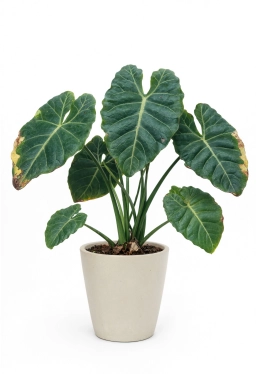
Alocasia — the Elephant Ear — produces dramatic arrow-shaped leaves but goes dormant in winter. It is susceptible to root rot, spider mites, low humidity, and crown rot.
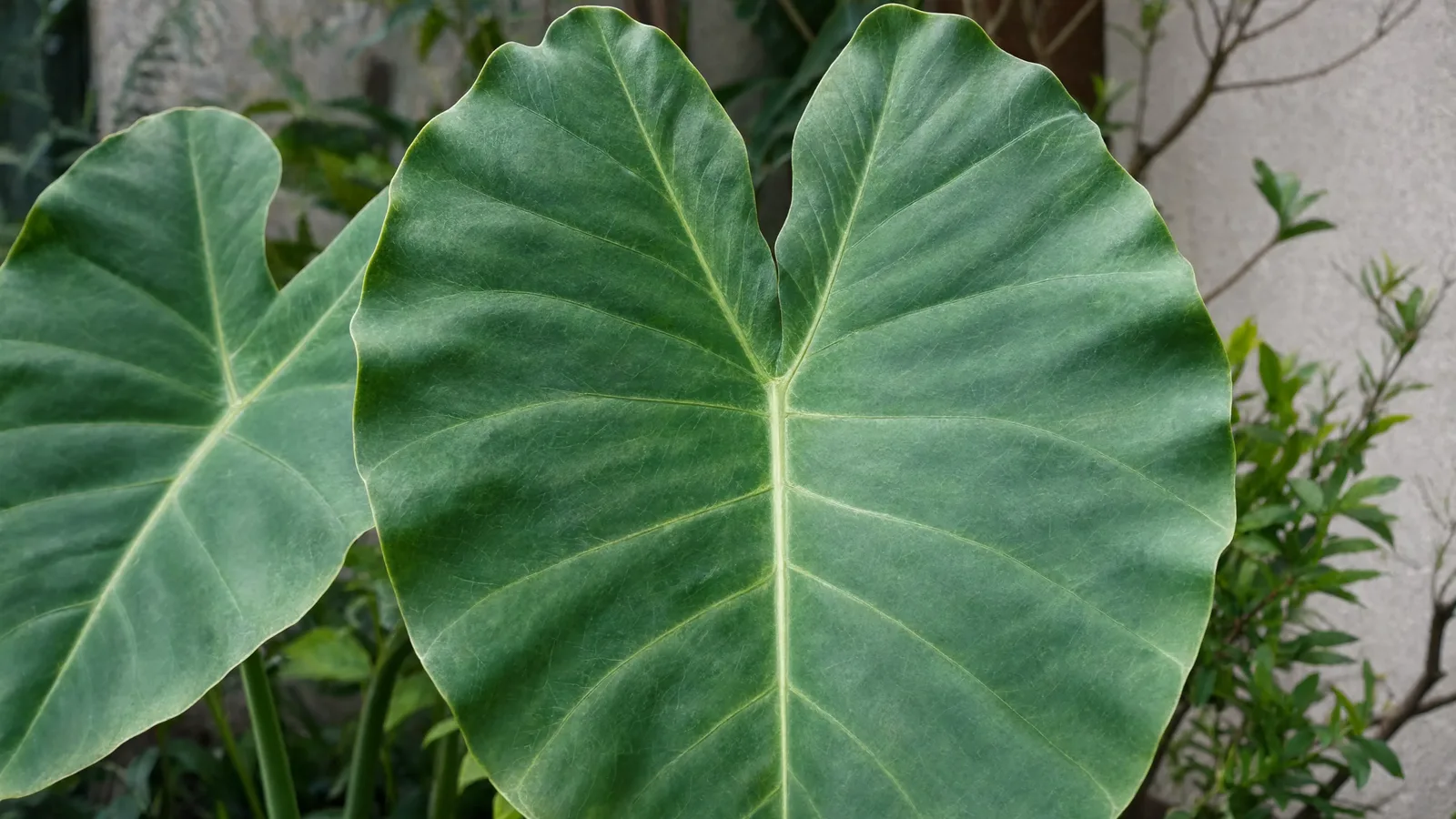
Colocasia (Taro / Elephant Ear)
Colocasia esculenta
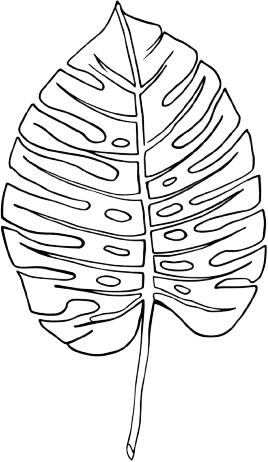
Colocasia is a bold, fast-growing tropical prized for its huge heart-shaped leaves, thriving with heat, humidity, and consistently moist (even boggy) soil — closely related to Alocasia but far more tolerant of wet feet.
Side-by-Side Comparison
Choose Alocasia if…
- ✓You want a striking indoor statement plant with upright, sculptural leaves
- ✓You can give bright indirect light and consistent humidity above 50%
- ✓You are happy to accept winter dormancy without assuming the plant has died
- ✓You want the dark, veined varieties — Polly, Zebrina, Black Velvet
Choose Colocasia (Taro / Elephant Ear) if…
- ✓You are planting outdoors, in a pond margin, or in a container that stays wet
- ✓You have full sun and want the fastest, largest leaves possible
- ✓You want a plant that is very hard to overwater
- ✓You want edible taro varieties rather than purely ornamental foliage
What They Have in Common
- •Both are aroids in the same family and are commonly sold as "elephant ear"
- •Both are toxic if eaten raw — Colocasia is only edible after thorough cooking
- •Both grow from tubers or rhizomes and can be divided to propagate
- •Both are cold-sensitive and need protection below roughly 15°C
The Verdict
The fastest test: look at where the leaf points. Alocasia holds its leaf tips up and away from the stem; Colocasia lets them droop, with the stem attaching inside the leaf blade. Once you know which you have, the care follows — keep Alocasia moist but well-drained and out of direct sun, and let Colocasia sit wet in as much sun as you can give it.
🐘 Alocasia
🌿 Colocasia (Taro / Elephant Ear)
Real Alocasia grow diaries
Growers on DailyGrowers log their plant week by week, one photo at a time. Here's how theirs are going.
 2 weeks
alocasia dragon scale
@yoyo
 1 week
Alocasia Frydek
@alocasias4life
 1 week
Конь Регал
@nataligroy
 1 week
Alocasia Sarian Albo
@alocasias4life
 1 week
Моя будущая дракониха
@nataligroy
 1 week
our new alocasia frydek wish my luck
@alexandra873
Growing Alocasia too? Start your own diary. It's free and takes 2 minutes.
Start my Alocasia diary →More rare plants and collector grows every day on Facebook: follow Exotics plants