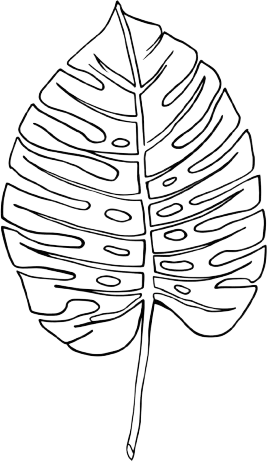
Plant Comparison
Philodendron Selloum vs Alocasia Portodora
Both of these are giant aroids bought to fill a large, empty corner, but they get there in very different shapes. Selloum spreads outward on a low, thick trunk with deeply cut, feathery lobed leaves — closer to a shrub than a upright plant. Portodora grows upward with broad, wavy, unlobed leaves on long petioles, reaching genuine ceiling height where Selloum stays wide rather than tall.
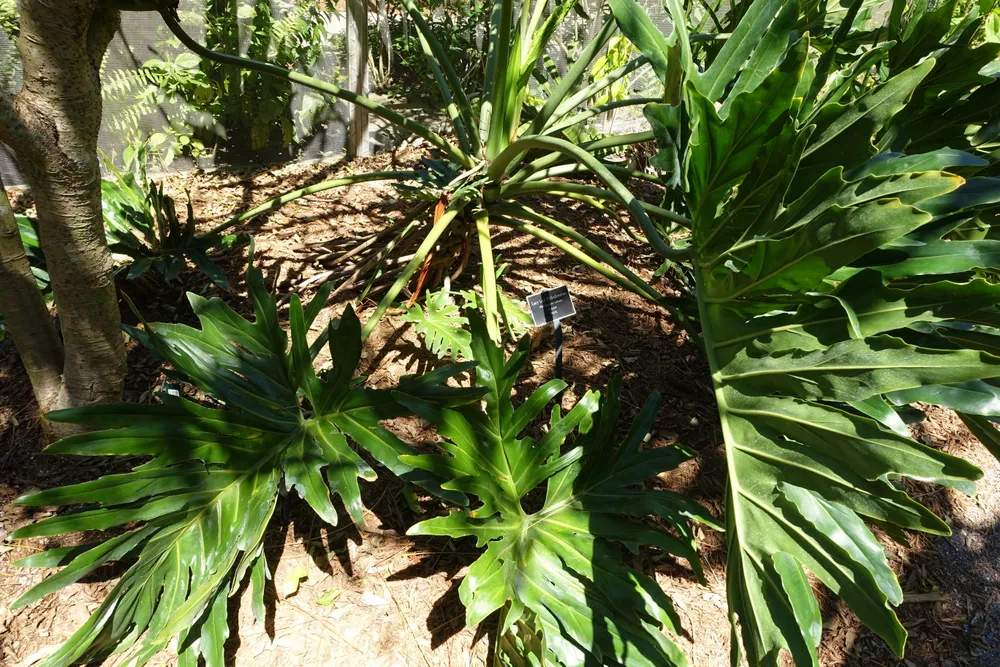
Philodendron Bipennatifidum (Selloum)
Thaumatophyllum bipennatifidum
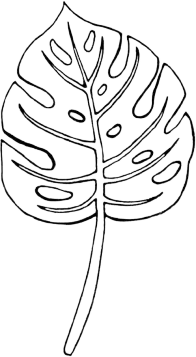
Giant self-heading Philodendron with deeply cut, feathery lobed leaves on a low, thick trunk. Spreads wide rather than growing tall.
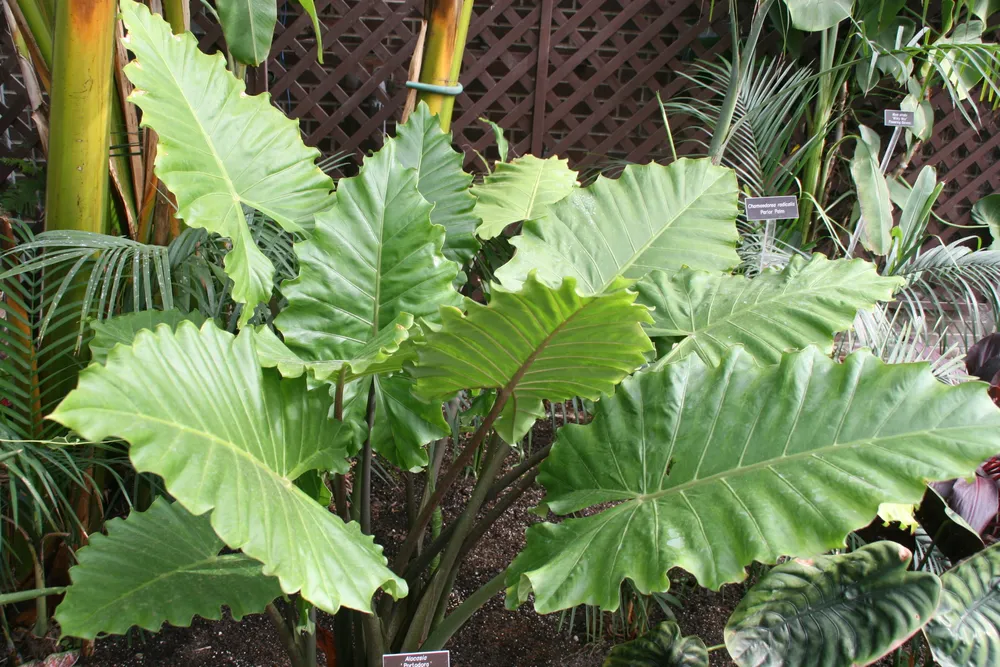
Alocasia Portodora
Alocasia 'Portodora'
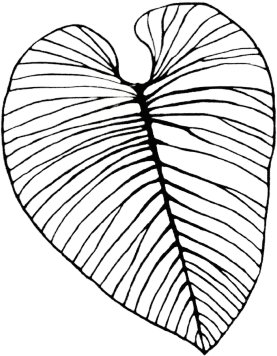
One of the largest Alocasia hybrids, with huge glossy, wavy-edged, unlobed leaves on tall petioles. Grows upward rather than outward.
Photo: Photo by David J. Stang / CC BY-SA 4.0 · Wikimedia CommonsSide-by-Side Comparison
Choose Philodendron Bipennatifidum (Selloum) if…
- ✓You have a wide, low space to fill rather than height
- ✓You want the most forgiving giant aroid, tolerant of average light and cooler rooms
- ✓You like the feathery, deeply cut leaf shape over a smooth unlobed one
- ✓You want a plant less bothered by winter cold than most Alocasias
Choose Alocasia Portodora if…
- ✓You have vertical space and want a plant that grows upward
- ✓You want the fastest possible growth and largest single leaves
- ✓You prefer smooth, broad, wavy-edged leaves to a deeply cut shape
- ✓You are growing outdoors in summer and can give it full sun
What They Have in Common
- •Both are giant aroids commonly bought to anchor a large empty space
- •Both are toxic if chewed and need calcium oxalate caution around pets and children
- •Both need regular feeding through the growing season to reach full size
- •Both eventually outgrow a small room and need real floor space
The Verdict
Choose by the shape of the space, not just its size. Selloum fills width at a manageable height and tolerates an average room; Portodora fills height fast but wants more light, more water, and a cold-free environment. A cool, dim corner favours Selloum; a bright, tall space with full sun favours Portodora.
🌴 Philodendron Bipennatifidum (Selloum)
🍃 Alocasia Portodora
Real Philodendron Bipennatifidum grow diaries
Growers on DailyGrowers log their plant week by week, one photo at a time. Here's how theirs are going.
 1 week
Philodendron propagation
@thepepperguy
 1 week
my Philodendron ordatum growth🪴🪴🪴
@spongyboby
 1 week
Propagation of Philodendron florida beauty
@tahibonursery
Growing Philodendron Bipennatifidum too? Start your own diary. It's free and takes 2 minutes.
Start my Philodendron Bipennatifidum diary →More rare plants and collector grows every day on Facebook: follow Exotics plants