


Mint Problems
Mentha species
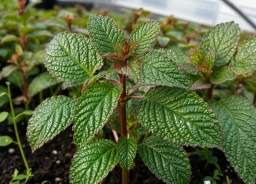
Mint is one of the most vigorous and rewarding herbs to grow. It thrives in containers, tolerates partial shade, and provides an almost continuous harvest of fresh leaves for cooking, tea, and cocktails.
All Mint Problems
 ⚠ Moderate
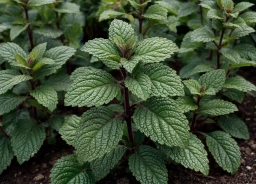
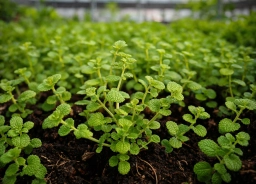
Mint — Powdery Mildew on Mint Leaves
A white, powdery coating develops on the upper surface of leaves, usually starting on older growth low in the patch. Affected leaves may curl slightly and eventually yellow and dry out.
 ⚠ Critical
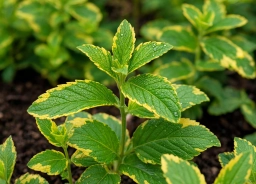
Mint Rust � Orange Pustules on Leaves and Stems
Small, bright orange, powdery pustules appear on the underside of leaves and along stems, typically emerging in spring from overwintering rhizomes. Severely affected shoots become distorted, and heavily infected plants can defoliate.
 ⚠ Minor
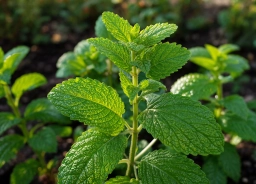
Mint — Leaf Spot on Mint
Small, circular brown or tan spots appear scattered across leaves, sometimes with a darker border. Spots may merge in severe cases, causing affected leaves to yellow and drop prematurely.
 ⚠ Moderate
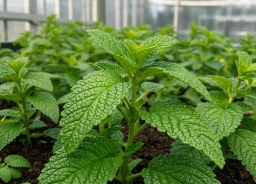
Mint — Spider Mites on Mint
Fine yellow or white stippling appears across leaf surfaces, with fine webbing visible between leaves and stems in more advanced infestations. Affected leaves can eventually dry out and drop.
 ⚠ Minor
Mint — Aphids on Mint Plants
Small clusters of soft-bodied insects gather on new shoot tips and the underside of young leaves, often accompanied by sticky honeydew residue and curling of affected foliage.
⚠ MinorMint — Yellowing Leaves on Mint
Leaves turn pale yellow, often starting with older, lower foliage while newer growth stays green. In containers, this is frequently accompanied by generally slower growth than expected.
 ⚠ Minor
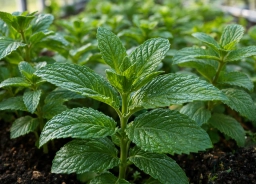
Mint — Leggy, Sparse Growth in Mint
Stems grow long and thin with widely spaced leaves, and the overall patch looks sparse and straggly rather than bushy and full, especially toward the middle or late season.
 ⚠ Critical
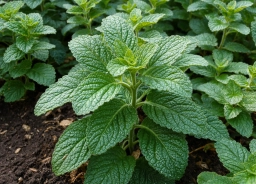
Mint — Root Rot in Container-Grown Mint
The plant wilts and looks generally unhealthy despite consistently moist soil. When checked, roots and the base of stems appear brown, soft, and mushy rather than firm and white.
 ⚠ Moderate
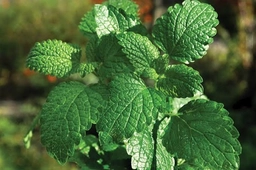
Mint — Wilting Mint Despite Regular Watering
Leaves droop and look limp even though the soil feels adequately moist, and the plant doesn't perk back up quickly after watering the way underwatered mint typically does.
 ⚠ Minor
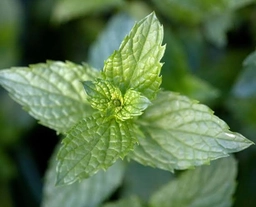
Mint Leaves Tasting Bitter
Harvested leaves taste noticeably more bitter or less fresh than expected, often coinciding with the plant flowering or with older, more mature growth being picked instead of fresh new leaves.
 ⚠ Minor
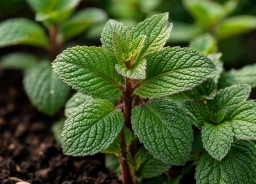
Mint Spreading Uncontrollably
Mint rapidly expands well beyond its original planting area via underground runners, popping up in unexpected parts of the garden and potentially crowding out neighbouring plants.
 ⚠ Minor
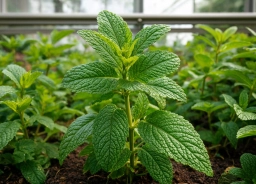
Mint — Flea Beetles on Mint Leaves
Numerous small, round holes appear scattered across leaves, giving them a distinctive 'shotgun' perforated appearance. Tiny, fast-moving dark beetles jump away when the plant is disturbed.
Mint Care Guide
Light, watering, humidity, fertilising, repotting and propagation — everything you need to keep your Mint thriving.
Full care guide →See how growers fixed these problems
Browse real Mint grow diaries from the community — treatments, timelines, and results.
Browse community diaries →Common Mint Questions
How do I stop mint from spreading?
A white, powdery coating develops on the upper surface of leaves, usually starting on older growth low in the patch. Affected leaves may curl slightly and eventually yellow and dry… Read the full guide →
Why does my mint taste bitter?
Small, bright orange, powdery pustules appear on the underside of leaves and along stems, typically emerging in spring from overwintering rhizomes. Severely affected shoots become … Read the full guide →
Can I grow mint indoors year-round?
Small, circular brown or tan spots appear scattered across leaves, sometimes with a darker border. Spots may merge in severe cases, causing affected leaves to yellow and drop prema… Read the full guide →
How often should I water mint?
Fine yellow or white stippling appears across leaf surfaces, with fine webbing visible between leaves and stems in more advanced infestations. Affected leaves can eventually dry ou… Read the full guide →