




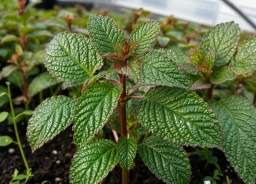
Mint Care Guide
Mentha species
Mint (Mentha species) is one of the most vigorous and rewarding herbs for home growers. It grows rapidly, tolerates a wide range of conditions, and produces abundantly with regular harvesting. Mint spreads aggressively via underground runners — growing in containers is the best way to prevent it from taking over a garden. A single pot of mint on a sunny windowsill can provide fresh leaves for cooking, tea, and cocktails all year round.
One of the easiest herbs to grow — the main challenge is containing its aggressive spreading.
Care Requirements
💡 Light
4–6+ hours sunMint tolerates partial shade better than most herbs — it can manage with 4 hours of sun, though 6+ hours produces the most vigorous growth and intense flavour. On a north-facing windowsill it will survive but grow slowly. Outdoors, mint does well in morning sun with afternoon shade in hot climates.
💧 Watering
Every 1–3 days — keep moistMint prefers consistently moist soil — it is more moisture-loving than most herbs. Water when the top 1–2 cm of soil begins to dry. Containers dry out quickly in summer; daily watering may be needed. Mint wilts dramatically when dry but recovers quickly with water.
💦 Humidity
40–70%Mint tolerates average indoor humidity well. Good airflow helps prevent powdery mildew, which can affect mint in humid, still conditions. If white powdery coating appears on leaves, improve ventilation and reduce overhead watering.
🌡️ Temperature
13–25°CMint is cold-hardy compared to most herbs — established outdoor plants survive frost in most temperate climates and regrow from underground runners in spring. Indoors, it grows year-round at normal room temperatures. Very hot conditions (above 30°C) can cause stress — keep soil moist and provide some shade.
🌱 Substrate
Rich, moist potting mixUse a good-quality potting mix that retains moisture well. Unlike most herbs, mint does not need a particularly free-draining substrate — it tolerates and even prefers moisture-retaining soil. A pot with drainage holes prevents waterlogging.
⚗️ Fertiliser
Every 4–6 weeksFeed with a balanced liquid fertiliser once a month during the growing season. Mint is not a heavy feeder — overfeeding with high nitrogen can reduce flavour intensity. Organic fertilisers suit mint well.
Seasonal Care
Mint is a perennial that dies back to the ground in winter in temperate climates and regrows vigorously from the root system in spring. Indoors, it can be grown year-round. Harvest before the plant flowers — mint flavour is most intense just before flowering. Regular harvesting delays flowering and extends the productive season.
Repotting
Repot every spring — mint fills its container with runners quickly and becomes pot-bound. Divide the root ball to create new plants. Always grow in containers with drainage holes. Avoid planting directly in garden soil unless you want mint to spread — it is extremely invasive and difficult to remove once established.
Propagation
Propagate by division (split the root ball), by stem cuttings (place in water for 1–2 weeks until roots develop), or from runners (sections of underground stem with nodes). Mint rarely comes true from seed and is almost always propagated vegetatively. Growing from cuttings is the fastest way to get a flavourful plant.
Mint FAQs
How do I stop mint from spreading everywhere?
Grow mint in containers — this is the only reliable way to contain it. In garden beds, plant in buried containers (bottomless buckets or large pots sunk into the ground) to restrict root spread. Mint spreads through underground runners and can take over large areas within a season if not contained.
Why does my mint taste bitter?
Mint becomes bitter after it has flowered (bolted) or when it is stressed by heat, drought, or root congestion. Pinch off flower spikes as soon as they appear and harvest regularly. If the plant is root-bound, repot into fresh compost. Flavour is best on new growth produced after harvesting.
Can I grow mint indoors year-round?
Yes — mint grows well indoors year-round on a bright windowsill or under grow lights. It needs at least 4–6 hours of light daily. Provide normal room temperatures (above 13°C), keep the soil moist, and harvest regularly. A single pot provides an almost continuous supply of fresh leaves.
Something wrong with your Mint?
Browse our full diagnosis guide — identification, treatment, and prevention for every common Mint problem.
Mint Problem Guide →Common Mint Pests
Aphid
Soft-bodied sap-sucking insects that colonise new growth rapidly, excreting honeydew that leads to sooty mould.
View guide →
Spider Mite
Microscopic arachnids that cause bronze stippling and fine webbing, thriving in hot, dry indoor conditions.
View guide →
Thrips
Slender, 1–2 mm insects that rasp leaf surfaces causing silvery scarring and deformed new growth.
View guide →
Fungus Gnat
Small black flies whose larvae feed on roots in moist organic substrate, causing wilting and yellowing.
View guide →
Compare Mint
More Care Guides
.webp)
.webp)
🌱
Growing Mint? Track every week.
Log weekly updates, photos, and harvest notes — and see how your grow compares to others.