




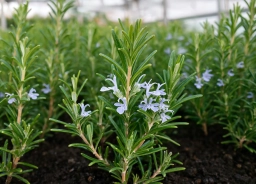
Rosemary Problems
Salvia rosmarinus
Rosemary is a low-maintenance Mediterranean herb that thrives on neglect, full sun, and sharp drainage. Once established, it is one of the most drought-tolerant herbs you can grow — perfect for busy gardeners.
All Rosemary Problems
 ⚠ Critical
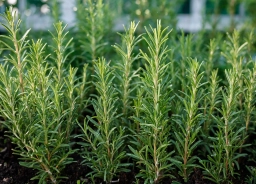
Rosemary — Root Rot in Rosemary
The plant wilts, browns, and eventually dies despite what looks like adequate watering. Roots, when checked, are brown, soft, and mushy rather than firm and pale, often with a sour or musty smell.
 ⚠ Moderate
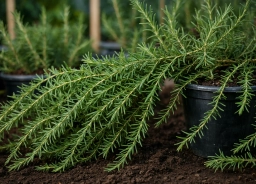
Rosemary Turning Brown and Dying Back
Sections of the plant, or the whole plant, turn brown and dry, with needles becoming brittle and falling off. New growth may stop appearing entirely on affected stems.
 ⚠ Minor
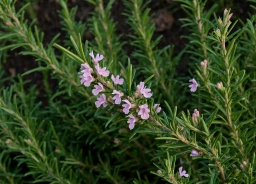
Rosemary — Powdery Mildew on Rosemary
A white, powdery coating develops on stems and needle-like leaves, usually in humid, still conditions. Affected growth can look dusty grey-white and may weaken over time.
 ⚠ Minor
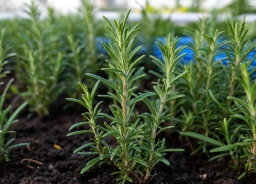
Rosemary — Leggy, Woody Rosemary With Sparse New Growth
The plant develops long, bare, woody stems with foliage clustered only at the tips, giving it a sparse, straggly appearance rather than the dense, bushy form rosemary can have with regular care.
 ⚠ Moderate
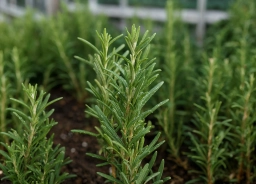
Rosemary Not Surviving Winter Outdoors
The plant appears to die back significantly or completely over winter, with brown, dry foliage and no new growth appearing once spring arrives, particularly in regions with hard frosts.
 ⚠ Minor
Rosemary — Spider Mites on Rosemary
Fine stippling or a dusty, dull appearance develops on needle-like leaves, with fine webbing visible between stems in advanced infestations. Affected foliage can dry out and drop.
 ⚠ Minor
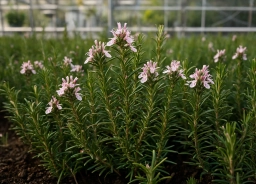
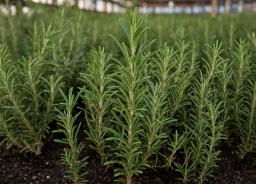
Rosemary — Yellowing Leaves on Rosemary
Needle-like leaves turn pale yellow, sometimes starting with older, lower growth. The plant may also look generally less vigorous than expected.
 ⚠ Minor
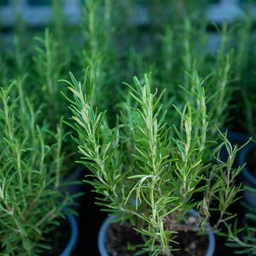
Rosemary — Aphids on Rosemary New Growth
Small clusters of soft-bodied insects gather on tender new shoot tips, sometimes leaving sticky honeydew residue behind. Affected new growth may look slightly distorted.
 ⚠ Minor
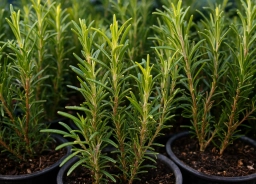
Rosemary Struggling Indoors With Slow, Weak Growth
The plant produces thin, weak, sparse growth when kept indoors, often stretching toward a window and looking noticeably less vigorous than rosemary grown outdoors in full sun.
 ⚠ Moderate
Rosemary — Grey Mould (Botrytis) on Rosemary
A fuzzy grey-brown mould develops on stems and foliage, usually starting on damaged, dying, or densely packed growth. Affected sections soften and can collapse if the infection spreads.
⚠ MinorRosemary Not Flowering
The plant grows healthy foliage but produces few or no of its characteristic small blue-purple flowers, even though it appears otherwise vigorous and well established.
Rosemary Care Guide
Light, watering, humidity, fertilising, repotting and propagation — everything you need to keep your Rosemary thriving.
Full care guide →See how growers fixed these problems
Browse real Rosemary grow diaries from the community — treatments, timelines, and results.
Browse community diaries →Common Rosemary Questions
Why is my rosemary turning brown and dying?
The plant wilts, browns, and eventually dies despite what looks like adequate watering. Roots, when checked, are brown, soft, and mushy rather than firm and pale, often with a sour… Read the full guide →
Can rosemary survive winter outdoors?
Sections of the plant, or the whole plant, turn brown and dry, with needles becoming brittle and falling off. New growth may stop appearing entirely on affected stems.… Read the full guide →
How often should I water rosemary?
A white, powdery coating develops on stems and needle-like leaves, usually in humid, still conditions. Affected growth can look dusty grey-white and may weaken over time.… Read the full guide →
How do I prune rosemary?
The plant develops long, bare, woody stems with foliage clustered only at the tips, giving it a sparse, straggly appearance rather than the dense, bushy form rosemary can have with… Read the full guide →