
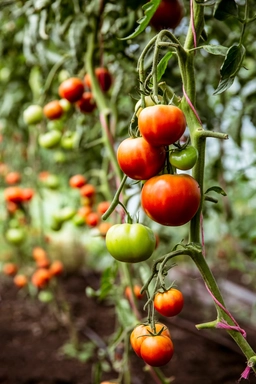
Tomato Problems
Solanum lycopersicum
Tomatoes are one of the most popular plants to grow at home — in containers, raised beds, or indoors under lights. They need full sun, consistent watering, and regular feeding to produce a great harvest.
All Tomato Problems
 ⚠ Moderate
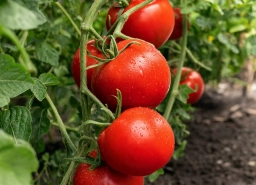
Tomato — Blossom End Rot on Tomatoes
A sunken, dark brown to black leathery patch develops on the bottom of the fruit, opposite the stem. The rest of the tomato looks otherwise normal, and the lesion doesn't spread as fuzzy mould, though it can allow secondary rot to move in.
 ⚠ Moderate
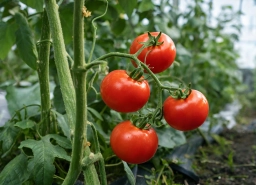
Tomato Flowers Dropping Before Fruiting
Flowers form normally but wither and fall off within a few days without setting fruit. The plant continues producing new flowers, but very few actually develop into tomatoes.
 ⚠ Minor
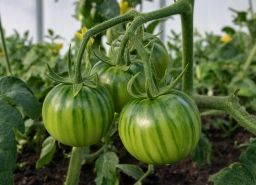
Tomato — Leaf Curl on Tomato Plants
Leaves curl upward along their length, sometimes becoming slightly leathery. New growth may emerge already curled. The plant otherwise continues growing, though the distorted foliage looks stressed.
 ⚠ Moderate
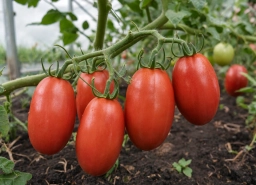
Tomato — Early Blight on Tomato Leaves
Dark brown spots with concentric rings, resembling a target or bullseye, appear on older, lower leaves first. A yellow halo often surrounds each spot, and severely affected leaves yellow entirely and drop.
 ⚠ Critical
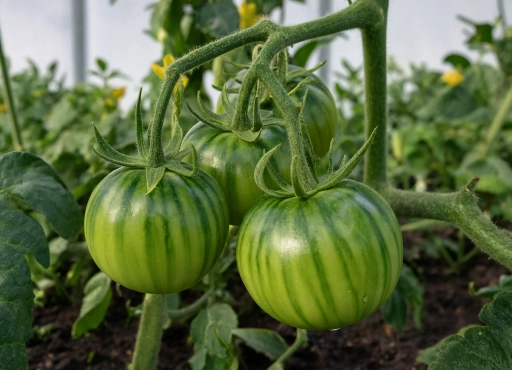
Tomato — Late Blight on Tomato Plants
Large, irregular, water-soaked grey-green patches spread rapidly across leaves, often with a white fuzzy mould visible on the underside in humid conditions. Stems can develop dark lesions, and fruit shows firm, brown, irregular blotches. The disease can destroy an entire plant within days.
 ⚠ Minor
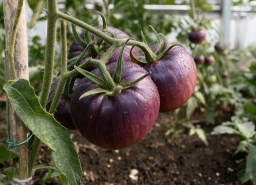
Tomato — Excessive Sucker Growth Reducing Tomato Yield
The plant produces many small side shoots (suckers) growing from the junction between the main stem and each leaf branch, resulting in a dense, sprawling plant with abundant foliage but fewer, smaller fruit than expected.
 ⚠ Minor
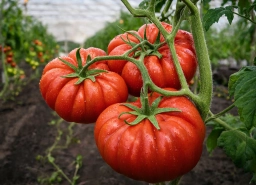
Tomato — Fruit Cracking and Splitting on Tomatoes
Concentric rings or radial cracks appear on the skin of ripening fruit, sometimes exposing the flesh underneath. Cracked fruit is still often edible if harvested promptly, but is more prone to rot.
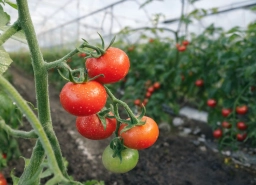 ⚠ Moderate
Tomato — Aphids on Tomato Plants
Clusters of small, soft-bodied insects gather on new growth, stem tips, and the underside of young leaves. Affected leaves may curl and become sticky with honeydew, sometimes followed by black sooty mould.
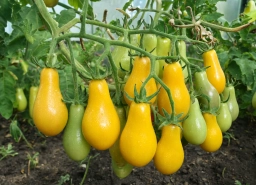 ⚠ Moderate
Tomato Hornworms Defoliating Plants
Large sections of foliage disappear rapidly, sometimes overnight, along with dark green droppings on leaves below the feeding site. Large, well-camouflaged green caterpillars with a distinctive horn-like tail can be found on the plant once you look closely.
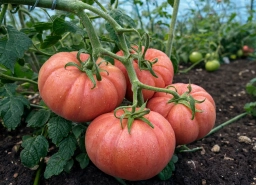 ⚠ Minor
Tomato — Yellowing Leaves � Nutrient Deficiency in Tomatoes
Older, lower leaves turn pale yellow or develop yellowing between the veins while the veins themselves stay green, depending on which nutrient is short. Growth may also slow overall.
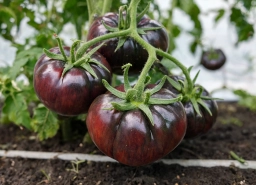 ⚠ Moderate
Tomato — Septoria Leaf Spot on Tomatoes
Numerous small, circular spots with dark brown borders and pale grey centres appear across lower leaves first, each spot often containing tiny black specks (fungal fruiting bodies) visible on close inspection. Heavily affected leaves yellow and drop.
 ⚠ Critical
Tomato — Root Rot in Container-Grown Tomatoes
The plant wilts despite moist soil, with lower leaves yellowing and dropping. Roots, when checked, are brown, soft, and mushy rather than firm and white, sometimes with a sour smell from the soil.
 ⚠ Critical
Tomato — Fusarium Wilt on Tomato Plants
Lower leaves yellow on one side of the plant first, then wilt during the heat of the day and partially recover overnight, before the whole plant declines. Cutting the stem reveals brown discolouration in the vascular tissue.
⚠ CriticalTomato — Verticillium Wilt on Tomato Plants
V-shaped yellow lesions form on lower leaf margins, spreading inward, while the plant wilts gradually over weeks rather than collapsing suddenly. Vascular tissue shows a lighter tan-brown streaking than Fusarium wilt, and symptoms appear in cooler weather.
⚠ CriticalTomato — Bacterial Canker on Tomato
Leaf margins brown and curl upward starting from the bottom of the plant, often on just one side of a leaf or stem. Stems may develop dark streaks or open cankers, and fruit can show small white-haloed 'bird's-eye' spots.
⚠ ModerateTomato — Whiteflies on Tomato Plants
Tiny white moth-like insects fly up in a cloud when the plant is disturbed, clustering on the underside of upper leaves. Sticky honeydew coats lower foliage, often followed by black sooty mould, and heavily infested plants weaken and yellow.
 ⚠ Moderate
Tomato — Spider Mites on Tomato Plants
Fine yellow stippling spreads across leaf surfaces, with fine webbing visible between leaves and stems in advanced infestations. Affected leaves eventually bronze, dry out, and drop, especially during hot, dry weather.
⚠ ModerateTomato — Leaf Mold on Tomato Plants
Pale yellow patches appear on the upper leaf surface, with an olive-green to grey-brown velvety mould growing directly beneath them on the underside. Common in greenhouse and high-tunnel tomatoes with limited airflow.
⚠ MinorTomato — Catfacing — Deformed, Scarred Tomato Fruit
Fruit develops puckered, scarred, or malformed blossom ends, sometimes with deep folds or cavities, most common on the first fruits of the season on large-fruited varieties.
⚠ MinorTomato — Sunscald on Tomato Fruit
A pale yellow to white blistered patch develops on the side of the fruit facing direct sun, often after sudden exposure following pruning or foliage loss. The patch can later dry into a papery, sunken scar.
⚠ MinorTomato — Magnesium Deficiency in Tomatoes
Yellowing appears between the leaf veins while the veins themselves stay distinctly green, starting on older, lower leaves and progressing upward if untreated. Leaf edges may curl slightly upward.
⚠ ModerateTomato — Powdery Mildew on Tomato Leaves
A white to grey powdery coating spreads across the upper leaf surface, typically starting on older leaves. Unlike tomato-specific leaf mold, this coating is dry and dusty, not velvety, and can occur even in relatively dry conditions.
⚠ CriticalTomato Yellow Leaf Curl Virus (TYLCV)
New leaves emerge small, cupped upward, and yellow along the margins, with the whole plant becoming visibly stunted and bushy. Flowering drops sharply and existing fruit rarely matures normally once symptoms appear.
Tomato Care Guide
Light, watering, humidity, fertilising, repotting and propagation — everything you need to keep your Tomato thriving.
Full care guide →See how growers fixed these problems
Browse real Tomato grow diaries from the community — treatments, timelines, and results.
Browse community diaries →Common Tomato Questions
Why are my tomato flowers falling off?
A sunken, dark brown to black leathery patch develops on the bottom of the fruit, opposite the stem. The rest of the tomato looks otherwise normal, and the lesion doesn't spread as… Read the full guide →
How often should I water container tomatoes?
Flowers form normally but wither and fall off within a few days without setting fruit. The plant continues producing new flowers, but very few actually develop into tomatoes.… Read the full guide →
What is blossom end rot on tomatoes?
Leaves curl upward along their length, sometimes becoming slightly leathery. New growth may emerge already curled. The plant otherwise continues growing, though the distorted folia… Read the full guide →
Should I remove tomato suckers?
Dark brown spots with concentric rings, resembling a target or bullseye, appear on older, lower leaves first. A yellow halo often surrounds each spot, and severely affected leaves … Read the full guide →