Plant guide:🍅 Tomato
Back to Plant Clinic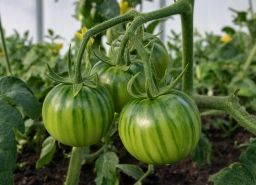 ⚠ Critical
V-shaped yellowing on lower leaf margins spreading inward — a slower-progressing cousin of Fusarium wilt.
🩺
Fungal
Verticillium Wilt on Tomato Plants
Commonly affects: Solanum lycopersicum (Tomato)
V-shaped yellow lesions form on lower leaf margins, spreading inward, while the plant wilts gradually over weeks rather than collapsing suddenly. Vascular tissue shows a lighter tan-brown streaking than Fusarium wilt, and symptoms appear in cooler weather.
Potential Causes
- 1Verticillium dahliae fungus, which persists in soil for years as microsclerotia
- 2Cooler soil temperatures (21–24°C) favouring infection, unlike the warmth Fusarium prefers
- 3Continuous tomato or related-crop planting in the same bed
Solution Steps
- 1Remove and destroy affected plants at season's end rather than composting them.
- 2Rotate away from tomatoes and other nightshades for 3-4 years in affected beds.
- 3Choose Verticillium-resistant varieties (marked 'V' on seed packets).
- 4Solarise heavily infected soil over a hot summer by covering with clear plastic for 4-6 weeks.
Prevention Tip
Verticillium's microsclerotia can survive in soil for over a decade, so resistant varieties matter more than any in-season treatment once it's present in a bed.