 ⚠ Minor
Pothos Nutrient Deficiency — Interveinal Yellowing & Stunted Growth
Commonly affects: Epipremnum aureum — all Pothos cultivars in long-term cultivation
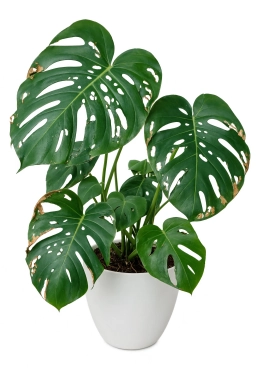
Leaves yellow between the veins while the veins themselves remain green (interveinal chlorosis) — the classic pattern of iron, manganese, or magnesium deficiency. Or leaves uniformly pale with slowed growth — indicating general nitrogen depletion. Pothos growing in the same substrate for more than 12-18 months without fertilisation will eventually exhaust the available nutrients, displaying these symptoms. Unlike yellowing from overwatering (which affects whole leaves uniformly), nutrient deficiency produces patterned chlorosis specific to which element is lacking.
Potential Causes
- 1Substrate depleted of nutrients after 12-18 months without fertilisation or repotting
- 2pH too high (above 7.0) locking out iron and manganese even when they are present in the substrate
- 3Overwatering leaching water-soluble nutrients from the pot rapidly
- 4Root damage from rot, pests, or compaction reducing the plant's ability to absorb available nutrients
Solution Steps
- 1Begin a balanced liquid fertiliser programme: NPK 20-20-20 or similar, diluted to half the recommended concentration, applied monthly during the growing season (spring to autumn).
- 2For interveinal chlorosis specifically, apply iron chelate foliar spray — this bypasses substrate pH issues and delivers iron directly to leaves.
- 3Test substrate pH using a probe or test strips. If above 6.5, repot into fresh substrate with a pH of 5.5-6.5, which is optimal for nutrient availability in Epipremnum.
- 4Repot if the plant has been in the same substrate for more than 2 years — refresh the substrate to restore the physical structure and baseline nutrient reserves.
- 5Increase fertilisation frequency to every 2-3 weeks during active growing season if the plant is producing many new leaves.
Prevention Tip
Fertilise Pothos monthly during spring-summer at half the label dose. Less is more — a dilute, consistent schedule prevents both deficiency and fertiliser burn.
More Colour Changes Problems
See all →
Real Pothos grow diaries
Growers on DailyGrowers log their plant week by week, one photo at a time. Here's how theirs are going.

Growing Pothos too? Start your own diary. It's free and takes 2 minutes.
Start my Pothos diary →