 ⚠ Moderate
Classic interveinal chlorosis on Aphelandra: mesophyll tissue loses chlorophyll while vascular parenchyma retains pigment — a definitive indicator of iron or magnesium deficiency.
Interveinal Chlorosis — Iron or Magnesium Deficiency
Commonly affects: Calathea makoyana, Epipremnum aureum, Philodendron gloriosum, Monstera adansonii
Leaves develop a characteristic pattern of yellowing between the veins while the veins themselves remain distinctly green. In iron deficiency, this interveinal chlorosis appears on the youngest (newest) leaves first, as iron is not readily mobile in plants. Magnesium deficiency presents similarly but begins on older, lower leaves as magnesium is mobile and translocated to new growth. Affected leaves may eventually turn completely pale yellow or near-white.
Potential Causes
- 1Substrate pH above 6.5 causing iron to oxidise into insoluble forms unavailable to roots (iron lock-out)
- 2Insufficient chelated iron or magnesium in the potting mix or fertiliser program
- 3Excessive phosphorus or calcium competing with iron uptake at the root interface
- 4Heavy leaching from frequent watering depleting mobile magnesium from the substrate
- 5Root damage (rot, pests) reducing the root surface area available for nutrient absorption
Solution Steps
- 1Test substrate pH using a soil pH meter — tropical foliage plants prefer pH 5.5–6.5. Acidify with sulfur powder or pH-down solution if above 6.5.
- 2For rapid correction, apply a chelated iron foliar spray (EDTA-Fe or DTPA-Fe at 50 ppm) directly to affected leaves for quick uptake bypassing root issues.
- 3For magnesium deficiency, water with a dilute Epsom salt solution (5 g magnesium sulphate per litre) as a root drench.
- 4Review your fertiliser program — switch to a complete NPK fertiliser with micronutrient package including chelated iron, manganese, and zinc.
- 5Avoid overwatering — saturated soils reduce oxygen availability and impair iron reduction processes in root cells.
- 6New growth emerging after treatment should show correct colouration; affected leaves will not fully recover.
Prevention Tip
Use an acidic, peat-based or coir-based potting mix rather than general-purpose compost for tropical foliage. These mixes maintain the slightly acidic pH range that keeps iron and micronutrients bioavailable without supplementation.
Related Issues to Explore

Yellowing Leaves — Overwatering Stress
Generalised yellowing from overwatering closely mimics nutrient deficiency — check the pattern carefully, as diffuse yellow with no vein contrast points to water stress, not chlorosis.
Read guide
Root Rot — Pythium & Phytophthora Infection
Damaged roots from Pythium infection block nutrient absorption — interveinal chlorosis appearing after wilting often signals root rot rather than true deficiency.
Read guide
Brown, Crispy Leaf Tips — Low Humidity & Salt Stress
Salt accumulation from hard water simultaneously causes tip burn and locks out micronutrients — flushing the substrate addresses both conditions at once.
Read guideMore Colour Changes Problems
See all →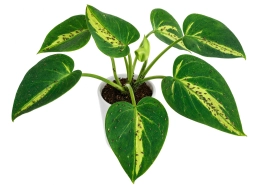
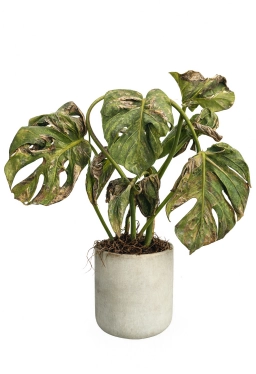
Real Monstera grow diaries
Growers on DailyGrowers log their plant week by week, one photo at a time. Here's how theirs are going.
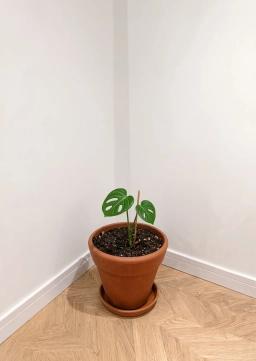
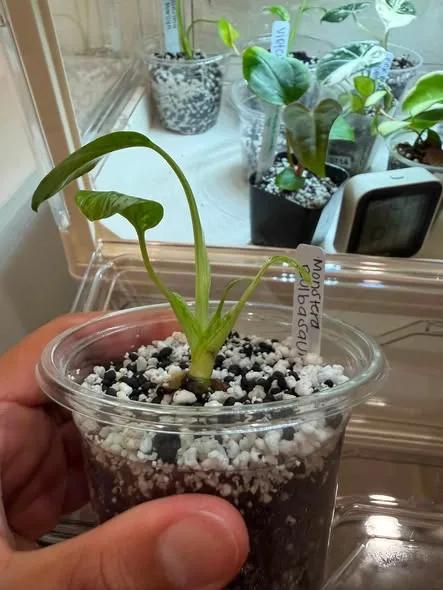
Growing Monstera too? Start your own diary. It's free and takes 2 minutes.
Start my Monstera diary →