 ⚠ Moderate
Weak Water-Propagated Roots Failing to Transition
Commonly affects: Water-rooted cuttings — Monstera, Philodendron, Epipremnum, Syngonium
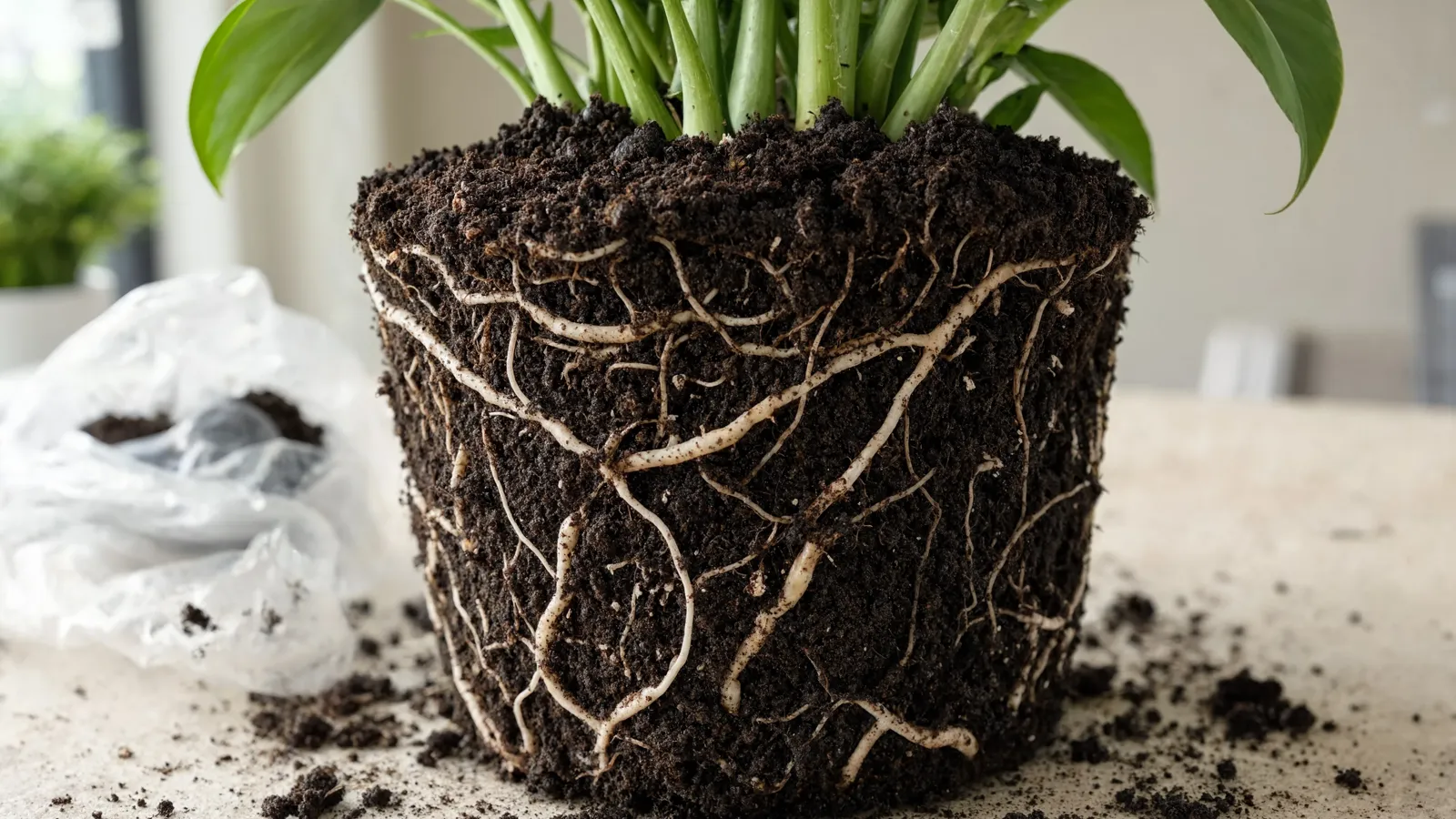
A cutting roots well in water but then declines after being potted into substrate — wilting, yellowing, or stalling as the water-formed roots fail to function in soil. Water roots are structurally different from soil roots and often cannot absorb efficiently or survive the change. The plant may sit for weeks without establishing or may rot at the transition.
Potential Causes
- 1Water roots being thinner and more fragile, poorly adapted to absorbing from substrate
- 2Letting cuttings grow very long water roots before potting, increasing transition shock
- 3Potting into a dense mix that stays too wet or too dry for fragile new roots
- 4An abrupt change from constant water to intermittently moist soil
Solution Steps
- 1Pot water-rooted cuttings once roots are a few centimetres long rather than waiting for very long roots.
- 2Use a light, airy, consistently-moist medium (such as a fine bark-perlite mix) to ease the transition.
- 3Keep the substrate more evenly moist than usual for the first few weeks while new soil roots form.
- 4Maintain high humidity around the cutting to reduce stress while it adapts.
- 5Alternatively, root directly in a semi-hydro medium or moist substrate to avoid the transition entirely.
- 6Be patient — expect a brief stall as the plant grows soil-adapted roots, then resumes growth.
Prevention Tip
Transition cuttings to substrate while their water roots are still short, and keep the mix consistently moist and humid during the first weeks. Rooting directly in a moist airy medium or semi-hydro avoids the water-to-soil shock altogether.
Related Issues to Explore

Propagation Failure — Cuttings Rotting or Stalling
The rooting stage before transition — both steps must succeed, from a clean viable cutting to roots that adapt to soil.
Read guide
Transplant & Acclimation Shock
Moving a water-rooted cutting to soil is a form of acclimation shock — stable, humid, gentle conditions ease both transitions.
Read guide
Compacted, Anaerobic Substrate
Fragile new roots fail fastest in a dense, airless mix — a light, airy substrate is essential for a successful transition from water.
Read guideMore Root Problems Problems
See all →
Real Monstera grow diaries
Growers on DailyGrowers log their plant week by week, one photo at a time. Here's how theirs are going.
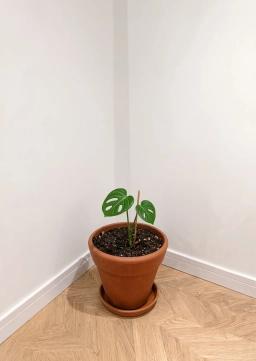
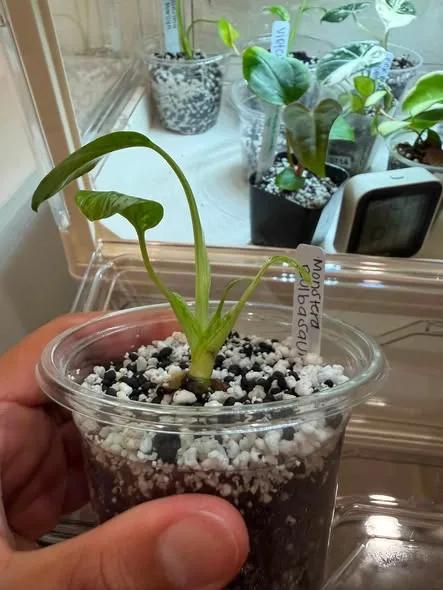
Growing Monstera too? Start your own diary. It's free and takes 2 minutes.
Start my Monstera diary →More rare plants and collector grows every day on Facebook: follow Exotics plants