


Plant Clinic · Category
Fungal & Bacterial Disease
Powdery mildew, leaf spot, botrytis, sooty mould, and other fungal infections.
Fungal and bacterial diseases thrive in conditions of high humidity, poor air circulation, and overhead watering. They can spread rapidly through a plant collection once established. Early identification — based on the specific pattern of lesions, colour, texture, and location — is critical for effective treatment before the pathogen spreads.
Featured: Botrytis Cinerea (Gray Mold) — Full Guide
One of the most destructive plant diseases in existence — attacks 200+ plant species and spreads fast through airborne spores. Identification, treatment, and prevention in one place.
Read the full guide →All Fungal & Bacterial Disease
 ⚠ Moderate
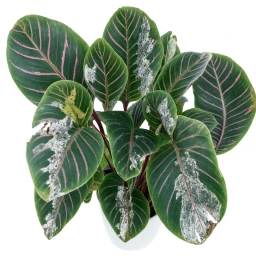
Begonia rex
Powdery Mildew — Erysiphe & Golovinomyces spp.
A white to grey powdery coating appears on leaf surfaces, stems, and occasionally flower buds. Unlike other fungal diseases, powdery mildew grows on the surface rather than inside plant tissue, giving it a dusted-flour appearance. Affected tissue may yellow beneath the coating. Unlike downy mildew, it occurs on the upper leaf surface and does not require standing water — in fact, it thrives in dry conditions with high humidity.
 ⚠ Moderate
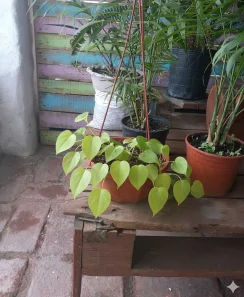
Ficus lyrata (Fiddle Leaf Fig)
Bacterial & Fungal Leaf Spot — Xanthomonas & Cercospora spp.
Dark brown to black spots with yellow halos appear on leaf surfaces, often water-soaked in early stages. Bacterial spots have irregular margins and a translucent, greasy appearance when held to light. Fungal spots (Cercospora, Alternaria) develop concentric rings with a tan, dry centre. Spots coalesce under humid conditions to form large necrotic patches.
 ⚠ Moderate
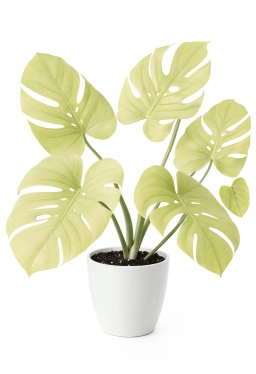
Anthurium andraeanum
Anthracnose — Colletotrichum Leaf Blight
Dark brown to black sunken lesions develop on leaves, often beginning at the tip or margin and expanding inward in irregular patches. Under humid conditions, tiny salmon-pink to orange spore masses may be visible within the lesions. Affected tissue dries and turns papery, and severe infections can blight entire leaves and spread to petioles.
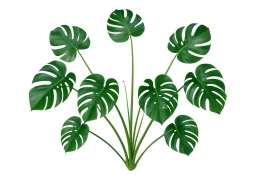 ⚠ Critical
Syngonium podophyllum
Fusarium Wilt — Vascular Browning & Collapse
Lower leaves yellow and wilt progressively, often on one side of the plant first, despite adequate soil moisture. The wilting is permanent and advances upward as the fungus colonises the vascular system. A diagnostic sign is brown to reddish streaking inside the stem when sliced open lengthwise, marking the blocked water-conducting tissue.
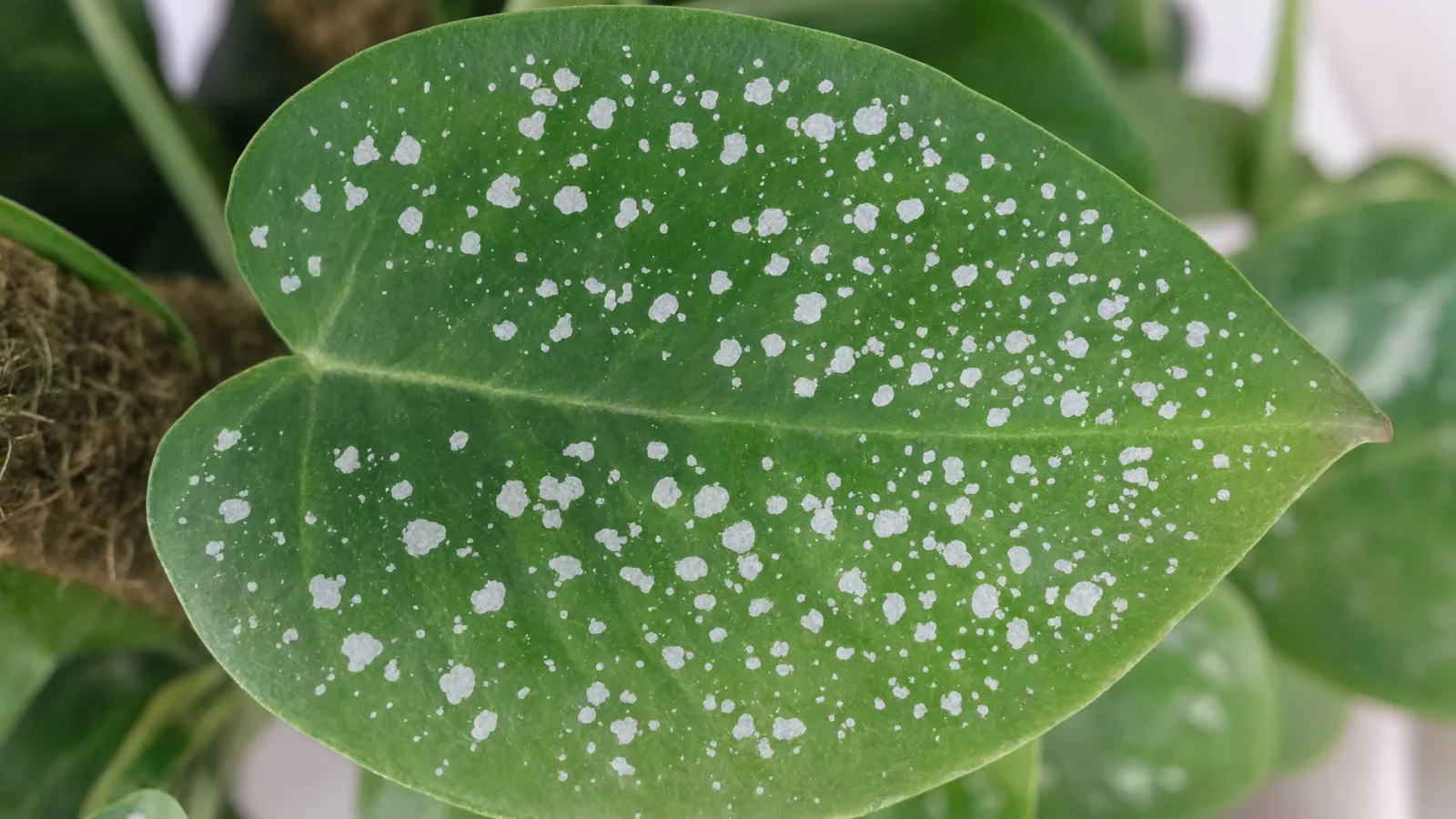 ⚠ Critical
Philodendron spp.
Southern Blight — Sclerotium rolfsii
The plant collapses rapidly as the stem rots at and just above the soil line. A diagnostic white, fan-like fungal mat (mycelium) appears on the lower stem and surrounding substrate, studded with small round structures resembling mustard seeds — the sclerotia — which start white and mature to tan-brown. Wilting is sudden and the lower stem turns soft and brown.
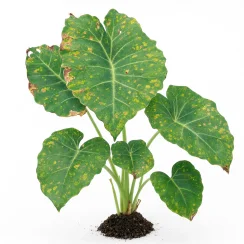 ⚠ Critical
Aroid seedlings & cuttings — Philodendron
Rhizoctonia Damping-Off in Seedlings & Cuttings
Young seedlings and freshly potted cuttings collapse suddenly, with a dark, water-soaked, pinched lesion girdling the stem at the soil line. The tissue above the constriction topples over while still green, and fine brown fungal threads may be visible on the stem base or substrate. Germinating seeds may rot before emerging.
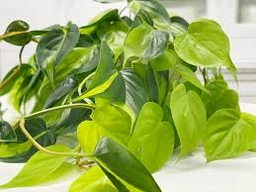 ⚠ Moderate
Begonia
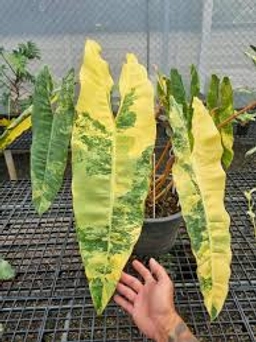
Botrytis Grey Mould on Soft Tissue
A fuzzy grey-brown mould develops on soft, damaged, or senescing tissue — wilting flowers, wounded leaves, and decaying lower foliage. Affected tissue first becomes water-soaked and brown, then is rapidly covered in the characteristic dusty grey sporulation. Spores release in visible clouds when disturbed and spread readily in cool, humid, still air.
 ⚠ Moderate
Anthurium spp.
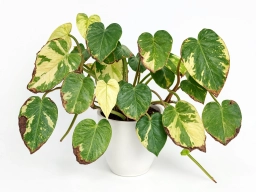
Leaf Rust — Pustules on Undersides
Small raised pustules — yellow, orange, brown, or rust-red — erupt on the undersides of leaves, with corresponding yellow flecks visible on the upper surface. As pustules rupture they release powdery spores that smudge onto a finger. Heavy infections cause yellowing, premature leaf drop, and a generally weakened, unsightly plant.
 ⚠ Critical
Anthurium andraeanum
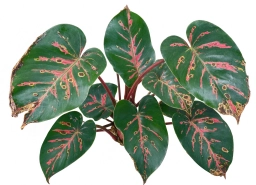
Bacterial Blight — Xanthomonas on Anthurium
Water-soaked, translucent lesions appear at leaf margins and hydathodes, often surrounded by a bright yellow halo, and spread inward along veins. In systemic infection, the bacteria enter the vascular system, causing bronzing, wilting, and a dull, yellowed, declining plant. Lesions have a greasy, wet appearance when backlit and may ooze under high humidity.
 ⚠ Critical
Anthurium andraeanum
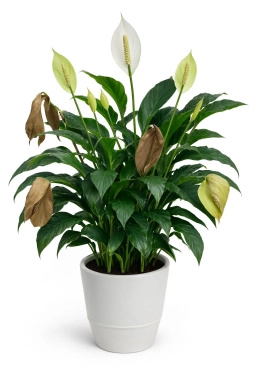
Bacterial Wilt — Ralstonia & Erwinia Vascular Infection
The plant wilts suddenly and completely despite adequate soil moisture and no root rot symptoms. Wilting may affect individual branches or the entire plant simultaneously. If a wilted stem is cut transversely, the vascular tissue (xylem bundles) appears brown or discoloured rather than white. In Ralstonia infections, a milky bacterial ooze may exude from cut stems when squeezed. The plant does not recover after watering — vascular damage is irreversible once systemic infection is established.
 ⚠ Minor
Most aroids in moist or terrarium conditions — Calathea
Humidity Tray Mould — Stagnant Water Breeding Fungus Gnats & Mould
White or grey mould grows on the pebbles or water surface of a humidity tray placed beneath the plant. Fungus gnat populations increase near the plant. A musty smell develops. While humidity trays can be effective tools for raising local RH, the standing water becomes a breeding site for fungus gnats (Bradysia spp.) and supports the growth of various moulds that can spread to the substrate surface and cause soil-level issues.
 ⚠ Moderate
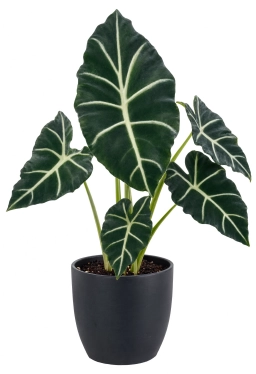
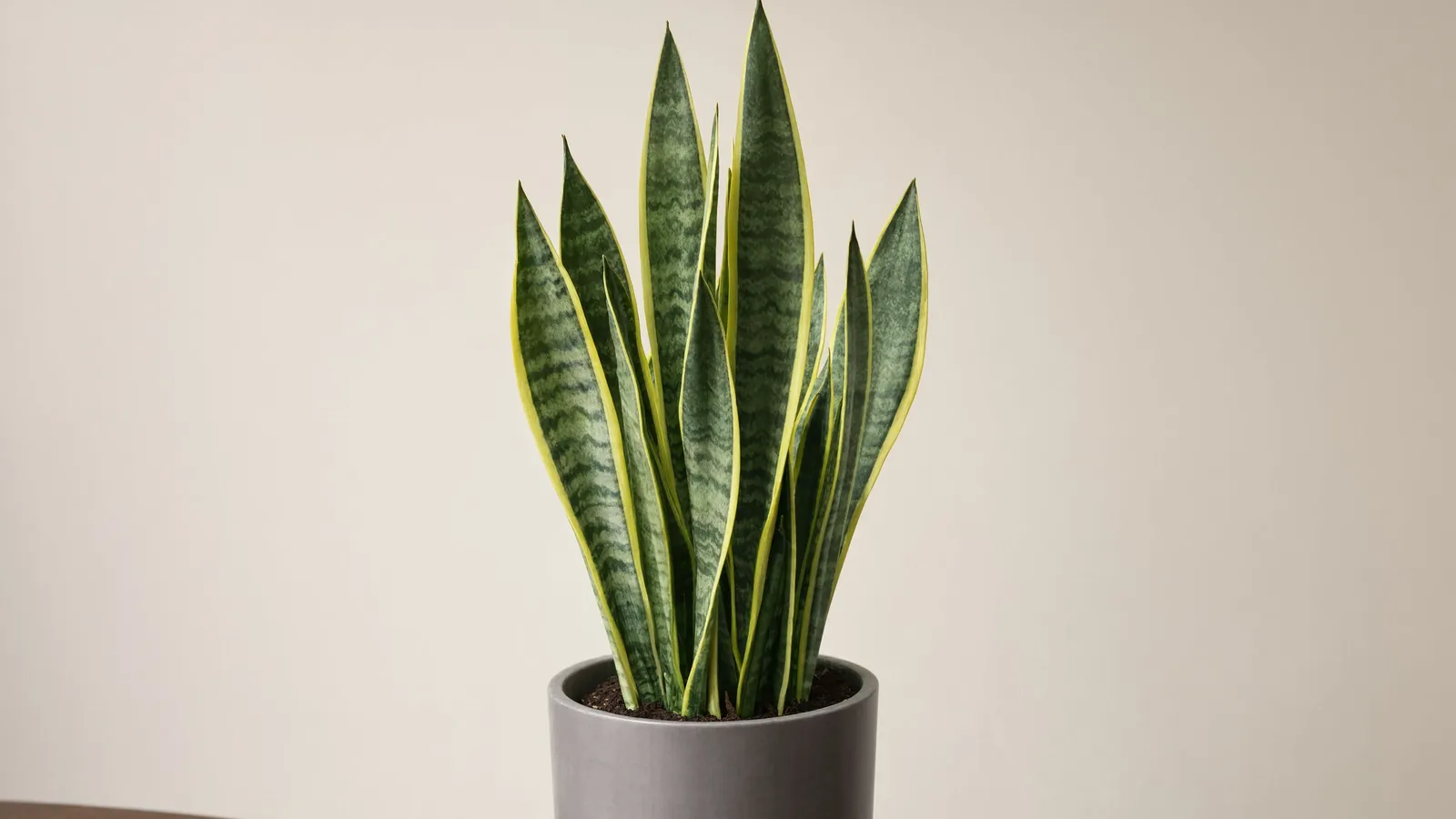
Sansevieria trifasciata / Dracaena trifasciata (Snake Plant)
Snake Plant Red & Rust Spots — Fusarium Fungal Leaf Spot
Small, reddish-brown to rust-coloured circular or oval spots appear scattered across the leaf surface, sometimes with a yellow halo. The spots are dry and slightly sunken. In humid conditions, spots may enlarge and develop a light-coloured centre. This is Fusarium fungal leaf spot — one of the few foliar pathogens that affects Sansevieria. It is opportunistic, typically colonising leaves that have been physically damaged (scratches, tip damage) or that have been kept wet from overhead watering.
 ⚠ Moderate
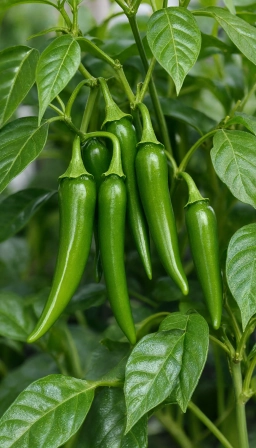
Capsicum annuum
Powdery Mildew on Chili Pepper Leaves
A white to grey powdery coating appears on the upper surface of leaves, starting as small circular patches that expand and merge. Affected leaves may yellow and drop prematurely, weakening the overall plant.
 ⚠ Moderate
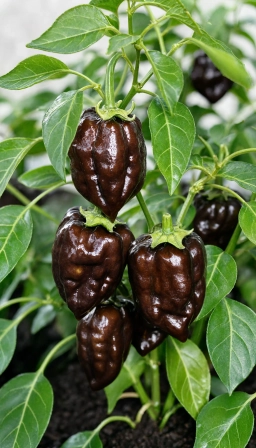
Capsicum annuum
Bacterial Leaf Spot on Pepper Plants
Small, dark, water-soaked spots appear on leaves, often with a yellow halo around each lesion. Spots may merge into larger dead patches, and severely affected leaves yellow and drop. Fruit can also develop raised, scab-like spots.
 ⚠ Moderate
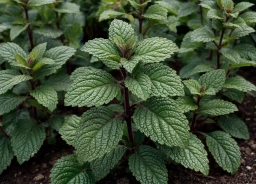
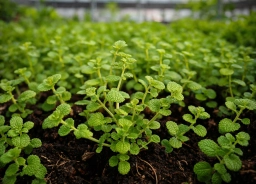
Mentha spicata
Powdery Mildew on Mint Leaves
A white, powdery coating develops on the upper surface of leaves, usually starting on older growth low in the patch. Affected leaves may curl slightly and eventually yellow and dry out.
 ⚠ Critical
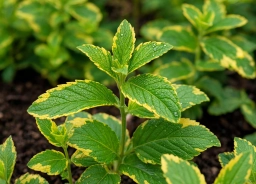
Mentha spicata
Mint Rust � Orange Pustules on Leaves and Stems
Small, bright orange, powdery pustules appear on the underside of leaves and along stems, typically emerging in spring from overwintering rhizomes. Severely affected shoots become distorted, and heavily infected plants can defoliate.
 ⚠ Minor
Mentha spicata
Leaf Spot on Mint
Small, circular brown or tan spots appear scattered across leaves, sometimes with a darker border. Spots may merge in severe cases, causing affected leaves to yellow and drop prematurely.
 ⚠ Critical
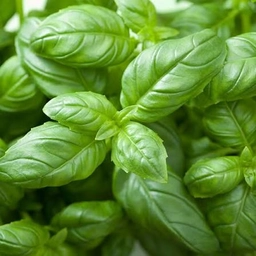
Ocimum basilicum (Basil)
Downy Mildew on Basil
Yellow, angular patches appear on the upper surface of leaves, following the leaf veins, while a fuzzy grey-purple mould develops on the underside directly beneath the yellowed area. Affected leaves eventually turn brown and collapse.
 ⚠ Critical
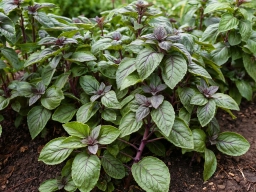
Ocimum basilicum (Basil)
Fusarium Wilt on Basil
One side of the plant wilts and yellows while the other side may still look healthy, often with dark streaking visible inside the stem when cut open. Affected plants decline steadily and rarely recover once symptoms are advanced.
 ⚠ Moderate
Ocimum basilicum (Basil)
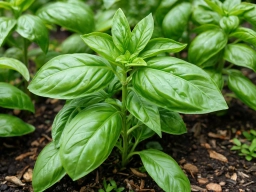
Bacterial Leaf Spot on Basil
Small, dark, water-soaked spots appear on leaves, sometimes with a yellow halo, and may merge into larger irregular dead patches in humid conditions. Affected leaves can look tattered as tissue within the spots dries and falls away.
 ⚠ Moderate
Solanum lycopersicum (Tomato)
Early Blight on Tomato Leaves
Dark brown spots with concentric rings, resembling a target or bullseye, appear on older, lower leaves first. A yellow halo often surrounds each spot, and severely affected leaves yellow entirely and drop.
 ⚠ Critical
Solanum lycopersicum (Tomato)
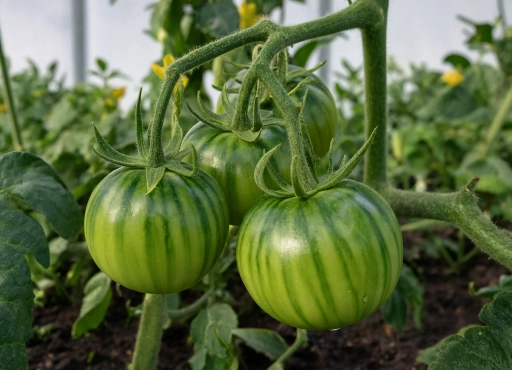
Late Blight on Tomato Plants
Large, irregular, water-soaked grey-green patches spread rapidly across leaves, often with a white fuzzy mould visible on the underside in humid conditions. Stems can develop dark lesions, and fruit shows firm, brown, irregular blotches. The disease can destroy an entire plant within days.
 ⚠ Moderate
Solanum lycopersicum (Tomato)
Septoria Leaf Spot on Tomatoes
Numerous small, circular spots with dark brown borders and pale grey centres appear across lower leaves first, each spot often containing tiny black specks (fungal fruiting bodies) visible on close inspection. Heavily affected leaves yellow and drop.
 ⚠ Minor
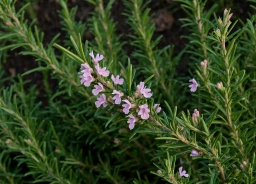
Salvia rosmarinus (Rosemary)
Powdery Mildew on Rosemary
A white, powdery coating develops on stems and needle-like leaves, usually in humid, still conditions. Affected growth can look dusty grey-white and may weaken over time.
 ⚠ Moderate
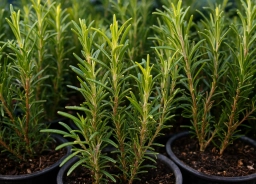
Salvia rosmarinus (Rosemary)
Grey Mould (Botrytis) on Rosemary
A fuzzy grey-brown mould develops on stems and foliage, usually starting on damaged, dying, or densely packed growth. Affected sections soften and can collapse if the infection spreads.
 ⚠ Critical
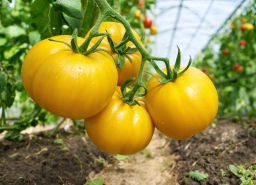
Solanum lycopersicum (Tomato)
Fusarium Wilt on Tomato Plants
Lower leaves yellow on one side of the plant first, then wilt during the heat of the day and partially recover overnight, before the whole plant declines. Cutting the stem reveals brown discolouration in the vascular tissue.
 ⚠ Critical
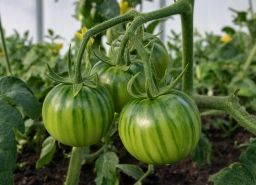
Solanum lycopersicum (Tomato)
Verticillium Wilt on Tomato Plants
V-shaped yellow lesions form on lower leaf margins, spreading inward, while the plant wilts gradually over weeks rather than collapsing suddenly. Vascular tissue shows a lighter tan-brown streaking than Fusarium wilt, and symptoms appear in cooler weather.
 ⚠ Critical
Solanum lycopersicum (Tomato)
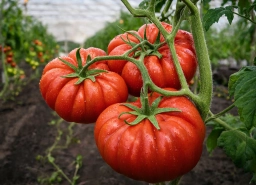
Bacterial Canker on Tomato
Leaf margins brown and curl upward starting from the bottom of the plant, often on just one side of a leaf or stem. Stems may develop dark streaks or open cankers, and fruit can show small white-haloed 'bird's-eye' spots.
⚠ ModerateSolanum lycopersicum (Tomato)
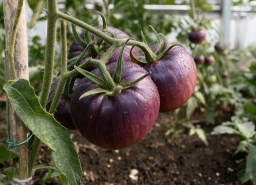
Leaf Mold on Tomato Plants
Pale yellow patches appear on the upper leaf surface, with an olive-green to grey-brown velvety mould growing directly beneath them on the underside. Common in greenhouse and high-tunnel tomatoes with limited airflow.
 ⚠ Moderate
Solanum lycopersicum (Tomato)
Powdery Mildew on Tomato Leaves
A white to grey powdery coating spreads across the upper leaf surface, typically starting on older leaves. Unlike tomato-specific leaf mold, this coating is dry and dusty, not velvety, and can occur even in relatively dry conditions.
⚠ ModerateCucurbita pepo
Powdery Mildew on Pumpkin Leaves
A white powdery coating spreads across leaf surfaces and stems, starting as small circular patches that merge into larger areas. Heavily affected leaves yellow, dry out, and die back, reducing the plant's ability to size up fruit.
⚠ CriticalCucurbita pepo
Downy Mildew on Pumpkin
Yellow, angular patches bounded by leaf veins appear on the upper leaf surface, with a grey-purple fuzzy growth on the underside directly beneath. Unlike powdery mildew, lesions are angular rather than circular and follow the leaf's vein pattern.
⚠ CriticalCucurbita pepo
Bacterial Wilt on Pumpkin Vines
Individual leaves wilt during the day and may partially recover at night at first, but the whole vine collapses within days as the disease progresses. Cutting a wilted stem and pressing the cut ends together produces a sticky, stringy bacterial ooze when slowly pulled apart.
⚠ ModerateCucurbita pepo
Fruit Rot on Developing Pumpkins
A soft, water-soaked spot develops on the fruit, usually where it contacts damp soil, and expands rapidly into a mushy, collapsing area, sometimes with visible white or grey mould growth.
⚠ ModerateCucurbita pepo
Anthracnose on Pumpkin Leaves and Fruit
Small yellow-brown spots appear on leaves, expanding into larger dead patches that can cause leaves to tear and shred in wind. On fruit, sunken, dark, circular lesions develop, sometimes with a pink-orange spore mass visible in humid conditions.
⚠ CriticalPassiflora edulis (Passion Fruit)
Fusarium Wilt on Passion Fruit Vines
The vine wilts progressively from the tips inward, with leaves yellowing and dropping even though soil moisture seems adequate. Cutting the stem reveals brown vascular streaking.
⚠ ModeratePassiflora edulis (Passion Fruit)
Brown Spot on Passion Fruit Leaves
Circular brown spots with concentric rings appear on leaves and can spread to stems and fruit, causing premature leaf drop and sunken fruit lesions.
⚠ ModeratePassiflora edulis (Passion Fruit)
Septoria Spot on Passion Fruit
Small, angular, grey-brown spots with darker borders scatter across leaves, eventually causing widespread yellowing and leaf drop in humid conditions.
⚠ ModeratePassiflora edulis (Passion Fruit)
Powdery Mildew on Passion Fruit
A white powdery coating develops on leaf surfaces, usually in humid conditions with poor airflow, weakening affected leaves over time.
⚠ CriticalMusa acuminata
Panama Disease (Fusarium Wilt) on Banana
Older leaves yellow at the edges and progressively collapse, hanging down around the pseudostem like a skirt, while the plant's growth stalls. Cutting the pseudostem reveals reddish-brown vascular discolouration.
⚠ CriticalMusa acuminata
Black Sigatoka Leaf Spot on Banana
Small brown-black streaks appear on leaves, expanding into larger dead patches with yellow halos, eventually causing widespread leaf death and reduced fruit yield.
⚠ MinorMusa acuminata
Powdery Mildew on Banana Leaves
A white powdery coating occasionally develops on leaf surfaces in humid, still conditions with poor airflow, though this is less common than on many other plants.
⚠ CriticalActinidia deliciosa
Bacterial Canker (Psa) on Kiwi Vines
Reddish-brown, angular leaf spots with yellow halos appear, along with cane cankers that ooze a rust-red bacterial exudate, and entire canes or the whole vine can collapse in severe cases.
⚠ ModerateActinidia deliciosa
Botrytis Grey Mould on Kiwi Fruit
A fuzzy grey mould develops on fruit, often starting at the stem end, spreading rapidly especially on fruit in storage or during cool, humid weather near harvest.
⚠ ModerateActinidia deliciosa
Powdery Mildew on Kiwi Leaves
A white powdery coating develops on leaf surfaces, particularly in humid conditions with poor airflow through a dense canopy.
⚠ MinorActinidia deliciosa
Leaf Spot on Kiwi Vines
Small, circular brown spots scatter across leaves, sometimes merging into larger dead patches in humid conditions, causing premature leaf drop.
⚠ ModerateVitis vinifera
Powdery Mildew on Grape Vines
A white to grey powdery coating spreads across leaves, shoots, and berries, causing distorted growth and cracked, scarred fruit skin in severe cases.
⚠ CriticalVitis vinifera
Downy Mildew on Grape Vines
Yellow, oily-looking patches appear on the upper leaf surface, with a white-grey downy growth on the underside directly beneath. Infected berries can shrivel and turn leathery brown.
⚠ CriticalVitis vinifera
Black Rot on Grape Vines
Small tan spots with dark borders appear on leaves, while infected berries shrivel into hard, black, mummified fruit that often remains attached to the cluster.
⚠ CriticalVitis vinifera
Botrytis Bunch Rot on Grapes
A fuzzy grey mould develops on ripening berries, spreading rapidly through tightly-packed clusters, especially after rain near harvest time.
⚠ ModerateVitis vinifera
Anthracnose on Grape Vines
Small circular spots with dark borders and pale grey centres appear on leaves, shoots, and berries, sometimes creating a 'bird's eye' pattern on fruit.
⚠ ModerateCucumis sativus (Cucumber)
Powdery Mildew on Cucumber Leaves
A white powdery coating spreads across leaf surfaces, starting on older leaves and expanding rapidly, weakening the plant and reducing fruit quality.
⚠ CriticalCucumis sativus (Cucumber)
Downy Mildew on Cucumber Leaves
Angular yellow patches bounded by leaf veins appear on the upper surface, with grey-purple fuzzy growth on the underside, spreading rapidly in humid weather.
⚠ CriticalCucumis sativus (Cucumber)
Bacterial Wilt on Cucumber Vines
Individual leaves wilt during the day, then the whole vine collapses within days. Cutting a wilted stem and slowly pulling the cut ends apart produces a sticky, stringy bacterial ooze.
⚠ ModerateCucumis sativus (Cucumber)
Angular Leaf Spot on Cucumber
Small, angular, water-soaked spots bounded by leaf veins appear on foliage, sometimes with a milky bacterial ooze visible on the underside in humid conditions.
⚠ ModerateCucumis sativus (Cucumber)
Fruit Rot on Cucumbers
A soft, water-soaked spot develops on fruit, usually where it contacts damp soil, expanding rapidly into a mushy, collapsing area.
⚠ ModerateCucumis sativus (Cucumber)
Anthracnose on Cucumber Plants
Dark, sunken, circular spots develop on leaves, stems, and fruit, sometimes with a pinkish spore mass visible on fruit lesions in humid conditions.
⚠ CriticalBrassica oleracea var. italica (Broccoli)
Clubroot on Broccoli
The plant wilts in the heat of the day and looks stunted and pale, with roots showing swollen, distorted, club-like galls when dug up.
⚠ CriticalBrassica oleracea var. italica (Broccoli)
Black Rot on Broccoli
V-shaped yellow lesions form at leaf margins, with blackened veins visible within the yellowed tissue, eventually causing the whole leaf to die.
⚠ ModerateBrassica oleracea var. italica (Broccoli)
Downy Mildew on Broccoli
Pale yellow patches appear on the upper leaf surface, with a white-grey downy growth on the underside directly beneath, most common on young seedlings.
⚠ MinorBrassica oleracea var. italica (Broccoli)
Powdery Mildew on Broccoli
A white powdery coating develops on leaf surfaces, typically later in the season during warm, dry weather with cool nights.
⚠ MinorBrassica oleracea var. italica (Broccoli)
White Rust on Broccoli
White, blister-like pustules form on the underside of leaves, with corresponding yellow patches on the upper surface, and severely affected leaves distort.
⚠ MinorCarica papaya (Papaya)
Powdery Mildew on Papaya Leaves
A white powdery coating develops on leaf surfaces, typically in humid conditions, weakening affected leaves and reducing overall vigour.
⚠ ModerateCarica papaya (Papaya)
Anthracnose Fruit Rot on Papaya
Small, water-soaked spots appear on ripening fruit, expanding into sunken, dark lesions, often with a pink-orange spore mass visible in humid conditions.
⚠ MinorCarica papaya (Papaya)
Black Spot (Cercospora) on Papaya Leaves
Small, angular, dark brown to black spots scatter across leaves, sometimes merging into larger dead patches and causing premature leaf drop.
⚠ CriticalCarica papaya (Papaya)
Bacterial Crown Rot on Papaya
The growing point (crown) at the top of the tree turns soft, water-soaked, and foul-smelling, and can cause the entire top of the tree to collapse.
⚠ CriticalFragaria × ananassa (Strawberry)
Grey Mould (Botrytis) on Strawberry Fruit
A fuzzy grey mould develops on ripening fruit, often starting where berries touch soil, mulch, or each other, spreading rapidly in cool, humid weather.
⚠ ModerateFragaria × ananassa (Strawberry)
Powdery Mildew on Strawberry Leaves
A white powdery coating develops on leaf surfaces, sometimes causing leaves to curl upward at the edges, and can affect fruit quality in severe cases.
⚠ CriticalFragaria × ananassa (Strawberry)
Verticillium Wilt on Strawberry Plants
Older leaves wilt and develop brown, dry margins, with the whole plant declining gradually, especially noticeable during warm, dry periods.
⚠ MinorFragaria × ananassa (Strawberry)
Leaf Spot on Strawberry Plants
Small, circular purple-to-brown spots with pale grey centres scatter across leaves, sometimes merging into larger dead patches.
⚠ CriticalFragaria × ananassa (Strawberry)
Anthracnose Crown Rot on Strawberries
The crown (growing point) turns reddish-brown internally when cut, and the plant wilts suddenly and collapses, often during warm, humid weather.
⚠ MinorFragaria × ananassa (Strawberry)
Leaf Scorch on Strawberry Plants
Irregular purple-to-brown blotches merge across leaves, giving a scorched appearance without the distinct spots of typical leaf spot disease.
⚠ CriticalPhalaenopsis spp. and other Orchidaceae (Orchid)
Bacterial Soft Rot on Orchid Leaves
A water-soaked, translucent spot appears on a leaf and spreads rapidly, turning brown-black and soft, sometimes with a distinct foul smell.
⚠ ModeratePhalaenopsis spp. and other Orchidaceae (Orchid)
Fungal Leaf Spot on Orchids
Small, circular, dark spots with a yellow halo appear on leaves, sometimes merging into larger dead patches over time.
⚠ ModerateCactaceae (Cactus)
Fungal Rot Spots on Cactus Skin
Circular, sunken, discoloured spots develop on the cactus body, sometimes with a soft or slightly fuzzy texture, distinct from the whole-plant collapse of basal rot.
⚠ CriticalCactaceae (Cactus)
Black Rot at the Base of Cactus
The very base of the cactus, where it meets the soil, turns black and soft, distinct from general basal rot in that it often progresses very rapidly.
⚠ CriticalCactaceae (Cactus)
Bacterial Soft Rot in Cacti
A water-soaked area develops and spreads quickly, turning the tissue soft, discoloured, and often accompanied by an unpleasant odour.
⚠ MinorVarious succulents (Crassulaceae
Powdery Mildew on Succulent Leaves
A white powdery coating develops on leaf surfaces, particularly in humid conditions with poor airflow.
⚠ MinorVarious succulents (Crassulaceae
Fungal Leaf Spot on Succulents
Small, circular, discoloured spots appear on leaves, sometimes with a slightly sunken or dry texture, distinct from pest damage.
⚠ CriticalVarious succulents (Crassulaceae
Black Soft Rot at the Base of Succulents
The base of the plant, where it meets the soil, turns black and soft, often progressing quickly up the stem if not addressed.
⚠ ModerateVarious ferns (Polypodiopsida)
Fungal Leaf Spot on Ferns
Small, dark, circular spots appear on fronds, sometimes with a yellow halo, and can merge into larger dead patches over time.
⚠ MinorVarious ferns (Polypodiopsida)
Powdery Mildew on Ferns
A white, powdery coating develops on frond surfaces, particularly in humid but poorly-ventilated conditions.
⚠ ModerateVarious palms (Arecaceae)
Fungal Leaf Spot on Palms
Small, circular or irregular dark spots appear on fronds, sometimes with a yellow halo, occasionally merging into larger dead patches.
⚠ CriticalVarious palms (Arecaceae)
Lethal Yellowing Disease in Palms
Fronds yellow progressively from the oldest to the newest, fruit (if any) drops prematurely, and the growing point eventually dies — a serious disease mainly affecting outdoor palms in warm climates.
⚠ CriticalVarious palms (Arecaceae)
Ganoderma Butt Rot in Outdoor Palms
The lower trunk weakens and may show a shelf-like fungal conk (mushroom-like growth) at the base, with the palm eventually declining and becoming structurally unstable.
⚠ CriticalVarious palms (Arecaceae)
Fusarium Wilt in Palms
One side of the frond, or fronds on one side of the plant, yellow and die progressively while the rest of the plant initially looks unaffected — a serious disease in certain palm species.
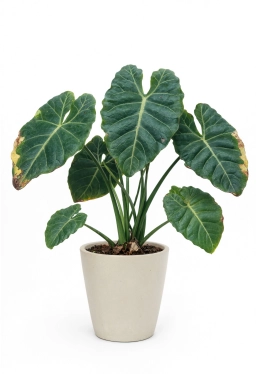
⚠ ModerateColocasia esculenta (Taro / Elephant Ear)
Fungal Leaf Spot (Phyllosticta) on Colocasia
Small, circular, brown or tan spots with a distinct border appear on leaves, sometimes merging into larger dead patches in humid conditions.
⚠ CriticalColocasia esculenta (Taro / Elephant Ear)
Taro Leaf Blight (Phytophthora colocasiae)
Large, water-soaked lesions with a distinct dark border develop rapidly on leaves, sometimes producing droplets of yellowish fluid, and can destroy foliage within days in severe outbreaks.
⚠ MinorColocasia esculenta (Taro / Elephant Ear)
Powdery Mildew on Colocasia
A white, powdery coating develops on leaf surfaces, particularly toward the end of the growing season or in humid conditions with poor airflow.
⚠ ModerateAloe vera (Aloe Vera)
Fungal Rot Spots on Aloe Leaves
Circular, sunken, discoloured spots develop on leaves, sometimes with a soft or slightly fuzzy texture.
⚠ CriticalAloe vera (Aloe Vera)
Bacterial Soft Rot in Aloe Vera
A water-soaked area develops and spreads quickly, turning tissue soft, discoloured, and often accompanied by an unpleasant odour.
⚠ MinorAloe vera (Aloe Vera)
Black or Rust-Coloured Spots on Aloe Leaves
Small black, brown, or rust-coloured raised or sunken spots appear scattered across leaf surfaces, sometimes called 'aloe rust'.
⚠ ModerateChlorophytum comosum (Spider Plant)
Fungal Leaf Spot on Spider Plant
Small, circular, dark spots appear on leaves, sometimes with a yellow halo, distinct from the tip-only browning of water quality issues.
⚠ MinorChlorophytum comosum (Spider Plant)
Sooty Mould on Spider Plant From Pest Honeydew
A black, sooty coating develops on leaf surfaces, usually following an existing infestation of a honeydew-producing pest like mealybugs or scale.
⚠ ModerateLavandula angustifolia / L. x intermedia (Lavender)
Fungal Leaf Spot on Lavender
Small, dark spots appear on foliage, sometimes with a grey or fuzzy centre, particularly in humid or overly wet conditions.
⚠ MinorLavandula angustifolia / L. x intermedia (Lavender)
Powdery Mildew on Lavender
A white, powdery coating develops on leaves and stems, particularly in humid conditions with poor airflow.
⚠ CriticalLavandula angustifolia / L. x intermedia (Lavender)
Crown Rot in Lavender
The base of the plant, at soil level, turns soft, dark, and rotten, and the whole plant may collapse suddenly even though it looked healthy shortly before.
⚠ ModerateLavandula angustifolia / L. x intermedia (Lavender)
Lavender Shab Disease
Individual stems wilt and die back suddenly while the rest of the plant looks healthy, sometimes with small black fungal fruiting bodies visible on the dead stem.
⚠ ModerateCapsicum annuum
Bacterial Leaf Spot on Bell Pepper
Small, dark, water-soaked spots appear on leaves, sometimes with a yellow halo, occasionally also affecting fruit with raised, scab-like lesions.
⚠ MinorCitrus limon (Lemon Tree)
Sooty Mould on Lemon Tree
A black, sooty coating develops on leaf surfaces, usually following an existing infestation of a honeydew-producing pest like scale, aphids, or whiteflies.
⚠ CriticalCitrus limon (Lemon Tree)
Citrus Canker on Lemon Tree
Raised, corky, brown lesions with a yellow halo develop on leaves, stems, and fruit, sometimes causing leaf drop and fruit blemishing.
Plant-Specific Guides
Common Questions
What causes powdery mildew — erysiphe & golovinomyces spp.?
A white to grey powdery coating appears on leaf surfaces, stems, and occasionally flower buds. Unlike other fungal diseases, powdery mildew grows on the surface… Full guide →
What causes bacterial & fungal leaf spot — xanthomonas & cercospora spp.?
Dark brown to black spots with yellow halos appear on leaf surfaces, often water-soaked in early stages. Bacterial spots have irregular margins and a translucen… Full guide →
What causes anthracnose — colletotrichum leaf blight?
Dark brown to black sunken lesions develop on leaves, often beginning at the tip or margin and expanding inward in irregular patches. Under humid conditions, ti… Full guide →
What causes fusarium wilt — vascular browning & collapse?
Lower leaves yellow and wilt progressively, often on one side of the plant first, despite adequate soil moisture. The wilting is permanent and advances upward a… Full guide →