 ⚠ Moderate
Anthracnose produces sunken, dark, expanding lesions that often start at the leaf tip or margin — spread by splashing water onto persistently wet foliage.
Anthracnose — Colletotrichum Leaf Blight
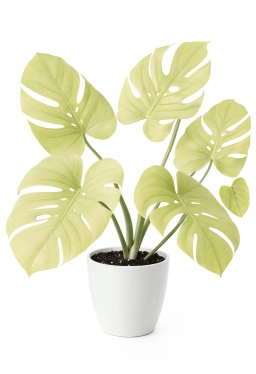
Commonly affects: Anthurium andraeanum, Monstera deliciosa, Philodendron spp., Dieffenbachia
Dark brown to black sunken lesions develop on leaves, often beginning at the tip or margin and expanding inward in irregular patches. Under humid conditions, tiny salmon-pink to orange spore masses may be visible within the lesions. Affected tissue dries and turns papery, and severe infections can blight entire leaves and spread to petioles.
Potential Causes
- 1Colletotrichum fungal spores spread by water splash onto leaf surfaces
- 2Prolonged leaf wetness from overhead watering, misting, or high humidity
- 3Poor air circulation keeping foliage damp for extended periods
- 4Introduction of infected plant material or contaminated tools
Solution Steps
- 1Remove and bag all visibly infected leaves — do not compost them.
- 2Sterilise pruning tools with 70% isopropyl alcohol between every cut to prevent spread.
- 3Stop overhead watering and misting; water only at the base to keep foliage dry.
- 4Improve air circulation with a small fan and increase spacing between plants.
- 5Apply a copper-based or systemic fungicide to remaining foliage according to label rates, repeating as directed.
- 6Isolate the plant until no new lesions appear on fresh growth.
Prevention Tip
Keeping foliage dry is the single most effective control — anthracnose spores require free water to germinate and spread. Water at the base, ensure good airflow, and quarantine new plants to prevent introducing the pathogen.
Related Issues to Explore

Bacterial & Fungal Leaf Spot — Xanthomonas & Cercospora spp.
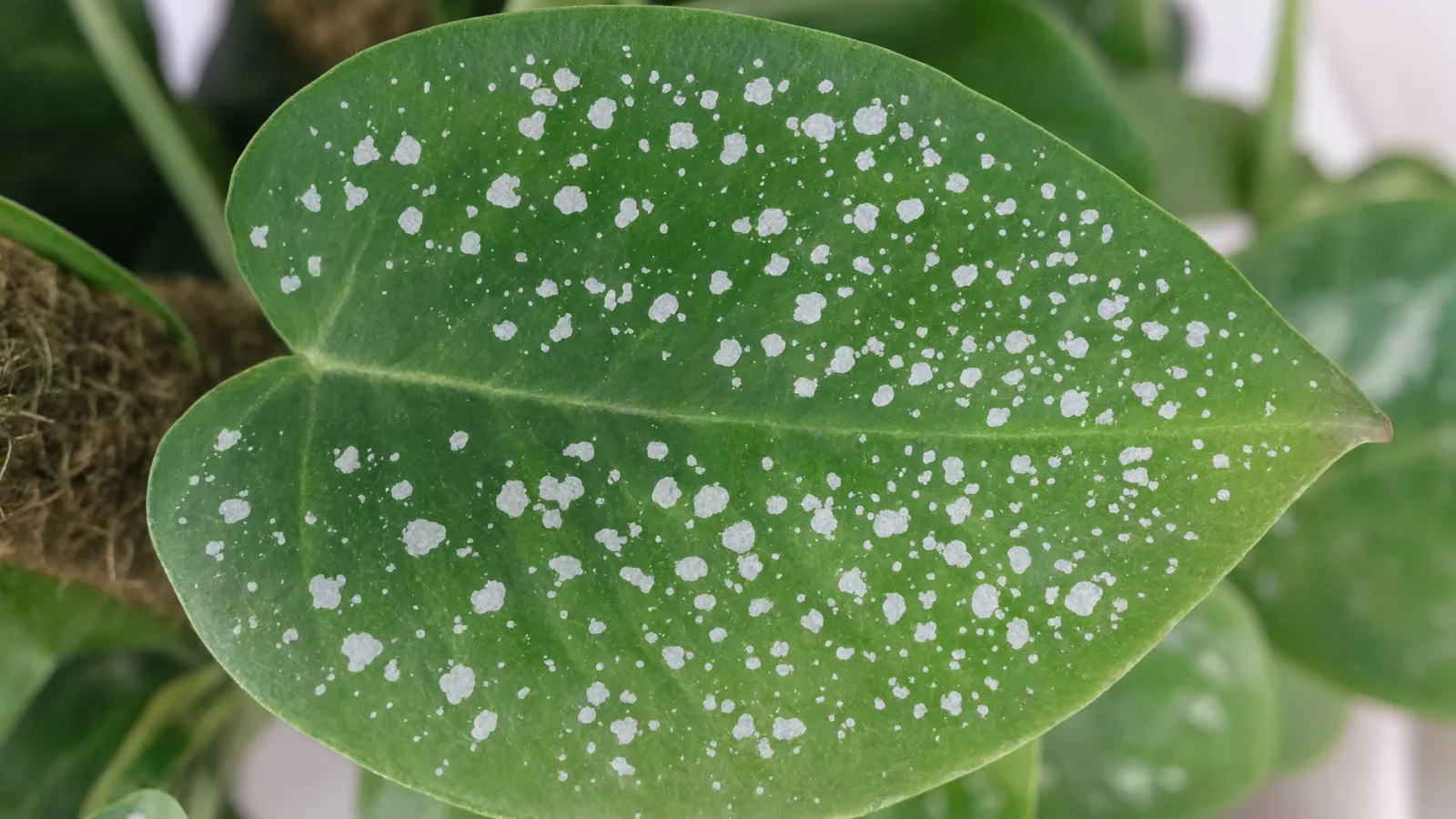
Anthracnose and leaf spot share spotting symptoms and humid triggers — anthracnose lesions are typically larger, sunken, and tip-originating.
Read guide
Bacterial Blight — Xanthomonas on Anthurium
On Anthurium especially, anthracnose can be confused with bacterial blight — water-soaked yellow margins point to bacteria, sunken dark lesions to anthracnose.
Read guide
Leaf Rust — Pustules on Undersides
Both are fungal foliar diseases favoured by leaf wetness — rust forms raised coloured pustules, while anthracnose forms sunken dark lesions.
Read guideMore Fungal & Bacterial Disease Problems
See all →
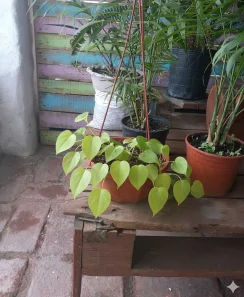

Real Monstera grow diaries
Growers on DailyGrowers log their plant week by week, one photo at a time. Here's how theirs are going.
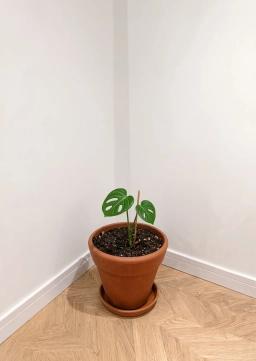
Growing Monstera too? Start your own diary. It's free and takes 2 minutes.
Start my Monstera diary →