

Lavender Problems
Lavandula angustifolia / L. x intermedia
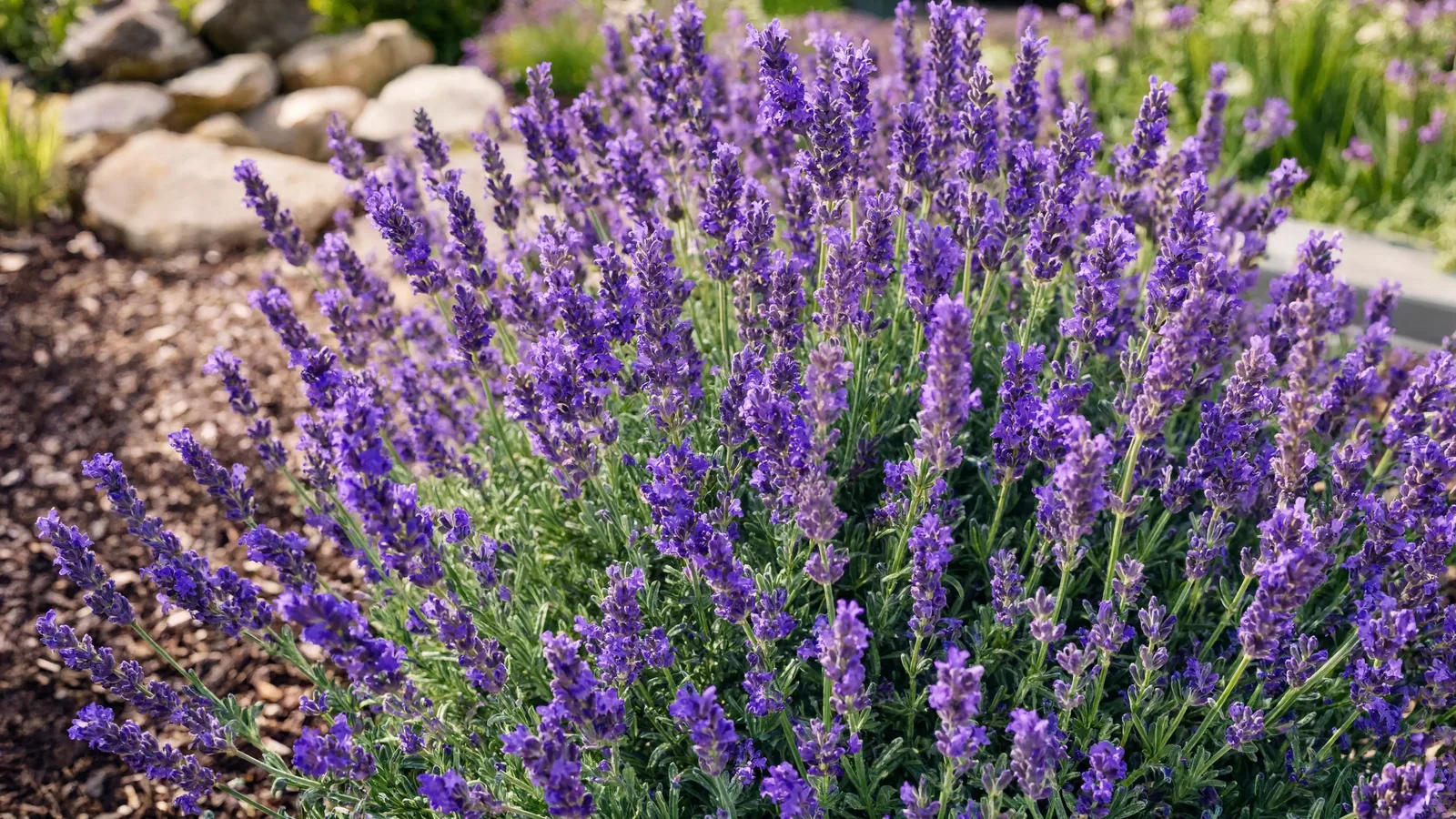
Lavender is a sun-loving Mediterranean herb prized for its fragrant purple flowers, thriving in full sun and lean, sharply-draining soil — overwatering and humid, poorly-drained soil are its biggest threats.
All Lavender Problems
 ⚠ Critical
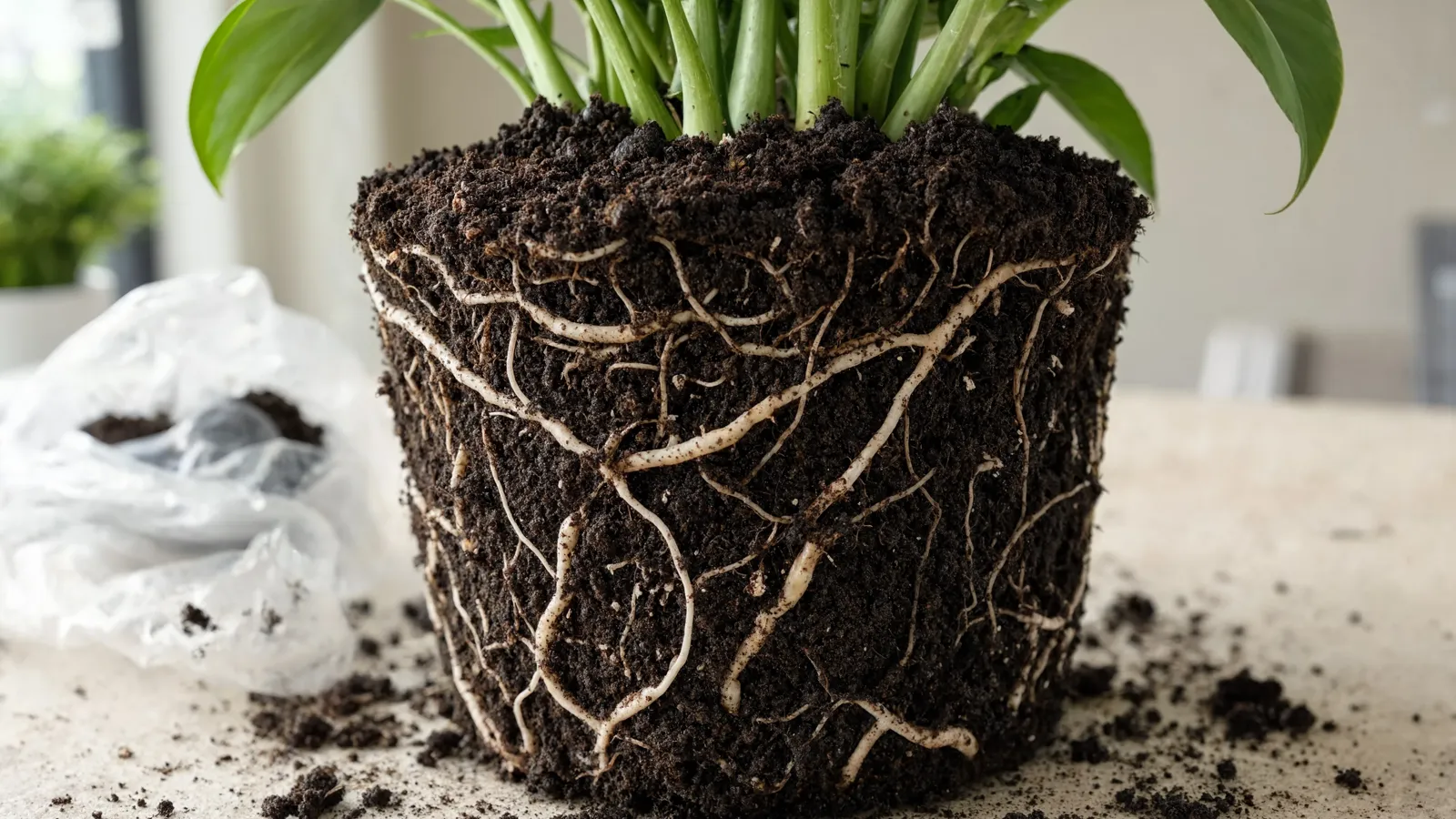
Lavender — Root Rot in Lavender
The plant wilts, foliage yellows or browns, and roots appear brown, mushy, and foul-smelling when checked, often the underlying cause of an otherwise unexplained decline.
 ⚠ Minor
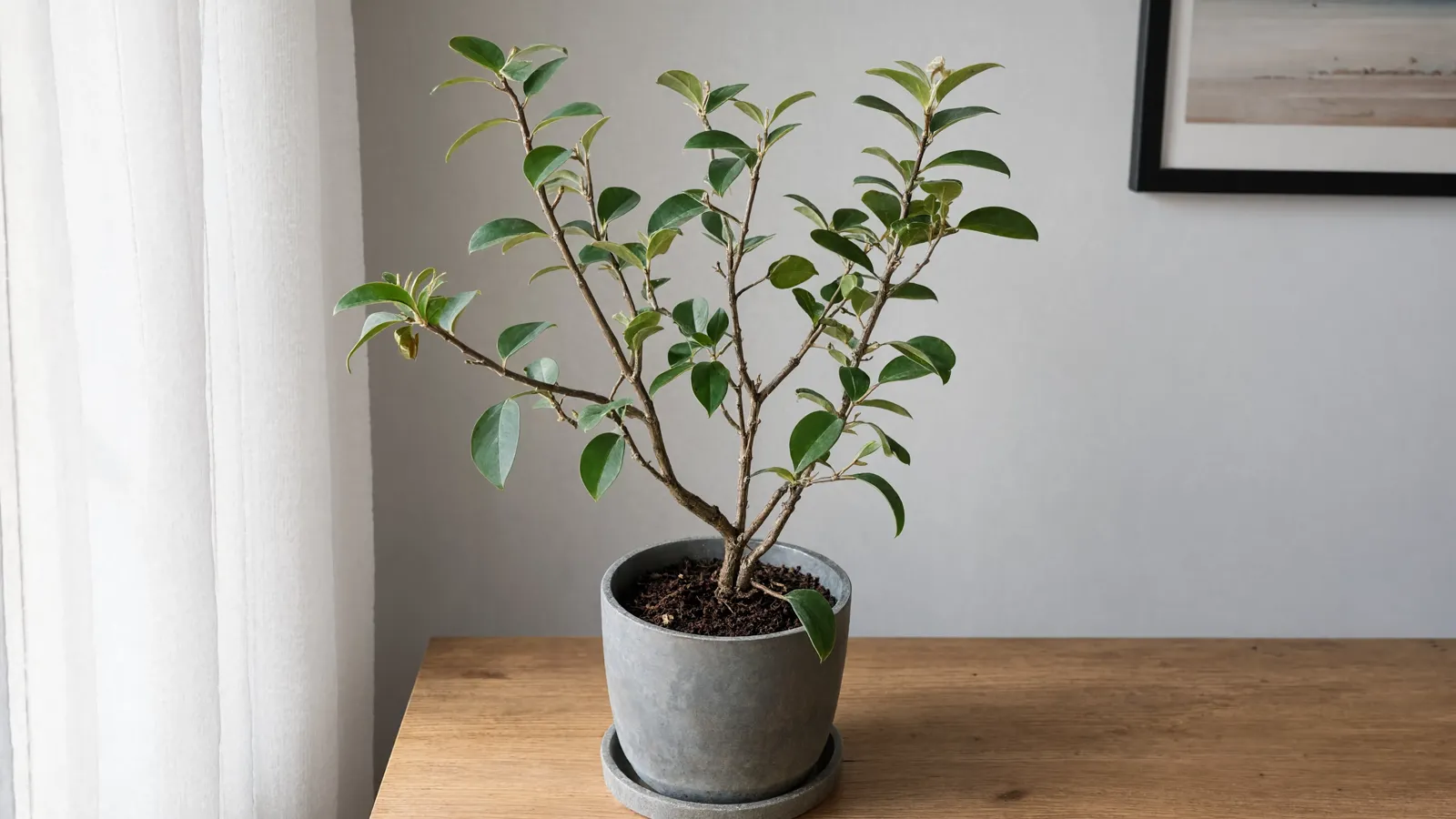
Lavender Turning Brown and Woody in the Centre
The centre of an established plant becomes bare, brown, and woody, with green growth only around the outer edges, and the plant loses its rounded, bushy shape.
⚠ MinorLavender Not Flowering
The plant grows healthy foliage but produces few or no flower spikes, or flowering is noticeably sparse compared to expectations.
 ⚠ Moderate
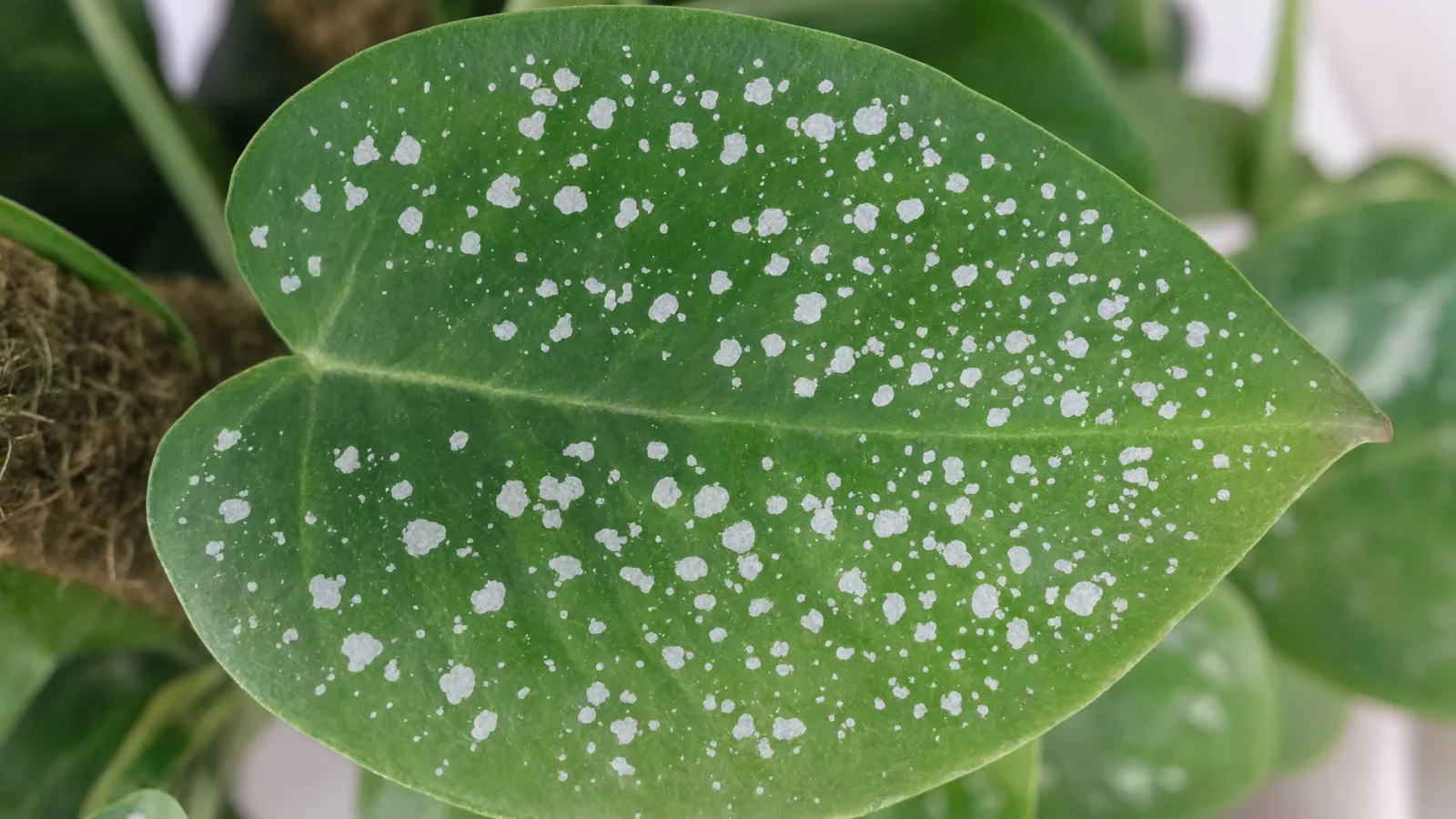
Lavender — Fungal Leaf Spot on Lavender
Small, dark spots appear on foliage, sometimes with a grey or fuzzy centre, particularly in humid or overly wet conditions.
⚠ ModerateLavender Struggling in Clay or Heavy Soil
The plant fails to thrive, grows slowly, or declines over time despite seemingly adequate light and watering, in soil that stays visibly wet or compacted after rain.
 ⚠ Minor
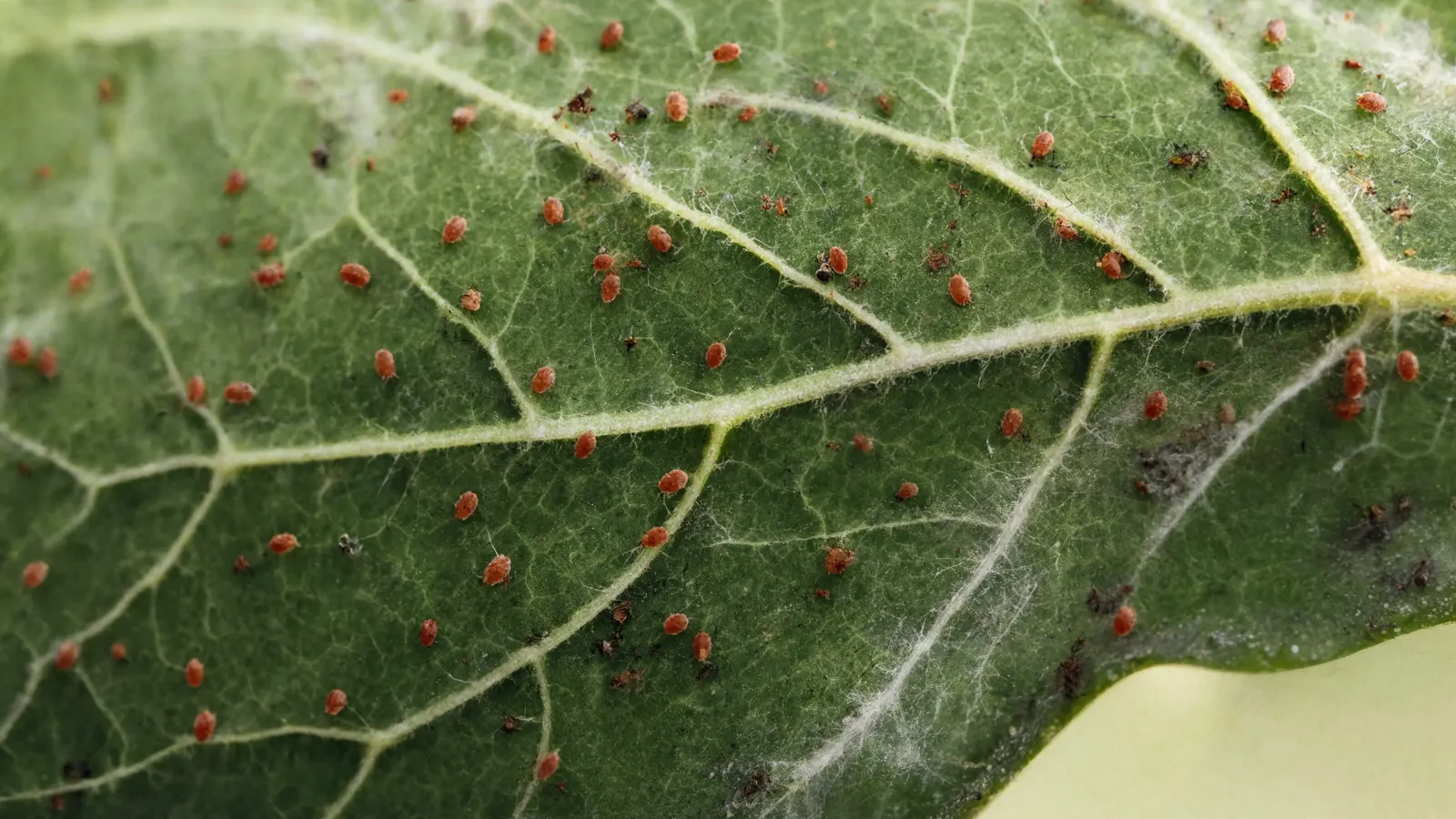
Lavender — Aphids on Lavender
Small soft-bodied insects cluster on new growth and flower spikes, sometimes causing distorted growth and sticky honeydew residue.
⚠ MinorLavender — Spittlebugs (Froghoppers) on Lavender
A frothy, white, spit-like foam appears on stems, with a small greenish insect hiding inside — mostly a cosmetic nuisance rather than a serious threat.
⚠ MinorLavender — Leggy, Sprawling Lavender Growth
Stems grow long and floppy, sprawling outward or falling open rather than maintaining a neat, rounded mound shape.
⚠ ModerateLavender — Winter Die-Back in Lavender
Sections of the plant, or the whole plant, appear dead or brown after winter, with no new growth emerging in spring from affected stems.
⚠ MinorLavender — Powdery Mildew on Lavender
A white, powdery coating develops on leaves and stems, particularly in humid conditions with poor airflow.
⚠ ModerateLavender — Root Mealybugs on Lavender
The plant declines gradually with no obvious above-ground pest signs, and small white cottony masses are visible on the roots when the plant is checked.
⚠ MinorLavender — Slow Establishment After Transplanting Lavender
A newly planted lavender grows slowly or looks stressed for an extended period after transplanting, taking longer than expected to settle in.
⚠ CriticalLavender — Crown Rot in Lavender
The base of the plant, at soil level, turns soft, dark, and rotten, and the whole plant may collapse suddenly even though it looked healthy shortly before.
 ⚠ Minor
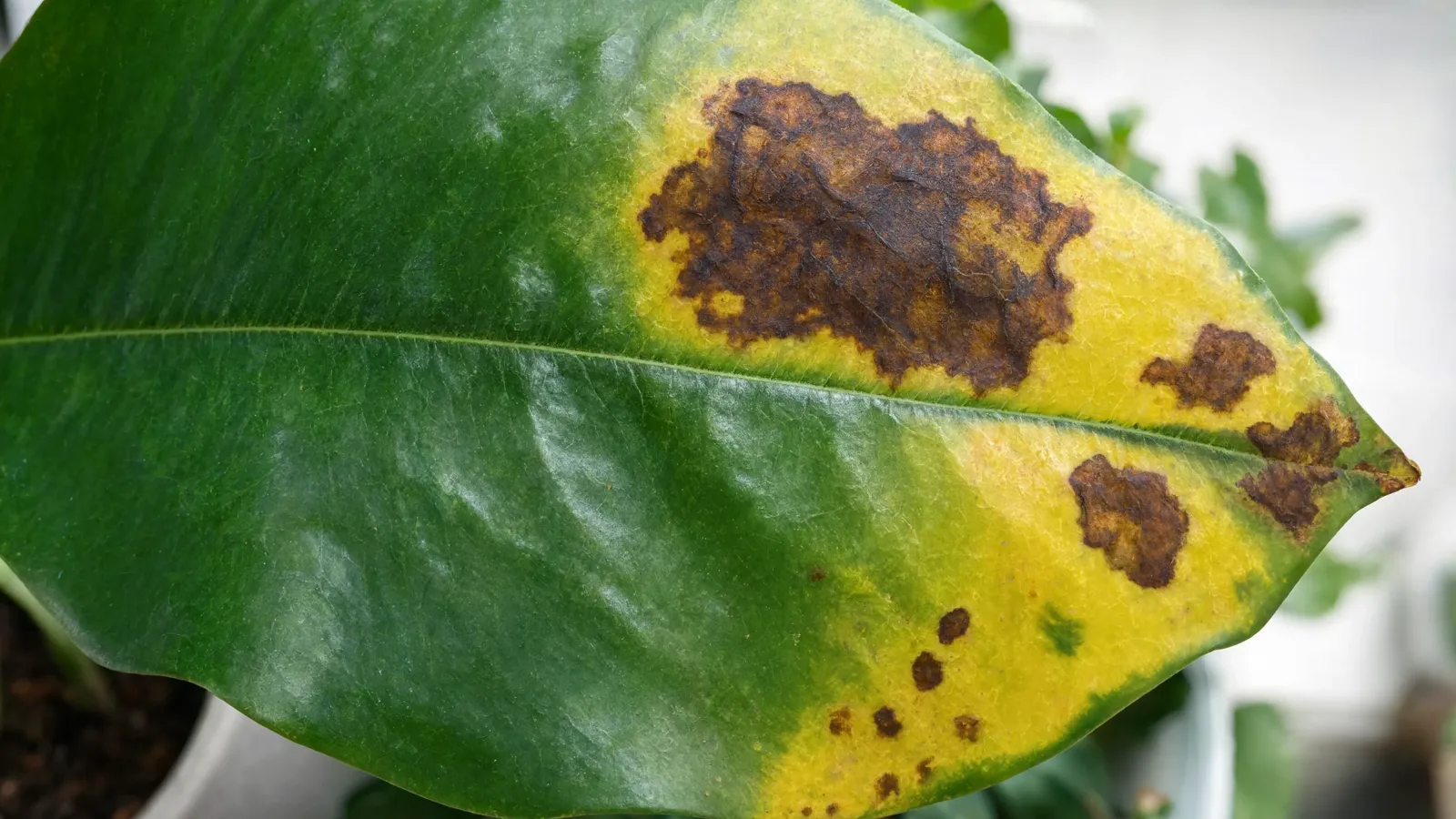
Lavender — Yellowing Lower Leaves on Lavender
Leaves near the base of the plant turn yellow or grey and drop, while upper growth remains green and healthy.
⚠ MinorLavender — Whiteflies on Lavender
Small white, moth-like insects fly up in a cloud when the plant is disturbed, occasionally with sticky honeydew residue on nearby foliage.
⚠ ModerateLavender Declining in Containers
A container-grown lavender grows poorly, yellows, or fails to thrive despite apparently reasonable care, in contrast to how easily it typically grows in the ground.
⚠ MinorLavender — Flower Spikes Fading or Browning Quickly
Flower spikes open normally but fade, brown, or dry out faster than expected, cutting the display short.
 ⚠ Minor
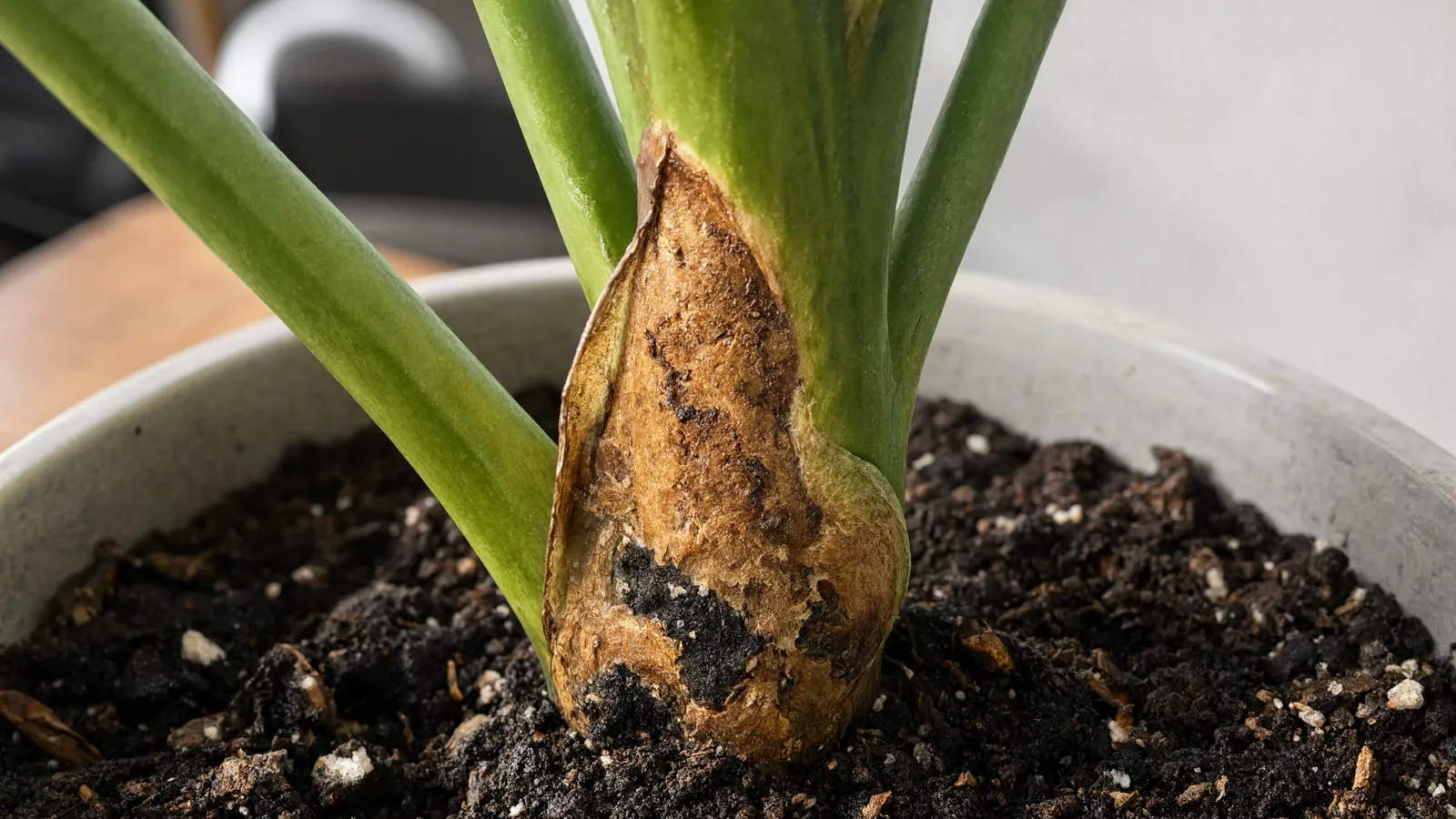
Lavender — Split or Cracked Stems on Lavender
Woody stems develop visible cracks or splits, sometimes at the base near the crown.
⚠ ModerateLavender Shab Disease
Individual stems wilt and die back suddenly while the rest of the plant looks healthy, sometimes with small black fungal fruiting bodies visible on the dead stem.
 ⚠ Minor
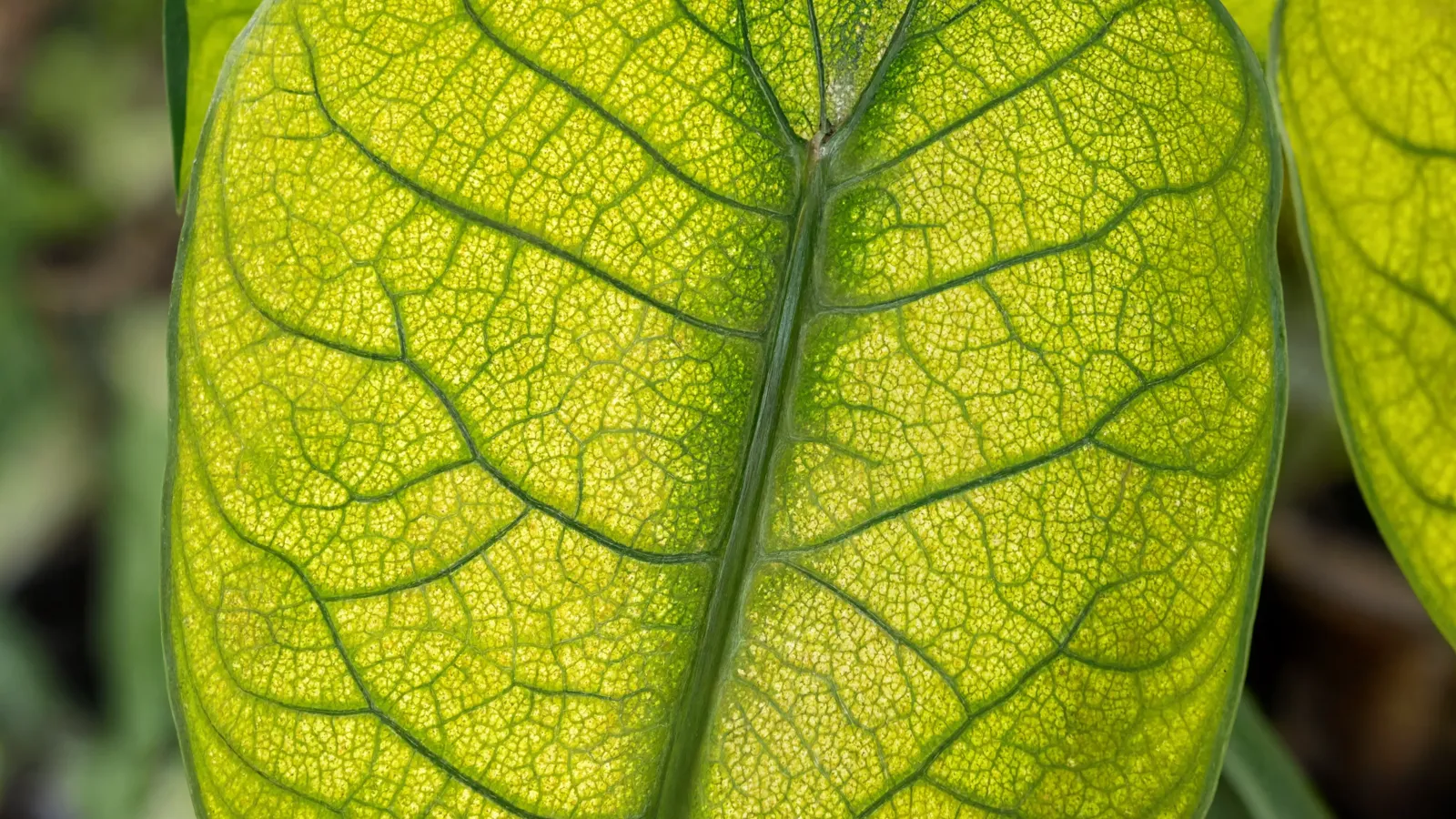
Lavender — Excess Nitrogen Causing Lush but Non-Flowering Lavender
The plant grows unusually lush, soft, and leafy but produces few or no flowers, sometimes with weaker, floppier stems than typical.
Lavender Care Guide
Light, watering, humidity, fertilising, repotting and propagation — everything you need to keep your Lavender thriving.
Full care guide →See how growers fixed these problems
Browse real Lavender grow diaries from the community — treatments, timelines, and results.
Browse community diaries →Common Lavender Questions
Why is my lavender turning brown and woody?
The plant wilts, foliage yellows or browns, and roots appear brown, mushy, and foul-smelling when checked, often the underlying cause of an otherwise unexplained decline.… Read the full guide →
Why won't my lavender flower?
The centre of an established plant becomes bare, brown, and woody, with green growth only around the outer edges, and the plant loses its rounded, bushy shape.… Read the full guide →
How do I prune lavender to keep it bushy?
The plant grows healthy foliage but produces few or no flower spikes, or flowering is noticeably sparse compared to expectations.… Read the full guide →
Can lavender survive winter outdoors?
Small, dark spots appear on foliage, sometimes with a grey or fuzzy centre, particularly in humid or overly wet conditions.… Read the full guide →