 ⚠ Critical
Cold Damage and Frost Injury in Palms
Commonly affects: Various palms (Arecaceae)
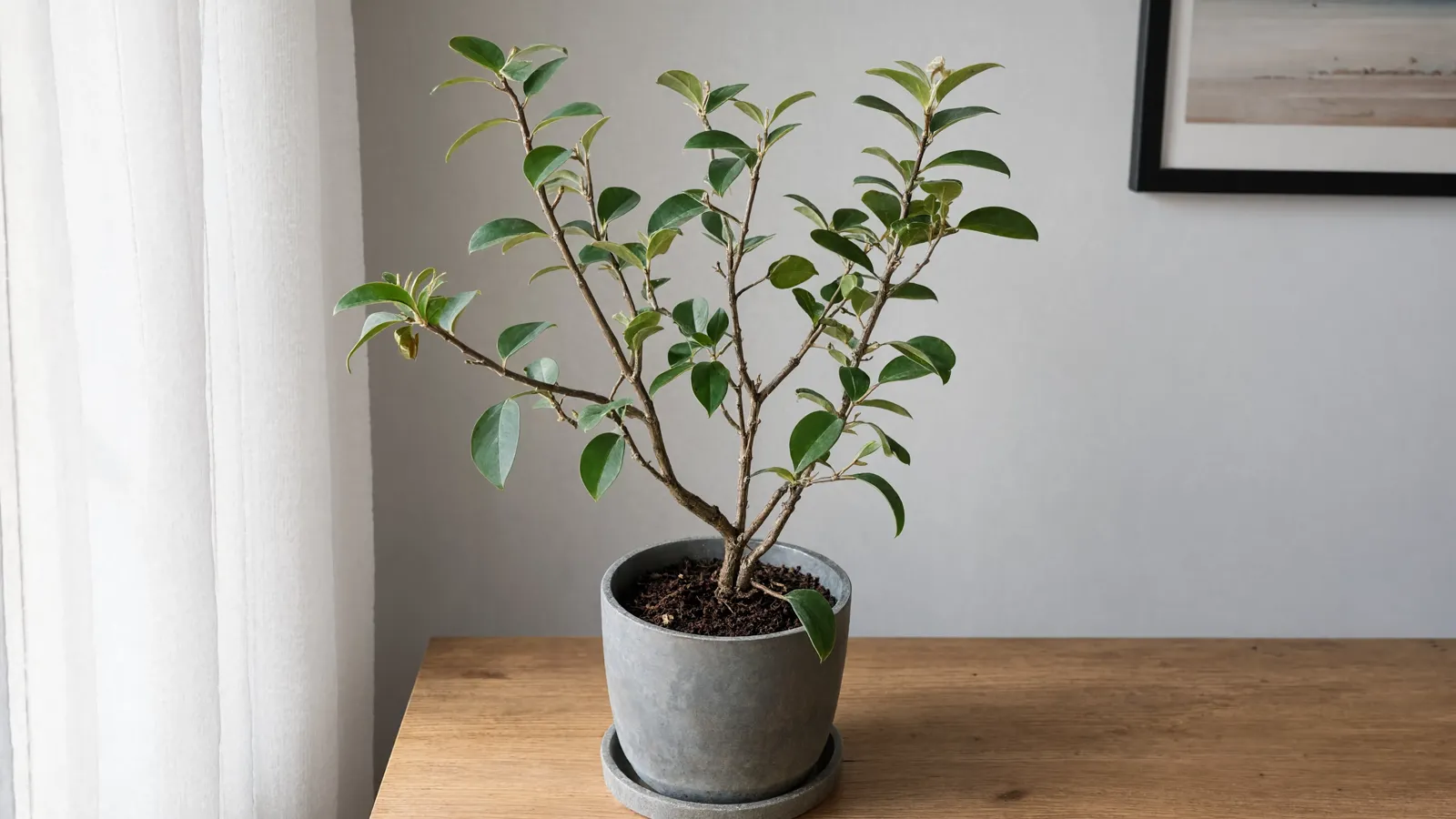
Fronds develop brown, water-soaked, or bleached patches after cold exposure, and severe frost can kill the growing point of less hardy species.
The short answer
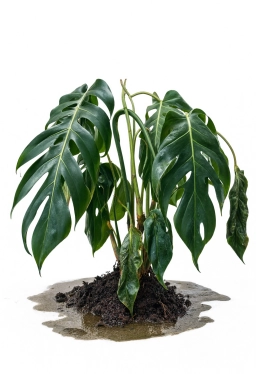
Leaves that go limp, translucent and water-soaked all at once — usually overnight, usually on the side nearest a window or door — are cold damaged. The tissue is dead and will not recover. Move the plant away from the cold source now, do not cut anything yet, and do not water: cold-damaged roots cannot take up water and adding more causes rot on top of the cold injury.
Confirm it before you treat it
- 1Establish the timing. Cold damage appears suddenly, over one night, and does not progress afterwards. Anything that spreads over days is a different problem.
- 2Map the damage against the room. Damage concentrated on the window side, near a door, or below a draught confirms it immediately.
- 3Feel the affected tissue. Cold-damaged leaves go limp and water-soaked before drying to brown or black. Sunburn is dry and bleached from the start.
- 4Check the growing point. If the centre of the plant is still firm, recovery is likely even if every outer leaf is lost.
- 5Check the soil temperature, not just the air. Cold roots in a pot on a tiled or stone floor cause the same symptoms without the air ever feeling cold to you.
Potential Causes
- 1Exposure to temperatures below the specific species' cold tolerance, which varies enormously between palm types
- 2Sudden unexpected cold snaps without protection for outdoor plantings
- 3Cold drafts affecting indoor palms kept too close to a window or door in winter
Solution Steps
- 1Move container-grown palms indoors or to shelter before expected frost
- 2Wrap outdoor palm trunks and crowns with frost cloth in marginal climates before a cold snap
- 3Research your specific species' cold tolerance, since some (like certain windmill palms) tolerate significant cold while others are strictly tropical
- 4Trim away severely damaged fronds once the danger has passed, but leave the crown intact if there's any chance it survived
What else looks like this
| Could be | How to tell it apart |
|---|---|
| Overwatering | Develops over weeks with yellowing that climbs from the bottom. Cold damage arrives overnight and hits whichever leaves were exposed, regardless of age. |
| Bacterial soft rot | Smells foul and oozes. Cold-damaged tissue is odourless — though it frequently becomes infected afterwards, which is why the two get confused. |
| Sunburn | Dry and bleached rather than limp and translucent, and it follows a sunny day rather than a cold night. |
| Transplant shock | Follows a repot rather than a temperature drop, and typically eases over one to two weeks rather than being immediately final. |
| Root rot | Wet soil and brown mushy roots. Cold-damaged roots look normal at first and the soil is often no wetter than usual. |
Recovery timeline
- Day 1Move the plant somewhere stable and mild. Do not cut, do not water, do not feed — the plant needs to reveal what actually died before anything is removed.
- Days 2–7The full extent becomes visible as damaged tissue browns. This is when you can tell healthy from dead, and only now is pruning useful.
- Weeks 2–3Remove clearly dead material. Water sparingly — a plant with fewer leaves and cold-shocked roots uses far less than before.
- Weeks 4–8New growth from the centre confirms the growing point survived. This is the point at which recovery is certain.
- Months 2–4Full canopy replacement, if the crown was undamaged. Palms in particular replace leaves slowly and will look sparse for a season.
If you do nothing
The cold injury itself is a single event and does not continue. The real risk is what follows: dead water-soaked tissue is ideal for bacterial soft rot and fungal infection, which do spread and can reach the crown. A plant left with collapsed leaves in a cool, humid room frequently dies of the secondary infection weeks after the cold night that started it.
Common mistakes
- Cutting damaged leaves immediately. It takes several days for the boundary between living and dead tissue to become clear, and cutting early removes tissue that would have survived.
- Watering to 'help it recover'. Cold-shocked roots cannot absorb water, so it sits in the pot and causes rot.
- Moving the plant somewhere warm quickly. A sharp swing in the other direction adds a second shock; somewhere stable and mild is better than somewhere warm.
- Feeding a cold-damaged plant. It has no capacity to use fertiliser and the salts stress already-damaged roots.
- Forgetting the floor. A pot on cold tile can chill the root ball well below room temperature, which is why the same plant survives on a table and fails on the floor.
Prevention Tip
Never trim the crown of a cold-damaged palm immediately — wait to see if new growth emerges, since the growing point often survives even when fronds look badly damaged.
Questions people actually ask
- How cold is too cold?
- Depends entirely on the species. Most tropical houseplants suffer below about 10 °C and are damaged below 5 °C, while succulents and many palms tolerate considerably less.
- Can a plant recover if all the leaves die?
- Yes, provided the growing point and roots survived — but palms are the exception. A palm whose single growing point is killed cannot produce new leaves at all.
- Should I use a heat mat?
- Gentle bottom heat helps root recovery, but keep it low. A plant that cannot move water is easily dried out by warm roots and cold air.
- Is a windowsill safe in winter?
- Often not. The air between the glass and a drawn curtain can be many degrees colder than the room, which is why damage so often appears on that side.
- Why did it look fine the next morning and collapse a day later?
- Cell damage from freezing takes time to become visible. Tissue that looks intact can already be dead, and it collapses as the cells break down.
More Growth Issues Problems
See all →
Real Palm grow diaries
Growers on DailyGrowers log their plant week by week, one photo at a time. Here's how theirs are going.
Growing Palm too? Start your own diary. It's free and takes 2 minutes.
Start my Palm diary →