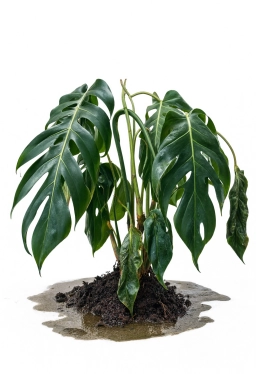
 ⚠ Minor
Slowed growth and seasonal leaf loss in winter reflect lower light and cooler temperatures — a natural dormancy that calls for less water and feed, not intervention.
Winter Growth Stall & Dormancy Stress
Commonly affects: Alocasia spp., Caladium, Colocasia esculenta, Philodendron, Monstera deliciosa
Growth slows dramatically or stops over winter, with some plants — Alocasia and Caladium especially — shedding leaves and appearing to die back to the tuber. Lower light, cooler temperatures, and shorter days reduce the plant's metabolism, and the usual watering and feeding regime becomes excessive for the slowed plant. This is a natural seasonal response rather than a disease.
Potential Causes
- 1Reduced light intensity and shorter photoperiod lowering photosynthesis
- 2Cooler indoor temperatures slowing metabolic activity
- 3Continuing a summer watering schedule that is now too heavy for the slowed plant
- 4Natural dormancy in tuberous aroids triggered by seasonal cues
Solution Steps
- 1Reduce watering substantially to match the plant's lowered uptake, letting the substrate dry more between waterings.
- 2Pause or greatly reduce fertilising until active growth resumes in spring.
- 3Maximise available light by moving the plant to the brightest spot or supplementing with a grow light.
- 4Keep temperatures stable and avoid cold draughts that compound winter stress.
- 5For dormant tuberous aroids, keep the substrate barely moist and store the tuber cool until spring.
- 6Be patient — most plants resume growth naturally as light and warmth return.
Prevention Tip
Adjust care to the season rather than fighting dormancy — less water, little or no feed, and as much light as possible carry aroids comfortably through winter. Overwatering a slowed, low-light plant is the most common winter mistake and leads straight to rot.
Related Issues to Explore

Yellowing Leaves — Overwatering Stress
Maintaining summer watering through winter dormancy is a leading cause of overwatering — reduce water sharply as growth slows.
Read guide
Etiolation — Leggy, Weak Growth from Insufficient Light
Short winter days reduce light and can stretch growth — supplementing with a grow light counters both dormancy stall and etiolation.
Read guide
Temperature Fluctuation Leaf Drop
Winter heating cycles add temperature instability to low light — both contribute to seasonal leaf loss.
Read guideMore Growth Issues Problems
See all →
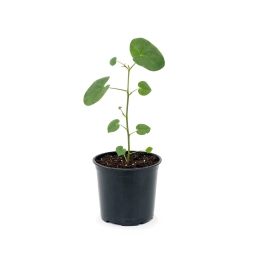
Real Monstera grow diaries
Growers on DailyGrowers log their plant week by week, one photo at a time. Here's how theirs are going.
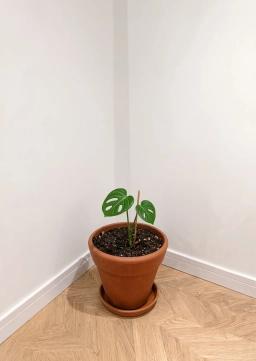
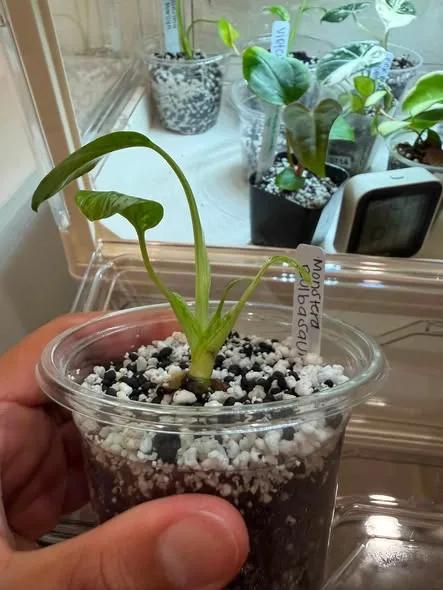
Growing Monstera too? Start your own diary. It's free and takes 2 minutes.
Start my Monstera diary →