

Plant Clinic · Category
Growth Issues
Stunted growth, leggy stems, slow development, and abnormal new leaf formation.
Growth problems manifest as slow development, small new leaves, leggy or etiolated stems, and abnormal leaf formation. These issues typically stem from insufficient light, poor nutrition, root problems, or environmental stress. Understanding the specific growth pattern helps pinpoint the underlying cause quickly.
All Growth Issues
 ⚠ Moderate
Monstera deliciosa
Etiolation — Leggy, Weak Growth from Insufficient Light
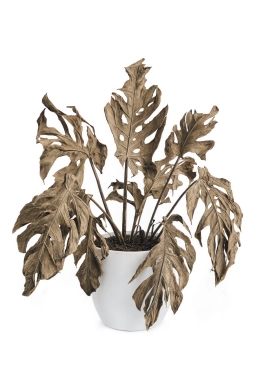
New growth emerges pale, small, and widely spaced along elongated, thin stems. Leaves are significantly smaller than previous growth, may appear yellow-green, and internodal distances (the gaps between leaf nodes) are conspicuously long as the plant 'reaches' toward light. Variegated species may partially or fully revert to solid green as chlorophyll production increases to compensate.
 ⚠ Minor
Monstera deliciosa
Failure to Fenestrate — Immature, Holeless Leaves
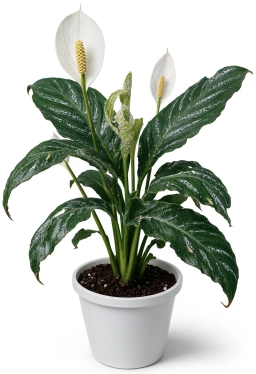
A mature Monstera or split-leaf Philodendron produces only small, solid, heart-shaped leaves without the characteristic splits (fenestrations) or holes expected at that size. New leaves remain juvenile in form, and internodes may be elongated. This is a developmental rather than a disease symptom, driven primarily by insufficient light and immature growth conditions.
 ⚠ Moderate
Newly acquired aroids — Monstera
Transplant & Acclimation Shock
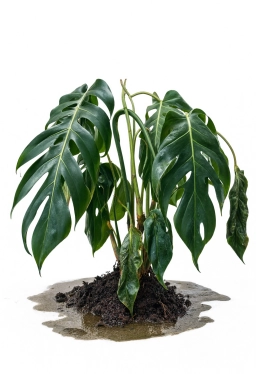
A recently purchased, repotted, or relocated plant drops leaves, yellows, or stalls within days to weeks despite reasonable care. The change in light, humidity, temperature, or substrate disrupts the plant's established balance, and Alocasia in particular may shed several leaves while adjusting. The decline is transient if conditions are stable, with new growth resuming once the plant adapts.
 ⚠ Minor
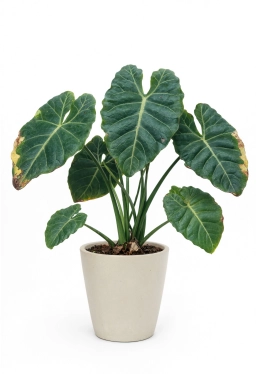
Alocasia spp.
Winter Growth Stall & Dormancy Stress
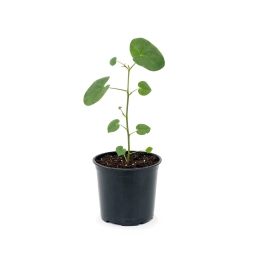
Growth slows dramatically or stops over winter, with some plants — Alocasia and Caladium especially — shedding leaves and appearing to die back to the tuber. Lower light, cooler temperatures, and shorter days reduce the plant's metabolism, and the usual watering and feeding regime becomes excessive for the slowed plant. This is a natural seasonal response rather than a disease.
 ⚠ Moderate
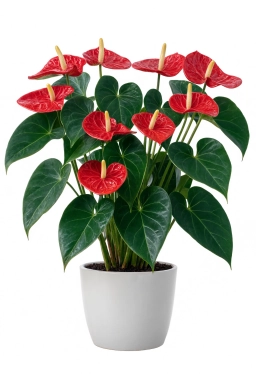
Anthurium andraeanum
Calcium Deficiency — Deformed New Leaves
New leaves emerge distorted, hooked, or with dead, brown patches and necrotic margins, and growing tips may die back. Because calcium is immobile and cannot be relocated within the plant, symptoms appear specifically on the newest growth while older leaves remain normal. Affected leaves are often crinkled or fail to expand evenly.
 ⚠ Minor
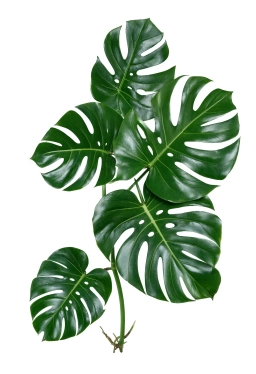
Climbing aroids — Monstera deliciosa
Aerial Roots & Lack of Climbing Support
A climbing aroid produces long aerial roots that wave in the air or sprawl across the floor with nothing to attach to, while the plant grows leggy, sideways, or downward. Leaves may stay small and fail to mature without the vertical orientation climbing species need. The aerial roots are healthy and seeking a surface to anchor to — the issue is the absence of a support.
 ⚠ Moderate
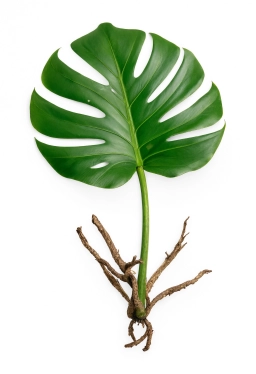
Cuttings & divisions — Monstera
Propagation Failure — Cuttings Rotting or Stalling
A stem or node cutting placed to root softens, browns, and mushes at the cut end instead of producing roots, or simply stalls indefinitely without rooting. The node may blacken and the cutting eventually collapses. Failures cluster around overly wet, contaminated, or poorly chosen cuttings rather than any single disease.
 ⚠ Critical
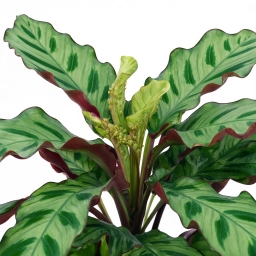
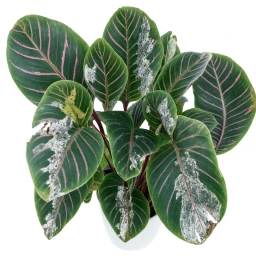
Calathea orbifolia
Calathea New Growth Dying — Unfurling Leaves Rotting Before Opening
New leaves emerge as tightly rolled spears but fail to unfurl fully — the tips turn brown and mushy, the leaf sticks together, or the emerging shoot collapses before opening. In severe cases, the growth point itself rots, halting all new growth indefinitely. This condition differs from general tip burn as it exclusively affects developing growth that has not yet unfurled.
 ⚠ Minor
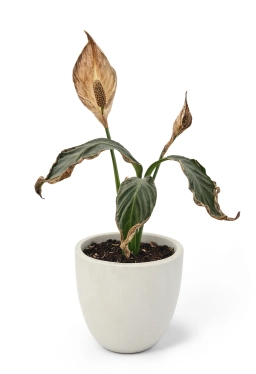
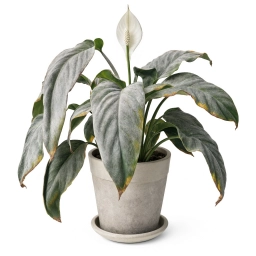
Spathiphyllum wallisii (Peace Lily)
Peace Lily Not Flowering — Insufficient Light, Age or Temperature Gap
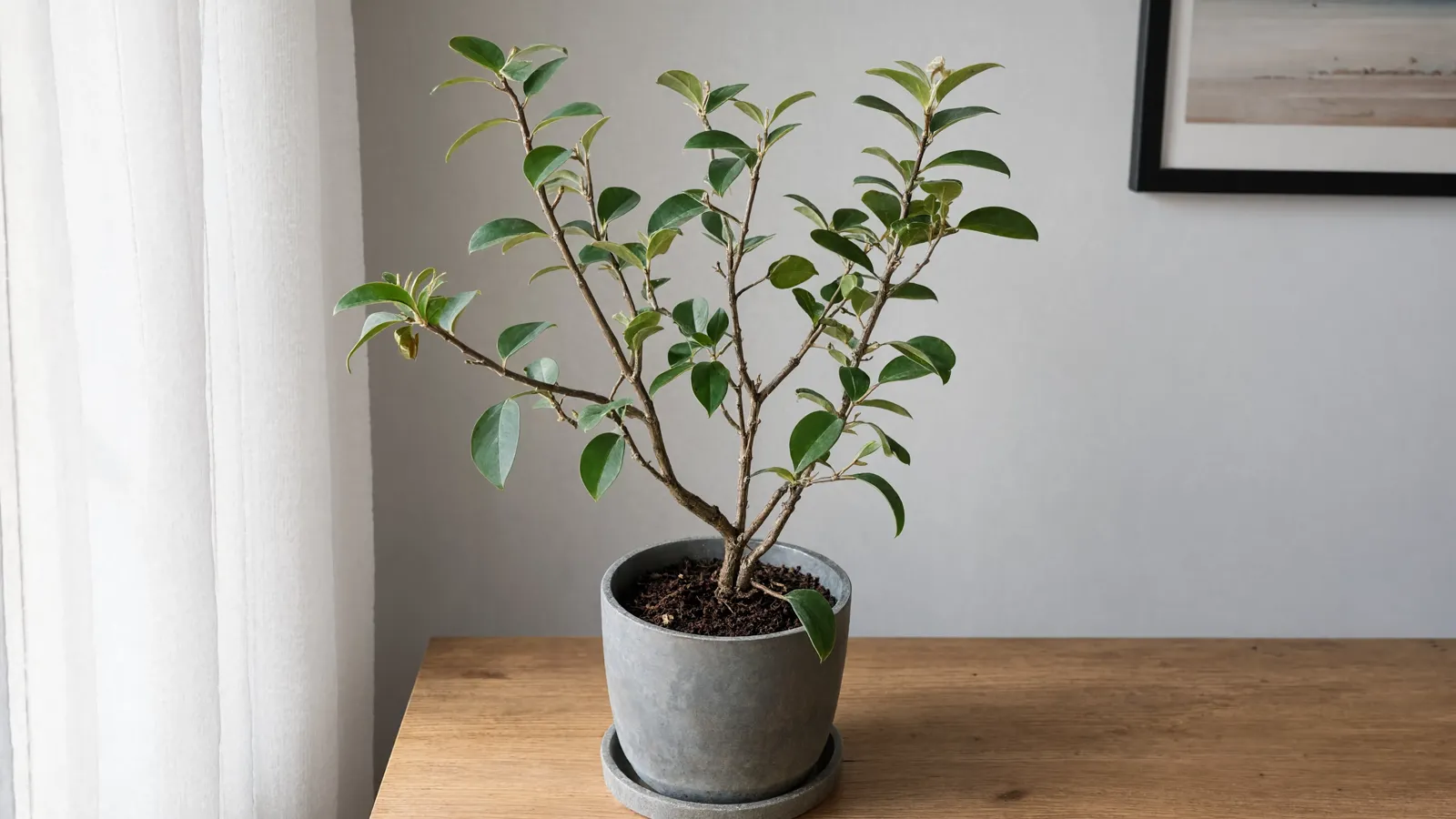
A Peace Lily that is otherwise healthy but produces no spathes — the white flowers — despite being of flowering age. The plant continues to push new foliage but no blooms emerge. Flowering in Spathiphyllum is triggered by a combination of adequate light intensity and, in many cultivars, a mild temperature fluctuation between night and day that signals the transition from vegetative to reproductive growth.
 ⚠ Minor
Anthurium andraeanum
Anthurium Not Flowering — Low Light, Rootbound or Nutrient Imbalance
An Anthurium that produces healthy foliage but no new spathes, or produces spathes at very long intervals of 6+ months between blooms. Under ideal conditions, a mature Anthurium should produce a new spathe every 6–8 weeks year-round. Prolonged gaps between spathes indicate the plant is allocating resources to vegetative recovery rather than reproduction, usually in response to an environmental limiting factor.
 ⚠ Minor
Alocasia spp.
Alocasia Seasonal Leaf Drop — Normal Dormancy vs. Root Stress
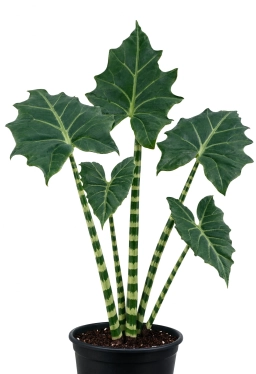
Alocasia leaves yellow one by one and detach, leaving bare stems or corms. This follows two very different patterns: normal dormancy (a gradual, seasonal process in autumn/winter where the plant retreats to its corm) or pathological leaf drop from root damage (which can occur at any time of year and is accompanied by mushy corm tissue or pest infestation). Distinguishing between these two is critical — treating normal dormancy as a disease causes unnecessary intervention and sometimes kills the plant.
 ⚠ Minor
Epipremnum aureum — Golden Pothos
Pothos Leggy Growth — Long Bare Stems from Insufficient Light
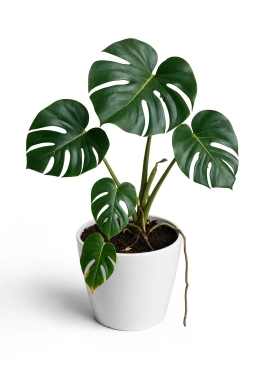
The plant produces long internodes (the stem sections between leaves) with smaller-than-normal leaf size, and lower leaves drop leaving bare woody stems. New leaves emerge but are widely spaced rather than clustered. In variegated cultivars like Marble Queen, leaves in low light lose their white variegation and revert to plain green as the plant maximises chlorophyll production. Pothos is famously tolerant of low light but will grow slowly and leggily, not thrivingly, in poor conditions.
 ⚠ Minor
Ficus lyrata (Fiddle Leaf Fig)
Fiddle Leaf Fig Not Producing New Leaves — Light Deficiency & Seasonal Dormancy
The plant produces no new growth for weeks or months. The growing tip remains static with no visible bud swelling or emergence. Existing leaves are healthy and the plant otherwise looks stable. Ficus lyrata requires substantial bright indirect light to produce new growth — it is a forest-edge tree that receives bright, filtered light for most of the day in its native habitat. Indoors, positions more than 2 metres from a bright window often provide insufficient light energy to fuel leaf production, even though the plant survives indefinitely in these conditions.
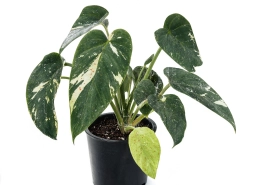 ⚠ Moderate
Ficus lyrata (Fiddle Leaf Fig)
Fiddle Leaf Fig Transplant Shock — Leaf Drop After Repotting
Immediately or within 1-3 weeks of repotting, the plant drops multiple leaves, wilts, and shows no new growth. Remaining leaves may yellow slightly. This is the most stressful event in a Ficus lyrata's life apart from moving — root disturbance during repotting disrupts the plant's carefully established water uptake system, triggering a stress response. The scale of leaf drop typically correlates with the extent of root disturbance during the repot.
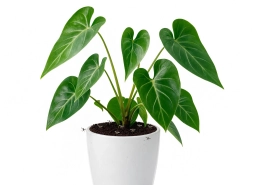 ⚠ Minor
Ficus lyrata (Fiddle Leaf Fig)
Fiddle Leaf Fig Leggy Bare Trunk — Leaf Loss and Sparse Growth from Low Light
The lower portion of the trunk becomes bare as older leaves drop, while the plant continues to produce a sparse cluster of leaves only at the very top. New leaves are smaller than expected for the cultivar. The overall appearance is a tall, thin trunk with minimal foliage — the characteristic 'palm tree' look that indicates chronic low-light stress. Without sufficient light, Ficus lyrata cannot maintain its lower canopy of large leaves and progressively sheds them to concentrate its limited energy on the apical growing point.
⚠ MinorSansevieria trifasciata / Dracaena trifasciata — all cultivars
Snake Plant Not Growing — Winter Dormancy & Root-Bound Conditions
The plant produces no new leaves or offsets (pups) for months or years. Existing leaves remain healthy but no new growth points are visible at the substrate surface. Snake plants are naturally slow-growing and virtually stop all growth in winter regardless of care. However, chronically root-bound plants also stop producing pups even in summer — the dense root mass signals to the plant that space is exhausted and reproduction (which pup production essentially is) is suppressed.
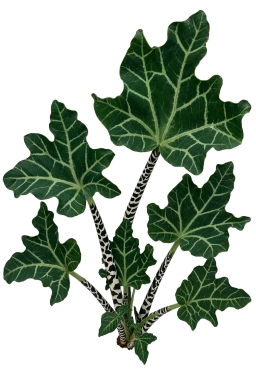 ⚠ Minor
Sansevieria trifasciata / Dracaena trifasciata — leaf cutting propagation
Snake Plant Leaf Cutting Failure — Rot Before Rooting & Variegation Loss
Leaf sections cut for propagation turn mushy and rot from the cut end before producing roots, or root successfully but produce only plain green pups (variegation loss). Two distinct problems are grouped here because they share the propagation context. Leaf rot in cuttings is the result of planting cut sections in moist substrate before a callous forms. Variegation loss is an inherent genetic limitation of leaf-cutting propagation: variegated cultivars (like Laurentii with its yellow margins) revert to all-green when propagated from leaves — variegation in these cultivars is in the outer tissue only and is not reproduced by leaf cells.
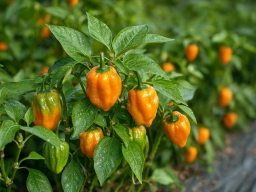 ⚠ Moderate
Capsicum annuum
Blossom Drop � Flowers Falling Before Fruiting
Flowers form normally but wither and drop off within a few days, without ever setting fruit. The plant otherwise looks healthy, with green foliage and continued new flower production, but very few flowers actually convert to peppers.
 ⚠ Moderate
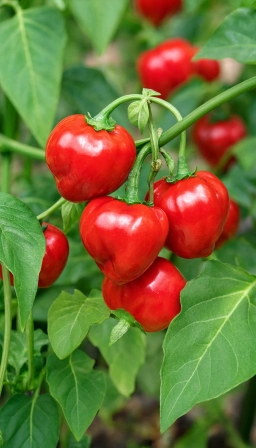
Capsicum annuum
Blossom End Rot on Peppers
A sunken, dark brown to black leathery patch develops on the bottom (blossom end) of developing fruit, while the rest of the pepper looks otherwise normal. The lesion doesn't spread as fuzzy mould, but it does soften and can allow secondary rot to set in.
 ⚠ Moderate
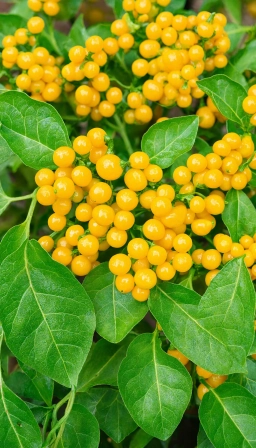
Capsicum annuum
Poor Fruit Set Despite Healthy Flowering
The plant produces plenty of flowers over an extended period, but very few develop into peppers. The plant otherwise appears vigorous and green, making the lack of fruit puzzling.
⚠ MinorCapsicum annuum
Stunted Growth in Young Pepper Plants
The plant grows very slowly or barely at all after transplanting, with small, sometimes purple-tinged leaves and a generally weak appearance compared to expected growth for its age.
 ⚠ Minor
Mentha spicata
Leggy, Sparse Growth in Mint
Stems grow long and thin with widely spaced leaves, and the overall patch looks sparse and straggly rather than bushy and full, especially toward the middle or late season.
 ⚠ Minor
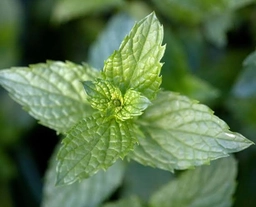
Mentha spicata
Mint Leaves Tasting Bitter
Harvested leaves taste noticeably more bitter or less fresh than expected, often coinciding with the plant flowering or with older, more mature growth being picked instead of fresh new leaves.
 ⚠ Minor
Mentha spicata
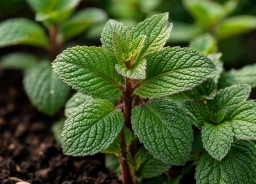
Mint Spreading Uncontrollably
Mint rapidly expands well beyond its original planting area via underground runners, popping up in unexpected parts of the garden and potentially crowding out neighbouring plants.
 ⚠ Minor
Ocimum basilicum (Basil)
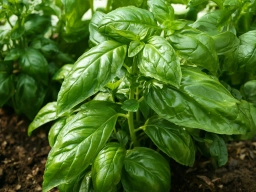
Basil Bolting and Flowering Too Early
The plant sends up tall flower spikes earlier than expected, and leaf production slows as energy shifts toward flowering. Leaves harvested around this time often taste more bitter than usual.
 ⚠ Minor
Ocimum basilicum (Basil)
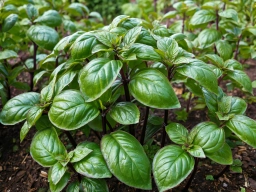
Slow or Stalled Growth in Basil
The plant produces very few new leaves over an extended period and generally looks stalled rather than actively growing, despite otherwise appearing healthy and green.
 ⚠ Moderate
Solanum lycopersicum (Tomato)
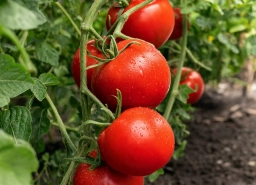
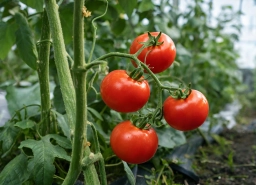
Blossom End Rot on Tomatoes
A sunken, dark brown to black leathery patch develops on the bottom of the fruit, opposite the stem. The rest of the tomato looks otherwise normal, and the lesion doesn't spread as fuzzy mould, though it can allow secondary rot to move in.
 ⚠ Moderate
Solanum lycopersicum (Tomato)
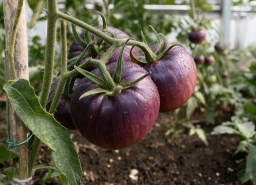
Tomato Flowers Dropping Before Fruiting
Flowers form normally but wither and fall off within a few days without setting fruit. The plant continues producing new flowers, but very few actually develop into tomatoes.
 ⚠ Minor
Solanum lycopersicum (Tomato)
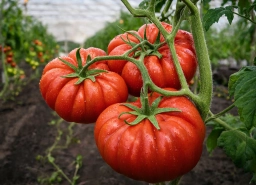
Excessive Sucker Growth Reducing Tomato Yield
The plant produces many small side shoots (suckers) growing from the junction between the main stem and each leaf branch, resulting in a dense, sprawling plant with abundant foliage but fewer, smaller fruit than expected.
 ⚠ Minor
Solanum lycopersicum (Tomato)
Fruit Cracking and Splitting on Tomatoes
Concentric rings or radial cracks appear on the skin of ripening fruit, sometimes exposing the flesh underneath. Cracked fruit is still often edible if harvested promptly, but is more prone to rot.
 ⚠ Minor
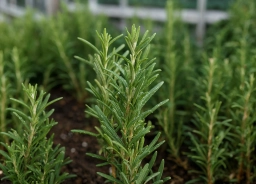
Salvia rosmarinus (Rosemary)
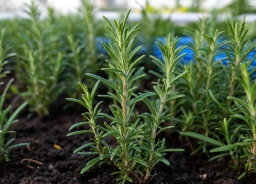
Leggy, Woody Rosemary With Sparse New Growth
The plant develops long, bare, woody stems with foliage clustered only at the tips, giving it a sparse, straggly appearance rather than the dense, bushy form rosemary can have with regular care.
 ⚠ Moderate
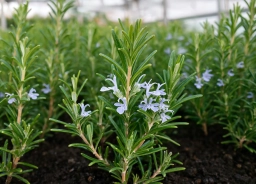
Salvia rosmarinus (Rosemary)
Rosemary Not Surviving Winter Outdoors
The plant appears to die back significantly or completely over winter, with brown, dry foliage and no new growth appearing once spring arrives, particularly in regions with hard frosts.
 ⚠ Minor
Salvia rosmarinus (Rosemary)
Rosemary Not Flowering
The plant grows healthy foliage but produces few or no of its characteristic small blue-purple flowers, even though it appears otherwise vigorous and well established.
⚠ MinorSolanum lycopersicum (Tomato)
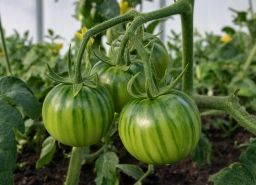
Catfacing — Deformed, Scarred Tomato Fruit
Fruit develops puckered, scarred, or malformed blossom ends, sometimes with deep folds or cavities, most common on the first fruits of the season on large-fruited varieties.
 ⚠ Critical
Solanum lycopersicum (Tomato)
Tomato Yellow Leaf Curl Virus (TYLCV)
New leaves emerge small, cupped upward, and yellow along the margins, with the whole plant becoming visibly stunted and bushy. Flowering drops sharply and existing fruit rarely matures normally once symptoms appear.
⚠ ModerateCucurbita pepo
Blossom End Rot on Pumpkin Fruit
A sunken, dark, leathery patch develops on the blossom end of developing fruit — the end opposite the stem — while the rest of the pumpkin looks otherwise healthy.
⚠ ModerateCucurbita pepo
Pumpkin Flowers Not Setting Fruit
The vine produces plenty of flowers, but they wither and drop without developing into fruit, or tiny fruit start to form and then shrivel and rot within days of the flower closing.
⚠ CriticalCucurbita pepo
Sudden Vine Collapse in Pumpkin
A healthy-looking vine wilts and collapses within a day or two, often with no obvious warning signs beforehand. The rest of the plant may remain fine if the damage is isolated to one section.
⚠ CriticalCucurbita pepo
Mosaic Virus on Pumpkin Plants
Leaves develop a mottled light-and-dark green pattern, sometimes with distorted, narrowed, or curled shape. Fruit can show raised bumpy patches or a blotchy mottled colour pattern, and overall vine vigour declines.
⚠ ModerateCucurbita pepo
Fruit Splitting on Pumpkins
Cracks appear on the pumpkin's skin, sometimes shallow and cosmetic, other times deep enough to expose the flesh underneath, typically appearing during rapid growth phases.
⚠ MinorCucurbita pepo
Stunted Growth in Young Pumpkin Plants
Seedlings or young vines grow very slowly, with small leaves and minimal vine extension compared to expected growth for their age, even under seemingly adequate conditions.
⚠ MinorCucurbita pepo
Misshapen or Lopsided Pumpkin Fruit
The developing fruit grows unevenly, ending up lopsided, flattened on one side, or oddly shaped rather than the expected round or oval form for the variety.
⚠ CriticalPassiflora edulis (Passion Fruit)
Passion Fruit Woodiness Virus
Leaves develop a mottled mosaic pattern with distorted, narrowed shape, and fruit becomes hard, small, and woody with thick rind and little pulp.
⚠ ModeratePassiflora edulis (Passion Fruit)
Passion Fruit Vine Flowering But Not Fruiting
The vine produces abundant, fragrant flowers, but very few develop into fruit, with most flowers wilting and dropping within a day or two of opening.
⚠ ModeratePassiflora edulis (Passion Fruit)
Passion Fruit Dropping Before Ripening
Fruit falls from the vine while still green or only partially ripe, sometimes in significant quantity, well before reaching full size and colour.
⚠ MinorPassiflora edulis (Passion Fruit)
Slow Growth and Cold Stress in Passion Fruit
The vine grows very slowly or stalls entirely during cool weather, with new growth stunted, purple-tinged, or slow to unfurl.
⚠ CriticalMusa acuminata
Banana Bunchy Top Virus (BBTV)
New leaves emerge progressively smaller, narrower, and more upright, giving the plant a stunted, bunched rosette appearance at the top. Dark green streaks ('Morse code' pattern) appear along leaf veins and petioles.
⚠ MinorMusa acuminata
Slow or Stunted Growth in Banana Plants
The plant produces very few new leaves over an extended period and looks generally stalled rather than actively growing.
⚠ MinorMusa acuminata
Banana Plant Not Producing Fruit Indoors
The plant grows large and healthy but never flowers or fruits, even after years of good care in an indoor or container setting.
⚠ MinorMusa acuminata
Overcrowded Suckers Reducing Banana Vigour
Multiple suckers (baby plants) crowd around the base of the main plant, and overall vigour and fruit size decline as the clump becomes overcrowded.
⚠ ModerateActinidia deliciosa
Kiwi Vine Not Setting Fruit
The vine flowers but produces no fruit, or only a handful of small, poorly-formed fruit despite abundant blossom.
⚠ MinorActinidia deliciosa
Slow Establishment in Newly Planted Kiwi Vines
A newly planted vine grows very slowly or barely at all in its first season or two, showing minimal new growth compared to expectations.
⚠ ModerateActinidia deliciosa
Kiwi Fruit Dropping Before Ripening
Fruit falls from the vine while still small and hard, sometimes in noticeable quantity, well before the normal autumn harvest window.
⚠ MinorActinidia deliciosa
Excessive Vine Growth But No Fruiting
The vine grows extremely vigorously with lush foliage covering the trellis, but produces little to no fruit despite reaching a mature size.
⚠ MinorActinidia deliciosa
Splitting Fruit on Kiwi Vines
Cracks appear on the fruit's skin, typically during rapid growth phases, especially after inconsistent watering.
⚠ ModerateActinidia deliciosa
Frost Damage to New Kiwi Growth
Tender new shoots and leaves blacken and wilt after a late spring frost, while older, hardened growth remains unaffected.
⚠ ModerateVitis vinifera
Poor Fruit Set and Shatter on Grapevines
Many flowers fail to develop into berries, leaving unusually loose, sparse clusters with far fewer grapes than expected.
⚠ ModerateVitis vinifera
Bird Damage to Ripening Grapes
Birds peck and consume ripening berries, sometimes destroying entire clusters just as fruit reaches peak ripeness.
⚠ MinorVitis vinifera
Splitting Grape Berries
Cracks appear in the berry skin, especially after rain following a dry period, sometimes leading to secondary rot in the split fruit.
⚠ MinorVitis vinifera
Excessive Vine Growth But Poor Fruiting
The vine produces vigorous, leafy growth covering the trellis, but flower and fruit production is disappointing relative to the vine's size.
⚠ ModerateVitis vinifera
Crown Gall on Grape Vines
Rough, irregular, woody galls form at the base of the trunk or on roots, sometimes girdling and weakening the vine over time.
⚠ MinorCucumis sativus (Cucumber)
Bitter-Tasting Cucumbers
Fruit, especially near the stem end, develops a noticeably bitter taste, sometimes throughout the whole cucumber in severe cases.
⚠ ModerateCucumis sativus (Cucumber)
Blossom End Rot on Cucumbers
A sunken, dark, water-soaked patch develops on the blossom end of developing fruit, expanding as the cucumber grows.
⚠ MinorCucumis sativus (Cucumber)
Curved or Misshapen Cucumbers
Fruit develops a curved, hooked, or otherwise irregular shape rather than the expected straight, uniform form.
⚠ CriticalCucumis sativus (Cucumber)
Sudden Vine Collapse in Cucumber Plants
A healthy-looking vine wilts and collapses within a day or two, sometimes with no obvious warning signs beforehand.
⚠ MinorCucumis sativus (Cucumber)
Slow Growth From Cold Stress in Cucumber
Seedlings or young vines grow very slowly, with pale or purple-tinged leaves, when soil or air temperatures are too cool.
⚠ ModerateCucumis sativus (Cucumber)
Poor Pollination Reducing Cucumber Yield
Flowers form and open normally but fail to develop into fruit, or tiny fruit start forming and then yellow and shrivel within days.
⚠ ModerateBrassica oleracea var. italica (Broccoli)
Broccoli Bolting and Flowering Prematurely
The plant sends up a tall flower stalk with small yellow flowers before forming a proper harvestable head, or an already-forming head opens into loose yellow flowers.
⚠ MinorBrassica oleracea var. italica (Broccoli)
Buttoning — Small Premature Heads on Broccoli
The plant forms a tiny, premature head far smaller than expected, sometimes on a stunted plant, rather than developing to full harvestable size.
⚠ MinorBrassica oleracea var. italica (Broccoli)
Hollow Stem in Broccoli
The main stem develops a hollow cavity when cut, sometimes with brown discolouration inside, though the head itself often looks normal from outside.
⚠ ModerateBrassica oleracea var. italica (Broccoli)
Poor or Loose Head Formation in Broccoli
The plant produces a loose, open cluster of small florets rather than the tight, dense head expected, or heads are smaller than the variety should produce.
⚠ MinorBrassica oleracea var. italica (Broccoli)
Heat Stress and Bitter Taste in Broccoli
Heads develop a stronger, more bitter, sometimes unpleasant flavour when broccoli matures during hot weather rather than cool conditions.
⚠ MinorBrassica oleracea var. italica (Broccoli)
Splitting or Cracking Broccoli Heads
The tightly-packed head develops cracks or splits, sometimes exposing the florets beneath, typically after a growth spurt.
⚠ CriticalCarica papaya (Papaya)
Papaya Ringspot Virus (PRSV)
Leaves develop a mottled mosaic pattern with distorted, narrow, sometimes shoestring-like shape, and fruit shows characteristic concentric ring-shaped water-soaked spots.
⚠ ModerateCarica papaya (Papaya)
Papaya Tree Not Producing Fruit
The tree grows well and flowers, but produces little or no fruit, or fruit that fails to develop past a small size.
⚠ MinorCarica papaya (Papaya)
Stunted Growth in Young Papaya Trees
Young trees grow very slowly, with small leaves and minimal height gain compared to expected growth for their age.
⚠ ModerateCarica papaya (Papaya)
Papaya Fruit Dropping Before Ripening
Small developing fruit falls from the tree before reaching full size, sometimes in noticeable quantity during certain periods.
⚠ MinorCarica papaya (Papaya)
Slow or Poor Germination of Papaya Seeds
Seeds take an unusually long time to sprout, or a large proportion fail to germinate at all despite apparently viable seed.
⚠ MinorCarica papaya (Papaya)
Corky, Scarred Skin on Papaya Fruit
The fruit's skin develops a rough, corky, scarred texture, sometimes in a ring or blotchy pattern, though the flesh inside is often still normal.
⚠ ModerateFragaria × ananassa (Strawberry)
Bird Damage to Ripening Strawberries
Birds peck and consume ripening fruit, sometimes leaving only partially eaten berries scattered through the bed just as fruit reaches peak ripeness.
⚠ ModerateFragaria × ananassa (Strawberry)
Poor Fruit Set and Small Strawberries
Plants flower but produce few, small, or oddly-shaped berries rather than the full, plump fruit expected.
⚠ MinorFragaria × ananassa (Strawberry)
Runners Overtaking the Strawberry Bed
The bed becomes densely overcrowded with new plantlets from runners, crowding out the original 'mother' plants and reducing overall fruit production.
⚠ MinorFragaria × ananassa (Strawberry)
Slow Establishment in Newly Planted Strawberries
Newly planted strawberries grow slowly and produce little fruit in their first season, showing minimal vigour compared to expectations.
⚠ MinorFragaria × ananassa (Strawberry)
Misshapen Strawberries
Fruit develops an irregular, lumpy, or cockscomb-like shape rather than the expected uniform conical form.
⚠ ModerateFragaria × ananassa (Strawberry)
General Decline From Viral Complex in Strawberries
Plants show a gradual, unexplained decline over multiple seasons — reduced vigour, smaller fruit, and stunted runners — without an obvious single cause.
⚠ MinorPhalaenopsis spp. and other Orchidaceae (Orchid)
Orchid Not Reblooming
The plant stays healthy with good leaves but fails to produce a new flower spike season after season, or spikes form but never open into flowers.
⚠ ModeratePhalaenopsis spp. and other Orchidaceae (Orchid)
Bud Blast — Orchid Buds Dropping Before Opening
Developing flower buds turn yellow or shrivel and drop off the spike before ever opening, sometimes affecting the entire spike at once.
⚠ CriticalPhalaenopsis spp. and other Orchidaceae (Orchid)
Viral Infection in Orchids
Leaves develop a mottled or streaked pattern of light and dark patches, sometimes with a break in flower colour pattern, and overall vigour declines gradually.
⚠ MinorPhalaenopsis spp. and other Orchidaceae (Orchid)
Keiki (Baby Plantlet) Formation on Orchid Spikes
A small plantlet with tiny leaves and sometimes roots forms along the flower spike or at the base of the plant, rather than another flower.
⚠ MinorCactaceae (Cactus)
Corking on Cactus Stems
The base or lower portion of the cactus develops a brown, rough, bark-like texture that spreads upward over time.
⚠ MinorCactaceae (Cactus)
Yellowing on Cactus Bodies
The cactus body takes on an unusual yellow or pale tint rather than its normal green colour, sometimes starting at the top or on the sun-facing side.
⚠ MinorCactaceae (Cactus)
Leaning or Toppling Cactus
The cactus leans to one side or tips over entirely, sometimes due to top-heavy growth or weakened structure at the base.
⚠ MinorCactaceae (Cactus)
Slow or No Growth in Cacti
The cactus shows minimal or no new growth over an extended period, even during what should be its active growing season.
⚠ CriticalCactaceae (Cactus)
Cold Damage and Frost Injury in Cacti
Tissue develops water-soaked, translucent patches that turn brown or black after cold exposure, and severe frost can kill the plant outright.
⚠ MinorCactaceae (Cactus)
Splitting or Cracking on Cactus Skin
Cracks appear on the cactus body, typically after heavy watering or rain following an extended dry period.
⚠ ModerateVarious succulents (Crassulaceae
Cold Damage on Succulents
Leaves develop translucent, water-soaked patches that turn brown or black after cold exposure, and severe cold can kill less hardy species outright.
⚠ MinorVarious succulents (Crassulaceae
Splitting Leaves on Succulents After Watering
Leaves crack or split open, typically after heavy watering following an extended dry period.
⚠ MinorVarious succulents (Crassulaceae
Confusing Summer or Winter Dormancy for a Problem
The plant appears to stop growing, sometimes with slightly duller colour or minor leaf tucking, during a period the grower expects active growth.
⚠ MinorVarious ferns (Polypodiopsida)
Slow or Stunted Growth in Ferns
The plant produces few or no new fronds over an extended period, even during the growing season.
⚠ ModerateVarious ferns (Polypodiopsida)
Cold Damage on Ferns
Fronds develop translucent, water-soaked patches that turn brown or black after cold exposure, often near a drafty window in winter.
⚠ MinorVarious ferns (Polypodiopsida)
Fern Fronds Failing to Unfurl Properly
New fiddlehead-like fronds emerge but stall partway through unfurling, sometimes browning before fully opening.
⚠ CriticalVarious palms (Arecaceae)
Cold Damage and Frost Injury in Palms
Fronds develop brown, water-soaked, or bleached patches after cold exposure, and severe frost can kill the growing point of less hardy species.
⚠ MinorVarious palms (Arecaceae)
Slow or Stunted Growth in Palms
The plant produces few or no new fronds over an extended period, even during what should be its active growing season.
⚠ MinorColocasia esculenta (Taro / Elephant Ear)
Dormancy Die-Back in Colocasia
Leaves yellow and die back entirely, sometimes leaving what looks like a completely dead plant, typically as temperatures drop in autumn.
⚠ ModerateColocasia esculenta (Taro / Elephant Ear)
Cold Damage on Colocasia
Leaves develop translucent, water-soaked, or blackened patches after cold exposure, distinct from the natural yellowing die-back of seasonal dormancy.
⚠ MinorColocasia esculenta (Taro / Elephant Ear)
Slow or Stunted Growth in Colocasia
The plant produces small leaves or grows very slowly, falling short of the large, dramatic foliage this plant is known for.
⚠ MinorColocasia esculenta (Taro / Elephant Ear)
Small Leaves and Stunted Growth in Colocasia
The plant produces noticeably smaller leaves than expected for its variety, falling short of its typical dramatic size.
⚠ ModerateAloe vera (Aloe Vera)
Cold Damage on Aloe Vera
Leaves develop translucent, water-soaked patches that turn brown or black after cold exposure, often near a drafty window in winter.
⚠ MinorAloe vera (Aloe Vera)
Slow or No Growth in Aloe Vera
The plant shows minimal or no new growth over an extended period, even during what should be its active growing season.
⚠ MinorAloe vera (Aloe Vera)
Overcrowded Pups (Offsets) Restricting Aloe Growth
The pot becomes densely packed with small offset plants ('pups') around the main plant, and overall vigour or growth slows as space and nutrients become limited.
⚠ MinorZamioculcas zamiifolia (ZZ Plant)
Slow Growth in ZZ Plant
The plant produces very few new shoots or leaflets over an extended period, even though this is expected to some degree given its naturally slow growth habit.
⚠ MinorZamioculcas zamiifolia (ZZ Plant)
Leaning or Toppling ZZ Plant
The plant leans to one side or stems flop over, sometimes due to a heavy, overcrowded rhizome outgrowing its pot.
⚠ ModerateZamioculcas zamiifolia (ZZ Plant)
Cold Damage on ZZ Plant
Leaflets develop translucent, water-soaked patches that turn brown or black after cold exposure, often near a drafty window in winter.
⚠ MinorZamioculcas zamiifolia (ZZ Plant)
Handling Caution — ZZ Plant Sap Irritation
Growers sometimes experience skin irritation after handling the plant, or worry about safety around pets and children given the plant's reputation for toxicity.
⚠ MinorZamioculcas zamiifolia (ZZ Plant)
No New Shoots Emerging From ZZ Plant Rhizome
The plant appears to sit unchanged for a very long period with no new shoots emerging from the soil, even though existing stems look healthy.
⚠ MinorChlorophytum comosum (Spider Plant)
Spider Plant Not Producing Babies (Plantlets)
The plant grows healthy foliage but never sends out the long stems (stolons) with baby plantlets that Spider Plant is famous for.
⚠ MinorChlorophytum comosum (Spider Plant)
Slow Growth in Spider Plant
The plant produces few new leaves and doesn't fill out as expected, even though it's generally considered a fast, easy grower.
⚠ MinorChlorophytum comosum (Spider Plant)
Cold Damage on Spider Plant
Leaves develop translucent, water-soaked patches that turn brown or black after cold exposure, often near a drafty window in winter.
⚠ MinorChlorophytum comosum (Spider Plant)
Difficulty Rooting Spider Plant Plantlets
Baby plantlets are produced abundantly but fail to root successfully when propagated in water or soil.
⚠ MinorLavandula angustifolia / L. x intermedia (Lavender)
Lavender Turning Brown and Woody in the Centre
The centre of an established plant becomes bare, brown, and woody, with green growth only around the outer edges, and the plant loses its rounded, bushy shape.
⚠ MinorLavandula angustifolia / L. x intermedia (Lavender)
Lavender Not Flowering
The plant grows healthy foliage but produces few or no flower spikes, or flowering is noticeably sparse compared to expectations.
⚠ MinorLavandula angustifolia / L. x intermedia (Lavender)
Leggy, Sprawling Lavender Growth
Stems grow long and floppy, sprawling outward or falling open rather than maintaining a neat, rounded mound shape.
⚠ ModerateLavandula angustifolia / L. x intermedia (Lavender)
Winter Die-Back in Lavender
Sections of the plant, or the whole plant, appear dead or brown after winter, with no new growth emerging in spring from affected stems.
⚠ MinorLavandula angustifolia / L. x intermedia (Lavender)
Slow Establishment After Transplanting Lavender
A newly planted lavender grows slowly or looks stressed for an extended period after transplanting, taking longer than expected to settle in.
⚠ MinorLavandula angustifolia / L. x intermedia (Lavender)
Flower Spikes Fading or Browning Quickly
Flower spikes open normally but fade, brown, or dry out faster than expected, cutting the display short.
⚠ ModerateCapsicum annuum
Blossom End Rot on Bell Peppers
A dark, sunken, leathery patch develops on the blossom end (bottom) of the fruit, sometimes affecting several fruits on the plant at once.
⚠ ModerateCapsicum annuum
Bell Pepper Flowers Falling Off Without Setting Fruit
Flowers form and open normally but drop off within days without ever developing into fruit.
⚠ MinorCapsicum annuum
Small or Thin-Walled Bell Peppers
Fruits mature but stay smaller than expected for the variety, or have noticeably thin, less crisp walls.
⚠ ModerateCapsicum annuum
Cold Stress Preventing Bell Pepper Fruit Set
The plant grows but produces very few fruits during unusually cool weather, with flowers dropping shortly after opening.
⚠ MinorCapsicum annuum
Bell Pepper Fruit Staying Green and Not Ripening to Colour
Fruits reach full size but stay green rather than turning red, yellow, or orange as expected for the variety.
⚠ CriticalCapsicum annuum
Mosaic Virus in Bell Pepper
Leaves develop a mottled pattern of light and dark green patches, sometimes with distorted or narrowed leaf shape, and fruit may show discoloured blotches.
⚠ MinorCitrus limon (Lemon Tree)
Lemon Tree Not Producing Fruit
The tree grows and flowers but sets little to no fruit, or fruit forms and then drops before maturing.
⚠ CriticalCitrus limon (Lemon Tree)
Cold Damage and Frost Injury on Lemon Tree
Leaves develop water-soaked, curled, or blackened patches after cold exposure, and severe frost can kill branches or the whole tree.
⚠ MinorCitrus limon (Lemon Tree)
Splitting Fruit on Lemon Tree
Fruit develops a crack or split in the rind, typically as it nears maturity, sometimes exposing the inner flesh.
⚠ MinorCitrus limon (Lemon Tree)
Lemon Tree Growing Unusually Thorny
The tree, especially young growth, develops noticeably long, sharp thorns, more prominent than the grower expected.
⚠ MinorCitrus limon (Lemon Tree)
Slow Growth in Container-Grown Lemon Tree
The tree produces minimal new growth over an extended period, especially compared to what's expected during the active growing season.
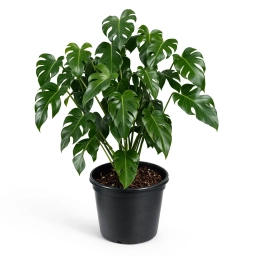
Plant-Specific Guides
.webp)
.webp)
Common Questions
What causes etiolation — leggy, weak growth from insufficient light?
New growth emerges pale, small, and widely spaced along elongated, thin stems. Leaves are significantly smaller than previous growth, may appear yellow-green, a… Full guide →
What causes failure to fenestrate — immature, holeless leaves?
A mature Monstera or split-leaf Philodendron produces only small, solid, heart-shaped leaves without the characteristic splits (fenestrations) or holes expected… Full guide →
What causes transplant & acclimation shock?
A recently purchased, repotted, or relocated plant drops leaves, yellows, or stalls within days to weeks despite reasonable care. The change in light, humidity,… Full guide →
What causes winter growth stall & dormancy stress?
Growth slows dramatically or stops over winter, with some plants — Alocasia and Caladium especially — shedding leaves and appearing to die back to the tuber. Lo… Full guide →