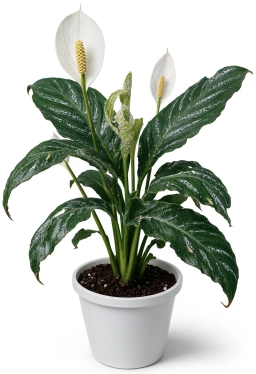
 ⚠ Moderate
Leaf drop and stalling after purchase or repotting is usually transient acclimation shock — the plant rebalancing to new light, humidity, and substrate rather than a disease.
Transplant & Acclimation Shock
Commonly affects: Newly acquired aroids — Monstera, Philodendron, Anthurium, Alocasia, Syngonium
A recently purchased, repotted, or relocated plant drops leaves, yellows, or stalls within days to weeks despite reasonable care. The change in light, humidity, temperature, or substrate disrupts the plant's established balance, and Alocasia in particular may shed several leaves while adjusting. The decline is transient if conditions are stable, with new growth resuming once the plant adapts.
Potential Causes
- 1A sharp change in light levels between the previous and new environment
- 2Lower humidity at home than in the nursery or greenhouse of origin
- 3Root disturbance from repotting interrupting water and nutrient uptake
- 4Combined stress of transport, temperature change, and a new substrate
Solution Steps
- 1Resist the urge to intervene heavily — stable, consistent conditions are what the plant needs most.
- 2Provide bright, indirect light similar to or slightly gentler than its eventual target position.
- 3Maintain steady humidity and temperature, avoiding draughts and extremes during adjustment.
- 4Water according to the substrate's actual moisture rather than a fixed schedule while the plant settles.
- 5Hold off on fertilising until new growth appears, signalling the plant has re-established.
- 6Allow several weeks — judge recovery by new growth, not by the older leaves that may be shed.
Prevention Tip
Acclimation shock is minimised by changing one variable at a time and avoiding repotting immediately after purchase — let the plant settle first. Match light and humidity to its prior conditions, then adjust gradually over weeks.
Related Issues to Explore

Temperature Fluctuation Leaf Drop
Both cause leaf drop from environmental change — acclimation is a one-time adjustment, while temperature swings cause recurring stress.
Read guide
Sun Scorch & Leaf Bleaching — Photooxidative Damage
A common acclimation mistake is moving a plant into brighter light too fast — gradual light changes prevent scorch during the transition.
Read guide
Brown, Crispy Leaf Tips — Low Humidity & Salt Stress
A drop in humidity from nursery to home is a frequent acclimation stressor that shows up first as crisping leaf tips.
Read guideMore Growth Issues Problems
See all →
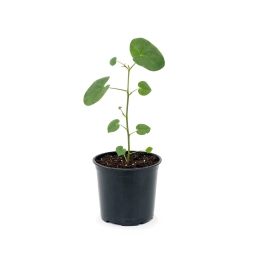
Real Monstera grow diaries
Growers on DailyGrowers log their plant week by week, one photo at a time. Here's how theirs are going.
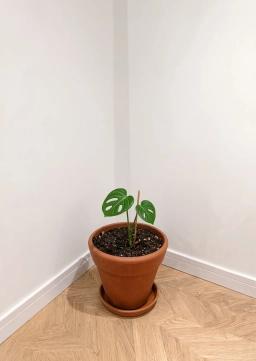
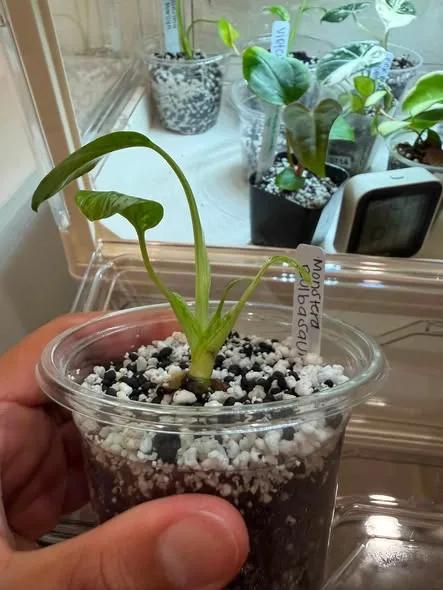
Growing Monstera too? Start your own diary. It's free and takes 2 minutes.
Start my Monstera diary →More rare plants and collector grows every day on Facebook: follow Exotics plants