 ⚠ Critical
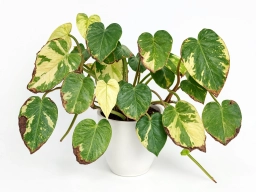
Xanthomonas blight produces water-soaked, yellow-haloed lesions at leaf margins and hydathodes that spread along veins — a contagious, often fatal disease of Anthurium.
Bacterial Blight — Xanthomonas on Anthurium
Commonly affects: Anthurium andraeanum, Philodendron spp., Syngonium podophyllum, Dieffenbachia
Water-soaked, translucent lesions appear at leaf margins and hydathodes, often surrounded by a bright yellow halo, and spread inward along veins. In systemic infection, the bacteria enter the vascular system, causing bronzing, wilting, and a dull, yellowed, declining plant. Lesions have a greasy, wet appearance when backlit and may ooze under high humidity.
Potential Causes
- 1Xanthomonas bacteria entering through leaf-margin pores (hydathodes) and wounds
- 2Warm, humid conditions and guttation droplets facilitating bacterial entry and spread
- 3Overhead watering and splashing distributing bacteria between leaves and plants
- 4Propagation from infected stock plants spreading systemic infection
Solution Steps
- 1Isolate the plant immediately — Xanthomonas blight is highly contagious and often fatal in Anthurium.
- 2Remove and bag leaves with marginal water-soaked lesions as soon as they appear.
- 3Sterilise all tools with bleach or alcohol between cuts and between plants without exception.
- 4Stop overhead watering and reduce humidity and guttation by improving airflow and moderating moisture.
- 5Apply a copper-based bactericide to remaining foliage to slow spread, understanding it suppresses rather than cures.
- 6Discard systemically infected (bronzed, wilting) plants to protect the rest of the collection.
Prevention Tip
Xanthomonas blight is far easier to prevent than to cure — buy clean stock, quarantine rigorously, keep foliage dry, and sanitise tools obsessively. Minimising guttation and leaf wetness closes the main routes the bacteria use to enter the leaf.
Related Issues to Explore

Bacterial & Fungal Leaf Spot — Xanthomonas & Cercospora spp.
Bacterial blight is the aggressive systemic form of bacterial leaf spot — water-soaked margins and yellow halos signal the more dangerous progression.
Read guide
Bacterial Soft Rot — Erwinia & Pectobacterium
Both are bacterial diseases of aroids — blight attacks leaf margins and veins, while soft rot mushes stems and petioles with a foul odour.
Read guide
Guttation — Sap Droplets on Leaf Margins
Guttation droplets at leaf margins create the moist entry points Xanthomonas exploits — managing guttation reduces bacterial infection risk.
Read guideMore Fungal & Bacterial Disease Problems
See all →
Real Philodendron grow diaries
Growers on DailyGrowers log their plant week by week, one photo at a time. Here's how theirs are going.
 1 week
Philodendron propagation
@thepepperguy
 1 week
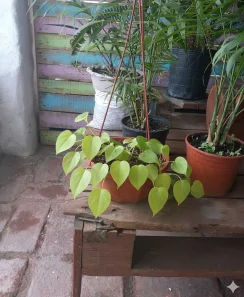
my Philodendron ordatum growth🪴🪴🪴
@spongyboby
 1 week
Propagation of Philodendron florida beauty
@tahibonursery
Growing Philodendron too? Start your own diary. It's free and takes 2 minutes.
Start my Philodendron diary →More rare plants and collector grows every day on Facebook: follow Exotics plants