 ⚠ Critical
Eriophyid mites feed on meristematic cells in developing leaves — the irreversible deformity they cause appears in the emerging growth rather than on existing leaves, making early identification dependent on recognising abnormal new leaf morphology.
Eriophyid Mite Damage — Russet Mites & Microscopic Feeding Injury
Commonly affects: Anthurium andraeanum, Monstera deliciosa, Philodendron erubescens, Alocasia spp.
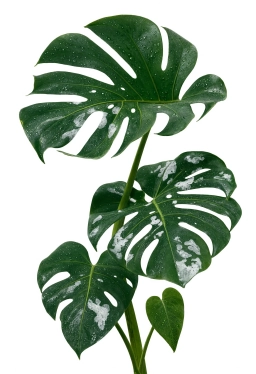
New growth emerges stunted, corky, or with a rough, russeted texture. Leaves may be narrow, twisted, or cupped, and new growth fails to expand to normal size. Unlike spider mites, eriophyid mites are invisible to the naked eye (0.1–0.3 mm) and produce no webbing. The damage from their feeding on meristematic tissue (growing points) causes irreversible deformity in developing leaves — making early detection difficult and control challenging.
Potential Causes
- 1Introduction via infested plant material, cutting tools, or clothing — eriophyid mites spread by direct contact and air currents
- 2Warm, humid conditions with temperatures of 25–35°C creating ideal breeding conditions; one generation completes in 5–7 days
- 3Absence of predatory mites in the growing environment — naturally occurring biological controls are the primary check on eriophyid populations outdoors
- 4Weakened or stressed plants being significantly more susceptible to infestation and subsequent damage
Solution Steps
- 1Isolate the plant immediately from all other plants in the collection — eriophyid mites spread rapidly through air movement.
- 2Since eriophyid mites are invisible, diagnosis requires either a 60× hand lens or the characteristic deformed growth symptom profile — confirm before treating.
- 3Apply abamectin (avermectin-based miticide) to all plant surfaces including growing points — this is the most effective chemical control for eriophyid mites and penetrates tissue slightly.
- 4Alternatively, apply sulphur-based fungicide/miticide — sulphur is effective against eriophyids and safe for most tropical plants at label rates.
- 5Repeat treatment every 5–7 days for 4–5 applications to break the life cycle completely.
- 6Deformed leaves from before treatment cannot be corrected — new growth after successful control will emerge normally shaped.
Prevention Tip
Sterilise cutting tools with 70% isopropyl alcohol between plants — eriophyid mites transfer on blades and can establish a new infestation from a single contaminated cut. This single practice is the most effective prevention in a collection setting.
Related Issues to Explore

Spider Mite Infestation — Tetranychus urticae
Spider mites produce stippling and webbing on existing leaves — eriophyid mites deform new growth without webbing, a key diagnostic distinction.
Read guideBroad Mite Damage — Cyclamen Mite Feeding Injury
Broad mites and eriophyid mites both deform new growth, but broad mites are slightly visible (0.2–0.3 mm) and have a different host range — the treatments and diagnostic approach are similar.
Read guideMore Pest Infestations Problems
See all →
Real Monstera grow diaries
Growers on DailyGrowers log their plant week by week, one photo at a time. Here's how theirs are going.
Growing Monstera too? Start your own diary. It's free and takes 2 minutes.
Start my Monstera diary →