


Spider Mite
Tetranychus urticae
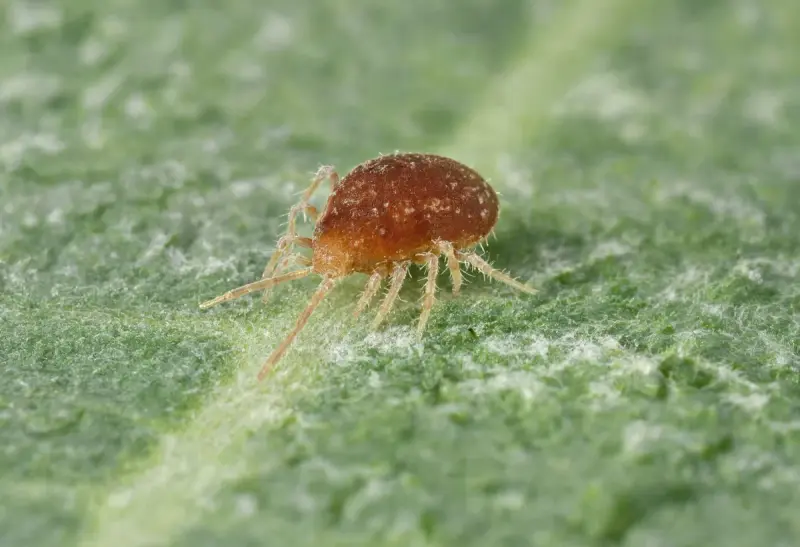
Spider mites are not insects but arachnids related to spiders and ticks. Tetranychus urticae (the two-spotted spider mite) is the most common species on houseplants, though the red form and Panonychus ulmi (European red mite) are also encountered. They thrive in conditions above 25°C with low humidity, completing their entire life cycle in as little as 7 days. A single female can lay 200 eggs in her lifetime, making populations explode rapidly.
How to Identify
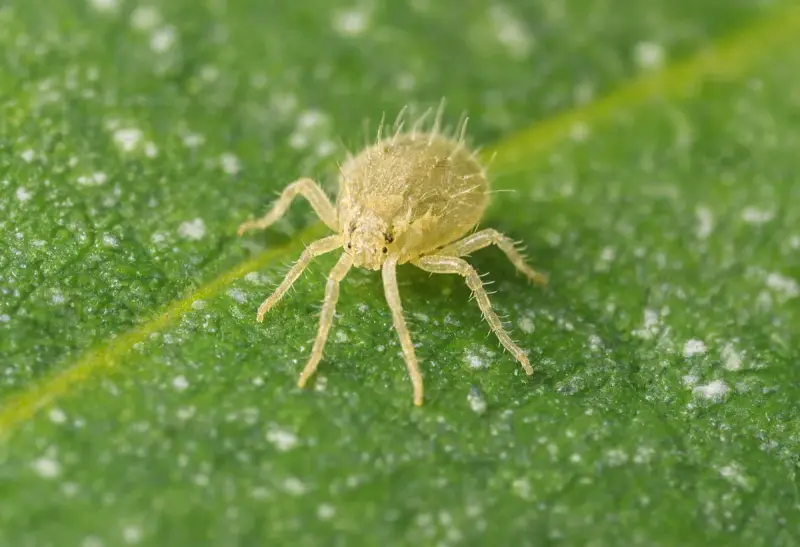
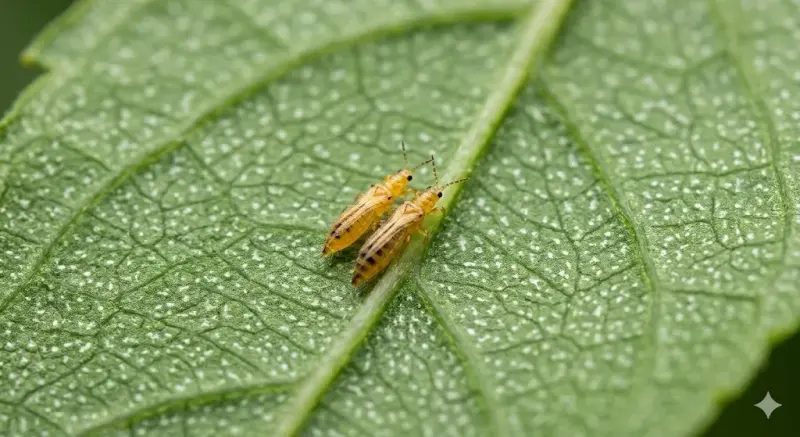
Individual mites are barely visible to the naked eye (0.3–0.5 mm), appearing as tiny moving dots on leaf undersides. The first visible sign is usually fine, silvery stippling on the upper leaf surface — each dot is a cell emptied by mite feeding. Fine silk webbing between leaves and stems appears as populations grow. Hold a white sheet of paper under the plant and tap — if tiny specks fall and move, mites are present.
Life Cycle
Eggs hatch in 3–5 days at 25°C. The larva passes through two nymph stages before becoming adult, completing the cycle in 5–20 days depending on temperature. Hot, dry conditions accelerate reproduction dramatically — at 30°C, a population can double every 3 days. Cool, humid conditions below 60% RH slow reproduction.
Visual Identification
Webbing on Leaf
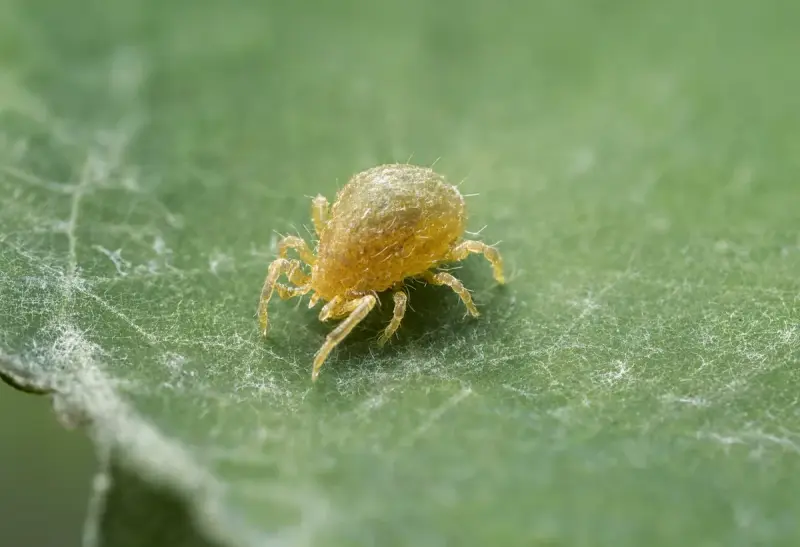
Mite Close-up
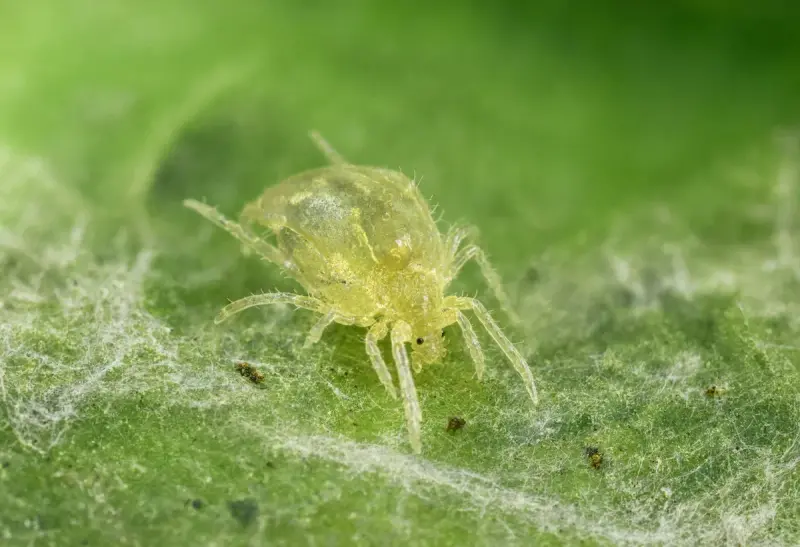
Stippled Leaf Damage
Treatment Steps
- 1
Isolate the affected plant — mites spread on air currents and through contact
- 2
Rinse all leaf surfaces with a strong water spray to physically remove mites and webbing
- 3
Apply neem oil (5 ml/L) or insecticidal soap to all plant surfaces, focusing on leaf undersides
- 4
Use a specific miticide (abamectin or bifenazate) for severe infestations — rotate products to prevent resistance
- 5
Introduce Phytoseiulus persimilis predatory mites for biological control in persistent cases
- 6
Repeat treatment every 5 days for 4–6 cycles to break the reproductive cycle
Prevention
Maintain humidity above 60% — spider mites cannot reproduce effectively in humid conditions
Clean leaves regularly with a damp cloth to remove eggs and early colonies
Avoid placing plants near heating vents or in hot, dry locations
Quarantine all new plants for 2–3 weeks before placing near existing plants
Frequently Asked Questions
How do I know if I have spider mites?
Hold a white sheet under the plant and tap the leaves. If tiny moving specks fall onto the paper, you have spider mites. Stippled silver dots on leaf surfaces and fine webbing between leaves and stems are also definitive signs.
What kills spider mites instantly?
Isopropyl alcohol (70%) applied directly to mites kills them on contact. Neem oil and insecticidal soap are effective for spraying large areas. For instant knockdown of heavy infestations, a miticide containing abamectin or bifenazate is most reliable.
Why do spider mites keep coming back?
Spider mites lay up to 200 eggs, which resist many treatments. Returning populations usually come from eggs that survived the last treatment. You must repeat treatment every 5 days for at least 4–6 cycles to intercept newly hatched nymphs before they can reproduce.
Do spider mites live in soil?
Two-spotted spider mites (Tetranychus urticae) live primarily on leaf surfaces. However, some mite species do overwinter in soil. If mites return after thorough foliar treatment, examine the soil surface and top-dress with fresh substrate.
Plant Problems Caused by Spider Mite
All pest problems →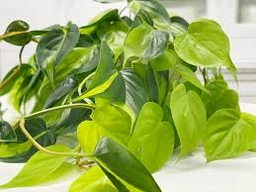
Spider Mite Infestation — Tetranychus urticae
Fine, stippled yellow or bronze speckling appears on upper leaf surfac…
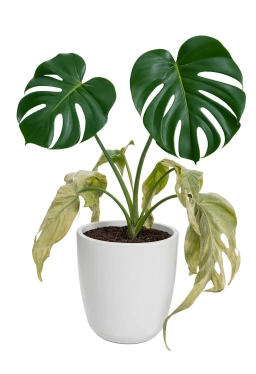
Pothos Spider Mites — Fine Webbing and Stippled, Pale Leaves
Leaves develop a fine bronze or silver stippled pattern — thousands of…
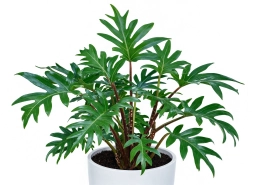
Fiddle Leaf Fig Spider Mites — Pale Stippling and Webbing on Large Leaves
The large, textured leaves of Ficus lyrata develop a pale, bronzy stip…
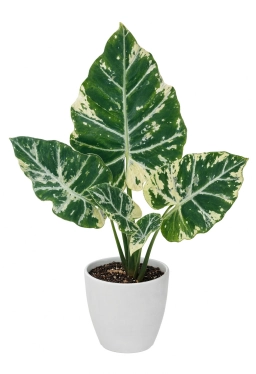
Snake Plant Spider Mites — Pale Stippling on Wide Leaf Surfaces
The broad, flat surfaces of snake plant leaves develop a pale, silvery…
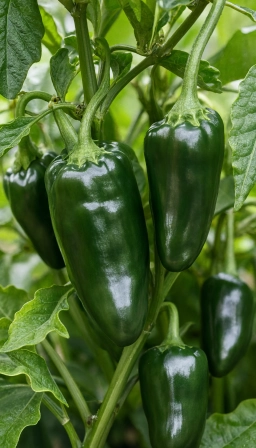
Leaf Curl on Chili Pepper Plants
Leaves curl upward or inward along their length, sometimes accompanied…
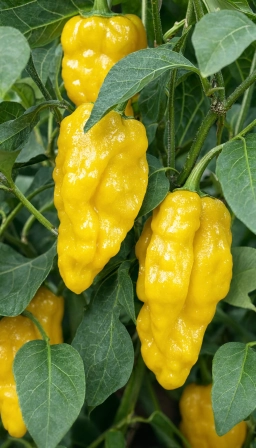
Spider Mites on Pepper Plants
Fine, silvery stippling appears on the upper leaf surface, with tiny m…
Care Guides for Affected Plants
See how growers dealt with Spider Mite
Browse real grow diaries from the community — treatments, timelines, and results.
Browse community diaries →