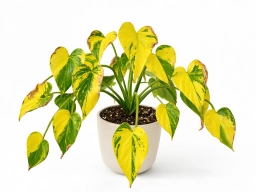
 ⚠ Critical
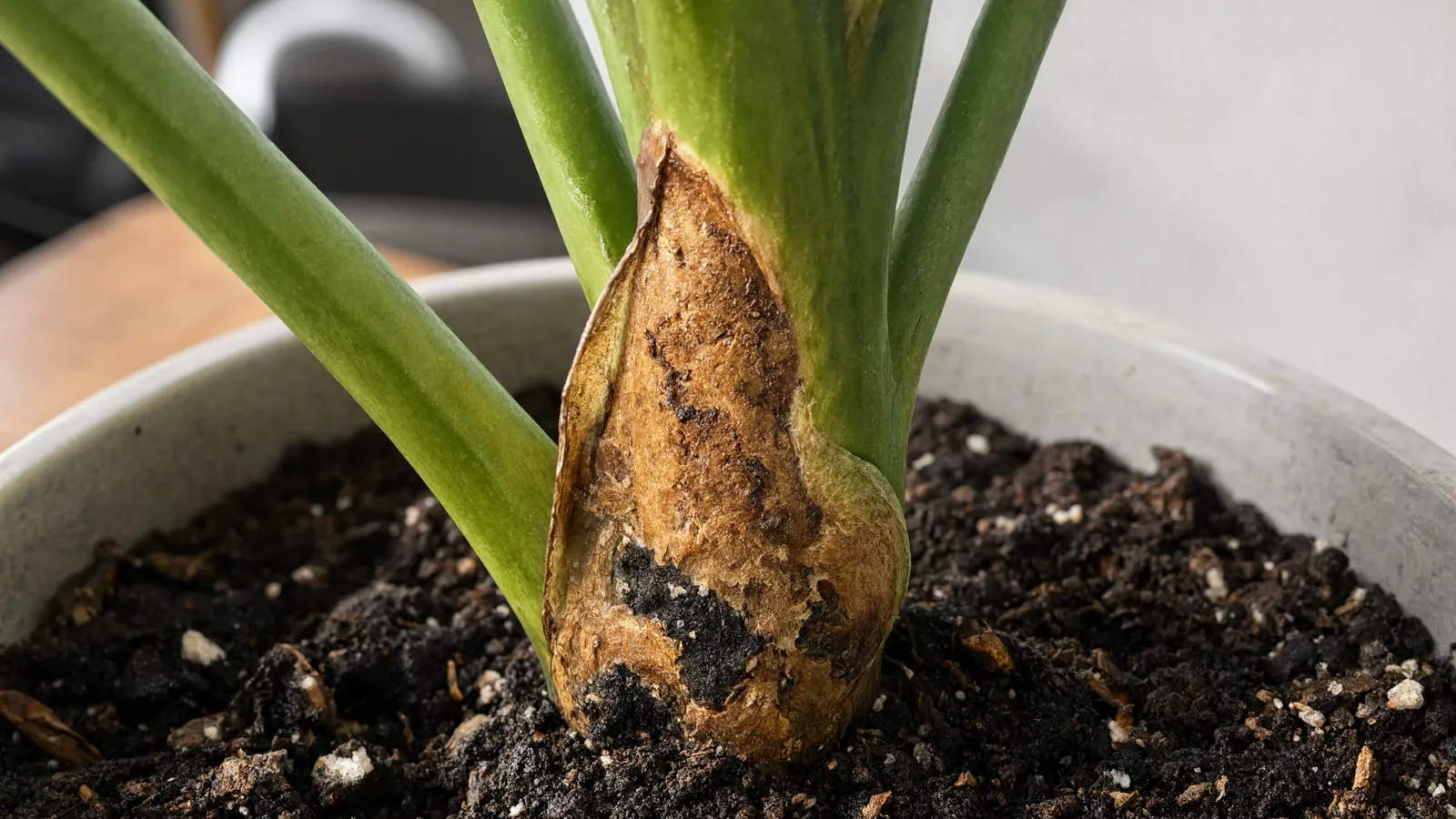
Bacterial soft rot liquefies stems, petioles, and corms into a foul-smelling mush within a day or two — an emergency requiring immediate excision of all affected tissue.
Bacterial Soft Rot — Erwinia & Pectobacterium
Commonly affects: Alocasia spp., Anthurium andraeanum, Philodendron spp., Aglaonema, Zantedeschia
Stems, petioles, or the corm turn into a soft, mushy, water-soaked mass that collapses, frequently accompanied by a distinctive foul, fishy odour. The rot spreads with alarming speed — a firm plant can liquefy at the base within a day or two under warm, humid conditions. Leaves yellow and topple as their support tissue disintegrates.
Potential Causes
- 1Erwinia/Pectobacterium bacteria entering through wounds, cuts, or damaged tissue
- 2Warm temperatures combined with waterlogged, poorly drained substrate
- 3Water pooling at the crown or corm from overhead watering or planting too deep
- 4Spread via contaminated tools, splashing water, or infected divisions
Solution Steps
- 1Act immediately — soft rot spreads within hours. Unpot the plant and cut away all mushy, discoloured tissue back to firm, clean material with a sterile blade.
- 2Rinse the remaining healthy tissue and allow it to dry; dust cut surfaces with cinnamon or sulphur.
- 3If only foliage or offsets remain healthy, salvage and root them separately as clean material.
- 4Repot into fresh, sterile, fast-draining substrate in a sanitised pot, planting shallowly so the crown stays dry.
- 5Withhold water briefly, then water sparingly at the base, keeping the crown and corm dry.
- 6Sterilise all tools with bleach and discard the infected substrate entirely.
Prevention Tip
Keep the crown and corm dry and the substrate well-drained — soft rot needs warmth, moisture, and a wound to establish. Sanitise cutting tools between plants and avoid planting too deeply, which traps moisture against vulnerable basal tissue.
Related Issues to Explore

Stem & Crown Rot — Botrytis & Fusarium spp.
Both collapse the stem base — soft rot is slimy and foul-smelling from bacteria, while fungal crown rot is firmer and may show mould.
Read guide
Southern Blight — Sclerotium rolfsii
Both cause rapid basal collapse — soft rot is wet and odorous, southern blight shows dry white mycelium and mustard-seed sclerotia.
Read guide
Root Rot — Pythium & Phytophthora Infection
Waterlogged substrate drives both soft rot and root rot — improving drainage and keeping the crown dry addresses the shared trigger.
Read guideMore Stem Problems Problems
See all →
Real Philodendron grow diaries
Growers on DailyGrowers log their plant week by week, one photo at a time. Here's how theirs are going.
 1 week
Philodendron propagation
@thepepperguy
 1 week
my Philodendron ordatum growth🪴🪴🪴
@spongyboby
 1 week
Propagation of Philodendron florida beauty
@tahibonursery
Growing Philodendron too? Start your own diary. It's free and takes 2 minutes.
Start my Philodendron diary →More rare plants and collector grows every day on Facebook: follow Exotics plants