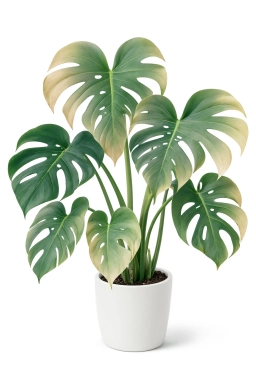
 ⚠ Moderate
Heavy leaves on long, weak petioles bend or snap under their own weight — a clean physical break, addressed with support and stronger light rather than treatment.
Snapped Petioles & Top-Heavy Collapse
Commonly affects: Top-heavy aroids — Alocasia spp., Monstera deliciosa, Philodendron, Anthurium
A leaf suddenly droops or hangs after its petiole (leaf stalk) bends, creases, or snaps near the base or a weak point. Large-leaved and long-stemmed aroids become top-heavy and the petioles cannot support the leaf, especially when reaching toward light. The break is a clean physical injury rather than the soft collapse of rot.
Potential Causes
- 1Large, heavy leaves on long petioles exceeding the stalk's structural support
- 2Etiolated, weak growth from low light producing thin, fragile petioles
- 3Plants leaning and reaching toward a single light source, over-extending stalks
- 4Physical knocks during handling, or the weight of water after misting
Solution Steps
- 1Support a partially bent but unbroken petiole with a soft tie to a stake, allowing it to continue functioning.
- 2For a fully snapped petiole, remove the detached leaf cleanly at the base with sterilised scissors.
- 3Stake top-heavy plants or provide a moss pole so the growing point is supported.
- 4Improve light to produce sturdier, shorter petioles in future growth and reduce reaching.
- 5Rotate the plant regularly so it grows evenly rather than leaning toward one light source.
- 6Keep cut surfaces clean and dry to prevent pathogens entering the wound.
Prevention Tip
Strong light and physical support are the two defences against snapped petioles — good light builds sturdy stalks, while a stake or moss pole carries the weight of large leaves. Rotate the plant so it grows upright rather than over-extending toward the window.
Related Issues to Explore

Aerial Roots & Lack of Climbing Support
Climbing aroids stay sturdy when given a support to attach to — a moss pole prevents both snapped petioles and unsupported sprawling growth.
Read guide
Etiolation — Leggy, Weak Growth from Insufficient Light
Low light produces the thin, weak petioles most likely to snap — improving light builds the structural strength that prevents collapse.
Read guide
Mechanical Leaf Tears & Handling Damage
Both are physical injuries — petioles snap under weight or contact, while blades tear; gentle handling and support address both.
Read guideMore Stem Problems Problems
See all →
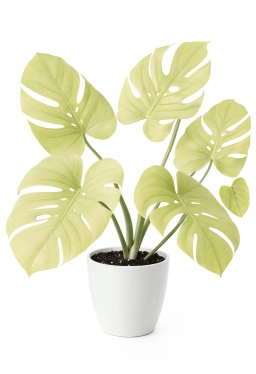
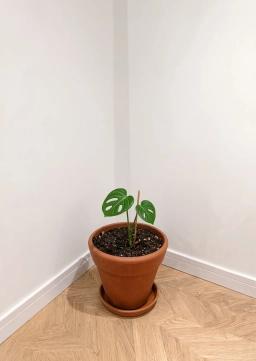
Real Monstera grow diaries
Growers on DailyGrowers log their plant week by week, one photo at a time. Here's how theirs are going.
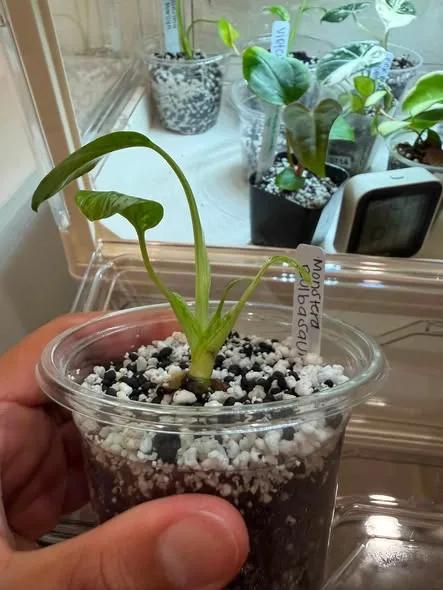
Growing Monstera too? Start your own diary. It's free and takes 2 minutes.
Start my Monstera diary →