 ⚠ Critical
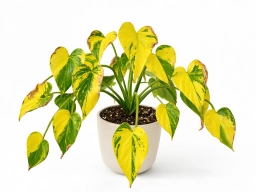
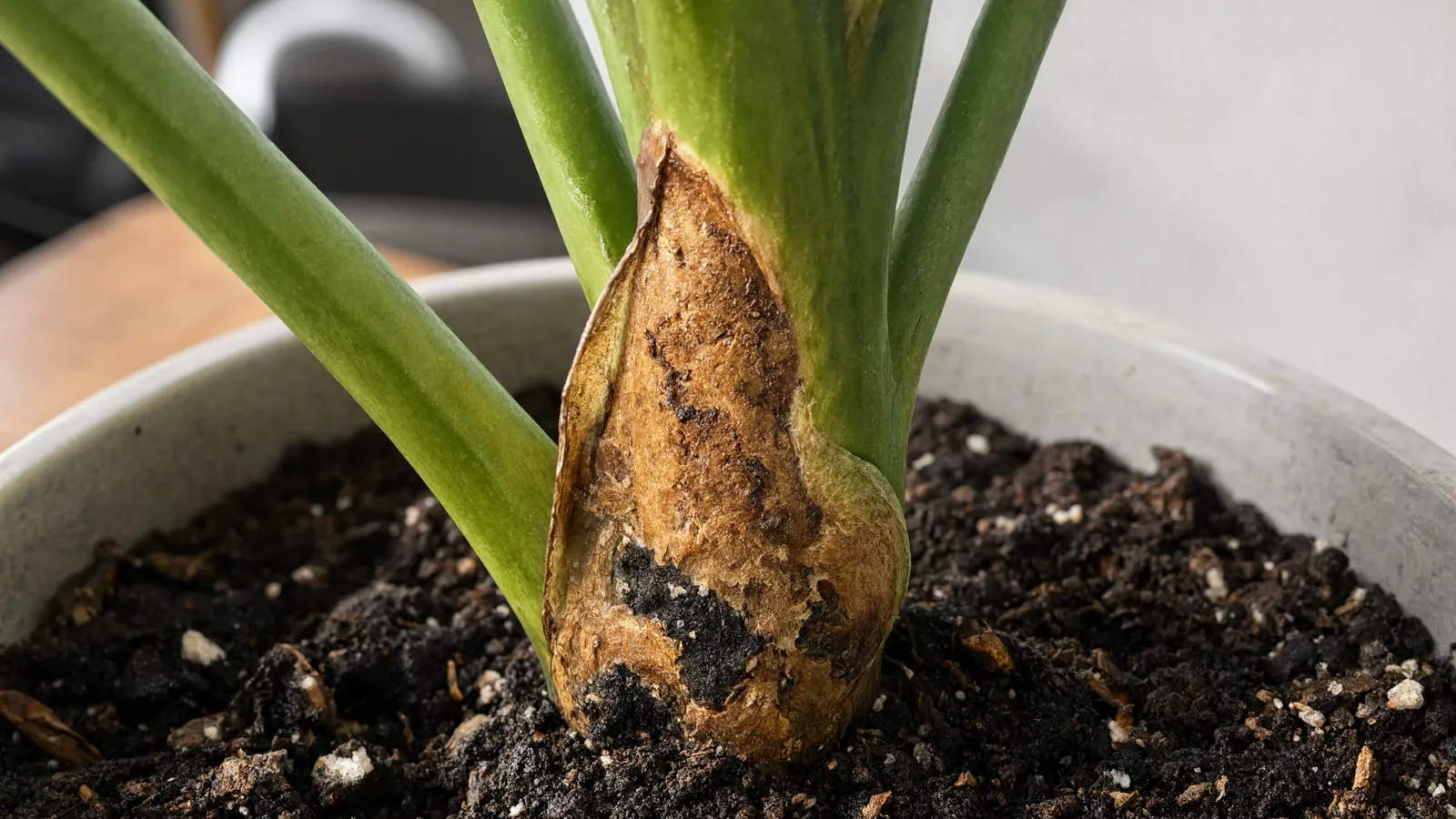
Necrotic tissue collapse on diseased foliage: Botrytis and Fusarium colonise wounded or buried stem tissue before spreading upward, causing rapid vascular failure.
Stem & Crown Rot — Botrytis & Fusarium spp.
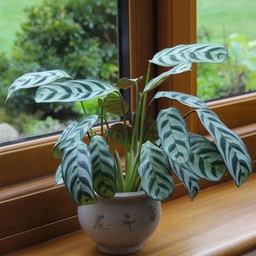
Commonly affects: Spathiphyllum wallisii (Peace Lily), Calathea, Begonia, Impatiens
The stem near or at soil level turns dark brown to black, becomes soft and waterlogged, and collapses inward. The plant may wilt suddenly despite adequate soil moisture, as vascular transport is interrupted. In Botrytis infections, a grey-brown fuzzy sporulation may be visible on affected stems under humid conditions. Once the crown (growing point at the base) is affected, recovery becomes extremely difficult.
Potential Causes
- 1Planting too deeply — burying the crown in moist substrate creates ideal conditions for fungal colonisation
- 2Water pooling at the stem base from overhead watering or splashback
- 3Injured or bruised stem tissue from repotting, staking, or physical damage inviting opportunistic pathogens
- 4Dense canopy or overcrowding reducing air movement at the base of the plant
- 5Cool, wet conditions slowing plant metabolism while pathogens remain active
Solution Steps
- 1Remove the plant from the pot and cut away all visibly rotted stem tissue with sterile scissors, cutting back to firm, healthy green or white tissue.
- 2If the rot has not reached the crown, dust cut surfaces with powdered activated charcoal or sulfur and allow to air-dry for 2–3 hours.
- 3Repot shallowly — the crown should sit at or slightly above soil level, never buried.
- 4Apply a systemic fungicide containing thiophanate-methyl or propiconazole as a root drench to eliminate residual fungal inoculum.
- 5Water only when the substrate is dry and always at the base, away from stem tissue.
- 6If the crown is fully rotted, propagate any remaining healthy stems or leaves to save genetics from the plant.
Prevention Tip
When repotting, inspect the base of stems for any soft or discoloured tissue before it progresses. A small amount of horticultural sand or perlite mixed into the top centimetre of soil around the stem base improves drainage immediately around the crown and significantly reduces infection risk.
Related Issues to Explore

Root Rot — Pythium & Phytophthora Infection
Root rot and crown rot share the same saturated substrate trigger — if both are present, treat the root system first before addressing stem tissue.
Read guide
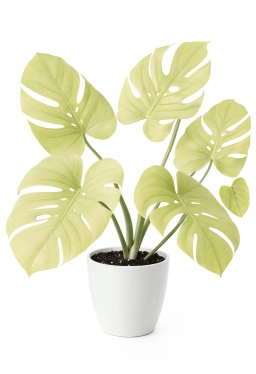
Yellowing Leaves — Overwatering Stress
Overwatering is the primary pathway to crown rot — yellowing leaves are the early warning before stem tissue begins to collapse.
Read guide
Powdery Mildew — Erysiphe & Golovinomyces spp.
Overcrowded, humid conditions that favour Botrytis crown rot also encourage powdery mildew — improving airflow eliminates the shared environmental trigger.
Read guide