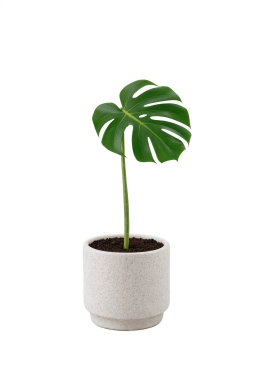
 ⚠ Critical
Anaerobic water accumulation in pots without drainage creates ideal conditions for Pythium and Phytophthora — the perched water table at the base of the substrate is in permanent contact with the root zone regardless of watering frequency.
No Drainage Hole — Root Rot from Standing Water Accumulation
Commonly affects: Monstera deliciosa, Philodendron spp., Spathiphyllum wallisii, Calathea spp., Alocasia spp.
The plant wilts despite being recently watered, with the substrate appearing moist on the surface but waterlogged at the base. Leaves yellow progressively from the lower growth upward. A sour smell may be detectable from the substrate. These are the classic presentation of root rot in a pot without drainage — excess water that cannot escape accumulates at the base and creates an anaerobic zone where Pythium, Phytophthora, and Fusarium establish rapidly.
Potential Causes
- 1Decorative pots without drainage holes are sold widely but are unsuitable for direct planting of most tropical houseplants
- 2Using a decorative pot as a direct planter rather than as a cache pot over a nursery pot with drainage
- 3Adding a gravel layer at the base of a no-drainage pot — a persistent myth that actually creates a perched water table higher in the substrate, worsening waterlogging
- 4Overwatering compounded by no drainage — excess water has no escape route and pools indefinitely
Solution Steps
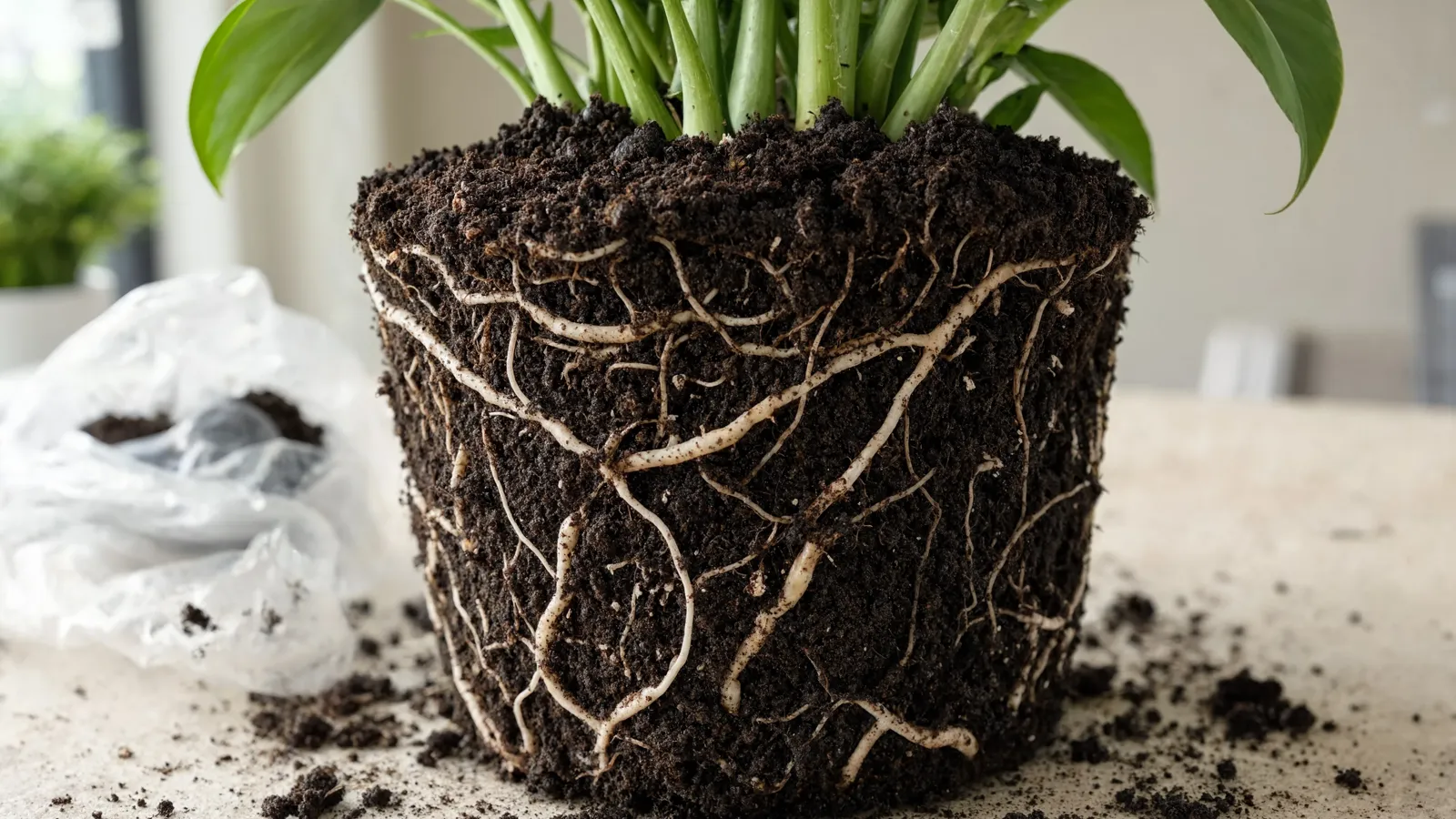
- 1Immediately check the root system — unpot into a temporary container with drainage. If roots are brown or mushy, treat for root rot before proceeding.
- 2Either drill 2–3 drainage holes of at least 12 mm diameter in the bottom of the decorative pot, or use it as a cache pot by placing the plant in a correct nursery pot with drainage inside it.
- 3If using as a cache pot: water the plant and then remove it from the decorative pot for 30 minutes to drain fully before replacing — this prevents water from accumulating at the base.
- 4Do not add gravel to the base of pots without drainage — this worsens waterlogging by raising the perched water table into the active root zone.
- 5Repot into fresh, well-draining substrate if the existing medium has become compacted or anaerobic from prolonged waterlogging.
- 6Resume watering on a conservative schedule, allowing the substrate to partially dry before each watering.
Prevention Tip
The rule is simple: every pot your plant grows in must have drainage holes. Decorative containers can be used as cache pots — but the plant's functional container must always have an exit for excess water. There are no effective workarounds for no-drainage planting with regular houseplants.
Related Issues to Explore

Root Rot — Pythium & Phytophthora Infection
Root rot is the direct consequence of no-drainage planting — treatment requires addressing both the infection and the container problem simultaneously.
Read guide
Overwatering — Yellowing Leaves & Waterlogged Substrate
In a pot without drainage, even correct watering frequency results in overwatering — the volume-to-drainage ratio makes saturation inevitable.
Read guideMore Root Problems Problems
See all →
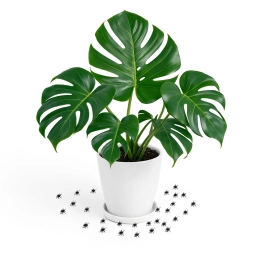
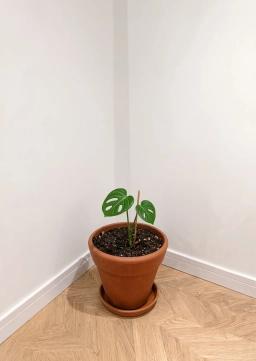
Real Monstera grow diaries
Growers on DailyGrowers log their plant week by week, one photo at a time. Here's how theirs are going.
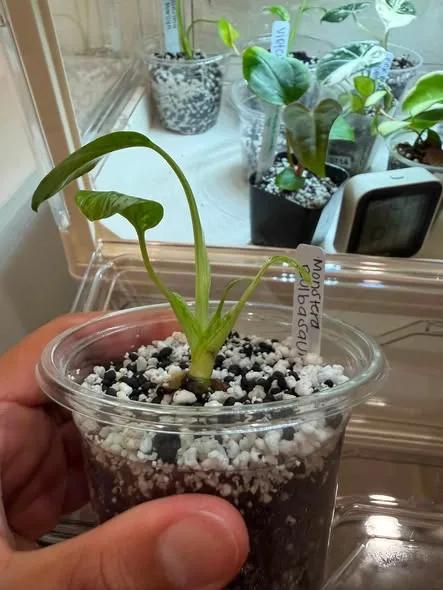
Growing Monstera too? Start your own diary. It's free and takes 2 minutes.
Start my Monstera diary →