 ⚠ Minor
🩺
Fungal
Sooty Mould on Spider Plant From Pest Honeydew
Commonly affects: Chlorophytum comosum (Spider Plant)
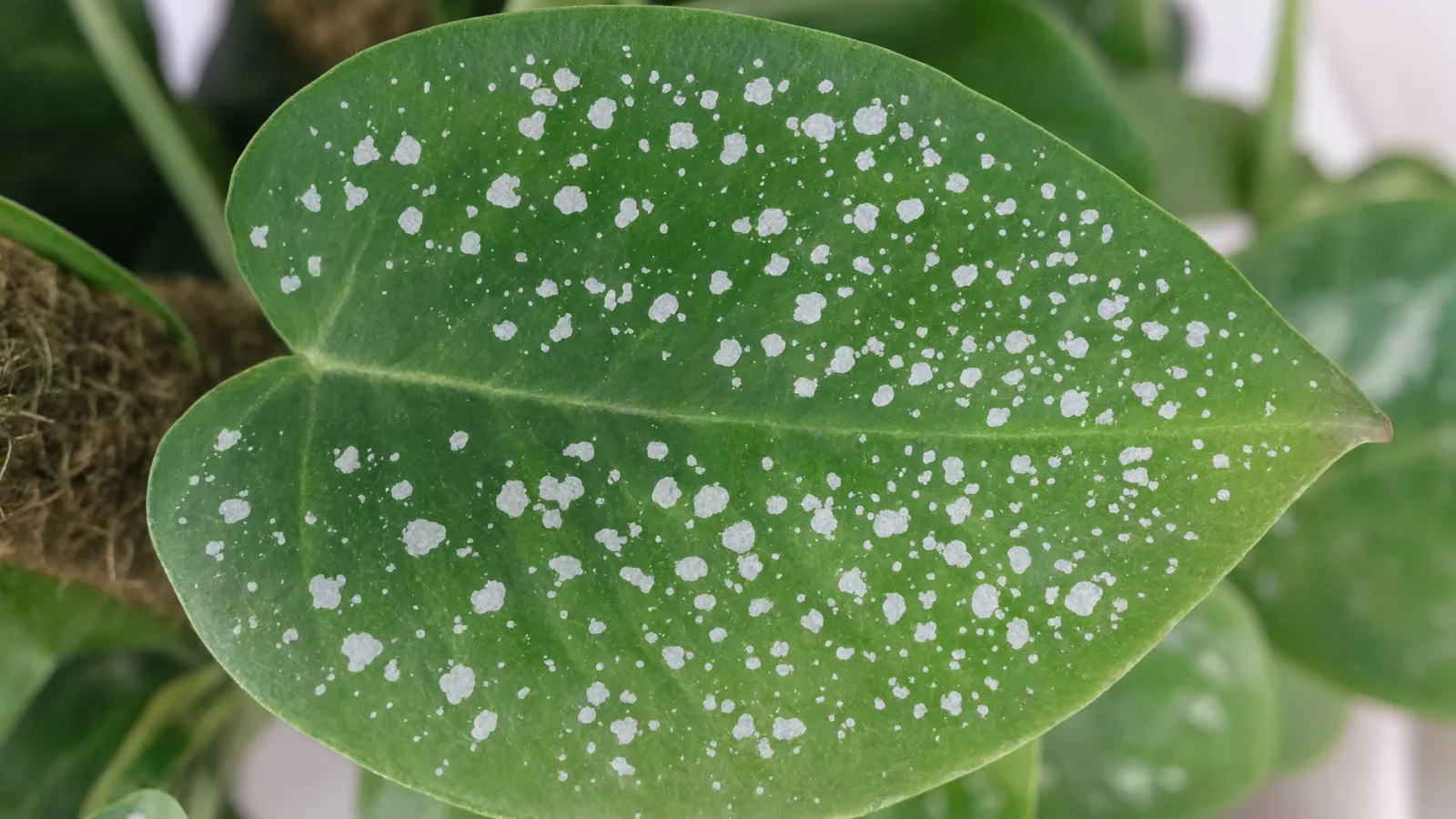
A black, sooty coating develops on leaf surfaces, usually following an existing infestation of a honeydew-producing pest like mealybugs or scale.
Potential Causes
- 1Sooty mould growing on the sugary honeydew excreted by sap-sucking pests, rather than infecting the plant tissue directly
- 2An underlying, possibly unnoticed, mealybug or scale infestation being the root cause
- 3The mould itself being largely cosmetic but blocking light from reaching the leaf surface if extensive
Solution Steps
- 1Identify and treat the underlying pest infestation first, since the mould won't resolve until the honeydew source is eliminated
- 2Wipe away sooty mould with a damp cloth once pests are controlled
- 3Improve air circulation to help prevent mould from developing on any residual honeydew
- 4Monitor closely for the pest's return over the following weeks
Prevention Tip
Sooty mould is always a secondary symptom — treating the pest causing the honeydew, not the mould itself, is what actually resolves the problem.