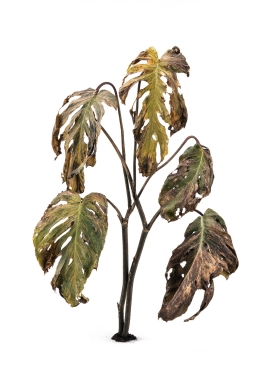
 ⚠ Minor
Guttation is normal root pressure forcing water out through hydathodes overnight — harmless, though the margin moisture it leaves can favour bacterial entry if airflow is poor.
Guttation — Sap Droplets on Leaf Margins
Commonly affects: Monstera deliciosa, Alocasia spp., Colocasia esculenta, Philodendron spp.
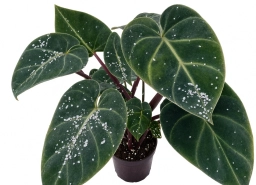
Clear, watery droplets form at the tips or margins of leaves, typically overnight or in the early morning, and may leave faint crusty mineral residue as they dry. This is a normal physiological process — root pressure forcing excess water out through specialised pores (hydathodes) — and is not a disease. It is most noticeable on Alocasia and Monstera when soil moisture is high and transpiration is low.
Potential Causes
- 1High root pressure from a moist substrate combined with low overnight transpiration
- 2Watering late in the day so roots remain very active while leaves are not transpiring
- 3High humidity reducing normal water loss through the leaves
- 4Naturally vigorous root systems in well-watered, healthy aroids
Solution Steps
- 1Recognise guttation as a normal, healthy process requiring no treatment in itself.
- 2Wipe away droplets and any resulting mineral residue with a soft cloth to keep leaves clean.
- 3If guttation is excessive, allow the substrate to dry slightly more between waterings to reduce root pressure.
- 4Water earlier in the day so root activity and transpiration are better synchronised.
- 5Be aware that persistent leaf-margin moisture can favour bacterial entry — keep airflow good.
- 6Use filtered or rainwater if mineral crusts from guttation are unsightly on the foliage.
Prevention Tip
Guttation is harmless, but the droplets at leaf margins create the moist conditions some bacteria exploit — good airflow and slightly drier overnight substrate keep it in check. Wiping droplets and using low-mineral water prevents unsightly crusty residue.
Related Issues to Explore

Bacterial Blight — Xanthomonas on Anthurium
Guttation droplets at leaf margins are the moist entry points Xanthomonas exploits — managing guttation and airflow reduces infection risk.
Read guide
Oedema — Corky Blisters from Water Imbalance
Both reflect a temporary water surplus — guttation expels excess water as droplets, while oedema ruptures cells into corky blisters.
Read guide
Yellowing Leaves — Overwatering Stress
Frequent heavy guttation can indicate a consistently very wet substrate — the same condition that leads to overwatering stress.
Read guideMore Leaf Problems Problems
See all →
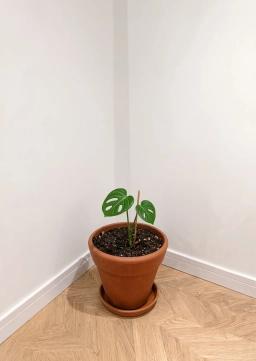
Real Monstera grow diaries
Growers on DailyGrowers log their plant week by week, one photo at a time. Here's how theirs are going.
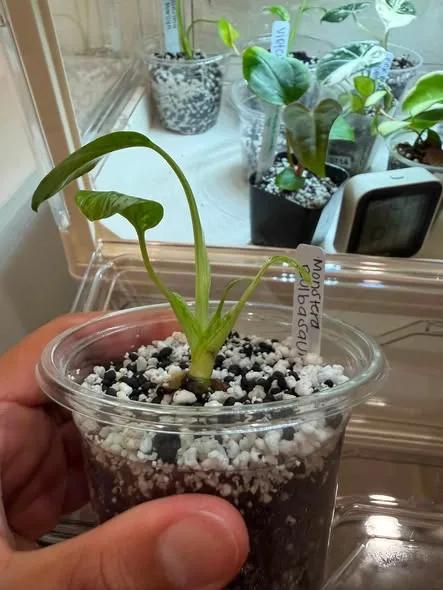
Growing Monstera too? Start your own diary. It's free and takes 2 minutes.
Start my Monstera diary →More rare plants and collector grows every day on Facebook: follow Exotics plants