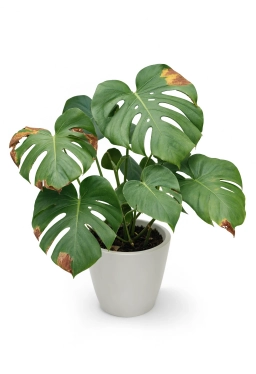
 ⚠ Critical
Armoured scale anchors immovably to stems and midribs beneath a hard protective shield, producing little honeydew but steadily draining sap and weakening the plant.
Armoured Scale — Diaspididae on Stems & Petioles
Commonly affects: Monstera deliciosa, Philodendron bipinnatifidum, Anthurium andraeanum, Alocasia odora
Small, hard, circular or oyster-shaped bumps — grey, brown, or tan — adhere tightly to stems, petioles, and leaf undersides along the midrib. Unlike soft scale, armoured scale produces little honeydew, so the first sign is often unexplained yellowing, weak growth, and the immovable scaly bumps themselves. Each shield protects the insect feeding beneath, making them highly resistant to contact sprays.
Potential Causes
- 1Introduction of infested plant material without quarantine
- 2Mobile first-instar crawlers migrating from a nearby infested plant
- 3Stable warm indoor conditions allowing overlapping generations year-round
- 4Established shields physically shielding the insects from contact insecticides
Solution Steps
- 1Isolate the plant and scrape off visible scale with a fingernail, soft brush, or cotton swab soaked in 70% isopropyl alcohol.
- 2Wipe all stems and petioles thoroughly — armoured scale anchors firmly and must be removed mechanically.
- 3Apply a horticultural oil spray to smother any remaining insects and target mobile crawlers, coating stems and leaf undersides.
- 4For persistent infestations, apply a systemic insecticide drench so the insect ingests it through the sap it feeds on.
- 5Re-inspect weekly and repeat oil treatments for 4–6 weeks to catch successive crawler hatches.
- 6Prune and discard heavily encrusted stems that are structurally weakened.
Prevention Tip
Because crawlers are the only mobile, vulnerable stage, monitor closely after first treatment and time follow-up sprays to crawler activity. Quarantine new plants and run a fingernail along stems and midribs — armoured scale is easy to miss until colonies are dense.
Related Issues to Explore

Soft Brown Scale & Honeydew
Soft scale differs from armoured scale by producing copious honeydew — identifying which type you have determines whether sooty mould will follow.
Read guide
Mealybug Infestation — Pseudococcus spp.
Mealybugs are essentially mobile, waxy relatives of scale — the same systemic and oil-based treatments control both groups of sap-feeders.
Read guide
Interveinal Chlorosis — Iron or Magnesium Deficiency
Heavy scale feeding drains sap and mimics nutrient deficiency — rule out an infestation before assuming yellowing is purely nutritional.
Read guideMore Pest Infestations Problems
See all →
Real Monstera grow diaries
Growers on DailyGrowers log their plant week by week, one photo at a time. Here's how theirs are going.
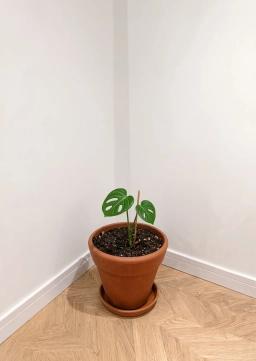
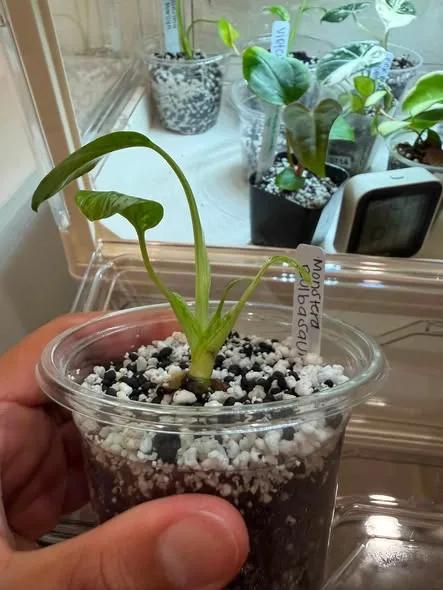
Growing Monstera too? Start your own diary. It's free and takes 2 minutes.
Start my Monstera diary →