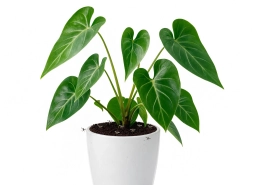
 ⚠ Moderate
Acute tip blackening differs from gradual tip browning in mechanism and urgency: rapid cell membrane collapse causes blackening, indicating cold, chemical, or severe drought injury rather than chronic humidity deficit.
Black Leaf Tips — Cold Injury, Chemical Burn or Severe Dehydration
Commonly affects: Philodendron erubescens, Anthurium andraeanum, Alocasia spp., Aglaonema
Leaf tips turn distinctly black — not the gradual tan-to-brown of low humidity tip burn, but rapid and sharply delineated blackening. The tissue collapses quickly and may develop a water-soaked or slimy appearance before drying. Black tips differ from brown tips in both cause and mechanism: browning is usually slow desiccation from humidity or salt stress, while blackening typically indicates rapid cellular collapse from cold, chemical exposure, or severe acute water stress.
Potential Causes
- 1Cold injury — temperatures below 12°C or brief contact with cold glass, ice, or cold water cause membrane rupture and rapid blackening
- 2Chemical burn from undiluted fertiliser, pesticide spray, or cleaning products landing on leaf tissue
- 3Severe acute underwatering causing sudden turgor loss and cell death, particularly at the tips which are the most distal from water sources
- 4Fluoride toxicity in sensitive species — some Philodendron and Anthurium varieties respond to accumulated fluoride with acute black tip necrosis rather than gradual browning
Solution Steps
- 1Trim black tips immediately using clean, sharp scissors, cutting 2–3 mm into healthy green tissue at a slight angle to mimic the natural leaf shape. Sterilise tools after use.
- 2Identify the cause — check recent temperature history (any cold exposure?), review fertiliser or spray applications in the past 48 hours, and check substrate moisture level.
- 3If chemical burn: flush the substrate thoroughly with clean water (3–5 pot volumes) to leach residual chemicals from the root zone.
- 4If cold injury: move the plant to a consistently warm location (minimum 18°C). Do not water for 3–5 days post-injury — cold-damaged roots absorb water poorly and additional moisture increases rot risk.
- 5If fluoride toxicity: switch to filtered, distilled, or rainwater for all future irrigation. Flush the substrate with pure water to leach accumulated fluoride deposits.
- 6Monitor for secondary fungal infection at the cut sites — apply a dilute copper fungicide if the trimmed edges show softening or mould growth.
Prevention Tip
Never use ice-cold water from the tap to water tropical plants — allow it to reach room temperature first. Cold water below 15°C shocks tropical root systems and can cause tip blackening within 24 hours, particularly in Anthurium and Philodendron.
Related Issues to Explore

Brown, Crispy Leaf Tips — Low Humidity & Salt Stress
Gradual tan-to-brown tip progression differs from acute blackening — distinguish the two to select the correct intervention.
Read guide
Cold Draught Injury — Chilling Damage in Tropical Plants
Cold is the most common cause of acute tip blackening in tropical aroids — review positioning relative to windows and air conditioning before treating.
Read guideMore Leaf Problems Problems
See all →
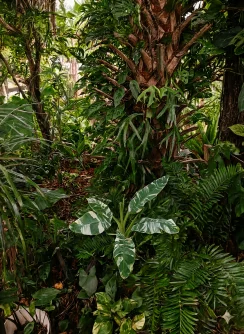
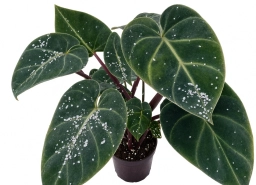
Real Philodendron grow diaries
Growers on DailyGrowers log their plant week by week, one photo at a time. Here's how theirs are going.
 1 week
Philodendron propagation
@thepepperguy
 1 week
my Philodendron ordatum growth🪴🪴🪴
@spongyboby
 1 week
Propagation of Philodendron florida beauty
@tahibonursery
Growing Philodendron too? Start your own diary. It's free and takes 2 minutes.
Start my Philodendron diary →