 ⚠ Moderate
Leaf miner larvae feed within the protected mesophyll layer, creating characteristic winding trails as they tunnel toward the leaf margins — the serpentine track pattern is diagnostic of Liriomyza and related species.
Leaf Miner Damage — Tunnelling Larvae Inside Leaf Tissue
Commonly affects: Monstera deliciosa, Philodendron spp., Anthurium andraeanum, Alocasia spp.
Pale, winding, irregular tunnels or blotches appear within the leaf blade — visible when the leaf is held up to light. The damage is caused by fly or moth larvae that hatch from eggs laid between the upper and lower leaf surfaces and tunnel through the mesophyll tissue as they feed. Affected areas turn white, pale yellow, or tan as the tissue dies. The serpentine trail pattern is diagnostic — no other pest creates this specific winding track within the leaf.
Potential Causes
- 1Eggs laid by adult leaf miner flies (Liriomyza spp.) or moth species on leaf surfaces during outdoor exposure or from infested new plants introduced without quarantine
- 2Warm conditions (above 22°C) accelerating larval development inside leaf tissue
- 3Dense, overlapping foliage making early detection difficult until the tunnelling damage is extensive
- 4Introduction of infested nursery stock without adequate inspection
Solution Steps
- 1Physically remove and destroy all visibly mined leaves — seal in a bag and dispose in general waste, not compost, to prevent adult emergence.
- 2Squeeze visible tunnels between your fingers where larvae are present — this physically crushes the larvae inside the leaf without the need for pesticides.
- 3Apply a systemic insecticide (abamectin or spinosad) as a soil drench — the systemic action means the plant tissues become toxic to feeding larvae throughout.
- 4Foliar applications are less effective against leaf miners as the larvae are protected inside the leaf — focus on systemic soil drenches.
- 5Set yellow sticky traps to capture adult flies and monitor population levels. Adults are small (2–3 mm) dark flies with yellow markings.
- 6Inspect all remaining leaves carefully and repeat treatment after 10–14 days to capture the next larval generation.
Prevention Tip
Quarantine all new plants for 14–21 days and inspect every leaf surface — including holding leaves up to a bright light source to reveal any early-stage tunnelling that is invisible under normal lighting conditions.
Related Issues to Explore

Caterpillar Chewing Damage — External Defoliation
Caterpillars feed externally and remove entire portions of the leaf — in contrast to leaf miners which damage tissue from within, creating trails rather than holes.
Read guide
Thrips Infestation — Silvery Stippling & Black Frass
Thrips cause surface silvering on leaves that can be confused with early-stage leaf miner damage — check for the serpentine tunnelling pattern to distinguish the two.
Read guideMore Pest Infestations Problems
See all →
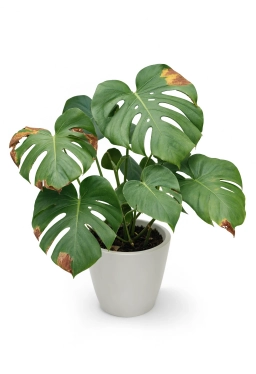
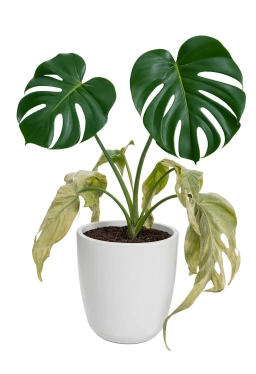
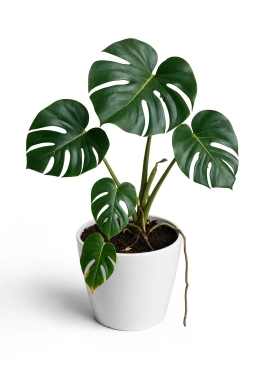
Real Monstera grow diaries
Growers on DailyGrowers log their plant week by week, one photo at a time. Here's how theirs are going.
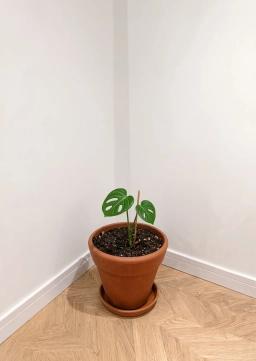
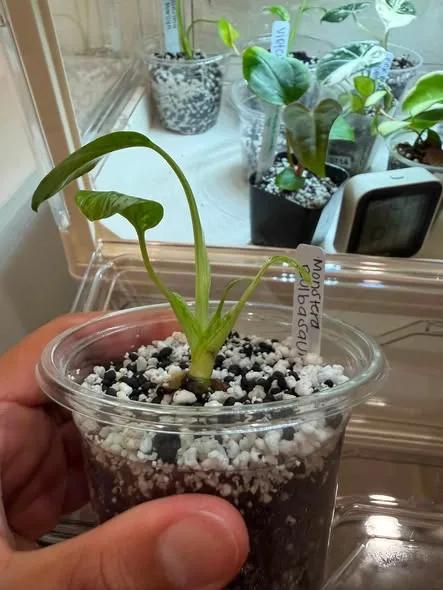
Growing Monstera too? Start your own diary. It's free and takes 2 minutes.
Start my Monstera diary →