Leaf Miner
Liriomyza trifolii
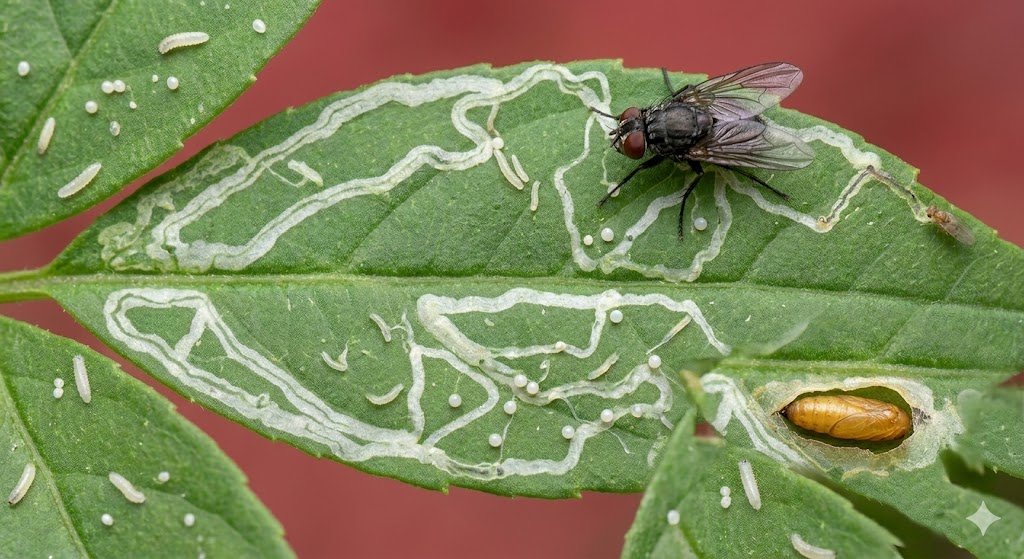
Leaf miners are the larvae of small flies (Liriomyza spp.) that feed between the upper and lower epidermis of leaves, creating distinctive meandering pale tunnels (mines) visible from the leaf surface. Liriomyza trifolii (serpentine leaf miner) is among the most widespread species, attacking a wide range of ornamental and vegetable plants. The damage is primarily cosmetic but severe infestations can significantly reduce photosynthetic capacity and weaken plants.
How to Identify
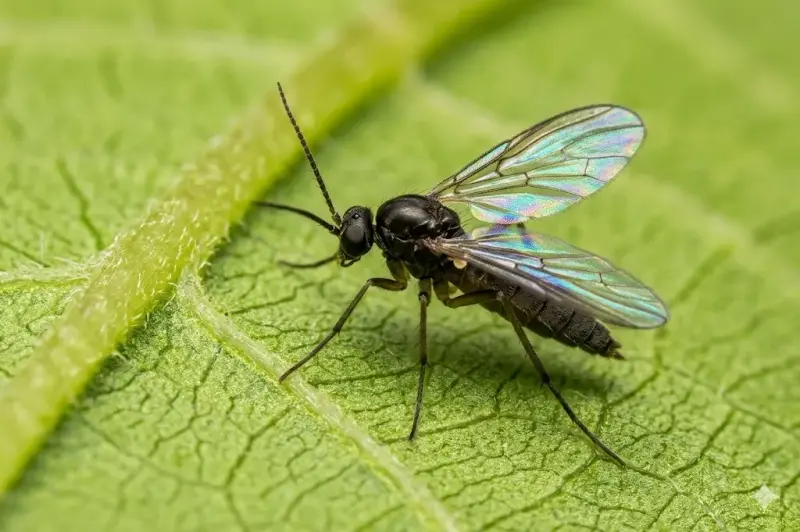
Narrow, winding, white or pale yellow tunnels visible through the upper surface of affected leaves. The mines begin as tiny dots (egg insertion sites) and expand as the larva grows. At the end of the active mine, a small white maggot (2–3 mm) may be visible if the leaf is held up to light. Adult flies are tiny (2 mm), yellow and black, and leave small white oviposition scars on leaves.
Life Cycle
Females use their ovipositor to pierce leaves and lay single eggs in the leaf tissue. Larvae hatch in 2–4 days and begin mining immediately. The larval stage lasts 6–12 days, creating progressively wider mines. Mature larvae drop to the substrate and pupate. Adults emerge in 1–3 weeks. Multiple generations occur per year.
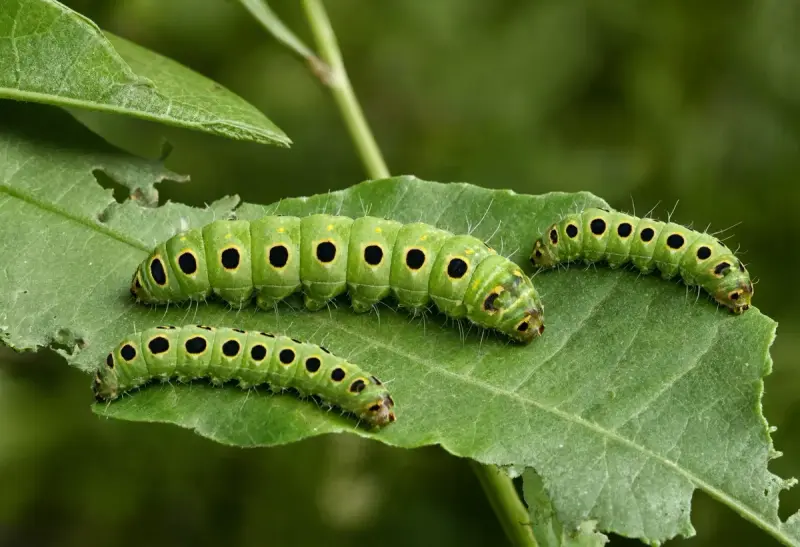
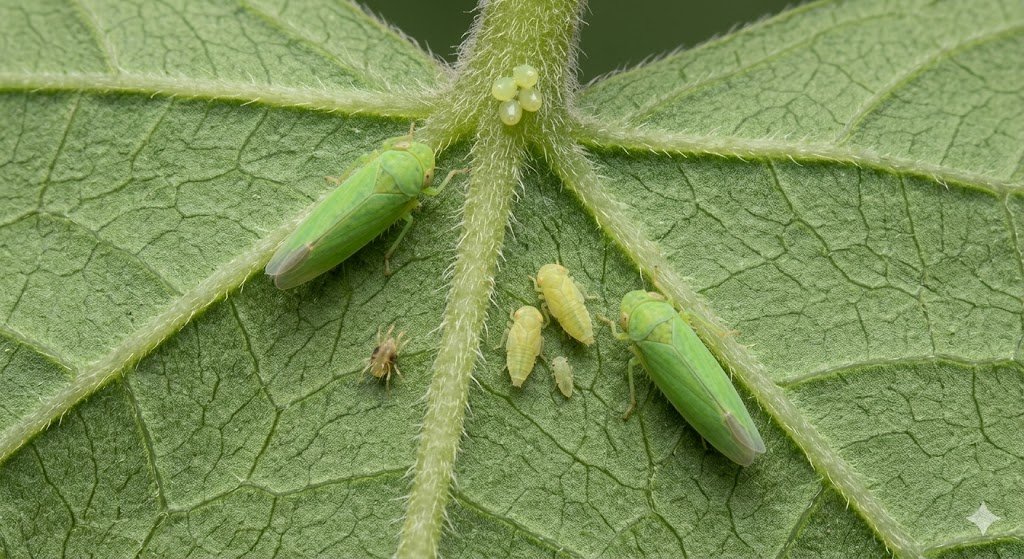
Visual Identification
Leaf Miner Fly
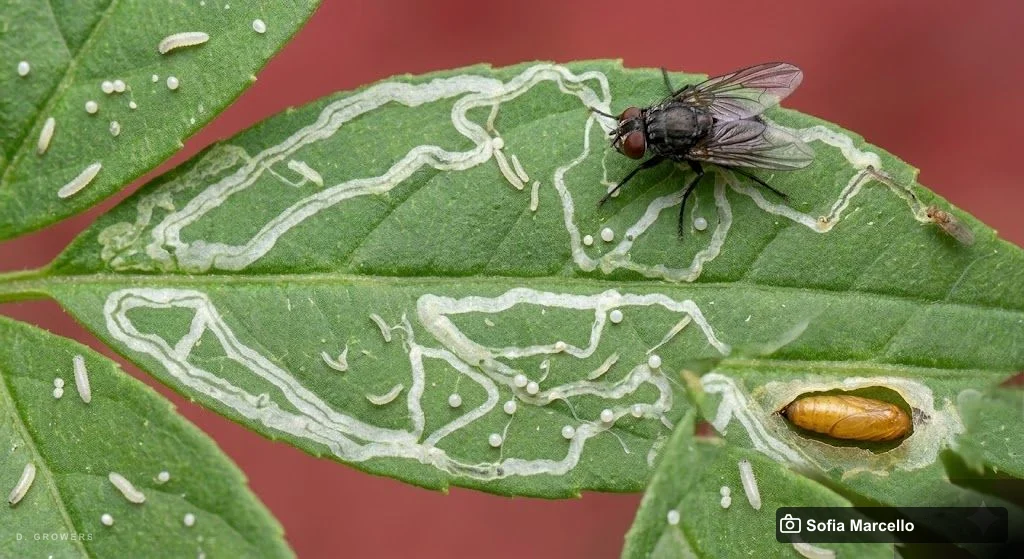
Mining Damage
Treatment Steps
- 1
Remove and dispose of mined leaves in sealed bags to eliminate larvae
- 2
Apply spinosad spray — it is absorbed into leaves and kills mining larvae
- 3
Apply abamectin (systemic miticide/insecticide) for severe infestations
- 4
Place yellow sticky traps to reduce adult fly populations
- 5
Apply Steinernema feltiae nematodes as a substrate drench to kill pupating larvae
Prevention
Yellow sticky traps catch adult flies and provide early warning before egg-laying begins
Inspect new plants carefully for characteristic tunnel marks before purchase
Apply neem oil as a preventive spray — it deters adult females from ovipositing
Remove and destroy mined leaves promptly to eliminate larvae before they pupate
Frequently Asked Questions
What causes leaf miner damage?
Tiny flies (Liriomyza spp.) lay eggs inside leaves. Larvae hatch and tunnel between leaf layers, creating the characteristic pale winding tracks visible from the surface. Adult flies also create small white oviposition scars.
How do I get rid of leaf miners?
Remove mined leaves immediately. Apply spinosad spray — it penetrates leaf tissue and kills mining larvae. Use yellow sticky traps to reduce the adult fly population. Apply nematode soil drenches to kill pupating larvae in the substrate.
Plant Problems Caused by Leaf Miner
All pest problems →
Care Guides for Affected Plants

See how growers dealt with Leaf Miner
Browse real grow diaries from the community — treatments, timelines, and results.
Browse community diaries →