 ⚠ Moderate
Manganese deficiency produces interveinal chlorosis exclusively on young growth — distinguishing it from iron deficiency (same pattern) requires noting whether old or young leaves are affected, as manganese is immobile in plants.
Manganese Deficiency — Young Leaf Interveinal Chlorosis & Pale New Growth
Commonly affects: Monstera deliciosa, Calathea spp., Philodendron spp., Anthurium andraeanum
New, young leaves emerge pale yellow or light green, with a distinct interveinal chlorosis pattern where the tissue between veins loses green colour while the vein network remains visible. This mirrors iron deficiency but appears exclusively on the youngest growth — manganese is not mobile in plants and cannot be redirected from older leaves. As deficiency progresses, necrotic brown spots develop within the chlorotic zones.
Potential Causes
- 1Substrate pH above 6.5 causing manganese to form insoluble manganese dioxide compounds unavailable for uptake
- 2Waterlogged, anaerobic substrate conditions reducing soluble manganese to insoluble forms through altered soil chemistry
- 3Excess iron or zinc in the substrate competing with manganese uptake at root binding sites
- 4Manganese absence in the fertiliser program — many basic NPK fertilisers do not include micronutrients
Solution Steps
- 1Test and correct substrate pH to 5.5–6.2 — manganese availability drops sharply above pH 6.5.
- 2Apply a foliar spray of manganese sulphate (MnSO₄ at 0.05–0.1% solution) directly to the youngest chlorotic leaves for rapid uptake.
- 3As a root drench, apply chelated manganese (Mn-EDTA) at 50 ppm concentration — chelated forms remain available across a wider pH range than sulphate salts.
- 4If waterlogging is contributing, correct drainage and reduce watering frequency before re-testing nutrient uptake.
- 5Switch to a complete micronutrient fertiliser that includes manganese, zinc, copper, and boron alongside NPK.
- 6Monitor new growth after treatment — correct manganese levels produce normally coloured new leaves within 3–5 weeks of correction.
Prevention Tip
Maintain substrate pH in the 5.5–6.2 range and use a complete micronutrient fertiliser every 4–6 weeks during the growing season. Manganese deficiency is almost always a pH or substrate issue rather than a true nutrient absence — testing pH before supplementing saves unnecessary cost.
Related Issues to Explore

Interveinal Chlorosis — Iron or Magnesium Deficiency
Iron and manganese deficiencies produce almost identical interveinal chlorosis — the key distinction is leaf age: iron affects young leaves (immobile), magnesium affects old leaves (mobile).
Read guide
pH & Nutrient Lockout — Substrate Acidity Imbalance
High pH is the root cause of most micronutrient deficiencies — correcting pH is the primary intervention before any supplementation.
Read guideMore Nutrient Deficiencies Problems
See all →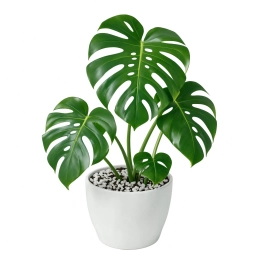
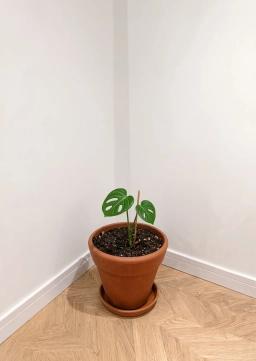
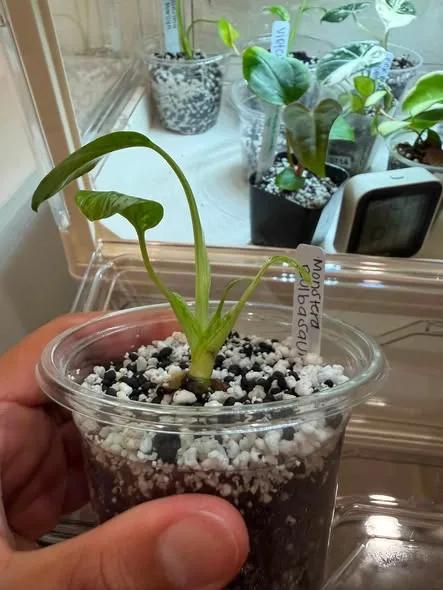
Real Monstera grow diaries
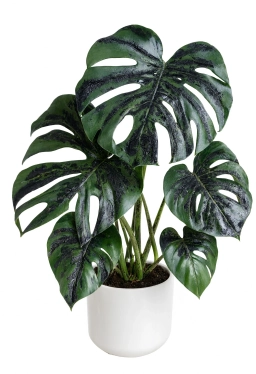
Growers on DailyGrowers log their plant week by week, one photo at a time. Here's how theirs are going.
Growing Monstera too? Start your own diary. It's free and takes 2 minutes.
Start my Monstera diary →More rare plants and collector grows every day on Facebook: follow Exotics plants