 ⚠ Moderate
Substrate pH Lock-Out
Commonly affects: Most aroids — Monstera, Philodendron, Anthurium, Calathea, Alocasia
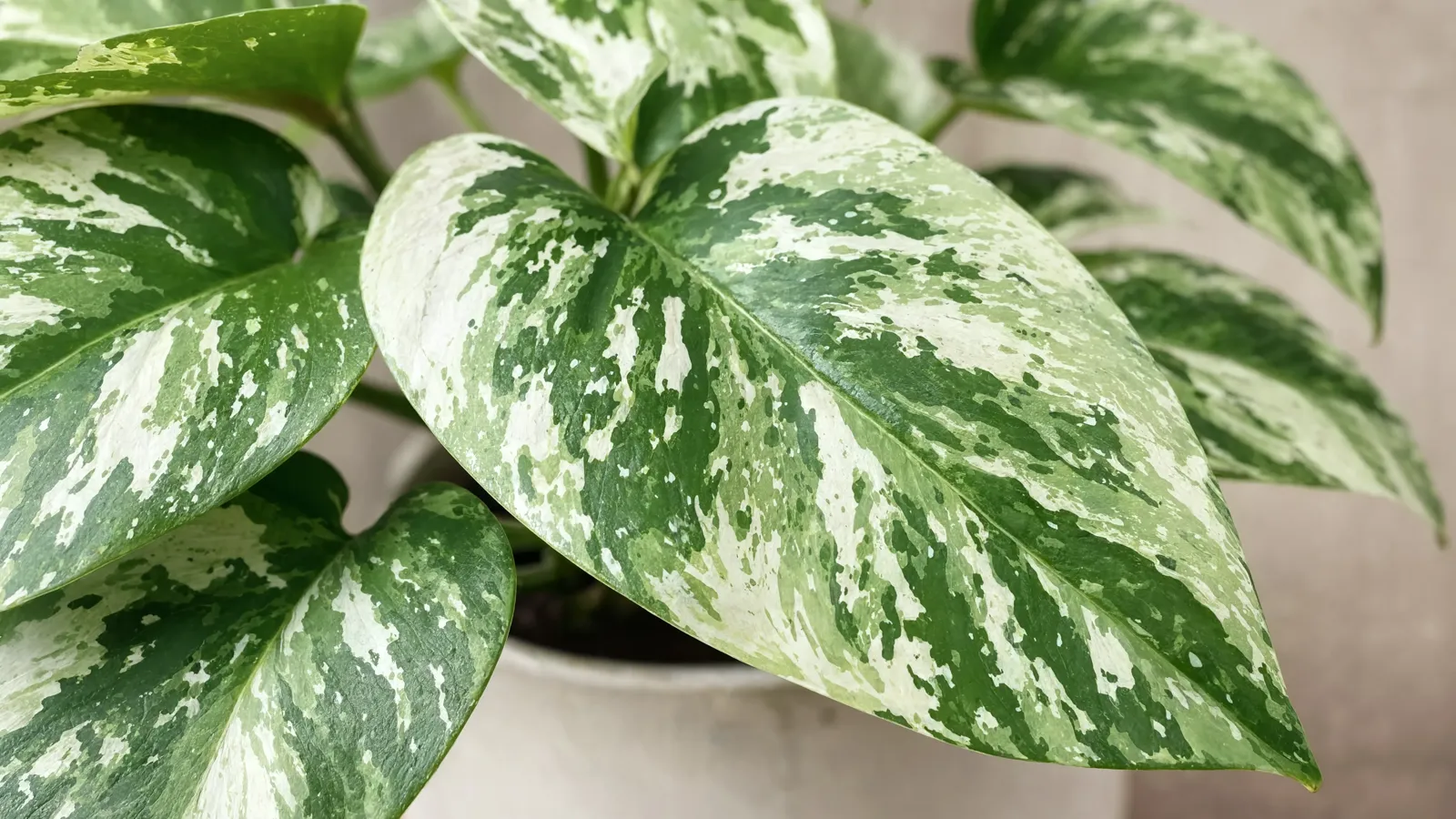
The plant shows nutrient-deficiency symptoms — yellowing, interveinal chlorosis, pale or stunted growth — despite a regular and adequate feeding program. The cause is a substrate pH outside the optimal range, which chemically locks nutrients into forms the roots cannot absorb. Adding more fertiliser fails to help because the nutrients are present but unavailable.
Potential Causes
- 1Substrate pH drifting above ~6.5, locking out iron and other micronutrients
- 2Hard, alkaline tap water gradually raising the substrate pH over time
- 3Overly acidic conditions in some peat mixes locking out other nutrients
- 4Salt build-up and an exhausted mix shifting the root-zone chemistry
Solution Steps
- 1Test the substrate or run-off pH with a meter or test kit — most aroids prefer roughly 5.5–6.5.
- 2If too alkaline, acidify gently with a pH-down solution or by switching to rain/filtered water.
- 3If overly acidic, adjust with a small amount of dolomitic lime or a pH-up product.
- 4Flush the substrate first to clear salt build-up that distorts pH and uptake.
- 5Once pH is corrected, resume balanced feeding; locked nutrients become available again.
- 6If the mix is old and chemically unstable, repot into fresh, appropriately acidic aroid substrate.
Prevention Tip
When a well-fed plant still looks deficient, suspect pH lock-out before adding yet more fertiliser. Using low-mineral water and refreshing the substrate periodically keeps the root-zone pH in the range that keeps nutrients available.
Related Issues to Explore

Interveinal Chlorosis — Iron or Magnesium Deficiency
pH lock-out is a leading cause of iron chlorosis — correcting substrate pH restores iron availability without extra fertiliser.
Read guide
Salt Crust & EC Build-Up in Substrate
Salt accumulation distorts root-zone chemistry and pH together — flushing the substrate is a shared first step for both.
Read guide
Nitrogen Deficiency — Uniform Pale Older Leaves
Both look like deficiency, but lock-out persists despite feeding while true nitrogen deficiency responds to it — testing pH distinguishes them.
Read guideMore Colour Changes Problems
See all →
Real Monstera grow diaries
Growers on DailyGrowers log their plant week by week, one photo at a time. Here's how theirs are going.
Growing Monstera too? Start your own diary. It's free and takes 2 minutes.
Start my Monstera diary →