 ⚠ Critical
Scale insect crawlers are exposed and vulnerable for only 24-48 hours before settling and developing protective armour — making timing of contact treatments critical for breaking the reproductive cycle.
Scale Insect Crawlers — Mobile Juvenile Stage & Colony Spread
Commonly affects: Monstera deliciosa, Philodendron erubescens, Anthurium andraeanum, Spathiphyllum wallisii
Despite treating and removing visible adult scale, the plant re-infests within weeks. Small, flat, barely visible insects (0.3-0.5 mm) are found on new growth and under leaves — these are the crawler stage, the mobile juvenile scales that disperse from fixed adult colonies. Crawlers are nearly invisible and disperse by walking or air currents, and are the stage most susceptible to contact pesticides. Missing them is why scale infestations recur after apparent treatment success.
Potential Causes
- 1Treatment targeting only adult scale but not the crawler stage — adults are protected under waxy armour but crawlers are fully exposed
- 2Adult female scale producing eggs continuously, releasing new crawler batches every 2-4 weeks
- 3Crawlers dispersing to adjacent plants by walking or on air currents during the 24-48 hour mobile window before settling
- 4New plant introductions carrying crawlers not visible at time of quarantine inspection
Solution Steps
- 1Treat the entire plant with insecticidal soap or horticultural oil spray — these kill crawlers on contact by blocking their breathing pores. Ensure complete coverage including leaf undersides and all stem surfaces.
- 2Apply a systemic insecticide (imidacloprid) as a soil drench — this makes plant tissue toxic to feeding crawlers from any new hatches.
- 3Repeat treatment every 7-10 days for 5-6 cycles to intercept each new crawler batch as it hatches.
- 4Physically remove visible adult scale with a soft toothbrush dipped in isopropyl alcohol before spraying — this reduces the breeding population.
- 5Isolate the plant from all others for the entire treatment period — crawlers easily transfer to adjacent plants.
- 6Introduce Chilocorus nigritus or other predatory beetles for large collections — biological control is the most sustainable long-term solution.
Prevention Tip
Systemic insecticide in the substrate provides continuous protection during the crawler dispersal window without requiring exact spray timing. Apply systemics at the first sign of adult scale to protect against the crawler surge that follows.
Related Issues to Explore

Armored Scale Infestation — Diaspididae Colonisation
Understanding the crawler lifecycle is essential for breaking armoured scale re-infestation cycles despite apparent treatment success.
Read guideSoft Brown Scale — Coccus hesperidum Colony Management
Soft scale crawlers use the same dispersal mechanism — the treatment timing and systemic approach are identical.
Read guideMore Pest Infestations Problems
See all →



Real Monstera grow diaries
Growers on DailyGrowers log their plant week by week, one photo at a time. Here's how theirs are going.
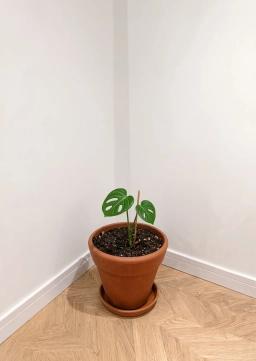
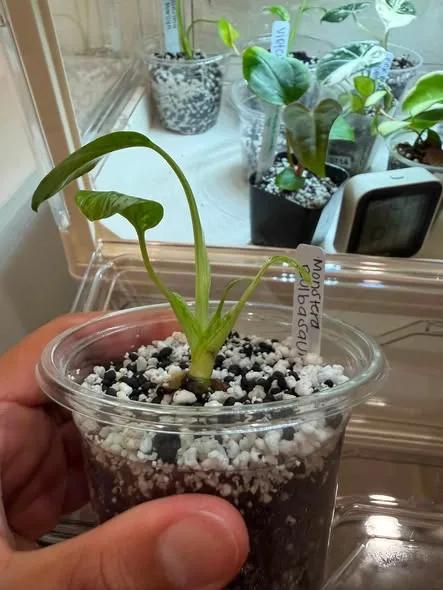
Growing Monstera too? Start your own diary. It's free and takes 2 minutes.
Start my Monstera diary →More rare plants and collector grows every day on Facebook: follow Exotics plants