 ⚠ Minor
Springtails are harmless detritivores that bloom only in chronically damp, organic substrate — their sudden appearance is best read as a signal to dry out the mix.
Springtails in Substrate — Collembola Bloom
Commonly affects: Most aroids in moist or terrarium conditions — Philodendron, Monstera, Syngonium
Tiny white or grey specks, around 1 mm long, scatter and hop across the substrate surface and pooled water when disturbed. Springtails feed on decaying organic matter, algae, and fungi rather than living plant tissue, so they rarely cause direct harm — but a sudden population bloom is a clear indicator of a persistently wet, organic-rich substrate. In rare cases of very dense populations, they may graze tender seedling roots.
Potential Causes
- 1Chronically saturated substrate surface supporting the fungi and decay they feed on
- 2Organic-rich, peat- or compost-heavy mixes providing abundant food
- 3Overwatering keeping the upper soil layer permanently moist
- 4Closed terrarium or high-humidity environments favouring rapid reproduction
Solution Steps
- 1Recognise that springtails are largely harmless detritivores — eradication is usually unnecessary, and reducing moisture controls them naturally.
- 2Allow the top several centimetres of substrate to dry thoroughly between waterings to suppress the population.
- 3Bottom-water where practical to keep the surface layer dry.
- 4For a population bloom in a potted plant, a thorough drench will drown and flush many individuals.
- 5Top-dress with horticultural grit to reduce surface organic matter and dry the upper layer.
- 6Switch to a more mineral, less organic aroid mix if blooms recur persistently.
Prevention Tip
Treat a springtail bloom as a moisture gauge rather than a pest emergency — they thrive only where the substrate stays wet and organic. Improving drainage and letting the surface dry resolves the bloom without any treatment.
Related Issues to Explore

Fungus Gnats — Bradysia spp. Larvae in Substrate
Springtails and fungus gnats both bloom in wet, organic substrate — gnats fly and damage roots, while springtails hop on the surface and are harmless.
Read guide
Yellowing Leaves — Overwatering Stress
A springtail bloom and overwatering yellowing share the same root cause — a substrate that stays too wet for too long.
Read guide
Compacted, Anaerobic Substrate
Persistent surface moisture that feeds springtails often accompanies a dense, poorly aerated mix — improving substrate structure addresses both.
Read guideMore Pest Infestations Problems
See all →
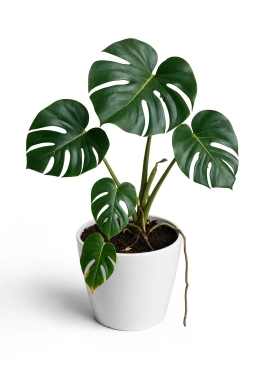
Real Monstera grow diaries
Growers on DailyGrowers log their plant week by week, one photo at a time. Here's how theirs are going.
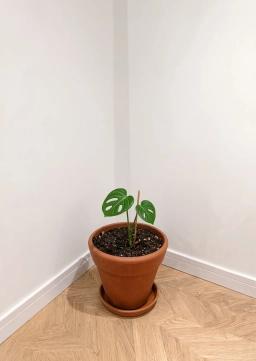
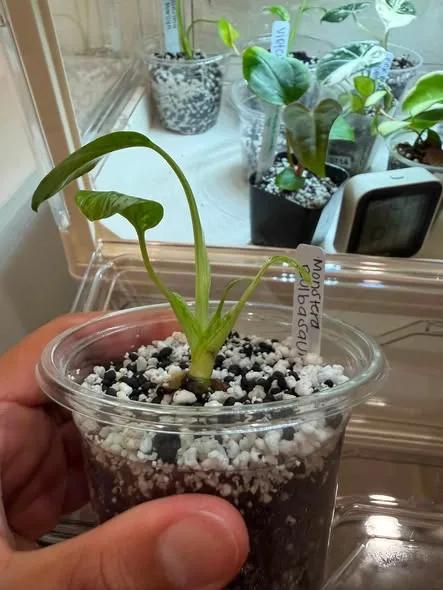
Growing Monstera too? Start your own diary. It's free and takes 2 minutes.
Start my Monstera diary →More rare plants and collector grows every day on Facebook: follow Exotics plants