 ⚠ Minor
Adult fungus gnats are harmless, but their larvae graze fine feeder roots in chronically damp substrate — the swarm is a reliable signal that the mix is staying too wet.
Fungus Gnats — Bradysia spp. Larvae in Substrate
Commonly affects: Most aroids in moist substrate — Philodendron, Monstera, Syngonium, Alocasia
Small, dark, mosquito-like flies hover around the soil surface and scatter when the plant is disturbed. The damaging stage is the larvae — tiny translucent maggots with black heads that live in the top few centimetres of moist substrate, feeding on fungi, organic matter, and fine feeder roots. Seedlings and freshly potted cuttings may stall or wilt as their delicate roots are grazed.
The short answer
Small black flies drifting up from the soil are fungus gnats, and the adults are harmless — the larvae in the top few centimetres of wet mix are what damage roots. They cannot survive in a surface that dries out, so the permanent fix is a drier top layer, not a spray. Expect two to three weeks to break the cycle because eggs already laid will still hatch.
Confirm it before you treat it
- 1Watch where the flies go when disturbed. Fungus gnats run across the soil surface and fly weakly in short hops; fruit flies head for fruit and windows.
- 2Lay a slice of raw potato flat on the mix for a day, then lift it. Small translucent larvae with black heads on the underside confirm an active infestation.
- 3Feel the top 2 cm of mix. If it is damp, you have the conditions gnats need; if it is genuinely dry and you still see flies, they are breeding in another pot nearby.
- 4Check every pot in the room, not just the affected one. Adults move freely between plants and treating one pot while the others stay wet simply refills it.
- 5Look for stunted or wilting seedlings. Mature plants tolerate larvae easily; seedlings and fresh cuttings are where the root damage actually matters.
Potential Causes
- 1Chronically moist substrate surface providing ideal egg-laying and larval habitat
- 2Peat- or compost-heavy mixes rich in the organic matter and fungi larvae feed on
- 3Overwatering keeping the top layer of soil permanently damp
- 4Introduction via contaminated potting mix or previously infested plants
Solution Steps
- 1Allow the top 3–4 cm of substrate to dry thoroughly between waterings — this alone kills most eggs and young larvae.
- 2Place yellow sticky traps flat on the soil surface to capture egg-laying adults and break the breeding cycle.
- 3Drench the substrate with a Bacillus thuringiensis israelensis (BTI) solution, which specifically targets gnat larvae without harming the plant.
- 4Top-dress the soil with a 1–2 cm layer of horticultural sand or fine grit to deter adults from laying eggs.
- 5Bottom-water where practical, keeping the surface layer dry while roots draw moisture from below.
- 6Repeat BTI drenches with each watering for 3–4 weeks to clear overlapping generations.
What else looks like this
| Could be | How to tell it apart |
|---|---|
| Fruit flies | Tan or reddish rather than black, with visibly red eyes, and they gather around fruit and drains rather than pots. They do not run across the soil. |
| Shore flies | Stockier, stronger fliers with pale spots on the wings. They feed on algae on the soil surface and do not damage roots, so they need no treatment beyond letting the surface dry. |
| Springtails | Tiny white insects that jump when disturbed and never fly. They feed on decaying matter, are harmless, and are usually a sign of a healthy moist substrate rather than a problem. |
| Thrips | Slender and found on the leaves rather than the soil, leaving silvery streaks and black specks of frass. Thrips damage is visible on foliage; gnat damage is not. |
Recovery timeline
- Days 1–3Let the top layer dry and put up yellow sticky traps. Adult numbers stay high — the traps are catching what is already flying, and this tells you nothing yet about whether the treatment is working.
- Week 1Trap counts peak, then start falling. Eggs already in the mix are still hatching, so seeing new adults is expected.
- Week 2Noticeably fewer adults. This is the point at which most people conclude it worked and start watering normally again — which is exactly how infestations return.
- Week 3The full 3–4 week life cycle has run through. If the surface has stayed dry, numbers should now be close to zero.
- OngoingWater from below or water thoroughly but much less often. A permanently dry top 2 cm makes the plant uninhabitable for gnats without any treatment at all.
If you do nothing
Adults are a nuisance rather than a threat, but larvae feed on fine root hairs and on the fungal mat in wet mix. Established plants generally cope; seedlings, fresh cuttings and any plant already weakened by root rot can lose enough root surface to stall or die. Populations also compound — each female lays around 200 eggs, so a small infestation left through two cycles becomes a large one.
Common mistakes
- Spraying the leaves with insecticide. The adults on the leaves are not the problem and the larvae in the soil are untouched by a foliar spray.
- Replacing the top layer of soil but continuing to water the same way. New mix wets just as fast and is recolonised within days.
- Treating a single pot. Adults fly between pots, so every plant in the room has to dry out together or the infestation simply relocates.
- Giving up at week two. Numbers always fall before the eggs already laid have finished hatching, and resuming normal watering at that point restarts the cycle.
- Using cinnamon or similar surface remedies alone. They may suppress the fungal growth larvae feed on, but they do not address the wetness that allows it.
Prevention Tip
Fungus gnats are fundamentally a symptom of a too-wet substrate surface — correcting watering habits is more effective than any insecticide. Use a fast-draining, aerated aroid mix and let the surface dry between waterings to make the environment inhospitable.
Questions people actually ask
- Do fungus gnats actually harm my plant?
- The larvae can, by feeding on fine roots. Mature plants usually shrug this off; seedlings and cuttings are genuinely at risk.
- Do hydrogen peroxide drenches work?
- They kill larvae on contact and give quick relief, but they do nothing about the conditions. Without a drier surface the population returns within a fortnight.
- Are sticky traps enough on their own?
- No. They remove adults and are useful for measuring whether numbers are falling, but every trapped fly has usually already laid eggs.
- Why did they appear after I repotted?
- Bagged potting mix frequently arrives with eggs already in it. Fresh mix that stays damp for the first weeks after repotting is ideal for them.
- Can I just let the plant dry out completely?
- For drought-tolerant plants, yes — that alone will end the infestation. For moisture-loving plants, dry only the top layer and water from below to keep the surface inhospitable.
Related Issues to Explore

Yellowing Leaves — Overwatering Stress
Fungus gnats and overwatering share the same root cause — a chronically saturated substrate. Correcting watering resolves both at once.
Read guide
Root Rot — Pythium & Phytophthora Infection
The same waterlogged conditions that breed fungus gnats also favour root-rot pathogens — persistent gnats warrant a root inspection.
Read guide
Springtails in Substrate — Collembola Bloom
Springtails are another moisture-loving soil organism often confused with fungus gnat larvae — both signal an overly damp substrate surface.
Read guideMore Pest Infestations Problems
See all →
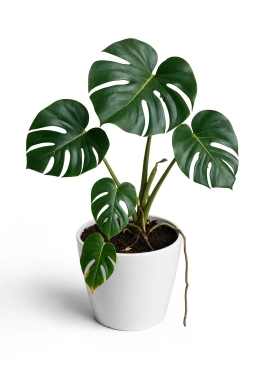
Real Monstera grow diaries
Growers on DailyGrowers log their plant week by week, one photo at a time. Here's how theirs are going.
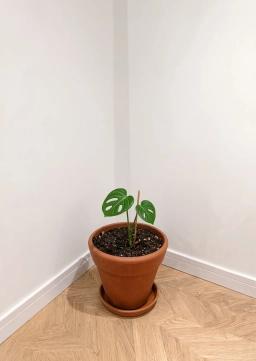
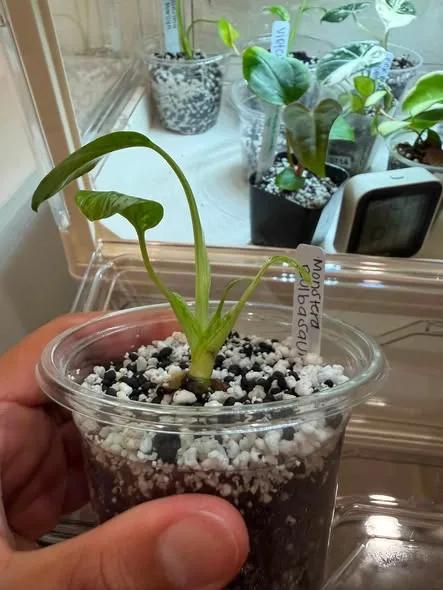
Growing Monstera too? Start your own diary. It's free and takes 2 minutes.
Start my Monstera diary →