 ⚠ Moderate
Cuttings that mush at the cut end or stall usually fail from a missing node, a contaminated cut, or stagnant wet conditions — sterile, warm, humid setups give the highest success.
Propagation Failure — Cuttings Rotting or Stalling
Commonly affects: Cuttings & divisions — Monstera, Philodendron, Syngonium, Alocasia, Epipremnum
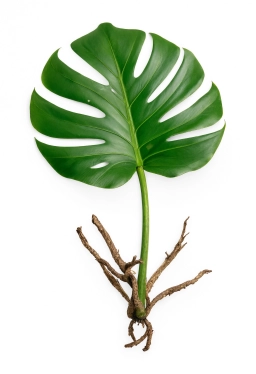
A stem or node cutting placed to root softens, browns, and mushes at the cut end instead of producing roots, or simply stalls indefinitely without rooting. The node may blacken and the cutting eventually collapses. Failures cluster around overly wet, contaminated, or poorly chosen cuttings rather than any single disease.
Potential Causes
- 1Cuttings taken without a viable node, which is essential for root formation
- 2Non-sterile blade or contaminated medium introducing rot organisms to the fresh wound
- 3Overly wet, stagnant water or waterlogged medium suffocating and rotting the cut end
- 4Insufficient warmth, light, or humidity stalling root initiation
Solution Steps
- 1Always cut with a sterilised blade and include at least one healthy node on each cutting.
- 2Allow the cut end to callus for an hour or two before placing it in the rooting medium.
- 3Root in a clean medium — fresh water changed regularly, or a sterile, airy mix like sphagnum or perlite.
- 4Provide warmth (around 22–26°C), bright indirect light, and high humidity to drive rooting.
- 5Remove any cutting that softens or browns immediately so it does not contaminate the rest.
- 6Be patient and avoid disturbing cuttings; many aroids take several weeks to root.
Prevention Tip
Successful propagation comes down to a viable node, a sterile cut, and clean, warm, humid conditions that are moist but not stagnant. Refreshing the water or using an airy sterile medium prevents the rot that ends most failed cuttings.
Related Issues to Explore

Rhizoctonia Damping-Off in Seedlings & Cuttings
Damping-off is a specific fungal cause of cuttings rotting at the base — sterile media and restrained moisture prevent both it and general propagation rot.
Read guide
Weak Water-Propagated Roots Failing to Transition
The next hurdle after rooting — water-formed roots often struggle to adapt to soil; both stages need attention for propagation to succeed.
Read guide
Bacterial Soft Rot — Erwinia & Pectobacterium
The same bacteria that mush established stems also rot cuttings — sterile cuts and clean conditions are the shared defence.
Read guideMore Growth Issues Problems
See all →
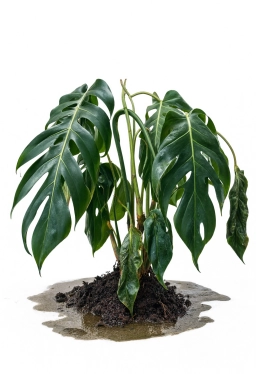
Real Monstera grow diaries
Growers on DailyGrowers log their plant week by week, one photo at a time. Here's how theirs are going.
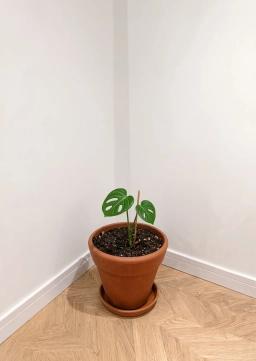
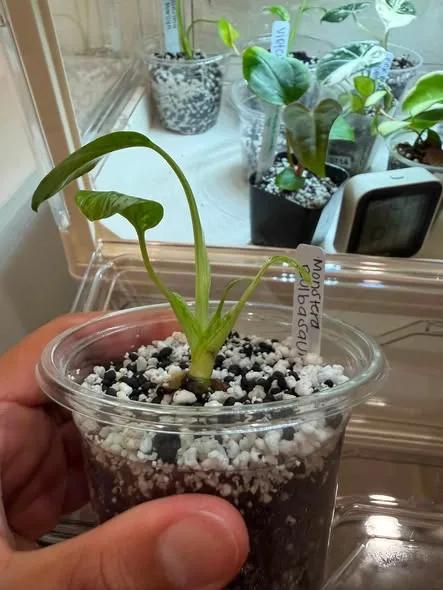
Growing Monstera too? Start your own diary. It's free and takes 2 minutes.
Start my Monstera diary →More rare plants and collector grows every day on Facebook: follow Exotics plants