
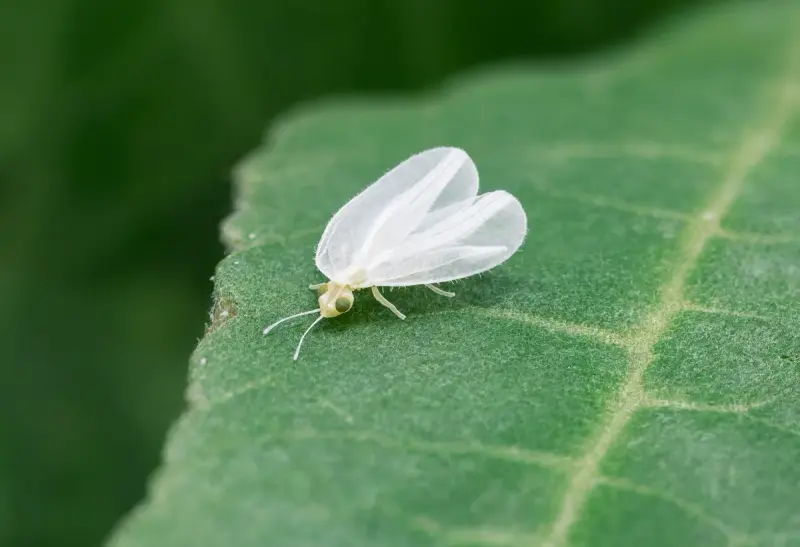
Whitefly
Trialeurodes vaporariorum
Greenhouse whitefly (Trialeurodes vaporariorum) is one of the most economically significant plant pests worldwide. Adults are 1–2 mm long with a powdery white wax coating. They feed on phloem sap and excrete large quantities of honeydew that coats leaves and supports black sooty mould growth. Whiteflies are also potent vectors of plant viruses — a single feeding event can transmit virus from an infected to a healthy plant.
How to Identify
Clouds of tiny white insects that fly up when the plant is disturbed. On the underside of leaves, look for flat, oval, scale-like nymphs at various stages — they are pale yellow-green and nearly transparent. Heavily infested leaves turn yellow and may drop. Sticky honeydew deposits and sooty mould on upper leaf surfaces are secondary signs.
Life Cycle
Females lay 200–400 eggs on leaf undersides over their 30–40 day lifespan. Eggs hatch in 8–10 days into crawlers (mobile first instar) that walk a short distance then settle to feed. Three more nymph stages follow before the adult emerges. The complete cycle takes 25–30 days at 21°C, faster in warmer conditions. All life stages can be present simultaneously.
Visual Identification
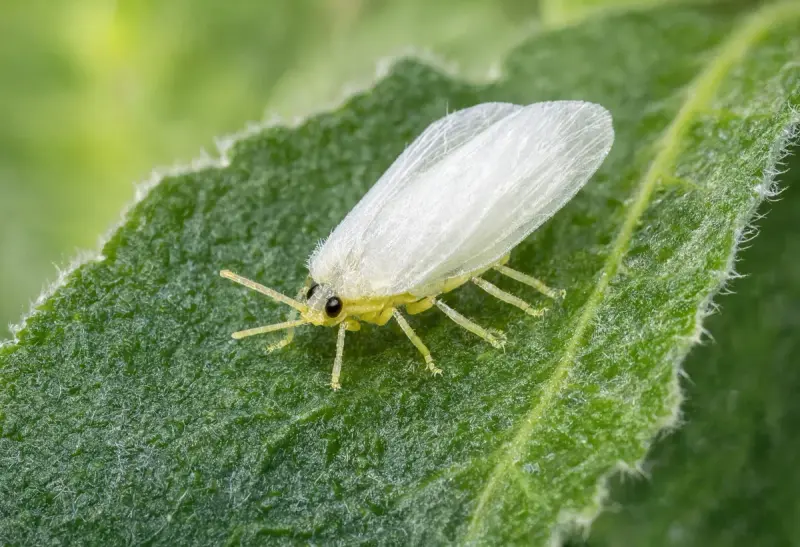
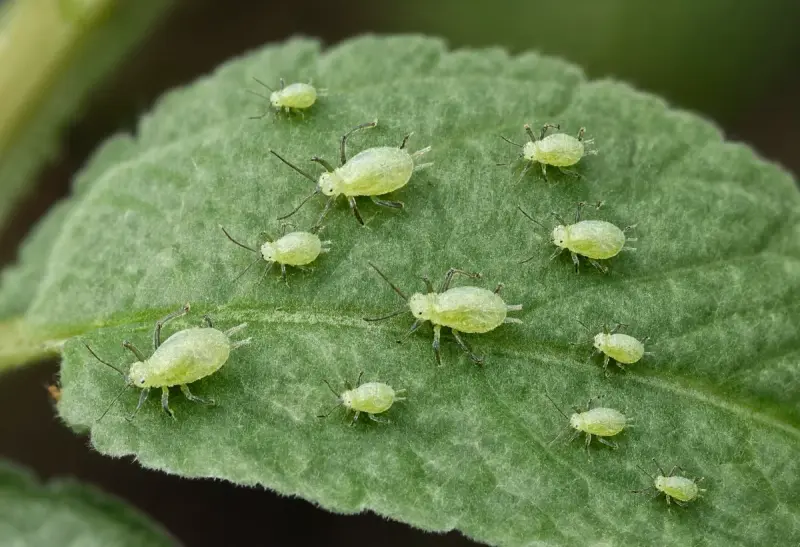
Nymphs on Leaf
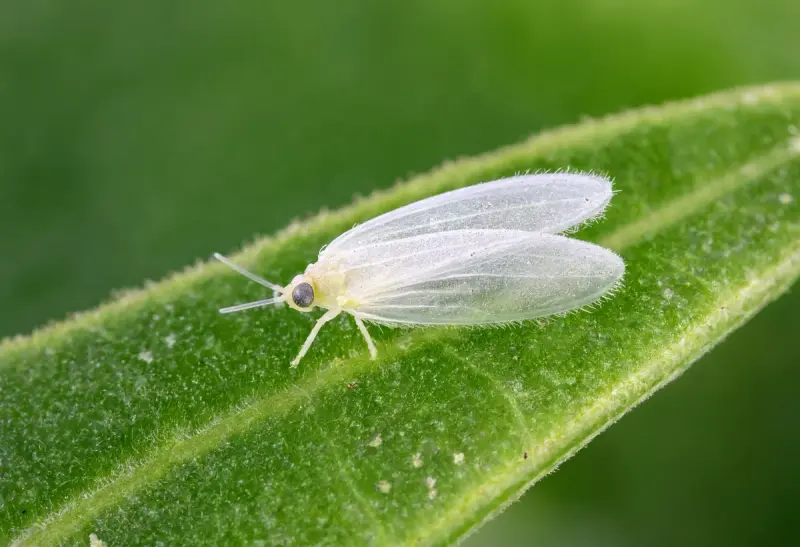
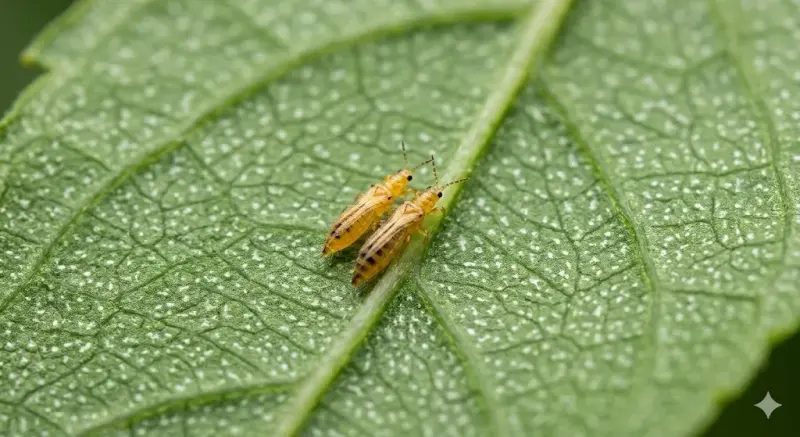
Adult Cluster
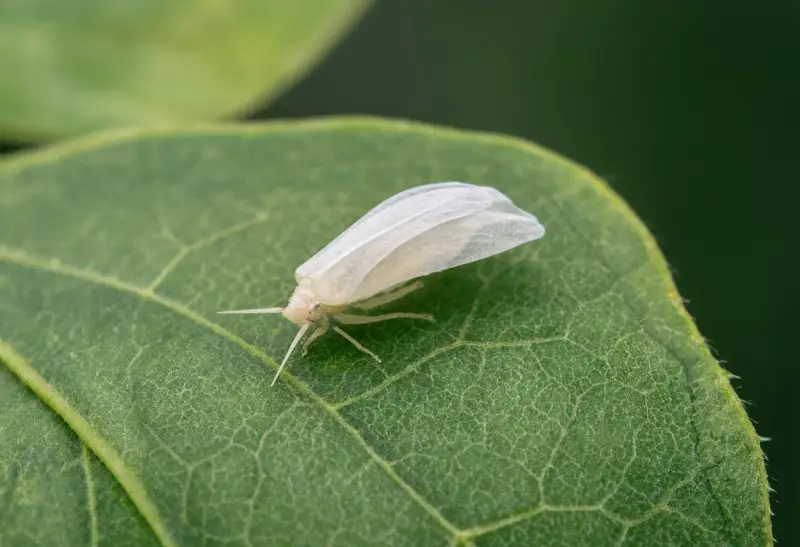
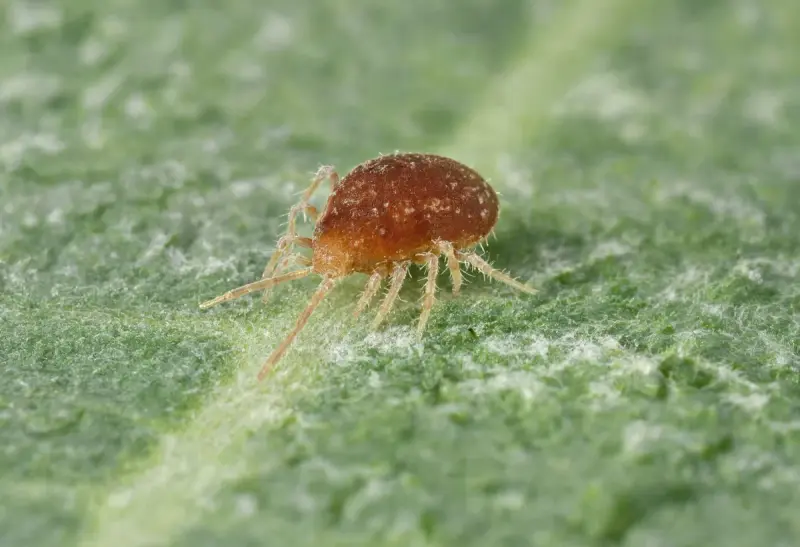
Sooty Mould
Treatment Steps
- 1
Place yellow sticky traps immediately to reduce adult population
- 2
Spray all leaf surfaces (especially undersides) with insecticidal soap or neem oil
- 3
Apply pyrethrins for rapid knockdown of adult populations
- 4
Introduce Encarsia formosa parasitic wasps for biological control of nymph stages
- 5
Repeat contact treatments every 3–4 days — the nymph stages are harder to kill than adults
- 6
Remove heavily infested leaves and dispose of them in sealed bags
Prevention
Use yellow sticky traps to catch adults early and monitor population levels
Introduce Encarsia formosa parasitic wasps — highly effective biological control for greenhouse whitefly
Avoid over-fertilising: lush growth attracts whitefly
Inspect leaf undersides of all new purchases before adding to your collection
Frequently Asked Questions
How do I get rid of whiteflies on houseplants?
Use yellow sticky traps to catch adults, then spray all leaf surfaces with insecticidal soap or neem oil every 3–4 days for at least 4 cycles. The nymph stages on leaf undersides are resistant to many sprays, so persistence is essential.
What causes whiteflies on indoor plants?
Whiteflies typically arrive on infested nursery plants. They can also enter through open windows in summer. Warm greenhouse-like conditions indoors and high-nitrogen feeding encourage population growth.
Can whiteflies kill a plant?
A severe whitefly infestation can weaken plants significantly through sap loss, sooty mould blocking photosynthesis, and potential virus transmission. While they rarely kill a healthy plant quickly, untreated populations can cause irreversible decline.
Plant Problems Caused by Whitefly
All pest problems →
Whitefly — Trialeurodes Clouds on Undersides
Tiny white, moth-like insects rest on the undersides of leaves and ris…
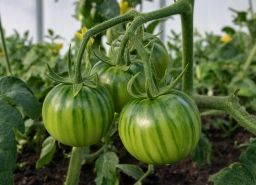
Leaf Curl on Tomato Plants
Leaves curl upward along their length, sometimes becoming slightly lea…
Tomato Yellow Leaf Curl Virus (TYLCV)
New leaves emerge small, cupped upward, and yellow along the margins, …
Care Guides for Affected Plants
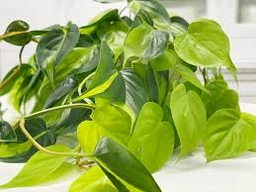
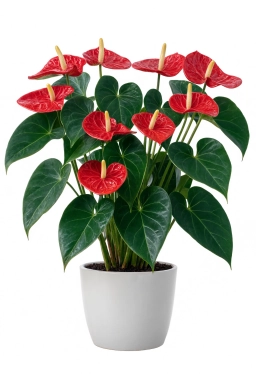
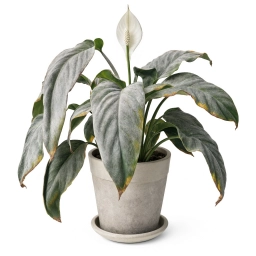
.webp)
See how growers dealt with Whitefly
Browse real grow diaries from the community — treatments, timelines, and results.
Browse community diaries →