Aphid
Aphidoidea
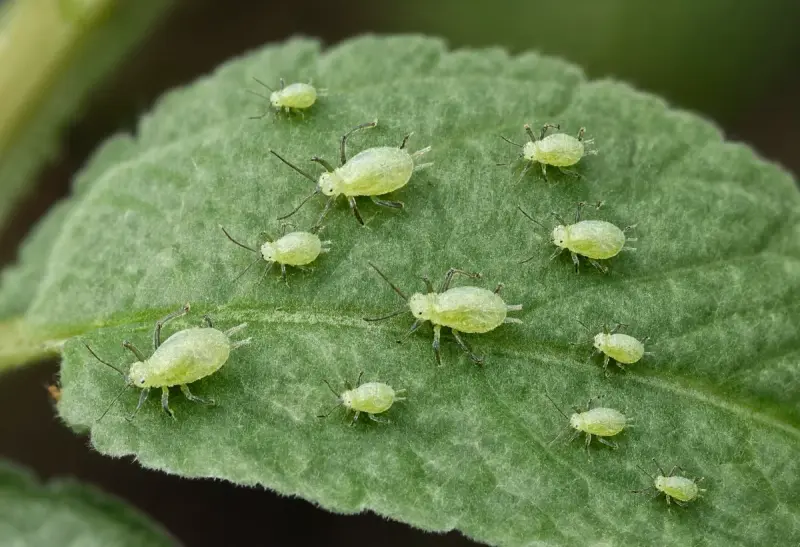
Aphids are among the most widespread plant pests worldwide. They feed by piercing plant tissue and extracting phloem sap, causing leaf curl, stunted growth, and yellowing. Their rapid reproduction — a single aphid can produce 80 offspring per week — means populations can explode from a few individuals to thousands in days. They also vector plant viruses, making early detection critical.
How to Identify
Look for soft, pear-shaped insects 1–3 mm long on new growth, stem tips, and leaf undersides. Colours range from green and black to red, yellow, and white depending on species. Sticky honeydew deposits and curling leaves are often the first visible signs before the insects themselves are noticed.
Life Cycle
Most aphid species can reproduce without mating (parthenogenesis) in warm conditions, producing live young every 7–10 days. Populations build exponentially in spring and summer. In autumn, winged forms appear and disperse to new plants. In temperate climates, eggs overwinter on bark and hatch in spring.
Visual Identification
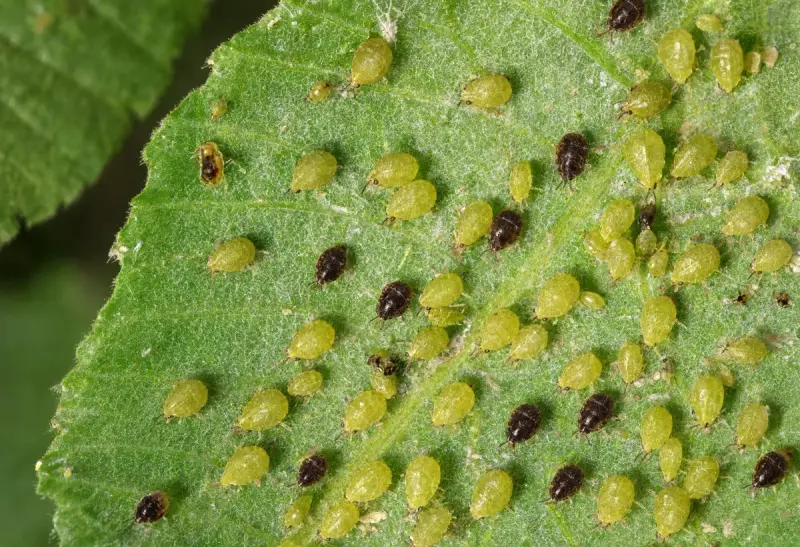
Colony on Leaves
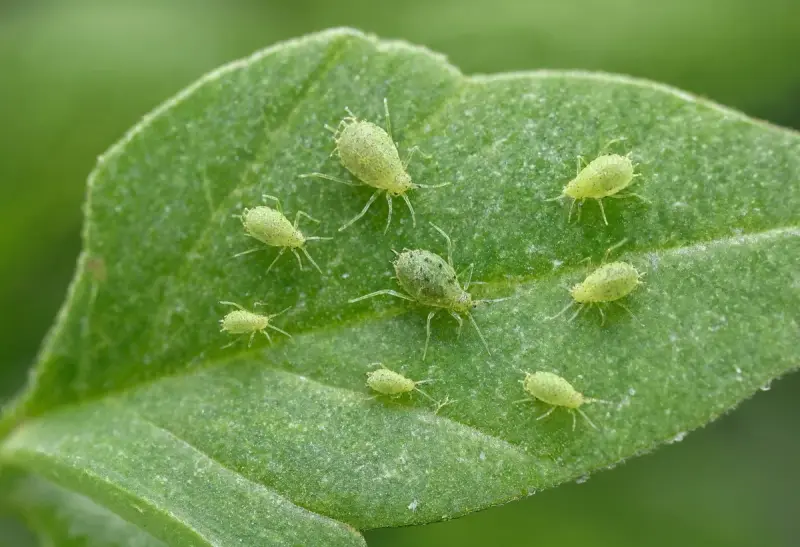
Dense Infestation
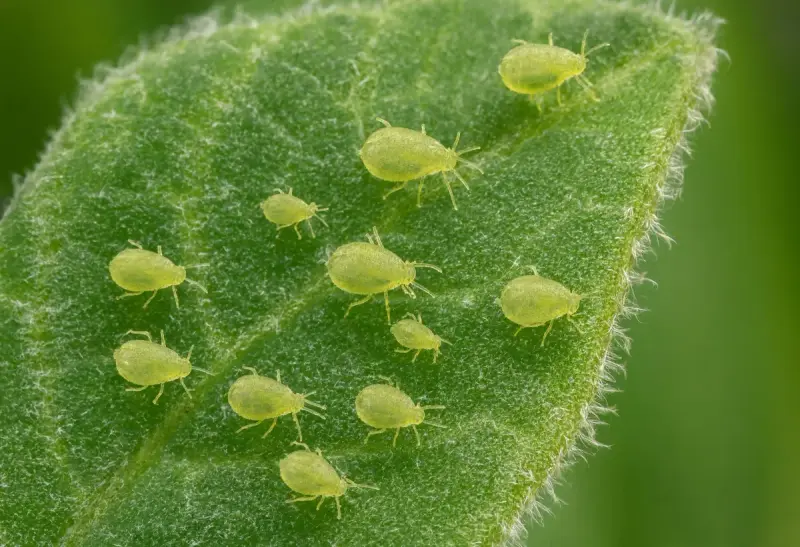
Distorted Leaves
Treatment Steps
- 1
Isolate the plant immediately to prevent spread to neighbours
- 2
Blast colonies off with a strong jet of water — effective for light infestations
- 3
Apply neem oil (5 ml/L with dish soap) or insecticidal soap to all leaf surfaces
- 4
Introduce Aphidius parasitic wasps or Chrysoperla lacewing larvae for biological control
- 5
For severe infestations, use pyrethrin-based spray as a last resort
- 6
Repeat treatment every 5–7 days for 3 cycles to intercept newly hatched nymphs
Prevention
Inspect new plants thoroughly before adding to your collection
Avoid over-fertilising with nitrogen — lush soft growth attracts aphids
Encourage natural predators: ladybugs, lacewings, and parasitic wasps
Use reflective mulch or silver-coloured pots to disorient winged aphids
Frequently Asked Questions
What causes aphid infestations on houseplants?
Aphids spread from infested plants, through open windows, or on clothing and tools. Warm temperatures and high-nitrogen fertilisation encourage rapid population growth. New plant purchases are the most common introduction route.
How do I get rid of aphids on my plants?
Start with a strong water spray to dislodge colonies, then apply neem oil or insecticidal soap to all leaf surfaces. Repeat every 5–7 days for 3 cycles. Biological control with parasitic wasps is highly effective for persistent infestations.
Are aphids harmful to all plants?
Aphids attack nearly all plant species, but particularly target soft new growth on plants that are over-fertilised with nitrogen. Some plants are more resistant than others, but most houseplants are susceptible.
Why do my aphids keep coming back?
Aphids return because their eggs can overwinter on nearby plants or surfaces, or because winged adults are entering through windows. Consistent treatment for 3+ cycles, combined with introducing natural predators, breaks the cycle.
Related Pests
Plant Problems Caused by Aphid
All pest problems →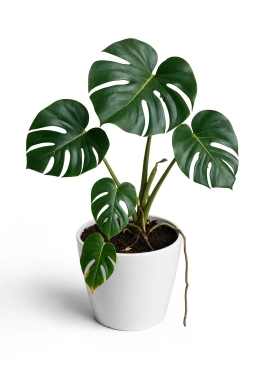
Aphid Colonies — Sap-Sucking on New Growth
Clusters of small, pear-shaped insects — green, black, or pale yellow …
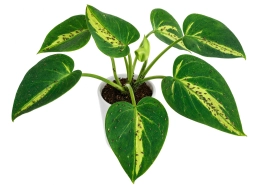
Dasheen Mosaic Virus — DsMV in Aroids
Leaves display a feathery, irregular mosaic of light and dark green, w…
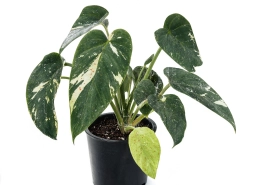
Cucumber Mosaic Virus — Mottling & Distortion
Leaves show a patchy mosaic of yellow and green, sometimes with ring p…
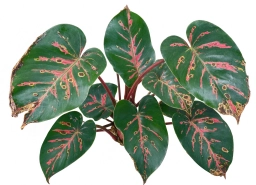
Bacterial Wilt — Ralstonia & Erwinia Vascular Infection
The plant wilts suddenly and completely despite adequate soil moisture…
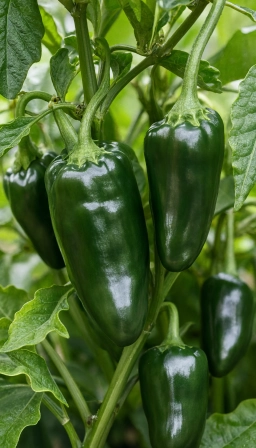
Leaf Curl on Chili Pepper Plants
Leaves curl upward or inward along their length, sometimes accompanied…
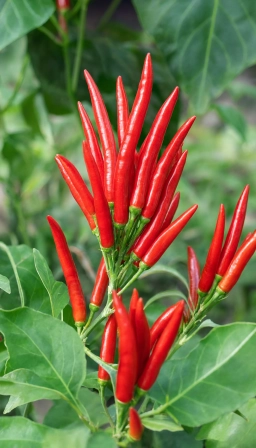
Aphid Infestation on Chili Peppers
Clusters of small, soft-bodied insects gather on new growth, stem tips…
Care Guides for Affected Plants
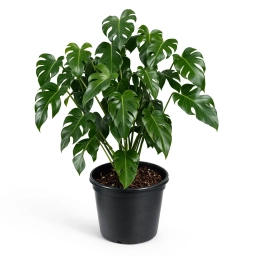
.webp)
See how growers dealt with Aphid
Browse real grow diaries from the community — treatments, timelines, and results.
Browse community diaries →