Thrips
Frankliniella occidentalis
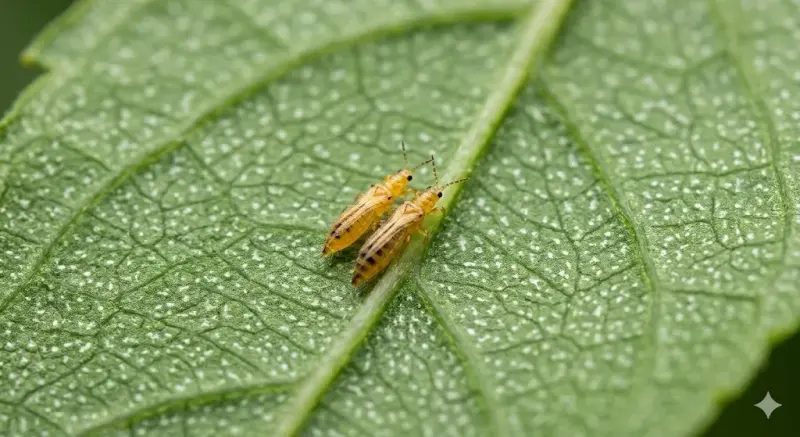
Thrips (order Thysanoptera) are tiny, slender insects that feed by rasping plant cells and sucking out the contents. Western flower thrips (Frankliniella occidentalis) is the most damaging species on ornamental plants. They cause characteristic silver or bronze scarring on leaves and are major vectors of Tomato Spotted Wilt Virus (TSWV) and Impatiens Necrotic Spot Virus (INSV). Larvae feed on developing leaves inside rolled new growth, causing permanent deformities.
How to Identify
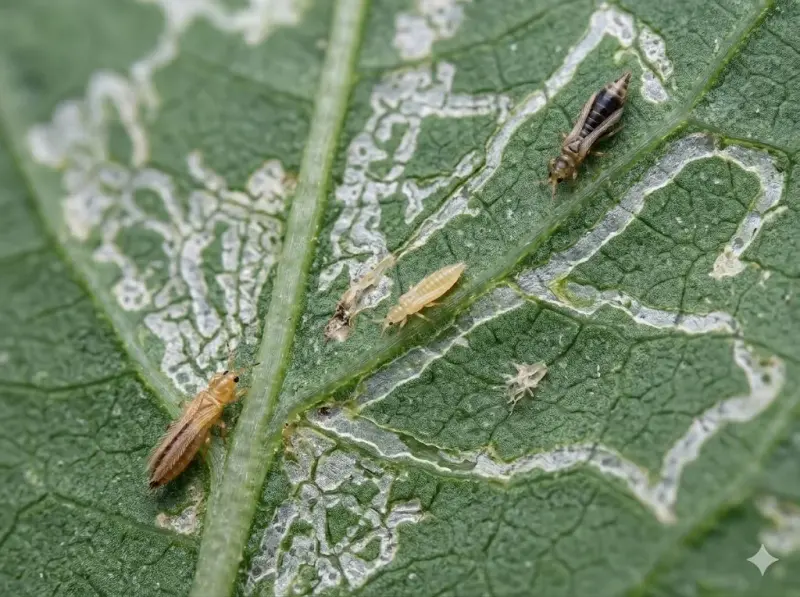
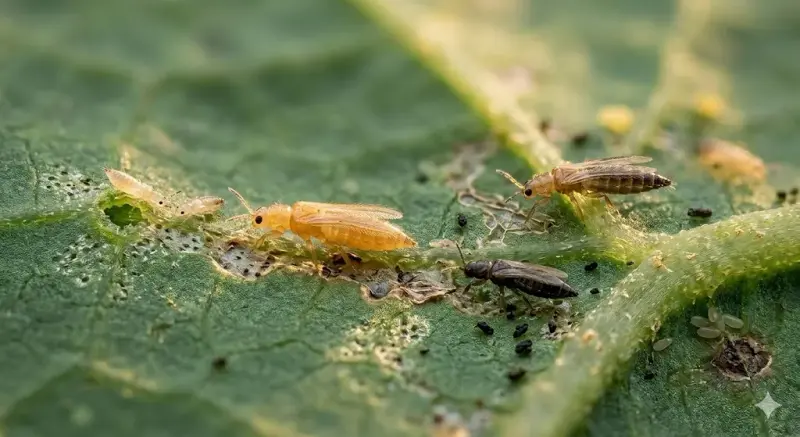
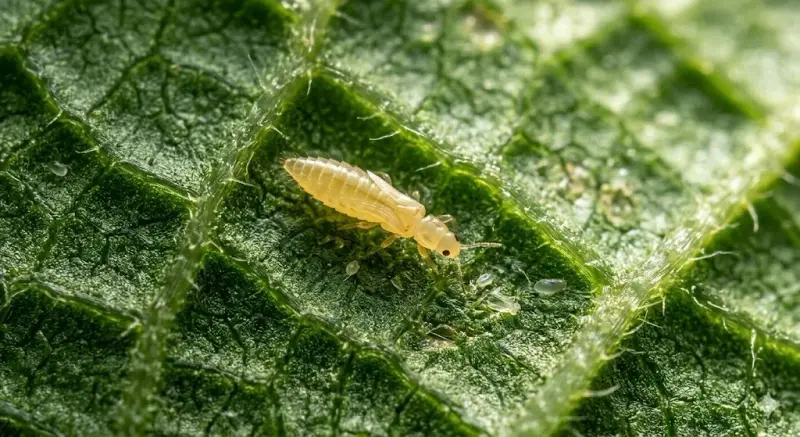
Adults are 1–2 mm long, slender, with fringed wings — barely visible to the naked eye but can be seen with a magnifying lens. Look for silvery, shiny scarring on leaf surfaces and black frass specks on the undersides. New leaves emerge deformed, curled, or with brown streaks embedded in the tissue. Shake a flower or leaf over white paper — tiny yellowish-white or dark elongated insects will fall out.
Life Cycle
Females insert eggs into plant tissue (not laid on the surface), making egg treatments ineffective. Larvae hatch in 5–10 days, feed on plant tissue for 10–14 days, then drop to the soil to pupate. Adults emerge in 7–14 days. The complete cycle is 3–4 weeks at 20°C, faster in warmer conditions. Adult females can reproduce without mating (parthenogenesis).
Visual Identification
Leaf Silvering
Stipple Damage
Flower Damage
Treatment Steps
- 1
Place blue and yellow sticky traps immediately to capture adults and monitor populations
- 2
Apply spinosad-based insecticide — the most effective contact treatment for thrips
- 3
Drench substrate with Steinernema feltiae nematodes to target pupating larvae in the soil
- 4
Spray neem oil or insecticidal soap weekly, focusing on new growth and leaf undersides
- 5
Repeat all treatments every 5–7 days for 6–8 cycles — essential to break the lifecycle
- 6
Remove heavily damaged leaves and dispose of them in sealed bags
Prevention
Use blue sticky traps — thrips are more attracted to blue than yellow
Quarantine new plants for 4 weeks and examine emerging leaves under magnification
Apply Steinernema feltiae nematodes routinely to the substrate to target pupating thrips
Avoid moving plants between environments — thrips often hitch rides on clothing
Frequently Asked Questions
How do I identify thrips on my plant?
Shake a leaf or flower over white paper — tiny yellowish or dark elongated insects will fall out. Look for silvery, shiny scarring on leaf surfaces, black frass dots on undersides, and new leaves emerging deformed or with brown streaks.
What kills thrips on houseplants?
Spinosad is the most effective contact treatment for thrips. Apply every 5–7 days for 6–8 cycles combined with Steinernema feltiae nematode soil drenches to target the pupal stage. Multiple treatments are essential as no single application kills all life stages.
Why do my plants keep getting thrips?
Thrips pupate in soil and are very difficult to eliminate completely. If infestations keep returning, treat the substrate with nematodes and place fresh blue sticky traps near the plant. Check if new plants entering the space are bringing in fresh populations.
Plant Problems Caused by Thrips
All pest problems →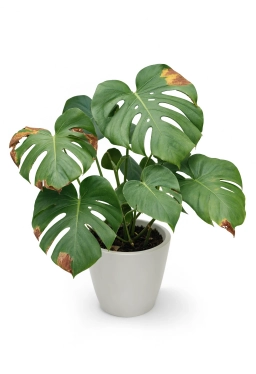
Thrips Infestation — Silvery Stippling & Black Frass
Leaves develop silvery-grey or bronze patches with a papery sheen as t…
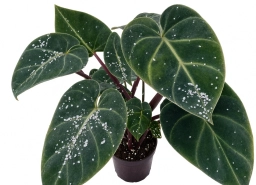
Tomato Spotted Wilt & Ringspot — Thrips-Vectored Virus
Leaves develop concentric chlorotic or necrotic ring patterns, line pa…
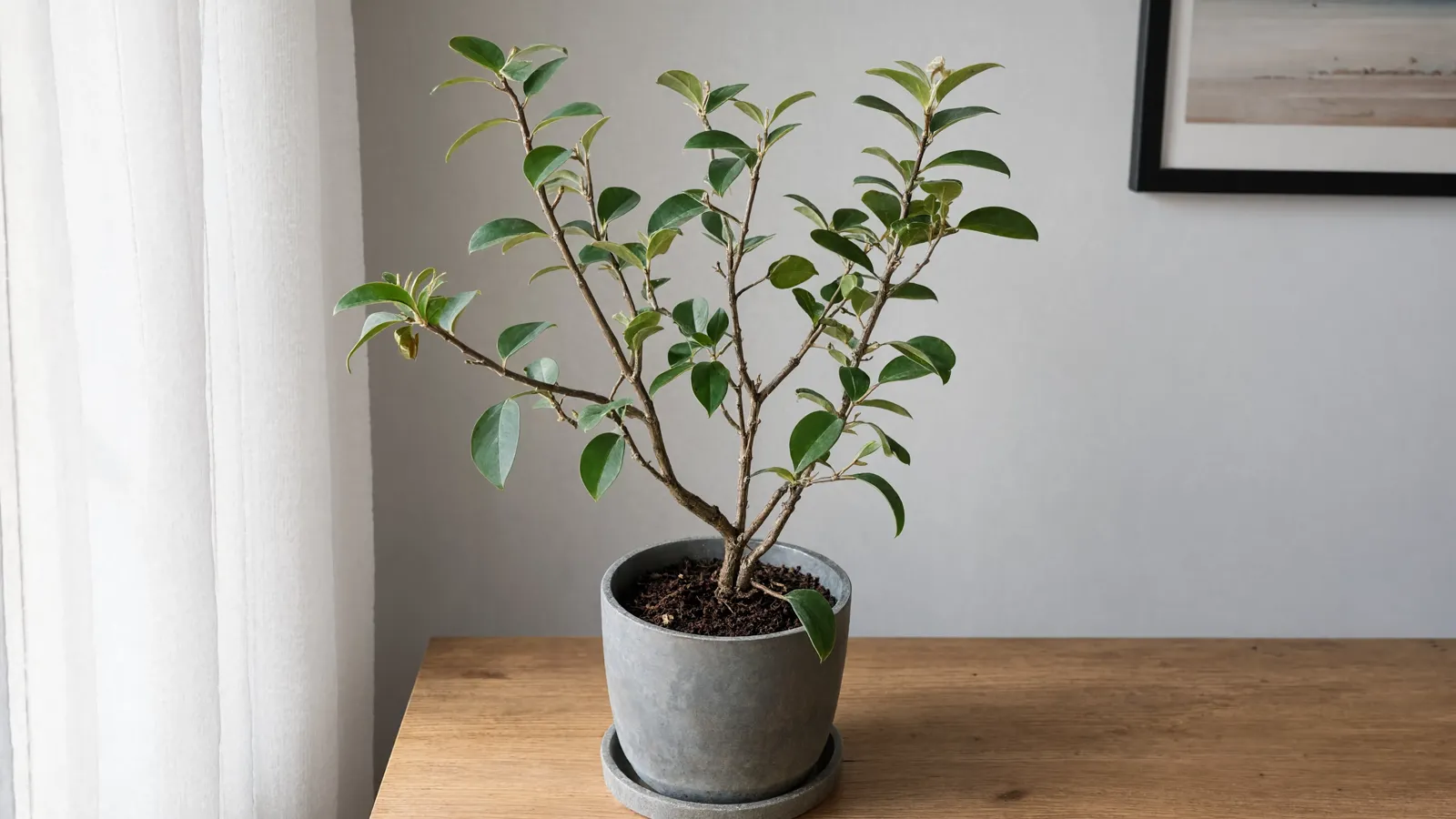
Anthurium Spathe Browning — Age, Low Humidity or Thrips Damage
The waxy, heart-shaped spathe (the colourful modified leaf surrounding…
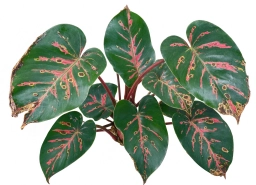
Bacterial Wilt — Ralstonia & Erwinia Vascular Infection
The plant wilts suddenly and completely despite adequate soil moisture…
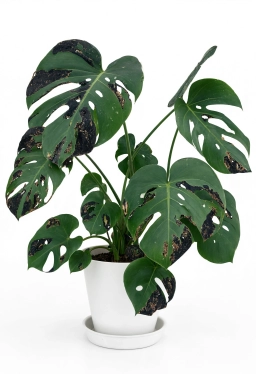
Pothos Thrips — Silvery Leaf Scarring and Deformed New Growth
Leaves develop a characteristic silvery, shiny, or bronze stippled sur…
Fiddle Leaf Fig Thrips — Silvery Scarring and Distorted New Leaves
The large leaves develop a silvery, shiny, scratched appearance as thr…
Care Guides for Affected Plants
See how growers dealt with Thrips
Browse real grow diaries from the community — treatments, timelines, and results.
Browse community diaries →