

Anthurium Care Guide
Anthurium andraeanum
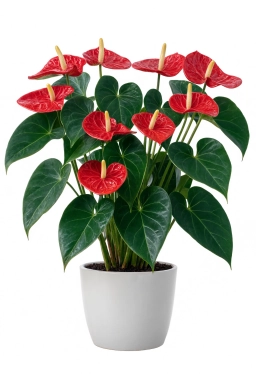
Anthuriums are prized for their waxy, long-lasting spathes and glossy foliage. They require more attention than beginner plants — bright indirect light is essential for blooming, they are sensitive to root rot from overwatering, and they prefer higher humidity than most houseplants. When their conditions are right, they flower nearly continuously.
Needs bright light, high humidity, and careful watering — sensitive to overwatering.
Care Requirements
💡 Light
Bright indirectAnthuriums need at least 6 hours of bright indirect light to flower. Near a south- or east-facing window is ideal. Too little light = no flowers and small leaves; too much direct sun = scorched, bleached patches.
💧 Watering
Every 5–7 daysWater thoroughly when the top 2–3 cm of substrate is dry. Never let Anthurium sit in standing water — it is highly susceptible to root rot (Phytophthora). The substrate should be moist but never waterlogged.
💦 Humidity
60–80%High humidity is important for Anthurium health and flower longevity. Aim for 60%+ using a humidifier. Brown leaf edges indicate low humidity. Avoid misting directly onto flowers — this causes spotting.
🌡️ Temperature
18–28°CAnthuriums are tropical and cold-sensitive. Keep above 15°C at all times. Cold draughts cause leaf drop and browning. Consistent warmth promotes continuous flowering.
🌱 Substrate
Chunky, airy mixUse a mix of orchid bark, perlite, and potting soil (roughly 1:1:1). Anthurium roots need high oxygen levels — dense substrates cause root rot rapidly. Well-draining terracotta pots are preferable to plastic.
⚗️ Fertiliser
Every 2–3 weeks (growing season)Anthuriums are moderate feeders. Use a high-phosphorus fertiliser (e.g., 10-30-20) to encourage flowering, or a balanced fertiliser at half strength. Excess fertiliser causes tip burn and mineral buildup.
Seasonal Care
Anthuriums can bloom year-round indoors if light is adequate. Each spathe lasts 8–12 weeks. After flowering, the spathe fades — cut the spent stem at the base. New flower buds emerge from the central growing point. A brief 6-week period of slightly cooler temperatures (16°C) and reduced watering can encourage a new flush of blooms.
Repotting
Repot every 2 years or when roots emerge from drainage holes. Anthurium prefers to be slightly root-bound. Move up only one pot size — too large a container retains excess moisture and promotes root rot.
Propagation
Divide offset plants (pups) at repotting time. Each offset needs at least 2–3 leaves and its own root system. Stem cuttings with a node can also be rooted in moist sphagnum moss under high humidity.
Anthurium FAQs
Why is my Anthurium not flowering?
The most common cause is insufficient light. Anthuriums need bright indirect light for at least 6 hours daily to initiate flower buds. Move closer to a south- or east-facing window. A 6-week period at slightly cooler temperatures (16°C) can also trigger blooming.
Why are my Anthurium leaves turning yellow?
Yellow leaves in Anthurium most commonly indicate overwatering or root rot. Check the substrate — if it is consistently wet, allow it to dry out and check for root rot when you next repot. Less commonly, yellowing indicates nutrient deficiency.
How much humidity does Anthurium need?
Anthuriums perform best at 60–80% humidity. Average household humidity (40–50%) is tolerable but will cause brown leaf edges over time. A room humidifier is the most effective solution for maintaining adequate humidity levels.
Something wrong with your Anthurium?
Browse our full diagnosis guide — identification, treatment, and prevention for every common Anthurium problem.
Anthurium Problem Guide →Common Anthurium Pests
Spider Mite
Microscopic arachnids that cause bronze stippling and fine webbing, thriving in hot, dry indoor conditions.
View guide →
Mealybug
White waxy-coated soft scale insects forming cottony colonies at leaf axils, stems, and roots.
View guide →
Scale Insect
Armoured or soft-shelled insects that attach to stems and leaves, extracting sap under protective waxy covers.
View guide →
Thrips
Slender, 1–2 mm insects that rasp leaf surfaces causing silvery scarring and deformed new growth.
View guide →
Compare Anthurium
More Care Guides
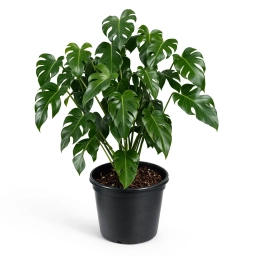
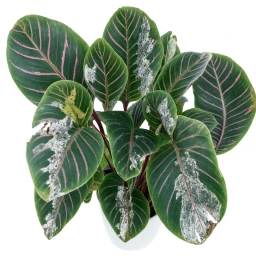
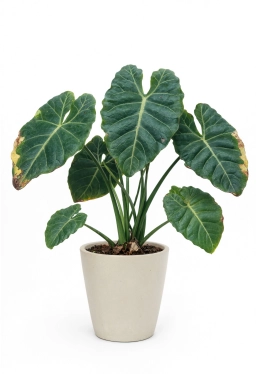
.webp)
.webp)
Real Anthurium grow diaries
Growers on DailyGrowers log their plant week by week, one photo at a time. Here's how theirs are going.
 4 weeks
Mishel x rvdp anthurium first time growing
@thepepperguy
 4 weeks
Baby Anthurium growth
@thepepperguy
 4 weeks
Gieo hạt Clarinervium Queen của vườn “Đức Hùng Garden”
@duchunggarden
 3 weeks
Just bought another anthuriums
@thepepperguy
 1 week
A. Delta force x A. crystalinnum
@zrnkii
 1 week
Propagation of Anthurium portilae
@tahibonursery
Growing Anthurium too? Start your own diary. It's free and takes 2 minutes.
Start my Anthurium diary →🌿
Have a Anthurium? Track its progress.
Weekly diary entries, photos, measurements — and a community of growers to learn from.